
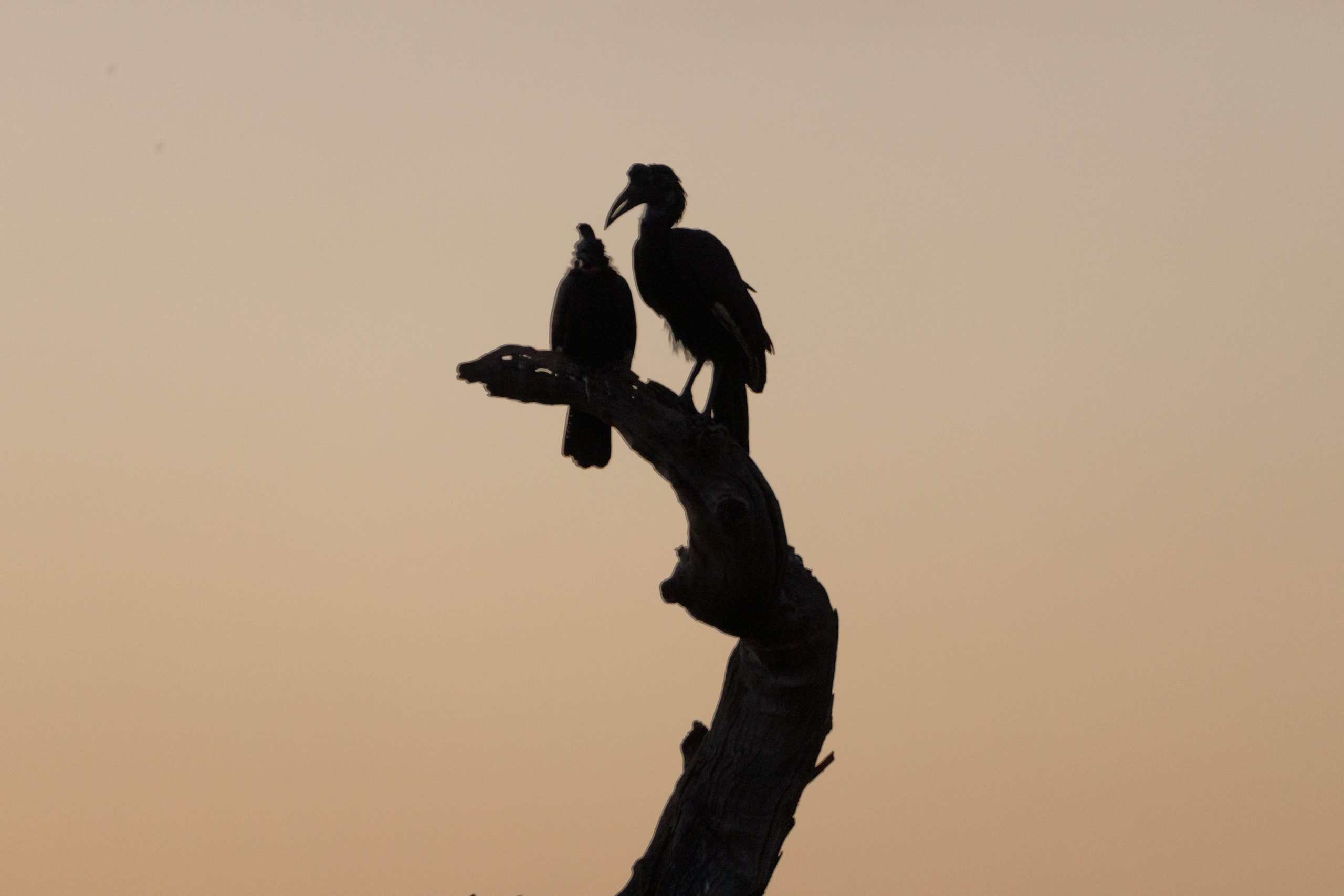
How to Keep Your Passport, Cash and Camera Safe on Safari
An African safari often involves carrying valuable items between airports, hotels, safari lodges, national parks and remote camps. Your passport allows you to cross borders, your cash helps you pay for small purchases and tips, and your camera captures memories of wildlife encounters that may last a lifetime. Losing any of these items can turn an exciting holiday into a stressful experience.
Travellers visiting Uganda, Kenya, Tanzania and Rwanda should plan how to protect their belongings before leaving home. Safaris often include long road journeys, busy airports, crowded markets and accommodation in remote areas. Each setting requires slightly different precautions, particularly when carrying expensive photography equipment or important travel documents.
Keeping your belongings safe does not require expensive security products or constant worry. A few sensible habits, combined with careful packing and awareness of your surroundings, can significantly reduce the risk of theft, loss or damage.
Keep Your Passport Secure Throughout the Trip
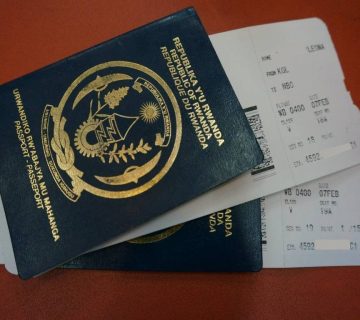
Your passport is one of the most important items you carry internationally. You may need it for immigration checks, hotel registration, border crossings and certain administrative procedures. Replacing a lost or stolen passport while abroad can take time and may disrupt your itinerary.
Before departure, make a secure digital copy of your passport’s identification page and any relevant visas or entry documents. Keep another copy separate from the original, such as in a locked compartment in your luggage. Store digital copies in a secure account that you can access if your phone is lost, but avoid leaving sensitive documents openly accessible on a shared device.
During flights and border crossings, keep your passport in a secure, easily accessible pocket of your personal bag. Avoid placing it loosely in a seat pocket, handing it to someone without a clear reason or leaving it unattended while you arrange other luggage.
Once you arrive at your hotel or safari lodge, check whether the property offers a secure room safe or another reliable storage facility. If you do not need the original passport for an excursion, carrying a copy may be more practical. However, confirm local identification requirements and keep the original available whenever an immigration or official procedure requires it.
For multi-country safaris, such as a journey from Uganda to Rwanda or a wildlife circuit connecting Kenya and Tanzania, keep your passport accessible on travel days. You may need it for border formalities, even when your accommodation has already checked your documents.
Do not assume that every lodge safe is equally secure. If a safe appears damaged or cannot be locked properly, ask management about alternative storage. Keep your passport in a protective, waterproof document holder, especially during rainy-season travel or excursions where bags may become wet.
Carry Cash Without Showing How Much You Have
Cash remains useful during an East African safari. You may need local currency for small purchases, tips, snacks, local transport or markets where card payments are unavailable. Some lodges, hotels and larger businesses accept cards, but payment options vary by location.
The safest approach is to carry only the amount you reasonably expect to need during the day. Keep the remainder of your travel money in a separate secure location, rather than placing everything in one wallet.
Divide your cash into practical portions. Keep a small amount readily accessible for ordinary purchases and store your reserve separately. This reduces the need to open a thick wallet in public or reveal the full amount you are carrying.
Avoid counting large amounts of money in crowded places, outside exchange bureaus or beside an ATM. If you need to withdraw cash, use a reputable ATM in a bank, shopping centre or other secure location when possible. Put your money away before leaving the ATM area.
Keep bank cards separate from cash where practical. If your wallet is stolen, you may still have access to another payment method. Before departure, check your bank’s procedures for freezing a card and report any unauthorised transactions promptly.
It is also sensible to carry a small reserve for unexpected expenses, but do not keep all your emergency money in the same pocket as your everyday cash. The aim is to avoid a single incident leaving you without access to any funds.
When visiting markets in Kampala, Nairobi, Arusha, Kigali or other busy towns, keep your wallet and phone secure. Be particularly alert when people crowd around you, when boarding public transport or when getting in and out of vehicles. Pickpocketing and bag snatching can occur in busy areas, so avoid displaying expensive items unnecessarily.
Protect Your Camera During Game Drives
A camera is often one of the most valuable items on a safari. Wildlife photography may involve long telephoto lenses, spare batteries, memory cards and other equipment that is expensive to replace. Protecting your gear requires attention to both theft and environmental damage.
Use a well-padded camera bag that closes securely and fits the equipment you plan to carry. A bag that is too large can encourage you to bring unnecessary gear, while an overfilled bag may not protect the camera properly. Choose a design that allows you to reach your equipment without leaving compartments open.
During game drives, keep the camera in your hands or secured inside the vehicle when you are not photographing. Avoid leaving it unattended on a seat while you step away. If you must leave equipment in the vehicle, ask your guide about the safest arrangement and keep it out of sight when the vehicle is parked in public places.
When photographing wildlife, concentrate on your surroundings as well as the subject. A camera can be distracting, especially when an animal appears unexpectedly or a rare sighting develops quickly. Follow your guide’s instructions and avoid leaning out of a vehicle or moving into an unsafe position to obtain a photograph.
Do not leave camera equipment exposed to direct sunlight for long periods. Heat can affect batteries and other components, while dust can enter lenses and camera bodies. Use lens caps when the equipment is not in use and store it in a protective bag between sightings.
For gorilla trekking in Uganda or Rwanda, pack your camera in a weather-resistant bag or use a suitable rain cover. Forest conditions can be humid, and rain may arrive unexpectedly. Keep a small microfibre cloth accessible for gently cleaning the exterior and lens when necessary. Avoid changing lenses in dusty or wet conditions unless there is no practical alternative.
Protect Your Camera From Dust, Rain and Humidity
Theft is not the only threat to photography equipment. Dust, moisture and rough handling can also damage a camera during a safari.
In dry savannah environments, vehicles can raise considerable dust as they travel along unpaved roads. Keep your camera covered when it is not being used, and avoid placing it directly on dusty seats or vehicle floors. A protective bag with secure closures can reduce exposure.
In rainforest environments, such as Bwindi Impenetrable National Park, humidity and sudden showers require different precautions. Use a rain cover or weather-resistant bag, and consider carrying reusable moisture-absorbing packets suitable for camera storage. Allow equipment to dry properly after exposure to rain, following the manufacturer’s guidance.
Temperature changes also matter. If you move a cold camera into warm, humid air, condensation can form on its surfaces. Allow it to adjust gradually in a closed bag when necessary, rather than immediately exposing the lens and body to the new environment.
Carry spare batteries and memory cards in separate protective cases. Keep batteries away from loose metal objects and follow the manufacturer’s storage instructions. Back up important photographs whenever you have a reliable opportunity, especially after a particularly memorable day.
A camera strap can provide additional security while photographing, but it should not interfere with your ability to move safely. Keep your equipment under control inside a safari vehicle, and never allow the pursuit of a photograph to distract you from wildlife safety instructions.
Choose Accommodation Storage Carefully
Most established safari lodges and hotels have procedures for protecting guests and their belongings, but travellers should still take responsibility for their valuables. Before leaving your passport, cash or camera in your room, consider the available storage arrangements.
If a room safe is provided, check that it locks properly and follow the property’s instructions. Do not leave valuable equipment in an unlocked room while you are away on a game drive. If the room has no safe, ask reception or management whether secure storage is available.
Keep your belongings organised so that you can notice if something is missing. A consistent place for your passport, wallet, camera batteries and memory cards makes it easier to check your items before departure.
When changing lodges, take a few minutes to inspect the room before leaving. Check bedside tables, charging points, wardrobes, bathroom shelves and any place where you may have stored documents or equipment. Camera batteries and charging cables are particularly easy to forget.
Avoid leaving valuables visible through a vehicle window or on a table near an open doorway. Even if you are staying at a remote property, it is sensible to use the security measures recommended by the lodge.
Be Careful in Airports, Markets and Roadside Stops
Airport transfers and busy public places are moments when travellers can become distracted. You may be checking a boarding pass, speaking to a driver, exchanging money or managing several bags at once. These activities can make it easier to lose track of a passport or camera.
Keep your essential belongings in one personal bag that stays with you. Avoid placing your passport, phone and wallet in separate open pockets that are difficult to monitor. Before leaving a taxi or transfer vehicle, check the seat and footwell for anything you may have dropped.
When travelling by road, keep vehicle doors locked and windows closed where appropriate, particularly in busy urban traffic. Do not leave cameras, laptops or bags visible in a parked vehicle. If you need to stop for a meal or visit a shop, take valuable items with you or arrange secure storage.
In crowded markets, keep bags closed and positioned where you can monitor them. Do not let a camera hang loosely from your shoulder while you are distracted by shopping. If you want to photograph local people, ask permission first and follow your guide’s advice about appropriate photography.
Use reputable, pre-arranged transport where possible, especially at night. Avoid walking alone through unfamiliar areas after dark while carrying expensive equipment or significant amounts of cash.
These precautions are useful throughout East Africa. The goal is not to assume that every public place is dangerous, but to reduce opportunities for theft and avoid unnecessary exposure of valuable belongings.
Back Up Your Photos and Protect Your Digital Information
Losing a camera can be upsetting, but losing every photograph from a long trip can be even more disappointing. Digital backups provide an additional layer of protection if equipment is stolen, damaged or misplaced.
If your camera supports two memory cards, consider using a backup recording option when appropriate. Otherwise, transfer important images to a laptop, portable storage device or secure cloud account when a reliable connection is available.
Internet access can be limited at remote safari camps, so do not depend entirely on cloud storage. A portable drive or another separate storage option can provide a useful alternative. Keep the backup away from the camera whenever possible, so one incident does not affect both copies.
Protect your phone and laptop with strong passwords and screen locks. Enable location or device-recovery features where available, and ensure your essential accounts have recovery options. Avoid connecting to suspicious networks or entering sensitive information into websites you do not trust.
If your camera or phone is stolen, use the manufacturer’s recovery tools if available, but do not confront a suspected thief or attempt to recover equipment in an unsafe situation. Your personal safety is more important than the value of the device.
What to Do If Your Passport, Cash or Camera Is Stolen
If an item disappears, first move to a safe location and check whether it may have been misplaced. Contact your guide, accommodation manager or transport provider if you believe you left it behind. If theft is suspected, report the incident to the appropriate local authorities and ask how to obtain a report for insurance or replacement purposes.
For a lost or stolen passport, contact your country’s embassy or consular service as soon as possible. They can explain the procedure for obtaining an emergency travel document or replacement passport. You may need a police report, identification documents and proof of your travel arrangements.
If your bank cards are missing, contact the card issuer immediately to freeze them and check for unauthorised transactions. Use your separate reserve funds or an alternative payment method while arranging replacements.
For stolen camera equipment, record the make, model and serial number if you have them. Keep purchase receipts and photographs of the equipment where possible, as these may assist police reports or insurance claims. Contact your insurer promptly and follow its reporting requirements.
If you lose several essential items at once, contact your tour operator as well. The operator may be able to help you communicate with local services, adjust transport arrangements or find practical support while you resolve the problem.
Do not physically resist an armed robbery or put yourself in danger trying to save equipment. Valuables can sometimes be replaced; your safety cannot be treated as secondary.
Travel With Confidence, Not Constant Worry
Keeping your passport, cash and camera safe is largely a matter of preparation and consistent habits. Store important documents securely, carry limited daily cash, protect your photography equipment from weather and dust, and stay aware of your surroundings when moving through busy areas.
Before each transfer, check that your passport and wallet are where you expect them to be. Before leaving a lodge, inspect the room for forgotten items. After photographing wildlife, secure your camera before changing seats or moving around the vehicle.
These small habits quickly become part of your travel routine. They help you spend less time worrying about your belongings and more time enjoying the experience, whether you are watching elephants in the savannah, trekking through a mountain forest or photographing the landscapes of East Africa.


No comment