
What Is the Rabies Risk in East Africa and Do You Need the Pre-Travel Vaccine?
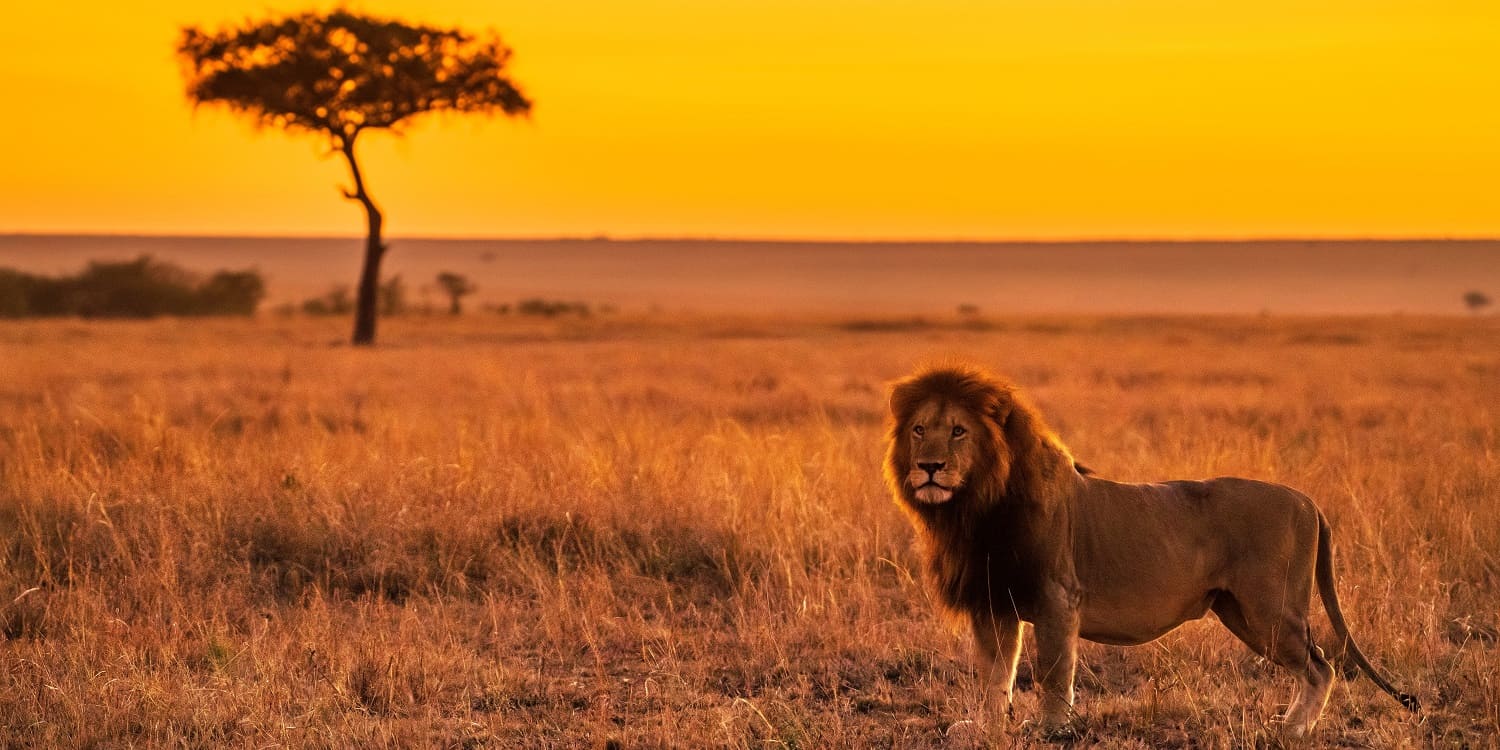
A safari in East Africa can bring you close to some remarkable wildlife, from mountain gorillas in Bwindi Impenetrable National Park to elephants in Amboseli and lions in the Serengeti. Yet one animal-related health risk is easy to overlook when planning your trip: rabies.
Rabies occurs in East Africa, and infected dogs are a major source of human exposure. Other mammals can also carry the virus. For most visitors, the risk of encountering a rabid animal during a well-organised safari is relatively low, but the consequences of infection are serious. Once symptoms develop, rabies is almost always fatal.
The good news is that rabies can be prevented. Travellers can reduce their risk by avoiding contact with animals, knowing what to do after a bite or scratch, and considering vaccination before departure. Whether you need the pre-travel vaccine depends on your itinerary, activities, length of stay and access to medical care.
How Common Is Rabies in East Africa?
Rabies is a continuing public health concern in Uganda, Kenya, Tanzania and Rwanda. Dogs are the main source of human rabies infections in many affected communities. The virus can also occur in other mammals, including certain wild animals.
For travellers, exposure is more likely to involve an ordinary-looking dog than a dramatic encounter with a wild predator. Free-roaming dogs may be found around villages, towns, markets, accommodation areas and roadsides. Some appear friendly and approach visitors, especially when people offer food or attention. Their behaviour does not reliably establish whether they are infected.
Cats and other mammals can also pose a risk. Wildlife encounters are less likely to result in rabies exposure than contact with dogs in many settings, but visitors should never assume that an animal is safe simply because it looks healthy or lives in a protected area.
The level of risk varies from one trip to another. Someone spending a week at established safari lodges, travelling with a professional guide and avoiding animals has a different exposure profile from a volunteer working with dogs, a wildlife researcher handling mammals or a traveller spending several months in rural communities.
The practical concern is not only whether an animal bite occurs. It is also how quickly the traveller can reach a medical facility that provides appropriate rabies treatment. In some parts of East Africa, vaccines may be available mainly in larger towns and cities, while rabies immunoglobulin or other recommended treatments may be difficult to obtain promptly. This is particularly important when travelling to remote parks or staying far from major hospitals.
Do You Need the Rabies Vaccine Before Travelling?
Not every traveller visiting East Africa needs pre-exposure rabies vaccination. However, it is worth discussing with a travel-health professional if your itinerary includes remote destinations, extended rural stays, frequent outdoor activities or situations where contact with animals is possible.
The pre-travel vaccine is generally recommended for people whose work or activities create an increased likelihood of exposure. This can include veterinarians, animal handlers, wildlife workers and people who regularly work with mammals. Travellers who plan to volunteer at animal shelters, work with community dogs or participate in wildlife research should ask about vaccination well before departure.
The vaccine may also be appropriate for visitors who expect to spend time in places where access to reliable post-exposure treatment is limited. For example, a traveller combining several days of gorilla trekking with extended time in remote areas may have fewer immediate treatment options than someone staying close to a major city.
Children deserve particular consideration. They may approach animals out of curiosity, attempt to stroke unfamiliar dogs or fail to tell an adult about a small scratch. Parents travelling with children should discuss rabies vaccination with a healthcare professional, especially when the trip includes rural accommodation, extended stays or activities around animals.
For a short, conventional safari, vaccination is not automatically necessary for every visitor. The decision should account for the actual itinerary and the availability of medical care. A travel clinic can help assess those factors rather than relying on a general rule that applies to every traveller.
What Does the Pre-Exposure Rabies Vaccine Involve?
Pre-exposure prophylaxis, commonly called PrEP, means receiving rabies vaccination before any possible contact with the virus. It prepares the immune system to respond more effectively if an exposure occurs later.
For many travellers, the commonly recommended modern schedule consists of two doses, with the first given on day zero and the second on day seven. Your healthcare provider should confirm the appropriate schedule for your circumstances, including any special considerations related to immune function or previous rabies vaccination.
Arrange the appointments early enough to complete the recommended course before departure. If you are planning a longer trip or expect to work closely with animals, raise the issue during your initial travel-health consultation rather than leaving it until the final days before your flight.
The vaccine is generally well tolerated. Some people experience soreness at the injection site, a headache or mild fatigue. Your healthcare professional can explain possible side effects and assess whether any individual medical considerations affect your vaccination plan.
One important point often causes confusion: pre-exposure vaccination does not mean you can ignore a bite or scratch. It does not guarantee that an exposure will be harmless, and it does not eliminate the need for medical assessment. Its main advantage is that it simplifies the treatment needed after a possible exposure and removes the need for rabies immunoglobulin in people who have completed an appropriate prior vaccination course. Post-exposure vaccine doses are still required.
How to Avoid Rabies During a Safari
The simplest preventive measure is to avoid touching animals you do not know. Do not stroke stray dogs, feed unfamiliar cats or approach wildlife for photographs. Even an animal that seems calm can bite if it feels threatened, is startled or is protecting its young.
Be especially careful around puppies and kittens. Their small size can make them seem harmless, but they can still scratch or bite. Children should understand that they must ask an adult before approaching any animal and should never attempt to handle one they find near a lodge, campsite or village.
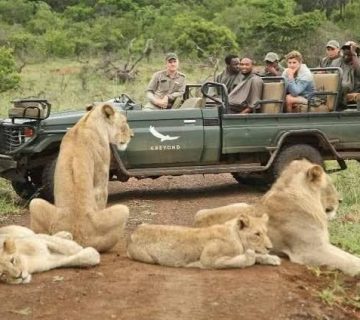
During game drives, remain inside the vehicle unless your guide confirms that getting out is permitted and safe. Never approach wildlife on foot to obtain a closer photograph. In parks where walking activities are permitted, follow your guide’s instructions and maintain a safe distance from animals.
Gorilla trekking requires similar discipline. Follow the instructions of park rangers, maintain the required distance from the gorillas and avoid touching them. These measures protect visitors and wildlife from several health risks, although they do not remove every possible source of exposure during travel.
Avoid handling dead or injured mammals. Do not attempt to rescue a stray animal with your bare hands, even if it appears to be suffering. If you are bitten while helping an animal, seek medical attention immediately.
It is also sensible to identify the nearest suitable medical facility before travelling to a remote destination. Ask your safari operator or accommodation provider where you should go if you need urgent treatment. Knowing the plan in advance can save valuable time in an emergency.
What Should You Do If an Animal Bites or Scratches You?
Treat any bite or scratch from a mammal that could carry rabies seriously. Do not wait for symptoms, and do not assume that a small wound is harmless.
Immediately wash the affected area thoroughly with soap and running water for at least 15 minutes. If available and appropriate, use a suitable antiseptic after washing. Cleaning the wound promptly helps reduce the amount of virus that may be present.
Next, seek urgent medical assessment, even if the animal seemed healthy or the wound barely broke the skin. A clinician will assess the type of contact, the animal involved, your vaccination history and the treatment required. Do not wait until you return home to seek advice.
A bite or scratch that penetrates the skin may require rabies vaccination after exposure. Saliva entering broken skin or contacting the eyes or mouth can also be dangerous. Depending on the exposure and previous vaccination history, treatment may include rabies immunoglobulin or another recommended antibody product.
If you have already received a complete pre-exposure vaccination course, tell the clinician and provide your vaccination record. You will still need prompt assessment and, when indicated, additional rabies vaccine doses. People who have previously been vaccinated generally follow a different post-exposure schedule and should not receive rabies immunoglobulin.
Do not try to capture the animal yourself. If it can be identified safely by local authorities or trained professionals, that information may help the medical assessment, but collecting it must not delay treatment.
Can You Get Rabies Treatment in Uganda, Kenya, Tanzania and Rwanda?
Rabies vaccines are available in larger urban medical facilities in East African countries, but access can vary by location and facility. Availability of rabies immunoglobulin and other recommended products can be more limited. Travellers should not assume that every clinic near a national park or rural lodge can provide the complete treatment required after a serious exposure.
In Uganda, visitors travelling to Bwindi, Mgahinga, Queen Elizabeth National Park or other remote destinations should establish how they would reach appropriate medical care if bitten. In Kenya, similar planning is useful for travellers visiting remote conservancies and national parks. Visitors to Tanzania’s Serengeti, Ngorongoro or Kilimanjaro region should consider the distance to suitable medical facilities, while those visiting Rwanda should plan ahead for travel outside the main urban areas.
These examples do not mean that rabies treatment is unavailable throughout these countries. They highlight why travellers should verify access before entering remote areas. Your travel clinic or safari operator may be able to advise on the nearest suitable facility, but urgent medical services should confirm current treatment availability.
Travel insurance is another practical consideration. Check whether your policy covers emergency treatment, medical transfers and evacuation if the necessary care is not available nearby. Insurance does not replace preventive measures or immediate medical treatment, but it may help with the logistics and cost of obtaining care.
How to Decide Before Your Trip
The best time to assess rabies risk is several weeks before departure, when there is still time to discuss vaccination and arrange appointments. Explain your itinerary in detail, including the countries you will visit, how long you will stay, whether you will work with animals, and whether you will spend extended periods in rural or remote locations.
A short guided safari with no planned animal contact may present a different level of risk from a long volunteer placement or a trip involving regular interaction with dogs. Your medical adviser should also consider whether you are travelling with children and how quickly you could reach appropriate treatment after an exposure.
Pre-travel rabies vaccination offers an extra layer of protection and can make post-exposure treatment easier to arrange. It is particularly worth considering when the chance of animal contact is increased or access to medical care may be delayed. However, it is not a substitute for avoiding animals or seeking urgent treatment after a bite or scratch.
Rabies is a serious risk, but it should not prevent travellers from enjoying East Africa’s wildlife and landscapes. Careful planning, sensible animal precautions and a clear emergency plan allow you to approach your safari with greater confidence.
Medical note: This article provides general travel-health information and is not a personal diagnosis or vaccination recommendation. Consult a travel-health professional for advice based on your health, itinerary and vaccination history. After a possible rabies exposure, wash the wound immediately and seek urgent medical care.

No comment