
How to Avoid Mosquito Bites on Safari: What Works and What Doesn’t
A mosquito can turn a peaceful evening in an African safari lodge into a frustrating experience. You might spend the day watching elephants cross the savannah, tracking lions through the grasslands or trekking through the forests of Uganda. Then, as you settle down for dinner, mosquitoes begin circling your legs and arms. Beyond the itching, mosquito bites can carry health risks, particularly in destinations where malaria occurs.
Fortunately, avoiding mosquito bites does not require expensive equipment or complicated routines. The right insect repellent, suitable clothing and a few adjustments to your daily habits can make a noticeable difference. However, not every product advertised as a mosquito deterrent works as well as its packaging suggests.
For travellers visiting Uganda, Kenya, Tanzania and Rwanda, understanding which methods provide reliable protection is an important part of safari preparation. The aim is to reduce mosquito bites without making your holiday uncomfortable or spending money on products that offer little benefit.
Choose an Insect Repellent That Actually Works
A reliable insect repellent is one of the most useful items to pack for an East African safari. Products containing DEET or picaridin are well-established options for reducing mosquito bites. Some properly formulated products containing PMD, an ingredient associated with oil of lemon eucalyptus, can also provide effective protection.
DEET remains a popular choice because it has been studied extensively and is available in different concentrations. Picaridin is another strong option, particularly for travellers who prefer a product with less noticeable smell or a less greasy feel. Both can work well when applied according to the manufacturer’s instructions.
The concentration affects how long protection lasts, although a higher concentration does not automatically mean proportionally greater effectiveness. For many adult travellers, a product containing around 20% to 30% DEET or an appropriately formulated picaridin repellent is a practical starting point. The correct choice depends on the product, expected exposure and local conditions.
Apply repellent to exposed skin before heading out for a game drive, nature walk or evening meal. Pay attention to your ankles, wrists and lower legs, where small gaps in clothing can leave skin exposed. Follow the label instructions about reapplication, especially after heavy sweating or swimming.
Do not assume that a repellent applied in the morning will protect you throughout the day. Heat, sweat, water and the formulation itself affect how long protection lasts. Carrying a small, properly labelled container makes it easier to maintain protection during longer activities.
Why Natural Mosquito Repellents Often Disappoint
Many travellers prefer natural products, especially when visiting forests and national parks. Citronella, lavender, peppermint and other essential oils are frequently promoted as alternatives to conventional repellents. Some may discourage mosquitoes temporarily, but their protection can be inconsistent and shorter-lasting.
The main problem is that a pleasant smell does not necessarily translate into reliable protection. A homemade mixture might seem effective for a short time, then lose its effect while you remain outdoors. In a malaria-risk destination, relying entirely on such a mixture can leave you exposed.
This does not mean every plant-derived repellent is ineffective. Certain registered products containing PMD have evidence supporting their use. The important distinction is between a tested formulation with a recognised active ingredient and an improvised mixture of essential oils.
Garlic, vitamin B supplements and special diets are also commonly suggested as ways to prevent mosquito bites. However, there is no dependable evidence that eating garlic or taking extra vitamin B provides adequate protection. These approaches should not replace an effective repellent.
Mosquito bracelets and ultrasonic devices are similarly unreliable as a person’s main defence. Some may be marketed as chemical-free solutions, but they generally do not provide the dependable, whole-body protection that travellers need. If mosquitoes are active around your safari camp, a proven repellent and suitable clothing are much more sensible choices.
Wear Clothing That Makes It Harder for Mosquitoes to Bite
What you wear can reduce the amount of exposed skin available to mosquitoes. Lightweight long-sleeved shirts, long trousers and socks are particularly useful during early-morning game drives and evening activities.
You do not need to dress in thick clothing that makes the African heat unbearable. Choose breathable fabrics that allow air to circulate while keeping your arms and legs covered. Loose-fitting garments can be more comfortable and may make it harder for mosquitoes to reach the skin through the fabric.
However, very thin material is not always a complete barrier. Mosquitoes can sometimes bite through lightweight clothing, especially when it rests tightly against the skin. Use repellent on exposed areas and follow the product instructions about whether it can also be applied to clothing.
Tucking trousers into socks can help reduce gaps around your ankles when walking through vegetation. This is especially practical on forest walks or when moving around a campsite after dark. Neutral colours such as khaki and olive are common safari choices, but colour alone will not prevent mosquito bites.
For travellers spending several days outdoors, permethrin-treated clothing may provide additional protection. Permethrin is an insecticide used on certain garments and outdoor equipment. Buy clothing treated for this purpose or use a product specifically designed for treating fabrics, following its instructions carefully. Never apply clothing-treatment permethrin directly to your skin.
Protect Yourself During Evening Game Drives and Outdoor Dinners
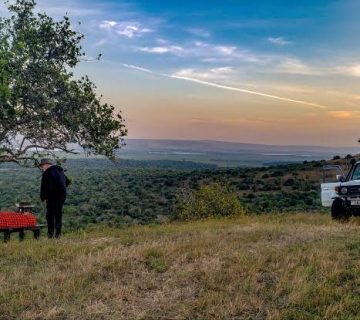
Mosquitoes can become a nuisance when safari travellers return to their lodges after a long day in the bush. Outdoor dining areas, garden paths and open-air lounges allow visitors to enjoy the surroundings, but they can also expose them to biting insects.
Before going out for dinner, check whether you need to reapply your repellent. Covering your arms and legs can help, especially when sitting outside for an extended period. If mosquitoes are particularly active, choosing a screened dining area is a practical alternative.
Early-morning game drives also deserve attention. Travellers often leave their lodges before sunrise to catch wildlife while animals are active. Applying repellent before departure helps reduce exposure during stops and while getting in and out of the vehicle.
An open-sided safari vehicle does not provide complete protection from mosquitoes. They may enter when the vehicle stops, particularly near vegetation or water. Keep repellent accessible rather than leaving it in luggage stored elsewhere.
The same precautions apply to boat safaris and lakeside excursions. Areas around water may support mosquito breeding, depending on the local environment. Apply repellent as directed and cover exposed skin when conditions call for it.
Make Your Safari Room or Tent Less Attractive to Mosquitoes
Your accommodation can play an important role in reducing mosquito exposure. A room with intact window screens, doors that close properly and a well-fitted mosquito net offers useful protection. These features matter whether you stay in a luxury lodge, a mid-range safari camp or a budget guesthouse.
When you arrive, check that the windows and doors close securely. If your bed has a mosquito net, inspect it for obvious holes and make sure it can be tucked around the mattress. Avoid leaving gaps through which mosquitoes can enter.
Keep the net away from your skin while sleeping because mosquitoes may bite through mesh that rests directly against your body. If you are camping, check that the tent’s mesh panels and entrance are secure before going to sleep.
Air conditioning can help when doors and windows remain closed, while a fan may make it more difficult for some mosquitoes to land. Neither should be treated as a complete substitute for screens, nets and repellent.
A luxury lodge is not automatically mosquito-free. Open-air bathrooms, outdoor dining spaces and surrounding vegetation can still expose guests to insects. Simple habits, such as closing doors promptly and checking the sleeping area before bedtime, remain worthwhile regardless of accommodation price.
Do Mosquitoes Prefer Certain People?
You may notice that mosquitoes seem to target you more than your travel companions. This can happen because mosquitoes respond to several cues, including carbon dioxide from breathing, body heat and chemical compounds produced by the skin.
Individual differences in body odour and other factors may influence how attractive a person is to particular mosquitoes. That is why one traveller might return from an evening outdoors with several bites while another appears unaffected.
Unfortunately, there is no reliable trick that makes everyone unattractive to mosquitoes. Showering can remove sweat and some odours, but it does not eliminate the signals mosquitoes use to locate people. Perfume is not a dependable deterrent either.
If you are someone who regularly attracts bites, concentrate on consistent protection rather than trying unproven dietary remedies. Apply an effective repellent, cover exposed skin and use a mosquito net when sleeping. These measures are more dependable than attempting to change your natural scent.
What to Do When You Get a Mosquito Bite
Even with careful preparation, you may still receive a few mosquito bites during your safari. Most cause temporary itching and swelling, but scratching can damage the skin and increase the risk of infection.
Wash the affected area gently with soap and water. A cool compress may help reduce itching and swelling. If the discomfort continues, ask a pharmacist about an appropriate treatment, taking your age, allergies and other medicines into account.
Seek medical attention if the area becomes increasingly painful, develops spreading redness or shows signs of infection. Severe swelling accompanied by difficulty breathing or swelling of the lips or throat requires emergency medical care.
There is another reason to take mosquito bites seriously in East Africa. Malaria can cause fever, chills, headache, muscle aches, nausea and other symptoms. If you develop a fever during your trip or after returning home, seek urgent medical assessment and tell the clinician where you travelled.
Not every mosquito carries malaria, and not every bite leads to illness. However, the absence of an immediate reaction does not prove that a bite was harmless. Prompt assessment matters if symptoms develop in or after visiting a malaria-risk area.
Remember That Repellent Does Not Replace Malaria Prevention
Avoiding mosquito bites is important, but it is only one part of protecting yourself against malaria. Depending on your itinerary, a travel health professional may recommend preventive medicine such as doxycycline, atovaquone-proguanil or mefloquine.
These medicines have different dosing schedules, side effects and medical restrictions. The right choice depends on the destination, length of stay, personal medical history and other factors. Arrange a travel health consultation before departure rather than choosing tablets based on another traveller’s experience.
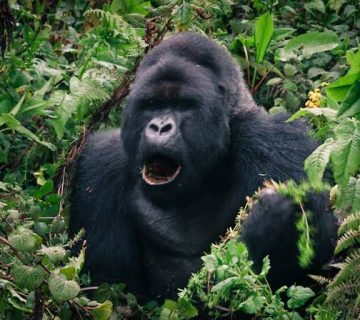
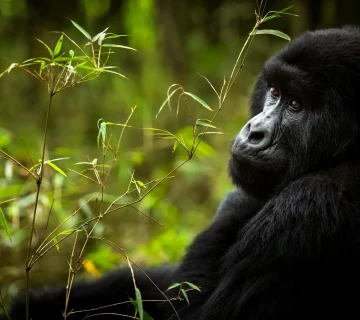
This is particularly important for visitors combining several East African destinations. A trip might include gorilla trekking in Uganda, wildlife viewing in Kenya’s Maasai Mara and a beach stay in Tanzania. Your clinician should assess the complete route and explain how to take any prescribed medicine before, during and after exposure.
Preventive medication does not guarantee complete protection, so continue using repellent, suitable clothing and mosquito nets where appropriate. If you are travelling with children or are pregnant, seek individual medical advice because medication choices and product restrictions can differ.
The Most Practical Way to Avoid Mosquito Bites on Safari
You do not need to spend your safari constantly worrying about mosquitoes. A few reliable habits can reduce exposure while allowing you to enjoy wildlife viewing, forest walks and evenings at your lodge.
Pack a proven insect repellent, wear lightweight clothing that covers your arms and legs when practical, and check that your sleeping area has suitable mosquito protection. Reapply products according to their instructions, particularly during long outdoor activities. Do not depend on garlic, vitamin supplements, bracelets or homemade essential-oil mixtures as your primary defence.
Before travelling, find out whether malaria prevention medication is recommended for your destinations and discuss suitable options with a qualified health professional. This is especially important if you plan to visit remote areas where medical care may not be immediately available.
The most effective approach combines proven repellent, sensible clothing, protected sleeping arrangements and destination-specific medical advice. With these preparations in place, you can spend less time dealing with mosquito bites and more time enjoying the landscapes and wildlife that make an East African safari memorable.



No comment