
Safari Myths vs Facts
Planning an African safari is exciting, especially when you imagine watching elephants cross open grasslands, lions resting beneath trees or mountain gorillas moving through a tropical forest. However, many travellers arrive in Africa with ideas shaped by wildlife documentaries, films and stories they have heard from other people. Some are accurate, while others create unnecessary worries or unrealistic expectations.
Understanding safari myths vs facts can help you prepare for a more enjoyable wildlife experience. Africa offers different landscapes, climates, cultures and wildlife habitats, and every safari destination has something special to offer.
Whether you are visiting Uganda, Kenya, Tanzania or Rwanda, knowing what actually happens on safari will help you choose suitable activities, pack correctly and understand wildlife behaviour.
Here are some common African safari myths and the facts behind them.
1. Myth: Lions Are Always Hunting During Game Drives
Fact: Lions spend much of their time resting.
Many travellers expect to see lions chasing antelopes whenever they visit a national park. Wildlife documentaries often concentrate on hunting scenes, creating the impression that lions are constantly active.
In reality, lions can spend around 16 to 20 hours a day resting or sleeping, depending on conditions.
During a game drive in Queen Elizabeth National Park, the Serengeti or Maasai Mara, you may find lions lying beneath trees or resting in tall grass.
Early mornings and evenings often provide better opportunities to observe movement, although sightings are never guaranteed.
Your guide will explain lion behaviour and help you appreciate quieter moments, including grooming, resting and social interaction.
2. Myth: African Safaris Are Only for Wealthy Travellers
Fact: African safaris are available at different budget levels.
Luxury safari lodges receive considerable attention, but they are only one part of the African tourism industry.
Travellers can choose budget camping trips, mid-range lodge safaris, private guided journeys and luxury holidays.
Your total safari cost depends on the destination, accommodation, transport, park fees, activities and number of travel days.
For example, sharing a safari vehicle with other travellers may reduce transport expenses compared with booking a private vehicle.
Travelling outside peak tourism periods may also provide access to lower accommodation rates.
However, some activities, particularly gorilla trekking, have substantial permit costs that should be included in your budget.
3. Myth: You Will See the Big Five on Every Safari
Fact: Wildlife sightings depend on the destination and natural animal movements.
The Big Five refers to lions, leopards, elephants, buffaloes and rhinoceroses.
Although several African conservation areas protect these animals, you should not expect to encounter all five during every game drive.
For example, Queen Elizabeth National Park is known for lions, elephants, buffaloes and other wildlife, but it does not offer regular wild rhinoceros sightings.
In Uganda, visitors interested in rhinos can consider Ziwa Rhino Sanctuary as part of a suitable itinerary.
Different destinations provide different wildlife opportunities.
Before booking your safari, ask which species are commonly observed in the parks you plan to visit.
4. Myth: Wild Animals Always Attack Safari Vehicles
Fact: Most wildlife encounters can be observed safely when visitors follow professional guidance.
Wild animals are unpredictable, but they do not automatically attack every vehicle approaching them.
In established safari destinations, some animals become accustomed to the presence of vehicles that maintain appropriate distances and behave calmly.
However, habituation does not make wildlife tame or harmless.
Elephants, buffaloes, hippos and predators can react dangerously when threatened, disturbed or approached too closely.
Always follow your guide’s instructions, remain inside the vehicle unless permitted to leave and avoid making sudden movements.
Responsible wildlife viewing protects both visitors and animals.
5. Myth: Africa Is Always Extremely Hot
Fact: Safari destinations experience different temperatures and weather conditions.
Africa has deserts, tropical forests, mountains, highlands, wetlands and grasslands.
Temperatures vary considerably between these environments.
Early morning game drives in some parts of Kenya and Tanzania can feel cold, especially when travelling in an open safari vehicle.
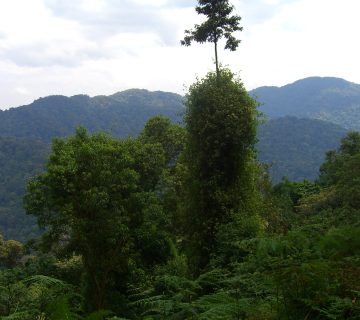
Uganda’s Bwindi Impenetrable National Park can experience cool, damp conditions because of its elevation and forest environment.
Rainfall also varies by region and season.
Pack lightweight clothing for warmer afternoons, along with a fleece or jacket for early mornings and evenings.
A rain jacket is particularly useful when visiting forest destinations.
6. Myth: Every African Safari Takes Place in Open Savannah
Fact: African safaris include forests, wetlands, mountains and lakes.
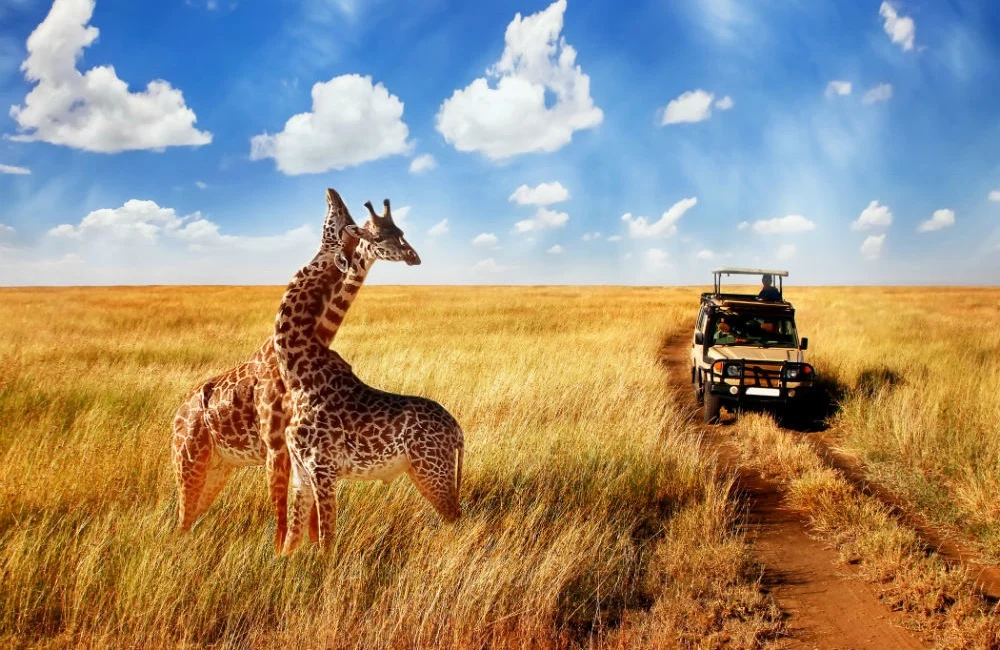
The image of a safari vehicle travelling across endless grasslands is familiar, but East Africa offers much more.
In Uganda, travellers can explore Bwindi Impenetrable National Park to observe mountain gorillas or visit Kibale National Park for chimpanzee tracking.
Rwanda offers mountain gorilla trekking in Volcanoes National Park and forest experiences in Nyungwe National Park.
Murchison Falls National Park combines savannah wildlife with river journeys and dramatic waterfall scenery.
Depending on your interests, you can enjoy game drives, boat safaris, guided forest walks, birdwatching and cultural experiences.
7. Myth: You Need Expensive Photography Equipment
Fact: You can capture enjoyable safari memories with ordinary photography equipment.
Professional wildlife photographers often carry large cameras and telephoto lenses, but expensive equipment is not essential for every traveller.
Modern smartphones can produce attractive photographs of landscapes, lodges, sunsets and animals at suitable distances.
A camera with optical zoom can be useful when photographing distant wildlife.
More importantly, understanding lighting, keeping your equipment steady and following your guide’s positioning advice can improve your photographs.
Avoid asking your guide to approach animals too closely for pictures.
Sometimes the best safari memories come from observing animal behaviour without concentrating entirely on photography.
8. Myth: Gorilla Trekking Guarantees Easy Walking
Fact: Gorilla trekking can involve challenging forest conditions.
Mountain gorillas live in mountainous forest habitats, where trails can be steep, muddy and uneven.
During gorilla trekking in Bwindi Impenetrable National Park or Rwanda’s Volcanoes National Park, walking distances depend on the location of the assigned gorilla group.
Some treks are relatively short, while others require several hours of walking.
Visitors should prepare for changing weather, slippery paths and dense vegetation.
Wear comfortable hiking boots, carry drinking water and follow the instructions of your ranger guides.
Gorilla trekking can be physically demanding, but preparation helps make the experience more manageable.
9. Myth: Safari Animals Are Fed by Park Authorities
Fact: Wild animals generally find their own food within protected habitats.
National parks are managed to protect natural wildlife populations and their habitats.
Lions hunt wild prey, elephants feed on vegetation and giraffes browse leaves from trees.
Park authorities do not routinely feed free-ranging wildlife to entertain tourists.
Wild animals sometimes approach areas used by people, but visitors must never encourage this behaviour by offering food.
Feeding wildlife can change natural behaviour, create dangerous encounters and expose animals to inappropriate foods.
Keep snacks secured and dispose of rubbish responsibly.
Your safari guide will explain the importance of allowing animals to behave naturally.
10. Myth: The Great Migration Happens Only Once a Year
Fact: The wildebeest migration follows a continuous seasonal cycle.
Some travellers imagine that the Great Migration is a single event when thousands of wildebeest cross a river on one particular day.
In reality, migratory wildebeest move through the Serengeti-Mara landscape throughout the year in response to rainfall and grazing conditions.
River crossings receive significant attention, but they represent only one part of this annual movement.
Calving, grazing, predator interactions and large herd movements are also important migration experiences.
Exact migration locations and crossing dates vary between years.
If seeing the migration is your priority, plan your safari around the particular stage you want to experience rather than expecting a guaranteed river crossing.
11. Myth: Walking Safaris Are Too Dangerous for Tourists
Fact: Guided walking safaris can be rewarding when conducted under appropriate safety procedures.
Walking through wildlife habitats requires professional supervision and careful planning.
Authorised walking safaris operate in selected protected areas under park regulations.
Qualified guides assess animal activity, weather, visibility and terrain before choosing suitable routes.
Walking safaris allow you to notice smaller details that are often missed from a vehicle.
You may learn to recognise animal footprints, identify plants, observe insects and understand how wildlife uses its surroundings.
Never attempt an independent walking safari in an area where guides or authorised escorts are required.
12. Myth: The Dry Season Is Always the Best Time for Safari
Fact: Both wet and dry seasons offer worthwhile wildlife experiences.
Dry conditions often make wildlife viewing easier in certain savannah parks because vegetation becomes thinner and animals may gather near reliable water sources.
However, rainy periods can create green landscapes, provide excellent birdwatching opportunities and coincide with the birth of young animals in some destinations.
Seasonal conditions differ across East Africa.
For example, the best period for observing particular stages of the wildebeest migration may not match the preferred travel season for gorilla trekking in Uganda.
Choose your travel dates according to the animals, activities and destinations that interest you most.
13. Myth: Every Safari Day Is Filled With Wildlife Sightings
Fact: Wildlife observation requires patience.
Wild animals move freely, and sightings depend on factors such as habitat, weather, time of day and animal behaviour.
Some game drives produce remarkable encounters, while others involve long periods of searching.
Experienced guides use tracks, animal sounds, local knowledge and recent observations to improve the chances of finding wildlife.
However, no ethical safari operator can guarantee that a particular animal will appear.
Enjoy the landscapes, birds and smaller animals along the way. These experiences are an important part of an African safari.
Quick Comparison of Common Safari Myths and Facts
| Safari Myth | Actual Fact |
|---|---|
| Lions are constantly hunting | Lions spend much of their time resting |
| Every safari is expensive | Budget, mid-range and luxury options exist |
| The Big Five appear everywhere | Wildlife species vary by destination |
| Africa is always hot | Climate varies with location, altitude and season |
| Every safari takes place in grasslands | Safaris also explore forests, wetlands and mountains |
| Wildlife sightings are guaranteed | Wild animals move freely |
| The Great Migration is a single event | Migration follows a seasonal annual cycle |
| Rainy seasons are unsuitable | Green-season safaris offer different experiences |
How to Prepare for Your First African Safari
Understanding safari myths vs facts will help you make practical decisions before travelling.
Choose destinations based on your wildlife interests, research the expected weather and select a safari operator familiar with the parks you want to visit.
Pack comfortable clothing, suitable footwear, sun protection and any necessary personal medication.
Ask your operator about accommodation, park regulations, travel distances and physical requirements for activities such as gorilla trekking.
Most importantly, approach your journey with realistic expectations and respect for wildlife.
Final Thoughts on Safari Myths vs Facts
An African safari offers opportunities to observe wildlife in natural surroundings, discover different landscapes and learn from experienced local guides.
Separating safari myths from facts helps you understand what to expect and avoid common misunderstandings.
You may see lions sleeping instead of hunting, spend time searching for elephants or discover that birds and smaller animals are just as interesting as famous predators.
Whether you explore Uganda, Rwanda, Kenya or Tanzania, every safari is different.
The best approach is to travel prepared, respect the wildlife and enjoy each experience as it happens.



No comment