
From Checklist to Story: Turning Your East Africa Birding Trip Into a Blog
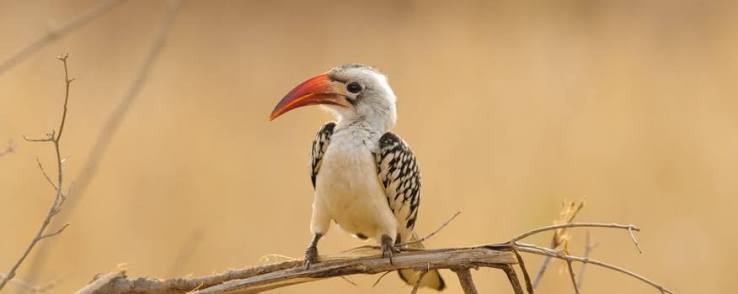
A birding trip in East Africa often starts with a wish: to see as many birds as you can. You might pack a checklist, a pair of binoculars a camera, a notebook and a plan that takes you across Uganda, Kenya, Tanzania or Rwanda. You may have your eye on birds—like the Shoebill, the African Fish Eagle, the Great Blue Turaco, the Lilac-breasted Roller, sunbirds, hornbills or bee-eaters.. When the trip ends the list of species can feel empty. Numbers tell you what you saw. They don’t share how it felt to be there.
That’s where the idea of turning your East Africa birding trip into a blog becomes powerful. Your journey already holds the ingredients for a story. The early morning starts, the surprise bird flashes, the muddy paths the still wetlands, the changing scenery the talks with guides and the moments when a bird appears just when you least expect it—these are the things that make a trip unforgettable.
You don’t need to be a writer. You just need to remember what happened and explain why it mattered.
Start With the Journey, Not the Species List
One of the mistakes is beginning a birding blog with a long list of birds. A checklist is useful for your records.. It doesn’t make for a good story. Readers don’t care about the number. They care about the journey that led to those sightings.
Think about what happened before the bird showed up. Maybe you woke up before sunrise at a lodge near a park. Maybe you drove through fields while the sky turned from black to soft gold. Perhaps you walked into a forest hearing calls you’d never heard before.. Maybe you took a boat through a papyrus swamp searching for a Shoebill.
These moments build a sense of place. They give your reader a reason to keep reading.
Of writing “We saw 42 species before breakfast ” describe the morning that made those sightings possible. Talk about the air the sounds around you the shape of the land and the quiet hope that something rare might appear. Then let the birds come naturally into the story.
Your checklist becomes proof that the journey happened—not the journey itself.
Pick Three to Five Moments That Stayed With You
You don’t have to cover every hour of your trip. Just choose the moments you still remember clearly. These are the ones that stick with you after you return home.
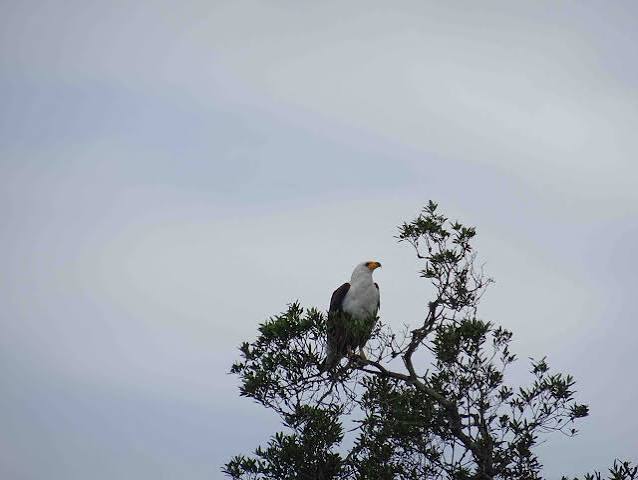
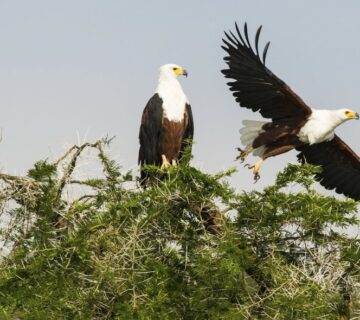
Maybe an African Fish Eagle swooped down over a lake. Came up with a fish in its talons. Maybe a Great Blue Turaco flew across the forest canopy, a burst of color, in the green. Perhaps you spent hours looking for a bird. Finally found it sitting quietly beside the road.. A simple stop turned into a surprise when a rare bird appeared out of nowhere.
These are the moments that give your blog its heart.
When writing From Checklist to Story: Turning Your East Africa Birding Trip Into a Blog ask yourself: Which of these moments would I tell a friend over dinner? That’s the story you should write.
Let East Africa Become Part of the Story
Birds are always part of the place they live. A good birding article must give readers a sense of the environment where the sightings took place.
East Africa offers a range of places. Uganda can take you from forests and papyrus wetlands to open savanna. Kenya mixes highland forests, Rift Valley lakes, dry country and coastal habitats. Tanzania shows everything from the Serengeti plains to montane forests and the wetlands around lakes. Rwanda fits a lot of habitats into a small area with forests, mountains, wetlands and grown lands all adding to its birdlife.
Use these environments as part of your narrative.
If you are writing a morning in Mabamba Swamp describe the movement through the wetland and the anticipation of seeing a Shoebill. If your story takes place in a forest explain how the dense vegetation changed the way you searched for birds. In a savanna setting describe how distant calls, open skies, scattered trees and grasslands shaped the experience.
The landscape gives bird sightings context.
Describe What You Actually Experienced
Specific details make travel writing feel real. Of saying that a place was beautiful explain what you saw.
Was the road rough after rain? Did the guide stop suddenly because of a call from the trees? Did you spend twenty minutes trying to locate a bird that remained hidden? Did a flock of weavers suddenly fill a tree beside your vehicle?
These small observations are more useful than descriptions.
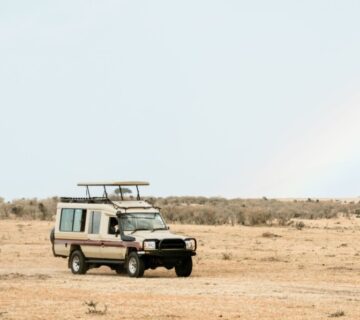
You can also include details without turning the article into a technical report. Mention the time you started the habitat you visited the type of transport you used and how long you stayed. If a particular location required patience say so. If an early start produced your sightings explain that.
Readers appreciate information they can use when planning their trips.
Give Your Local Guide a Place in the Story
A strong East Africa birding story often includes the people who made the experience possible. Local guides and naturalists notice details that visitors would miss. They know calls, habitats, seasonal patterns, trails and the behaviour of species in areas.
If your guide identified a bird from a call describe that moment. If they explained why a particular wetland attracts species include that information. If they knew where to look for a forest specialist explain how their knowledge changed your experience.
This also helps your article move beyond a checklist. It shows the knowledge and human effort behind wildlife experiences.
You can write From Checklist to Story Turning Your East Africa Birding Trip Into a Blog in a way that respects the destination and the people who helped you understand it.
Turn Moments Into Good Reading
Your best travel story does not have to make every part of the trip sound perfect. Challenges can make an article more believable and interesting.
Perhaps rain disrupted your plans. Maybe a road took longer than expected. You could have searched for a target species without success. Sometimes the bird you wanted most never appeared.
Include those experiences.
A failed sighting can still become a part of the story. Explain what you learned from the experience. Perhaps you discovered that birding requires flexibility. Maybe you realised that another species became more memorable because your expected target remained hidden.
Honest writing creates connections, with readers because real trips rarely follow a perfect schedule.
Show the Small Birds
Large and uncommon species naturally draw attention but small birds can add depth to your article. Sunbirds, cisticolas, larks, pipits, waxbills, bee‑eaters, weavers, kingfishers and barbets can show a lot about the places you visit.
Do not feel pressured to write every paragraph about a species.
Describe the birds that became part of your experience. A colourful sunbird near your lodge may have been easier to remember than a far‑away eagle. A flock of weavers building nests beside a road may have given you a lesson in behaviour.
Your story becomes richer when you let ordinary sightings sit next to the ones.
Use Your Checklist as the Framework
Your species list still has a role. It can help you organise the article and stop you from forgetting sightings.
Group species by location, habitat or memorable moment of simply listing them one after another. You might create sections, around forest birds, wetland species, savanna sightings and unexpected encounters.
For example a wetland section could mention herons, ibises, jacanas, kingfishers, storks and the Shoebill. A forest section might focus on turacos, barbets, flycatchers and other canopy species.
This approach keeps information while keeping the narrative readable.
Write for Someone Who Has Never Been There
Before publishing imagine that the reader has never visited East Africa. Would the reader understand where the bird was? Would the reader know why a particular habitat mattered? Could the reader picture the moment when the reader saw

No comment