
What Travelers Should Know Before Trying Bird Watching in Entebbe
Entebbe, sitting on a peninsula in Lake Victoria, offers surprisingly excellent birding for a destination many travelers associate primarily with the airport and gateway logistics, and understanding what to expect before your first Entebbe birding outing helps you make the most of this accessible, rewarding activity.
Why Entebbe Punches Above Its Weight for Birding
Entebbe’s combination of lakeside wetlands, the Botanical Gardens’ mature forest, and proximity to Mabamba Swamp gives birders access to a genuinely diverse range of habitats within a compact, easily navigable area, unusual for a destination many visitors treat purely as a transit point. This concentration of habitat diversity is precisely what makes Entebbe worth dedicated birding time rather than treating it as merely an airport stopover.
Mabamba Swamp and the Shoebill Stork
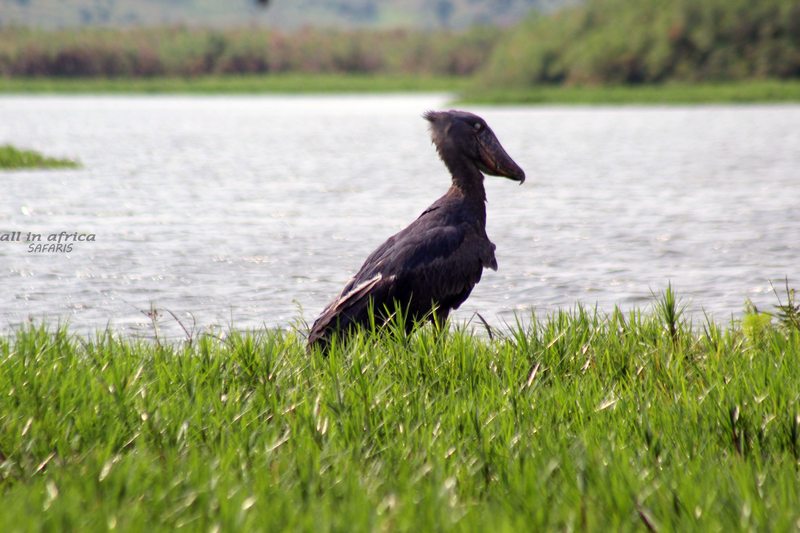
A short boat ride from Entebbe brings birders to Mabamba Swamp, one of the most reliable locations anywhere to spot the elusive shoebill stork, a genuinely bucket-list species for serious birders given its rarity and distinctive prehistoric appearance. Morning excursions typically offer the best shoebill sighting odds, since these birds tend to be most active and visible during cooler early hours before the day heats up.
The Botanical Gardens as an Accessible Birding Site
Entebbe Botanical Gardens, easily reached without a boat excursion, offers a calm, walkable environment hosting a genuine variety of forest and lakeside bird species, making it an excellent option for birders with limited time or those easing into birding without committing to a full swamp excursion. The gardens’ mature trees and varied plantings support species diversity that belies the site’s modest size.
What Equipment First-Time Entebbe Birders Should Bring
Quality binoculars remain the single most important piece of equipment for Entebbe birding, and travelers without their own should consider renting or purchasing a reasonable pair before their trip rather than relying on borrowed or shared equipment, which genuinely limits your ability to properly identify and enjoy sightings. A field guide specific to East African or Ugandan birds, whether physical or a reliable app-based version, adds considerable value to the experience.
Timing Your Birding for Best Results
Early morning, generally the first two to three hours after sunrise, consistently offers the most active bird behavior and best sighting opportunities across Entebbe’s various birding sites, while midday heat tends to reduce visible activity considerably. Planning your birding excursions around this early window, even if it means an early start, meaningfully improves your results.
Hiring a Local Birding Guide
Given how much local knowledge affects successful bird identification and location, particularly for specialty species like the shoebill, hiring an experienced local birding guide for at least your Mabamba Swamp excursion genuinely transforms the experience compared to attempting independent exploration. Guides know current reliable spots for specific species and can identify calls and distant silhouettes that first-time visitors would likely miss entirely.
What Species to Realistically Expect
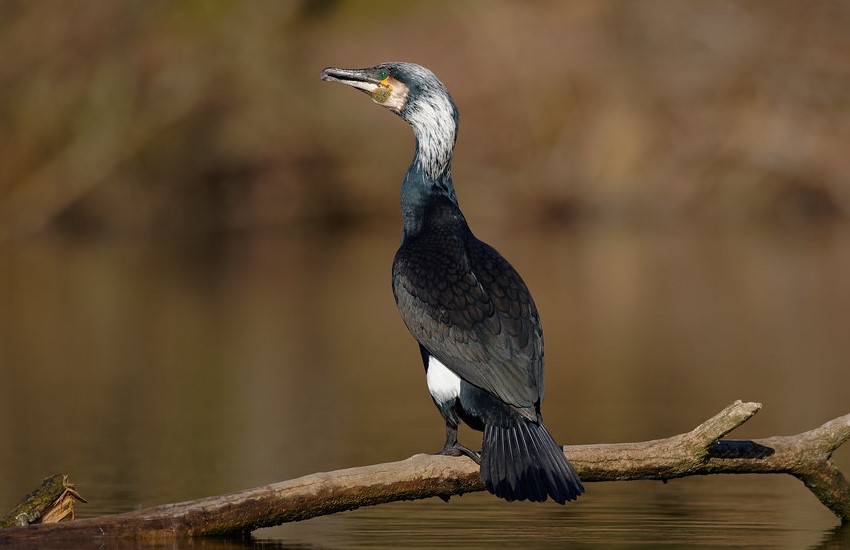
Beyond the shoebill, Entebbe birders can reasonably expect to encounter African fish eagles, various kingfisher species, herons, and numerous smaller songbirds throughout the Botanical Gardens and lakeshore areas, giving even a single day of dedicated birding a genuinely rewarding species count. Setting realistic expectations, rather than assuming every excursion guarantees rare species, helps maintain enjoyment even on quieter birding days.
Combining Birding With Other Entebbe Activities
Many travelers combine Entebbe birding with other activities like the Uganda Wildlife Education Centre or a Lake Victoria boat cruise, and given Entebbe’s compact geography, this combination works well within a single day or a short multi-day stay without excessive additional travel time between activities.
Weather Considerations for Birding Excursions
Entebbe’s tropical climate means rain can arrive with relatively little warning, and birders should pack appropriate rain protection for both themselves and their equipment regardless of season, since sudden showers don’t necessarily follow the broader seasonal patterns predictably. Overcast conditions, while sometimes disappointing for photography, don’t meaningfully reduce bird activity and can actually extend comfortable observation time compared to intense midday sun.
Photography Considerations for Birders
Birders hoping to photograph their sightings should bring a telephoto lens with sufficient reach, since many species, particularly around the swamp, remain at meaningful distances even during good sightings, and a lens shorter than 300mm often proves frustratingly inadequate for serious bird photography in this environment.
Physical Demands of Entebbe Birding
Entebbe birding remains genuinely accessible physically, with the Botanical Gardens offering flat, easy walking paths and Mabamba Swamp excursions conducted primarily from a boat rather than requiring difficult trekking, making this activity suitable for travelers of most fitness levels and ages compared to more demanding forest-based birding elsewhere in Uganda.
Best Time of Year for Entebbe Birding
While Entebbe offers worthwhile birding year-round given its resident species, certain migratory birds pass through during specific windows, and travelers with particular species interests should research current seasonal migration patterns relevant to their birding goals before finalizing trip dates.
How Entebbe Birding Fits Into a Broader Uganda Itinerary
Since most Uganda trips begin or end in Entebbe given the airport’s location, building in dedicated birding time here, rather than treating it purely as a transit stop, adds genuine value to travelers with any birding interest without requiring significant itinerary restructuring or additional travel days.
Common Beginner Mistakes to Avoid
First-time birders often move too quickly through prime habitat, talk at volumes that disturb wary species, or focus purely on photography rather than genuine observation, all habits experienced guides can help correct in real time. Slowing down, staying quiet, and simply watching before reaching for a camera consistently produces better sighting outcomes for newcomers to the activity.
Recording Your Sightings
Keeping a simple sightings log, whether a physical notebook or a birding app, adds genuine value to your Entebbe experience, helping you track species identified and building a record you can reference or share afterward. Many birders find this record-keeping habit deepens their engagement with the activity beyond the moment of each individual sighting.
Connecting With Uganda’s Broader Birding Community
Uganda hosts an active community of local and visiting birders, and connecting with local birding groups or forums before your trip can surface current information about specific species activity, recent notable sightings, and recommended guides beyond what general travel planning alone would reveal.
How Entebbe Compares to Uganda’s Other Premier Birding Sites
While destinations like Bwindi and Queen Elizabeth National Park offer their own exceptional birding, Entebbe’s accessibility and shorter time commitment make it a genuinely different proposition, ideal for travelers wanting a strong birding experience without dedicating multiple full days deep in a forest or savannah park.
Setting Realistic First-Trip Expectations
First-time Entebbe birders should approach their initial excursion with curiosity rather than a rigid checklist mentality, since even experienced birders don’t guarantee every target species on a single outing, and the broader experience of observing this accessible ecosystem holds value independent of any single sighting.
Making Entebbe Birding Part of a Longer Uganda Trip
For travelers whose Uganda trip extends well beyond Entebbe, treating this initial birding excursion as a warm introduction to the country’s exceptional bird diversity, rather than the trip’s birding highlight, sets realistic expectations for the even richer birding often awaiting in destinations like Bwindi, Kibale, or Queen Elizabeth National Park later in the itinerary.
A Final Word for First-Timers
Approaching Entebbe birding with patience, the right basic equipment, and a knowledgeable local guide for your key excursions consistently produces a genuinely rewarding introduction to Uganda’s birdlife, setting a strong foundation for any further birding you pursue elsewhere in the country.
Why This Overlooked Activity Deserves More Attention
Given how many travelers pass through Entebbe purely as a transit point, dedicating even a single half-day to genuine birding here represents a meaningfully underused opportunity, one that rewards the modest time investment with experiences, like a shoebill sighting, that many visitors elsewhere in Africa never get the chance to encounter.
What Makes a Shoebill Sighting So Special
The shoebill’s distinctive prehistoric appearance, near-motionless hunting style, and genuine rarity across its African range combine to make even a brief sighting a memorable highlight, and birders who understand this species’ significance before their trip tend to approach the Mabamba excursion with heightened, well-placed anticipation.
Bringing Your Excursion Full Circle
Whether your Entebbe birding excursion becomes a genuine highlight or simply a pleasant introduction to Uganda’s birdlife, arriving prepared with the right equipment, timing, and mindset transforms it from a passive activity into an actively rewarding start to your broader trip.
One Final Reminder Before You Go
Confirming your excursion timing, guide arrangements, and equipment needs a few days before departure, rather than assuming everything will simply come together on the day, remains the single easiest way to ensure your Entebbe birding outing actually delivers on its considerable promise.
Planning Your Entebbe Birding Excursion
Entebbe offers some of Uganda’s most accessible, rewarding birding, especially for travelers hoping to spot the elusive shoebill stork. All in Africa Safaris can arrange a guided Mabamba Swamp and Entebbe birding excursion, or you can get in touch to plan the details of your trip.

No comment