
How to Avoid Jet Lag on the Way to Jinja
Jinja sits along the shores of Lake Victoria and the source of the Nile, roughly two hours east of Kampala, and it’s a common stop for travelers combining adventure activities like whitewater rafting and bungee jumping with the rest of a Uganda safari itinerary. Getting to Jinja typically involves a long-haul international flight into Entebbe followed by an overland transfer, and managing jet lag across this journey matters more than many travelers expect, particularly given the adrenaline-heavy activities often planned soon after arrival.
Start Adjusting Before You Fly
Shifting your sleep schedule gradually in the days before departure, moving bedtime and wake time an hour or so closer to East African time each day, genuinely reduces the adjustment your body needs to make once you land. This is more effective for travelers crossing several time zones to reach Uganda than trying to force an abrupt schedule change only after arrival, when fatigue and unfamiliar surroundings make adaptation harder.
Hydration During the Flight Matters More Than You Think
Cabin air on long-haul flights is notably dry, and dehydration measurably worsens jet lag symptoms, so drinking water consistently throughout the flight, rather than relying on the alcohol or coffee often served, gives your body a genuine advantage on arrival. Many experienced long-haul travelers set a personal rule of avoiding alcohol entirely on flights toward Uganda specifically because its dehydrating and sleep-disrupting effects compound the jet lag your body is already managing.
Strategic Sleep and Light Exposure on the Plane
Aligning your in-flight sleep with nighttime at your destination, rather than sleeping whenever you happen to feel tired, helps reset your body clock more efficiently, and an eye mask paired with noise-canceling headphones or earplugs makes this genuinely achievable on a crowded flight. Once you land, seeking natural daylight during Uganda’s daytime hours further reinforces this reset, since light exposure is one of the strongest signals your body uses to recalibrate its internal clock.
The Entebbe-to-Jinja Transfer Adds Its Own Fatigue
Even after managing jet lag from the international flight itself, the roughly two-hour overland transfer from Entebbe to Jinja adds a further layer of travel fatigue that’s easy to underestimate when planning your first day. Building in time to rest at your Jinja accommodation before diving into activities, rather than scheduling rafting or bungee jumping immediately upon arrival, gives your body a genuine chance to recover from the combined flight and transfer.
Why Scheduling Adventure Activities Later Helps
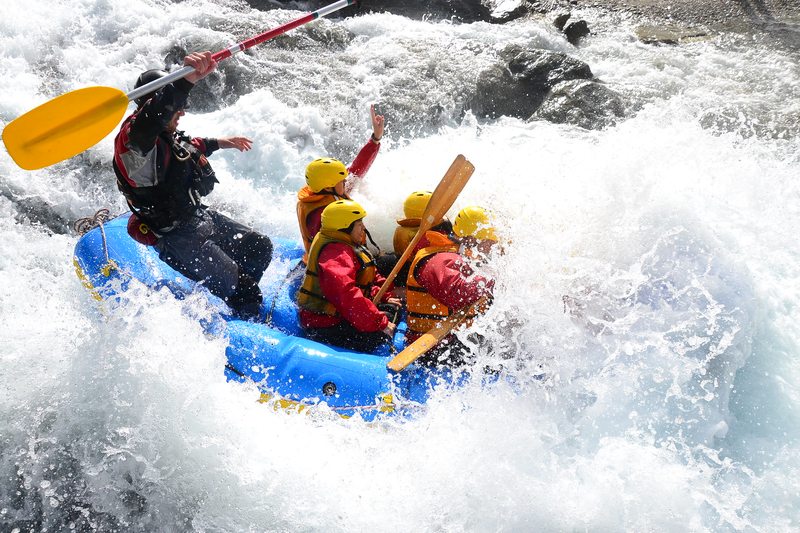
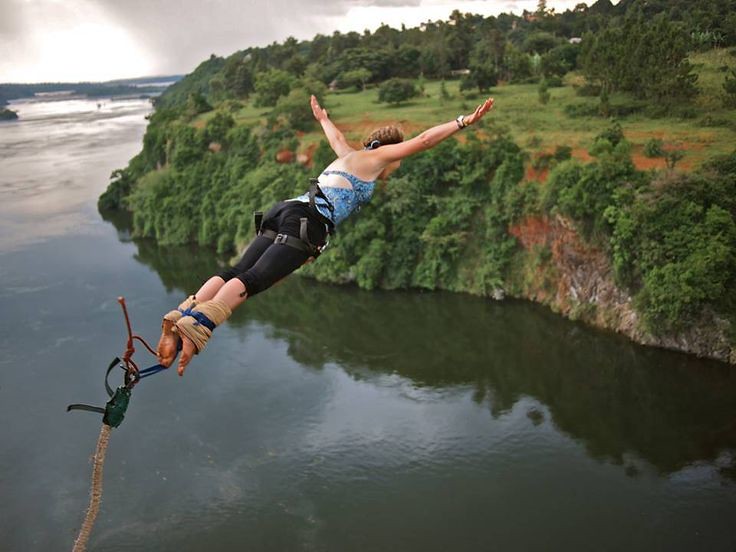
Whitewater rafting and bungee jumping both demand alertness and physical coordination that jet-lagged travelers simply don’t have in full supply during their first day or two in Uganda, and scheduling these activities for your second or third day in Jinja, rather than your arrival day, meaningfully improves both safety and enjoyment. Many tour operators in Jinja can accommodate this kind of flexible scheduling if you communicate your arrival timing clearly when booking.
Caffeine Timing Rather Than Avoidance
Rather than avoiding caffeine entirely, strategic timing works better for most travelers: a moderate dose in the local morning helps reinforce wakefulness at the right time, while avoiding caffeine in the afternoon and evening prevents it from disrupting your first proper night’s sleep in Uganda. This targeted approach tends to outperform either heavy reliance on caffeine or complete avoidance for travelers trying to reset quickly.
Managing Sleep Once You Reach Jinja
Resisting the urge to nap for long stretches during your first afternoon in Jinja, even when exhaustion hits hard, helps your body settle into the local sleep-wake cycle faster than repeatedly dozing throughout the day. A short nap of twenty to thirty minutes, if genuinely needed, causes far less disruption to your overnight sleep than a longer, deeper nap that leaves you wide awake at 2am local time.
Meal Timing Also Plays a Role
Eating meals aligned with local Uganda mealtimes, rather than your body’s original home time zone schedule, sends another useful signal that reinforces your circadian adjustment, and this is a genuinely underused tool compared to how much attention travelers give to sleep and light exposure alone. A proper breakfast at a normal East African morning hour, even if your body doesn’t feel hungry yet, helps nudge your internal clock into alignment.
Physical Movement Speeds Recovery
Light physical activity during your first days in Jinja, a gentle walk along the Nile or around your accommodation grounds rather than an intense workout, genuinely helps combat jet lag fatigue more effectively than staying sedentary. This also serves as useful preparation before tackling something as physically demanding as a full day of whitewater rafting once your body has had proper time to adjust.
Time Zone Difference From Common Departure Points
Uganda sits at East Africa Time, UTC+3, meaning the jet lag severity varies considerably depending on your departure point: travelers from Europe typically face a manageable one-to-three-hour shift, while those flying from North America or Australia contend with a much larger time difference requiring more deliberate adjustment strategies. Knowing your specific time zone gap in advance helps you calibrate how aggressively you need to pre-adjust before departure.
Building Flexibility Into Your First Jinja Days
Rather than scheduling a tightly packed itinerary starting the moment you arrive in Jinja, building in genuine flexibility for your first one to two days, allowing activities to shift later if jet lag hits harder than expected, protects both your enjoyment and your safety during physically demanding adventure activities. Tour operators experienced with international travelers generally understand and accommodate this kind of buffer without difficulty.
Melatonin and Other Supplements
Some travelers find short-term melatonin supplementation helpful for nudging their sleep schedule toward East Africa Time in the days immediately after arrival, though this is worth discussing with a doctor beforehand given individual variation in how people respond. Whatever approach you choose, consistency across the first few nights in Uganda matters more than the specific method, since a body clock reset genuinely takes several days regardless of the tools used to support it.
Why Jinja’s Activities Make Jet Lag Management Especially Worthwhile
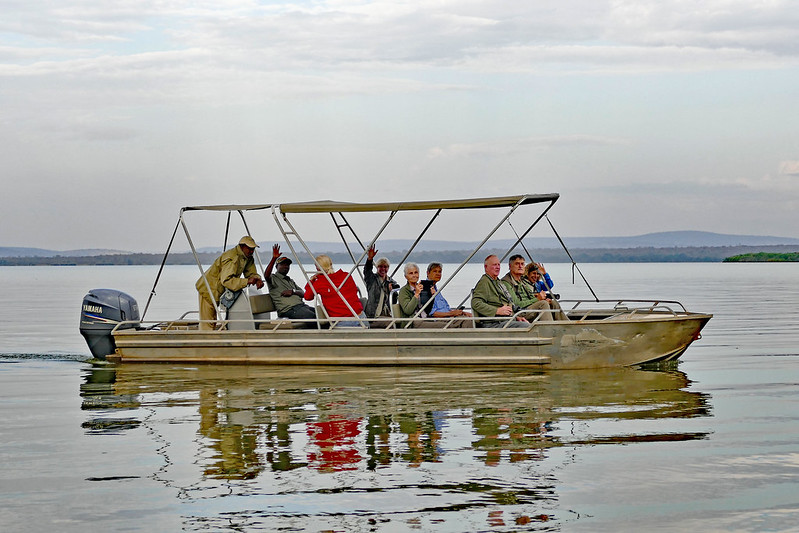
Because Jinja’s signature activities, whitewater rafting, bungee jumping, and Nile source boat trips, all demand genuine physical alertness and quick reaction times, the stakes of arriving poorly adjusted are meaningfully higher here than they would be for a purely sightseeing-focused destination. Travelers who take jet lag management seriously before and during their journey consistently report enjoying these adrenaline activities more fully once they actually take part.
Coordinating Jet Lag Recovery With Your Broader Uganda Itinerary
For travelers combining Jinja with a longer Uganda safari, it often makes sense to schedule Jinja’s higher-adrenaline activities a few days into the trip rather than immediately upon arrival, allowing earlier, gentler days elsewhere in the itinerary to double as jet lag recovery time. This kind of sequencing, planned deliberately rather than left to chance, tends to produce a noticeably smoother overall travel experience.
What Different Airlines and Routes Mean for Jet Lag
Direct flights into Entebbe, where available from your departure city, generally cause less cumulative fatigue than routes with multiple connections, simply because each additional layover adds its own disruption to sleep and meal timing on top of the core time zone shift. When a direct option isn’t available, choosing a routing with one longer, more restful layover over two rushed, shorter ones tends to leave travelers in noticeably better shape upon reaching Jinja.
Recovering From a Rough First Night
Even with careful preparation, some travelers still experience a genuinely difficult first night’s sleep in Uganda, waking in the middle of the night fully alert, and the best response is generally to avoid bright screens, keep the room dark, and try relaxation techniques rather than getting up and starting the day early. Accepting that full adjustment may take two or three nights rather than expecting an immediate fix helps manage frustration if the first night doesn’t go smoothly.
Jet Lag Differs From General Travel Fatigue
It’s worth distinguishing genuine jet lag, caused by your internal circadian rhythm being out of sync with local time, from simple travel fatigue caused by long hours in transit, since the two require somewhat different recovery approaches. Understanding which one you’re actually experiencing helps you choose the right response, whether that’s light exposure and schedule discipline for jet lag or simply rest and hydration for general fatigue.
Bringing These Strategies Together
No single tactic eliminates jet lag entirely, but combining pre-flight schedule shifting, in-flight hydration and light discipline, and a genuinely paced first few days in Jinja gives you the best realistic chance of feeling ready when it’s time to tackle the Nile’s rapids. Travelers who treat jet lag management as part of their trip planning, rather than an afterthought, consistently arrive in better shape for Jinja’s adventure activities.
Planning Your Journey to Jinja
A little preparation before and during your flight makes a genuine difference to how ready you feel for Jinja’s adventure activities once you arrive. All in Africa Safaris can build jet lag recovery time into your Jinja itinerary, or you can get in touch to plan your full Uganda arrival schedule.


No comment