
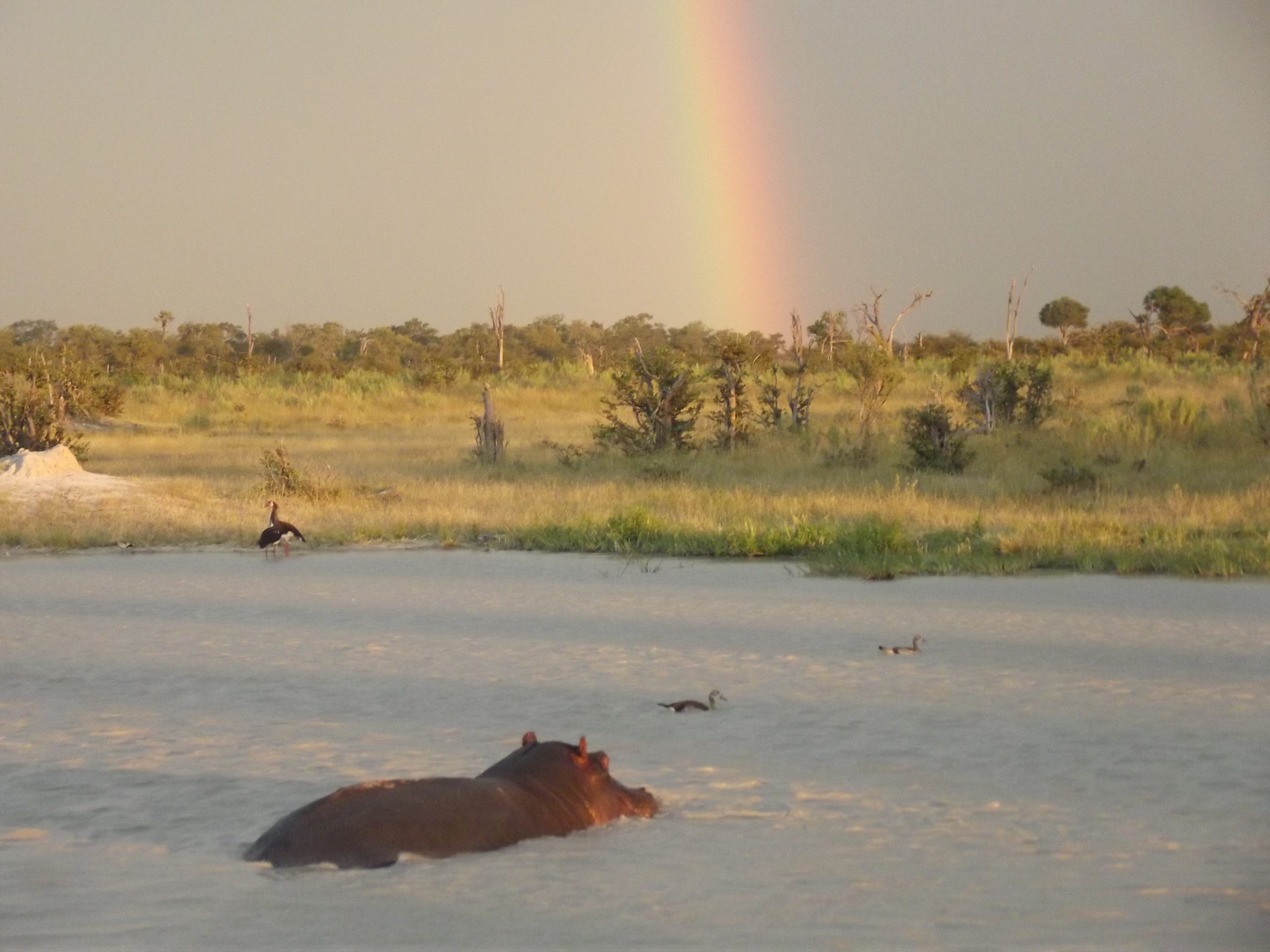
Dry Season vs Wet Season Birding: Which Is Better for You?
Birding in East Africa can change a lot depending on the season. The same wetland, forest, woodland or savanna may look very different when you visit in a month. The number of birds the plants, the water levels how easy it is to get the breeding activity and even how good your sightings are can all change between Dry Season and Wet Season. If you are planning a birding holiday in Uganda, Kenya, Rwanda or Tanzania knowing these differences can help you pick a trip that fits your interests and hopes. I have seen how the scenery changes.
The question of Dry Season vs Wet Season Birding: Which Is Better for You? has no answer that fits everyone. Both Dry Season and Wet Season give moments but each has its own strengths. The best choice depends on whether you want travel more focused wildlife, breeding displays, lush scenery, migrant species or a quieter time away from the busiest tourist periods. I have found that each season feels different.
Understanding East Africa’s Birding Seasons
East Africa does not have seasons like the temperate world. Of a clear summer and winter many places have alternating wet and dry periods. These seasons can differ from one country to another so you should always check weather before making a detailed plan.
In most of Uganda the land stays fairly green most of the year though rainfall changes road conditions, plant growth, water levels and bird behaviour. Kenya and Tanzania have dry periods in many areas while Rwandas highlands and forests can get a lot of rain.
Dry Season usually means rain, clearer skies and easier access to many spots. Wet Season brings plants, insects, flowers, nesting activity and a lot of food that can attract many birds.
Neither Dry Season nor Wet Season should be avoided. In fact picking the season can turn a normal birding holiday into an unforgettable adventure.
What Makes Dry Season Birding Special?
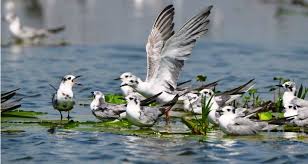
During Dry Season birds often become easier to find around the water sources that remain. Rivers, lakes, marshes, ponds and permanent wetlands can pull birds from areas. This gathering can make those habitats very productive.
Open landscapes are also easier to scan when grasses are shorter and the plants are sparser. Raptors may be easier to spot against skies while birds that live near water can move in more predictable ways. I love watching raptors.
For people who combine birding with a wildlife safari Dry Season can be especially nice. Large mammals often come together around water giving chances to see birds and other wildlife, on the game drive. Kenyas Maasai Mara, Tanzanias Serengeti, Ugandas Queen Elizabeth National Park and Lake Mburo can all offer experiences during drier times.
Easier Roads and Longer Outdoor Sessions
One of the practical advantages of the dry season is accessibility. Dirt roads are generally less muddy although conditions can still vary after rainfall. This makes it easier to reach birding locations and move between different habitats.
Dry weather can also make early morning excursions more comfortable from a perspective. You can spend hours outdoors without constantly adjusting your plans because of heavy rain.
Clearer conditions may also help with observation and photography. The softer morning light can create opportunities around wetlands and woodland edges while open skies can make distant birds easier to identify.
However dry does not always mean better. Vegetation can become dusty and brown some smaller water sources may disappear and certain species can become less active during the parts of the day.
Why the Wet Season Deserves Your Attention
If you are interested in bird behavior, breeding, colorful landscapes and seasonal abundance the wet season can be extraordinary. Rain stimulates plant growth. Increases insect activity providing birds with the resources they need for breeding and raising young.
Many species become more vocal and active during breeding periods. Courtship displays, nest building, territorial behavior and feeding activity can make familiar birds fascinating to watch.
The landscape itself can also become part of the experience. Grasslands turn green woodland areas become vibrant and wetlands may expand with water. The atmosphere can feel completely different from a dry-season visit.
For people who enjoy discovering changes Dry Season vs Wet Season Birding: Which Is Better for You? becomes a question of what kind of experience you want than which season is objectively superior.
Migratory Birds Arrive
One of the reasons to consider wet-season travel is the presence of Palearctic migrants. During the hemispheres colder months many birds move south to Africa in search of food and favorable conditions.
East Africa becomes a destination for numerous migratory species. Depending on your location and timing you may encounter warblers, raptors, waders, flycatchers and other visitors alongside resident African species.
This creates a mixture of familiar and unfamiliar birds. A single wetland can contain species that have lived in the region year-round alongside birds that have traveled thousands of kilometers to escape winter in Europe and Asia.
Dry Season vs Wet Season Birding: Which Is Better for You?
Your personal priorities should guide your decision. If you want road access, generally drier weather concentrated wildlife and comfortable safari conditions the dry season may suit you best. It is particularly attractive for first-time visitors who want to combine birding with wildlife experiences.
If you are fascinated by breeding behavior, lush scenery, insects, flowers and migratory birds the wet season may provide rewards. You may have to accept rain and more challenging roads but the biological activity can be remarkable.
There is also a ground. Shoulder periods between wet and dry seasons can offer an appealing balance. You may experience some rainfall while still enjoying accessibility and good bird activity.
Choosing the Right Destination
The best season can also depend on where you plan to go. Ugandas wetlands can remain productive throughout parts of the year with locations such as Mabamba Swamp offering opportunities to search for wetland specialists. Forest destinations such as Bwindi Impenetrable National Park and Kibale National Park offer an experience, where rainfall and forest conditions influence visibility and bird behavior.
In Kenya the Rift Valley lakes can provide waterbird experiences while savanna reserves offer opportunities to combine birding with mammals. Tanzanias northern circuit can be productive for both migratory birds depending on timing and location.
Rwanda also deserves attention. Its forests, wetlands, lakes and montane habitats support a range of species. The countrys compact size makes it possible to combine habitats within a relatively short itinerary.
When planning Dry Season vs Wet Season Birding: Which Is Better, for You? think beyond borders. Consider the habitats and species you want to see.
Match the Season to Your Target Species
Your list of birds you want to see should affect when you decide to travel. If your main goal is a wetland bird, a forest speciality, a bird of prey or a bird that moves from one place to another do some research about how that bird acts during different times of the year before you book your trip.
For instance a person who wants to see a bird that lives in areas might focus on the water levels and the way the environment looks instead of just choosing the time when it is the driest. A person who is interested in birds that move from one place to another might plan their trip around when those birds arrive and when they leave.
This way of thinking gives your trip a goal. Of wondering whether it is better to go when it is dry or wet in general you ask which time is best for the birds you really want to see.
Getting Ready for Wet and Dry Times
Being well prepared can make either time of year a time to go. When it is dry bring a lot of water to drink protection from the sun, light clothes and a hat. Dirt can be a problem on some paths so keeping your camera and binoculars safe is an idea.
When it is raining clothes that keep you dry and protection for your equipment become more important. Light rain gear can help a lot when you are outside for hours. Waterproof bags or covers can keep your binoculars, camera, notebook and other things safe.
Good shoes are important all year round. Trails in the season can be slippery and paths during the dry season can be dusty and rough.
Your ability to change plans also matters. Birding is not always predictable. The weather can change quickly. Giving yourself time in your trip gives you more chances to come back to good places when the weather gets better.
Making Your Birding Trip Special
The best birding trips often happen when you are ready to accept that nature does not follow a strict plan. You might plan to find a bird and instead see a group of birds a powerful hawk or a rare bird that is not usually there.
Morning is still one of the times to go out in any season. Birds are usually more active early in the day the temperature is often better. The changing light can make forests and wetlands look very nice.
Working with a guide who knows the area can also help your experience. Local knowledge can help you learn about how birds move recognize their sounds find the places to look and change your plans when the weather changes.
Importantly give yourself enough time. Moving quickly between places can make your trip less enjoyable. Spending time in one good place can show you much more than constantly going to the next spot.
Finding Your Best Birding Time
In the end Dry Season vs Wet Season Birding: Which Is Better for You? depends on the kind of trip you want. The dry season might offer travel, animals that are gathered together clear views and good chances to do birding and also go on a safari. The wet season might bring areas, birds that are having babies, more food and birds that are moving from other places.
If you have a chance seeing both seasons can help you understand more about the birds in East Africa. You will see how rain affects the places where birds live how birds react to food sources and how the land changes over time.
The important thing is to pick your time on purpose. Think about the birds you want to see the places you like how rain you can handle, how you like to travel and how much you like other animals. Then make your trip based on these things.
There is something about seeing a bird move through an East African area that has been shaped by rain the sun, moving birds and survival. Whether you are standing by a wetland in the morning or walking through a forest after it has rained each season has its own story. Dry Season vs Wet Season Birding: Which Is Better for You? The answer could be, in the place the bird you hope to see and the kind of experience you want to remember.


No comment