Where Wildlife and Rural Life Meet(Zebras Grazing Beside the Old Farm Fence)
Across many parts of Africa, national parks, wildlife conservancies, cattle ranches, and farming communities exist side by side. The boundaries between these landscapes are not always obvious to the animals that move through them. While humans rely on fences to define ownership or protect crops and livestock, zebras simply follow the availability of fresh grass, water, and safe grazing areas. This often leads to one of the most interesting safari scenes: a herd of zebras calmly grazing beside an old farm fence.
To some visitors, the sight seems unusual. A weathered fence surrounded by wild animals appears to represent two different worlds. Yet throughout eastern and southern Africa, this is a familiar scene. The fence tells a story of people who have lived and worked on the land, while the zebras represent wildlife that has occupied these grasslands for thousands of years. Together, they illustrate the ongoing relationship between conservation, agriculture, and the natural environment.
For photographers, safari guides, and nature lovers, zebras grazing beside an old farm fence provide more than a beautiful image. They reveal how landscapes continue to evolve while wildlife adapts to changing conditions.
The History Behind Old Farm Fences
Many of the old fences found near protected areas were built decades ago. Some marked the boundaries of family farms, while others enclosed cattle ranches or separated grazing land from cultivated fields. Wooden fence posts were often cut from local trees, and wire was stretched between them to create simple but effective barriers.
Over time, these fences aged alongside the landscape. Rain, intense sunlight, termites, and seasonal floods weakened wooden posts. Rust gradually covered the metal wire, while sections collapsed after years of use. In many places, farms changed ownership or were abandoned altogether, leaving behind fences that slowly became part of the surrounding environment.
Although people may no longer actively maintain them, these old structures remain visible reminders of the area’s agricultural history. Some have become landmarks that local guides use to describe wildlife locations or historical events.
Why Zebras Graze Near Farm Boundaries
Unlike livestock, zebras do not recognize property boundaries. Their movements are guided almost entirely by the availability of food, water, and safety. If nutritious grass grows along an old fence line, zebras will happily feed there regardless of why the fence was originally built.
Fence lines often support healthy grass because surrounding vegetation is cleared periodically or receives more sunlight than densely vegetated areas. In abandoned farmland, grazing pressure from domestic animals may disappear completely, allowing fresh grass to grow during the rainy season.
This creates ideal feeding conditions for zebras. Small family groups may arrive first, followed by neighboring herds that have discovered the same productive grazing area. Before long, dozens of zebras may be feeding peacefully beside a fence that no longer serves its original purpose.
The Daily Routine of a Grazing Herd
Early morning is one of the busiest times for zebras. After spending the cooler hours of the night moving and feeding, they continue grazing as the sun rises. The soft morning light reveals every stripe clearly, making this one of the best times for wildlife photography.
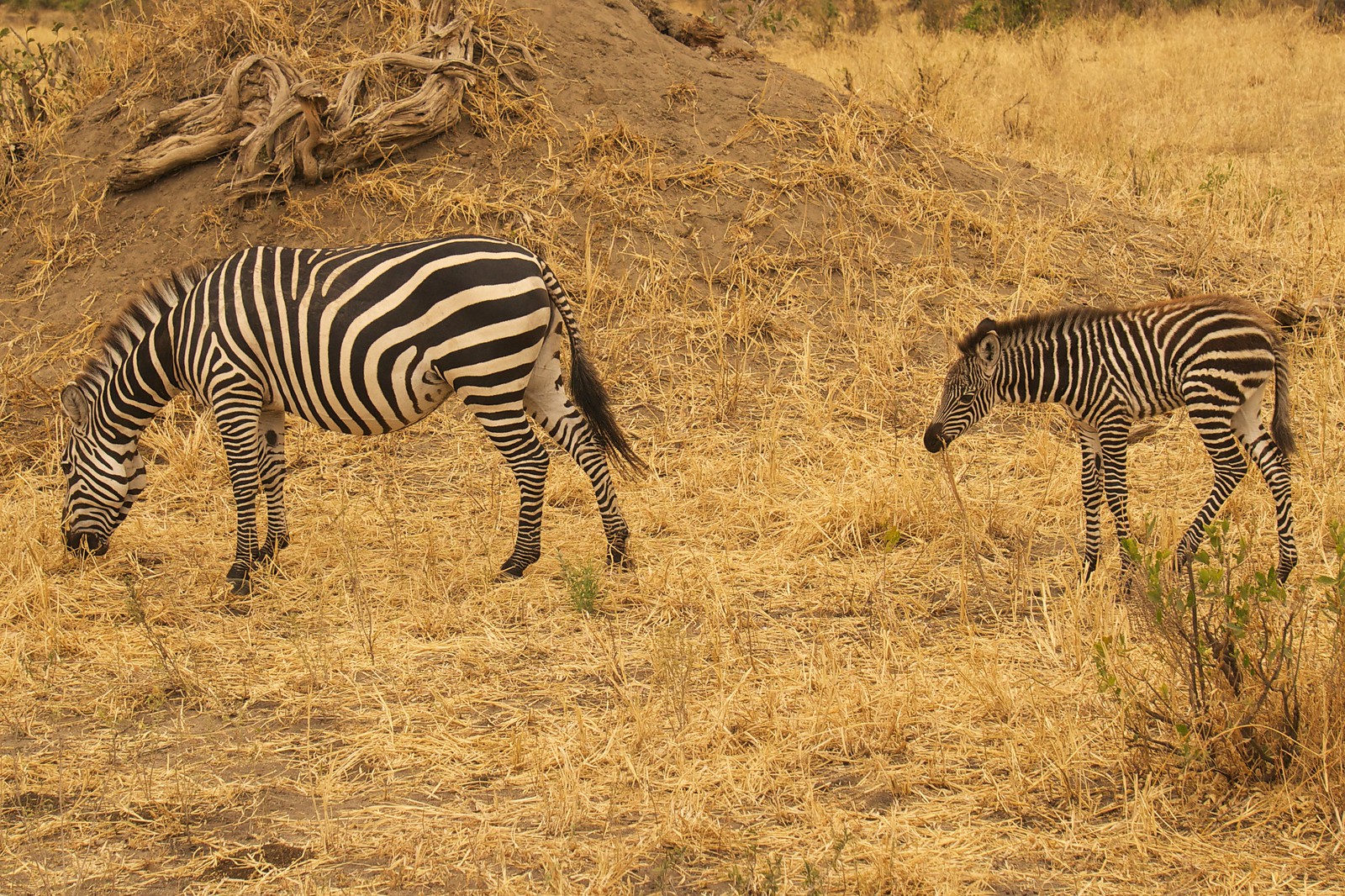
Mares lower their heads almost continuously, cropping short grasses with powerful front teeth. Foals stay close to their mothers while occasionally stopping to play with youngsters from neighboring families. They chase each other through the grass, kick their heels into the air, and return quickly whenever their mothers move.
The stallion usually remains the most alert member of the family. Although he grazes with the others, he regularly lifts his head to scan the surrounding area. His ears rotate constantly as he listens for unusual sounds. A sudden movement in nearby bushes or the distant call of a baboon can instantly change the herd’s behavior.
If danger appears, the stallion gives an alarm call, prompting the entire family to gather before moving away together.
An Old Fence Creates Interesting Wildlife Habitats
Although fences were built for farming, they often become useful features for many wild animals.
Birds frequently use fence posts as lookout points. Species such as shrikes, rollers, bee eaters, and drongos perch quietly while watching for insects flying above the grass. Raptors occasionally use higher posts to search for rodents moving below.
Small mammals also benefit from old fence lines. Hares may hide beneath fallen vegetation growing around the posts, while mongooses use the open areas to search for insects and reptiles.
Even reptiles find opportunities here. Lizards bask on sun warmed wooden posts, while snakes sometimes shelter beneath loose vegetation collected around old fencing materials.
As zebras graze nearby, the entire area becomes a busy ecosystem where many species interact within a relatively small space.
Oxpeckers and Zebra Partnerships
One of the most fascinating sights around grazing zebras is the presence of oxpeckers. These small birds spend much of the day riding on large mammals, searching for ticks and other parasites hidden in their coats.
A zebra standing beside an old fence may carry several oxpeckers on its back, neck, or shoulders. The birds move confidently through the animal’s mane and striped coat, picking insects from the skin.
The relationship benefits both species. The birds receive food, while the zebras have many external parasites removed. Although scientists continue studying every aspect of this partnership, safari visitors can easily observe the interaction throughout eastern and southern Africa.
Predators Still Watch From Nearby
Even peaceful grazing areas remain dangerous.
Lions understand that herbivores regularly visit productive grasslands and watering areas. If tall vegetation or scattered bushes surround an old fence, predators may use this cover while stalking unsuspecting prey.
Leopards occasionally hunt in similar areas, especially where woodland borders open grassland. Spotted hyenas patrol widely during both day and night, searching for opportunities to catch young or weakened animals.
Because of these threats, zebras never relax completely. At any moment, one individual lifts its head while others continue feeding. This constant vigilance allows the herd to detect danger earlier than a single animal could alone.
The striped pattern also becomes surprisingly effective during sudden escapes. As dozens of zebras run together, their moving stripes create visual confusion that makes it more difficult for predators to focus on one target.
Seasonal Changes Around the Fence
The appearance of an old farm fence changes dramatically throughout the year.
During the rainy season, green grasses quickly surround the fence posts. Wildflowers bloom among the vegetation, insects become abundant, and birds fill the area with calls. Zebras often spend long periods feeding because nutritious grass is widely available.
As the dry season progresses, the landscape becomes increasingly dusty. Many grasses turn golden brown, and only hardy plants remain green. Water sources shrink, forcing zebras to travel greater distances between feeding and drinking areas.
If the abandoned farmland continues producing fresh vegetation longer than surrounding grasslands, it becomes especially attractive to wildlife. Large numbers of zebras may gather there before continuing their seasonal movements.
Each season creates different photographic opportunities while demonstrating how wildlife constantly responds to environmental changes.
Living Alongside Farming Communities
In many African countries, wildlife shares landscapes with local communities. Farmers often see zebras grazing near their land, particularly where conservation areas border villages or ranches.
Most zebras cause little damage because they feed mainly on natural grasses rather than cultivated crops. However, occasional competition can occur where livestock and wildlife depend on the same grazing areas during prolonged droughts.
Many communities now participate in conservation programs that encourage wildlife protection while improving local livelihoods through tourism. Safari companies employ local guides, purchase food from nearby farmers, and support schools or health facilities, creating direct benefits from protecting wildlife.
This approach encourages people to value species such as zebras rather than viewing them as competitors.
Wildlife Friendly Fencing
Conservation has changed the way many modern fences are designed.
Older fencing often blocked natural migration routes or trapped animals attempting to cross. Today, conservation organizations work with governments and local communities to remove unnecessary barriers or replace them with wildlife friendly alternatives.
Some fences include specially designed gaps that allow zebras and antelope to move freely while still protecting livestock. Others are positioned to guide animals safely toward wildlife corridors connecting national parks and conservancies.
These improvements help maintain healthy wildlife populations by allowing seasonal movements that have occurred for thousands of years.
Photography Opportunities
An old farm fence adds character to wildlife photographs because it introduces an element of history into the composition.
Photographers often use the fence to create leading lines that draw attention toward grazing zebras. Early morning and late afternoon produce warm light that enhances both the weathered wood and the striking contrast of black and white stripes.
Wide angle images capture the relationship between the fence, surrounding landscape, and herd, while telephoto lenses isolate individual animals against blurred backgrounds.
Including both natural and human made elements tells a richer story than photographing wildlife alone. The resulting image reflects the changing relationship between conservation and land use across Africa.
Lessons From the Landscape
A herd of zebras grazing beside an old farm fence reminds visitors that landscapes are constantly changing. Areas once dominated by agriculture may gradually return to natural grassland, while wildlife adapts to opportunities created by these changes.
The fence represents human history, but the zebras show that nature remains resilient. They continue following ancient grazing routes, raising young, avoiding predators, and responding to seasonal rains regardless of the boundaries people have established.
For safari travelers, scenes like this encourage a broader understanding of conservation. Protecting wildlife involves more than preserving national parks. It also requires cooperation between communities, private landowners, conservation organizations, and governments to ensure that animals have enough space to survive.
Why This Sight Is Worth Remembering
Many safari memories come from dramatic predator hunts or massive wildlife migrations, but quieter moments often leave an equally lasting impression. Watching zebras graze peacefully beside an old farm fence allows you to appreciate details that are easy to overlook during faster paced game drives.
The weathered posts, rusted wire, fresh grass, grazing families, and distant sounds of birds combine to tell a story about coexistence. They demonstrate how wildlife and people have shaped the same landscapes for generations and how thoughtful conservation can help both continue to thrive.
The next time you encounter zebras feeding near an old fence, take a moment before reaching for your camera. Notice the patterns in their coats, the alert posture of the stallion, the playful movements of the foals, and the quiet presence of the old fence that has witnessed decades of change. Together, these elements create a scene that reflects both Africa’s natural heritage and its living history.