Saving the Shoebill: Uganda’s Quiet Conservation Battle
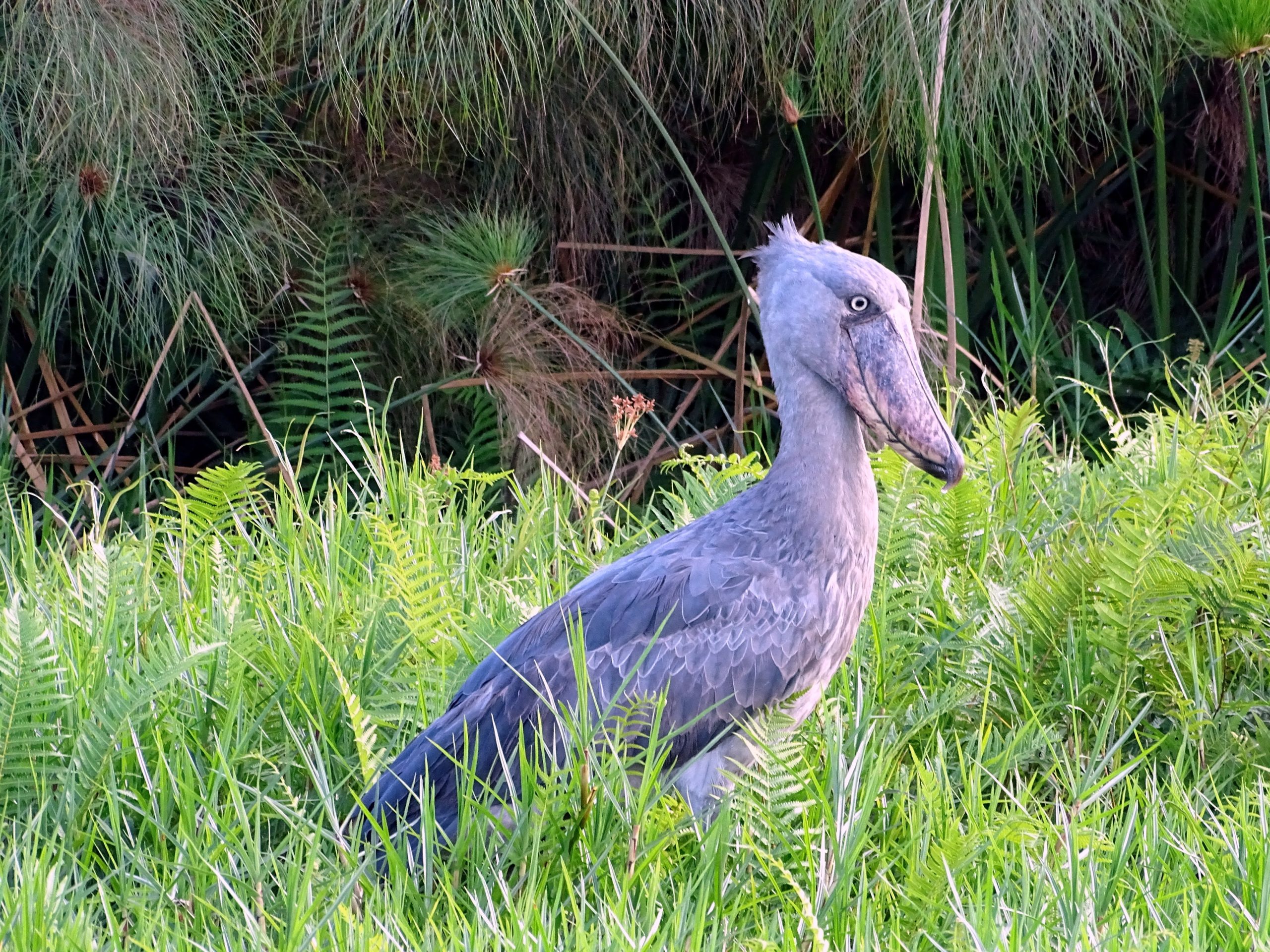
The African wetlands are home to a lot of wildlife stories. One of the most interesting stories is about the shoebill. This bird is really cool. It is very tall. Has a big shoe-shaped bill. The shoebill has become one of Uganda‘s loved natural treasures. People who like birds come from all over the world to see the shoebill. They want to see its bill, sharp eyes, and calm behavior. There is a lot more to the story of the shoebill than just seeing it.
The people who are working to save the shoebill are not doing it with campaigns or headlines. They are doing it every day in the marshes, villages, and offices. They are working together to protect the shoebill. This is a story about people who really care and are working hard to make a difference. They are showing that even small efforts can make a change.
The Shoebill’s Home Is Very Fragile
The shoebill needs wetlands to survive. The wetlands have everything the shoebill needs. Plants that the shoebill can nest in. Waters with lots of fish. Quiet areas where the shoebill can breed without being disturbed.
Uganda is lucky to have some important places where the shoebill lives. These places include Mabamba Swamp, Murchison Falls National Park and Lake Kyoga.
Mabamba Swamp is on the shores of Lake Victoria
Murchison Falls National Park is a national park
The Albert Nile is a river
Lake Kyoga is a lake with lots of wetlands
These wetlands may seem big and safe.. They are actually in danger. Every year some of the wetlands are destroyed. This happens when people drain the water to farm or build houses. It also happens when people take resources from the wetlands without permission. When the wetlands get smaller the shoebill loses its home and its food.
The shoebill is not like some birds that can live in cities or on farms. The shoebill needs a kind of home. If its home changes, a little bit the shoebill may not be able to have babies or may leave its home forever.
Why Wetlands Are Important For People Too
Protecting the wetlands is not about saving the shoebill. It is also about helping people. Healthy wetlands are good for millions of people in Uganda.
The wetlands help keep the water clean. They stop floods from happening during rains. They also help people who farm and fish by giving them water when they need it.
The wetlands also help reduce the effects of climate change. They store carbon, which’s good for the earth.
When the wetlands are destroyed people suffer. The water gets dirty there are fish and there are more floods. So saving the shoebills home is also good, for people. It helps both the birds and the people who live in Uganda.
The Threat of Illegal Wildlife Trade
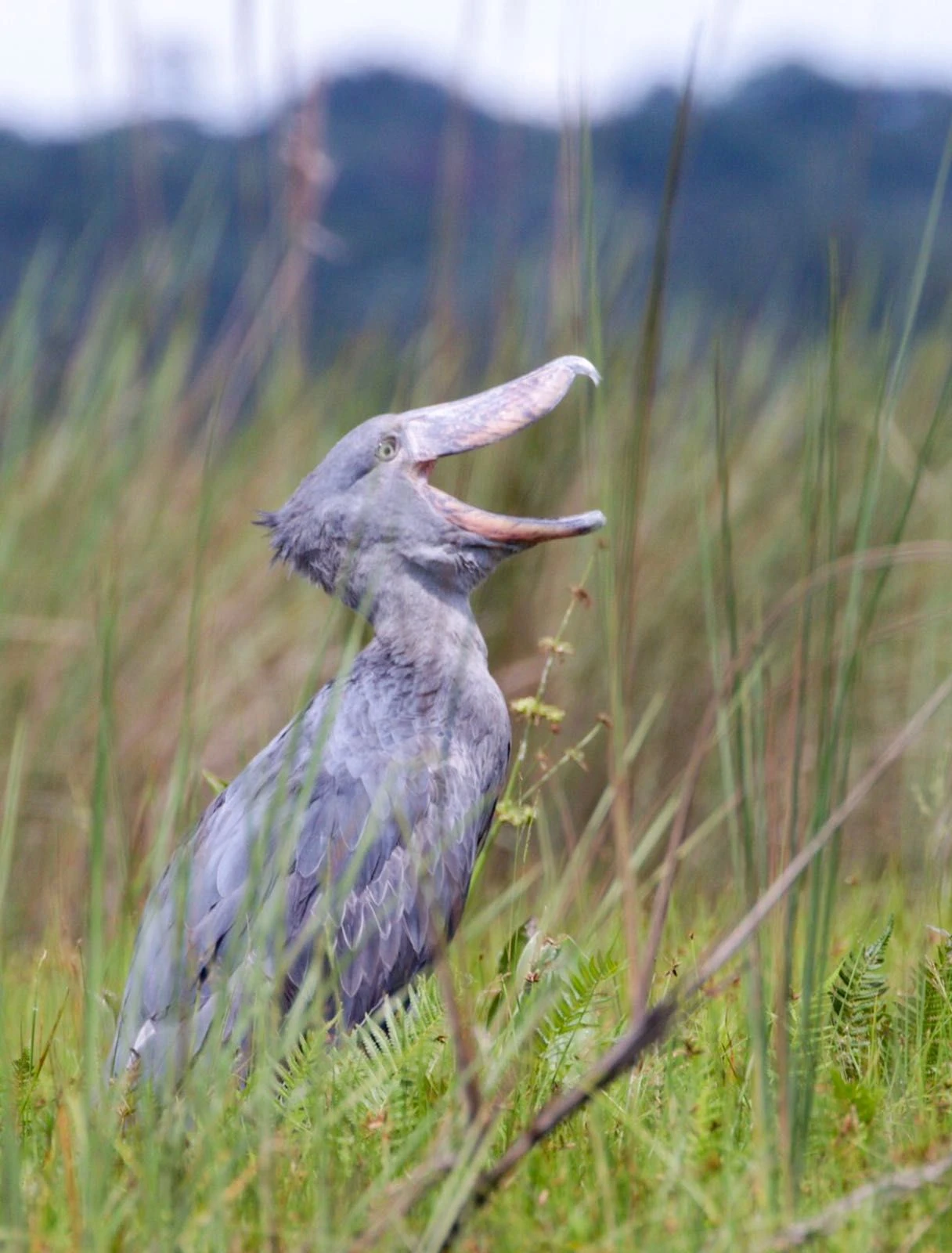
Shoebills are in trouble because of people who sell wild animals on the black market.
This is one of the dangers that shoebills face.
Shoebills are often targeted by these people. It is a huge problem.
People who collect birds are willing to pay a lot of money for young shoebill chicks.
When someone takes one chick from its parents it can be very bad for the shoebill population.
Shoebills do not have babies often so when one is taken it can be a big loss.
A pair of shoebills that are raising babies usually only raises one chick successfully.
The other babies do not survive because they fight with each other.
The parents take care of the surviving chick for a time before it can take care of itself.
Because shoebills have babies slowly it takes a long time for the population to recover when some are lost.
The people in charge of wildlife in Uganda are trying to stop animal trading by watching more closely and enforcing the laws.
Fishing Communities Becoming Conservation Partners
A time ago people who were trying to protect the environment did not always work with the local communities.
Now many people realize that the people who live near the wildlife are very important to protecting it.
Around Mabamba Swamp the local fishermen have become some of the helpers of the shoebill.
Many of these fishermen now give tours to people who want to see birds. They operate canoe businesses and ecotourism companies.
When people come to visit the shoebills they bring money that helps the families.
As more people come to visit the communities start to see that protecting the wetlands is a thing.
They can make money from tourism. This helps them want to protect the shoebills and their homes.
Now many people in the community see the shoebills as something not something that gets in the way.
Ecotourism Creates New Opportunities
Tourism that focuses on wildlife is becoming more and more important for protecting the shoebills.
Many birdwatchers come to Uganda just to see the shoebills in their home.
These visitors spend money on places to stay, transportation, guides, food and things to buy.
The money they spend helps the communities and the economy.
When communities benefit from tourism they are more likely to help protect the shoebills and their homes.
They tell people when they see something bad happening and they teach their children about why conservation’s important.
The shoebill becomes a symbol for protecting the ecosystem.
Research Helps Scientists Understand the Species
To protect the shoebills we need to know more about them.
Scientists are always studying the shoebills to learn more about their behavior, where they have babies what they eat and where they go during times of the year.
Every new thing they learn helps the people who are trying to protect the shoebills make decisions.
The scientists are careful when they visit the shoebills homes so they do not scare them.
They count how shoebills there are in different places and this helps them know if the population is growing or shrinking.
New technology, like GPS tracking helps the scientists learn more, about where the shoebills go and what they do.
This information helps them figure out which places are the important to protect so we can save the shoebills and their homes.
Rangers Work Behind the Scenes
Many conservation successes go unseen by people who visit.
Wildlife rangers walk through protected areas watch places answer reports of bad things happening and teach people who live nearby.
Their job usually means working hours in hard places where the weather is not good.
With not a lot of help these hardworking people are very important in keeping the animals in Uganda safe.
Their presence stops people from doing things while making friends between the people who protect nature and the people who live near it.
Communities Protect What They Value
Education has become one of the ways to help protect nature.
Schools near wetlands now teach children about the animals and plants in their area and how to take care of the environment. Meetings in the community explain why keeping wetlands safe is better than turning them into farmland.
When people learn how healthy nature helps fish, clean water trips to see animals and keeping the weather stable protection of nature becomes something everyone shares of something someone else asks for.
Many young people in Uganda now feel proud because they know their country protects one of the birds in the world.
This feeling of taking care of things makes real changes happen.
Climate Change Adds New Challenges
Climate change brings unsure things for wetland places.
Changes in how rain falls may change the water levels that shoebills need for catching fish. Longer times without rain can make fish fewer while much water can hurt places where the birds lay eggs.
Conservation plans now think about these changing conditions.
Keeping areas of wetlands connected helps shoebills move around as the water changes over time.
Healthy places are usually stronger than places that’re not healthy.
International Support Strengthens Local Efforts
Uganda is not alone in this work.
International groups that care about nature work with government workers, schools, bird groups and people who live nearby to make the places where animals live better and to learn more about them.
Money helps fix wetlands teach people train workers and watch how nature is doing.
These teamwork efforts mix the knowledge from around the world with the knowledge that people have had for years.
Together they make conservation work better than any single group could do alone.
Responsible Tourism Makes a Difference
People who visit have a part to play.
Birdwatching done the way does not bother the birds and helps conservation by bringing money from tourism.
Local guides who know the area well understand how to get close to shoebills without causing them stress. Keeping a distance lets the birds eat normally and gives people a great chance to see them.
Tourists can also help by choosing the guides acting properly in protected places not leaving trash and listening to what the guides say.
Small choices that are responsible add up to help keep things for a long time.
Wetland Restoration Brings Hope
Some places that are not doing well can get better if people start fixing them
Taking out plants that do not belong making water cleaner letting water move the way it used to and stopping water from being taken away let nature get better over time.
Fish numbers often get better as the places where they live improve. Plants that belong there come back making better places for animals to live and eat.
Even though fixing things takes time many wetlands show they can get better when given a chance.
Nature has an ability to get better when people stop doing bad things.
Every Individual Matters
Shoebill numbers are not as high as birds.
pair that successfully has babies makes a difference for the future.
nest that stays safe helps the babies live.
wetland that stays the way it is keeps home for animals.
the community that decides to protect nature helps the bird live longer.
These small wins add up to progress across the wetlands in Uganda.
Hope for Future Generations
The future of the shoebill depends on what people do today.
More money for protecting nature smart ways to visit, science keeping wetlands safe and working with people gives real reasons to be hopeful.
Young people in Uganda are starting to see wildlife as part of their country and as a way to make money. Teaching about nature is growing. Tourism shows that living animals can be more valuable than destroying their homes.
Saving the Shoebill: Ugandas Quiet Conservation Battle reminds us that good changes do not happen quickly. They grow from work leaders in the local area and people who decide to protect something bigger than themselves.
The time someone quietly watches a shoebill standing still among the papyrus in Uganda they see more, than a special bird. They see years of work the effort of the people who care and many small actions that made this moment possible.
In the end Saving the Shoebill: Ugandas Quiet Conservation Battle is a story of hope that comes from patience. It shows that taking care of nature does not always need actions. Sometimes it starts with a fisherman choosing to protect of take a worker doing another job a child learning about wetlands or a visitor supporting the right way to see animals. Together these quiet steps make sure that future people will keep seeing this amazing bird standing proudly in the wetlands it has lived in for thousands of years.