From Egg to Giant: The Shoebill Life Cycle
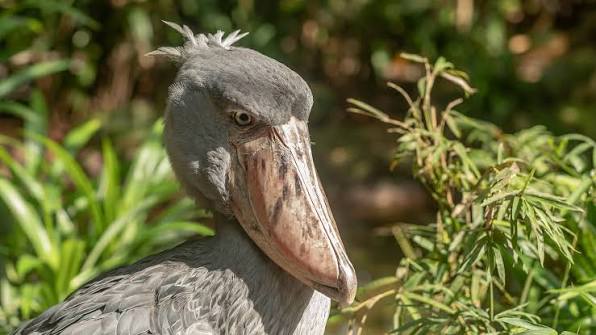
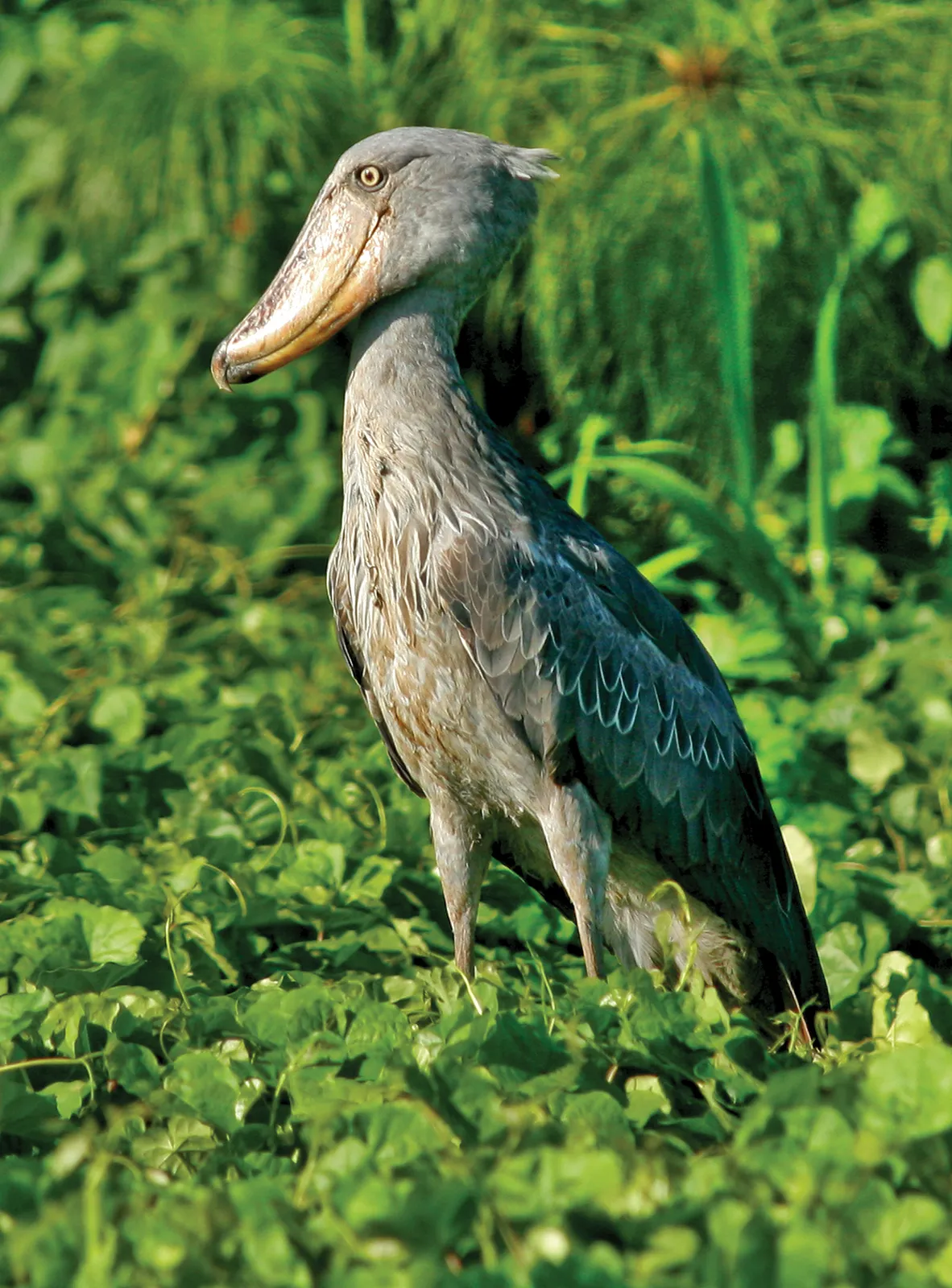
The shoebill is a cool bird in Africa. It is very tall, over four feet. Has a huge bill that looks like a shoe, and its eyes are very sharp. Every big shoebill starts its life in a small egg. The shoebill life cycle is a story about being patient, strong, and surviving in peaceful wetlands in Africa.
Every part of the shoebill’s life teaches us something. The shoebill does not grow up overnight. It takes time, care, and the ability to deal with problems. Watching the shoebill grow up reminds us that big things often start small.
The Hidden Beginning in Africa’s Wetlands
Shoebills live in freshwater swamps in East and Central Africa. One of the places to see shoebills is in Uganda‘s Mabamba Swamp. The swamp has lots of papyrus, shallow water, and floating plants, which are perfect for shoebills to build their nests, hunt, and raise their babies.
Shoebills like to be alone, not like some birds that live in groups. A pair of shoebills will have an area all to themselves where they can find food and be safe. This helps their babies grow up safely.
When it is time to have babies the pair of shoebills work together to build a nest. They use reeds, grass and plants from the water to make a floating nest. The nest is safe above the water, which keeps their babies safe from animals that might hurt them.
This is the start of the life cycle, where the parents get everything ready for their babies.
Courtship Builds Partnerships
A Careful Choice of Mate
When shoebills fall in love it is very calm and quiet. The pair talks to each other by bowing, moving slowly and making noise with their bills. This helps them become close before they start building their nest.
Shoebills do not have feathers or do fancy dances like some birds. They just take their time. Trust each other. They work together because they will both take care of their babies for a time.
When the pair of shoebills is close they start building their nest. Every time they add something to the nest it gets closer, to the time when they will have their babies.
The Egg Stage
Female shoebills usually lay one to three eggs. The eggs are large, pale and carefully arranged within the nest. Both parents share incubation duties taking turns protecting the eggs while the other searches for food.
Incubation lasts for thirty days. During this period the adults constantly watch for danger. They rotate the eggs to ensure warmth and occasionally bring water to cool them during hot weather.
This remarkable behavior demonstrates how dedicated shoebill parents are. Every action increases the likelihood that least one chick will hatch successfully.
Strong winds, rains, predators and flooding all threaten the nest. With devoted parents survival is never guaranteed. Nature demands persistence.
The First Hatchling Appears
When the chick finally breaks through the shell it enters a world of challenges. Covered with gray down instead of feathers the newborn depends entirely on its parents.
The adults provide protection from predators and harsh weather while delivering caught prey. Small fish become the chicks meals gradually building its strength.
Although several eggs may hatch one chick often survives to adulthood. This is a process that occurs because food resources can be limited. The strongest chick usually receives the share of care and nourishment.
While this may seem harsh it reflects the realities of survival in ecosystems.
The earliest weeks are among the delicate stages in From Egg to Giant: The Shoebill Life Cycle, when every day presents new obstacles for the growing bird.
Rapid Physical Development
The young shoebill grows fast. With a supply of nutritious fish, lungfish, frogs and other aquatic prey its body begins to transform.
Its enormous bill gradually develops into the hunting tool that makes adult shoebills so successful. At first the bill appears oversized for the chicks body. Eventually the rest of the bird catches up.
New feathers slowly replace the down allowing better protection from changing weather. The legs become stronger enabling the bird to stand confidently within the nest.
Parents continue bringing food times each day carefully tearing prey into manageable pieces before feeding the chick.
Every week brings improvement. The chick becomes more alert, more active and increasingly curious about its surroundings.
Learning the Skills of Survival
growth alone is not enough. Young shoebills must also learn survival skills.
The parents demonstrate hunting behavior through example. The chick watches carefully as adults remain perfectly still before launching lightning- strikes at unsuspecting fish.
Observation becomes a teacher.
The young bird also develops balance, coordination and patience while exploring the nest. These abilities will later prove essential when hunting independently in marshes filled with prey.
Unlike fast-growing birds that leave the nest quickly shoebills spend an extended period developing their strength. This slower pace helps ensure they are prepared for life in the wild.
Every lesson learned during this stage builds confidence and increases the likelihood of long-term survival.
Preparing for Independence
As months pass the juvenile shoebill becomes nearly as tall as its parents although it still lacks the confidence and experience of an adult. Its feathers become more defined. Its wings grow powerful enough for short practice flights.
These first flights are awkward but exciting. They mark the beginning of independence.
The young bird gradually spends time exploring nearby marshes while still returning to its parents for food and protection.
With every landing and every hunting attempt it moves closer to adulthood.
The journey continues in Part 2 where the young shoebill becomes a master hunter reaches maturity faces the challenges of adulthood and completes From Egg to Giant: The Shoebill Life Cycle, with an inspiring conclusion.
Mastering the Art of Hunting
One of the milestones in a shoebills life is learning to hunt without help. While instinct is important experience is just as valuable. A young shoebill spends months improving its skills before becoming really good at hunting.
The bird often starts by practicing on animals. It stands quietly in water waiting for movement under the surface. This quiet way of waiting can take minutes or even longer. Then suddenly the shoebill moves with speed pushing its big bill into the water catching its target with a strong hit.
The bill does more than just catch food. Its sharp edges help hold fish while the hooked end makes it easier to catch animals that fight back. Before eating the shoebill shakes off plants and dirt making sure only the food stays.
These hunting lessons cannot be done quickly. Every time the bird catches something it gains confidence. Every time it misses it learns to change when and where it tries. Over time the young shoebill becomes a hunter able to catch lungfish, catfish, frogs, water snakes and even small reptiles.
This amazing change is another part of From Egg to Giant: The Shoebill Life Cycle, where patience becomes one of the birds best qualities.
Facing the Challenges of the Wild
Life becomes much harder once a shoebill leaves the safety of its parents. Every day brings choices that affect its survival.
Finding food is always important. Wetland conditions change all year. Water levels go up and down with the seasons. During times fish gather in smaller pools making good chances to hunt. During floods animals spread out more making it harder to find them.
Young shoebills also need to be careful. Even though adult shoebills have enemies because of their size, eggs and babies are at risk from monitor lizards, big birds, crocodiles and other animals. Young ones are safer than babies. Still need to avoid danger.
People also make things difficult. Wetland loss, farming, pollution and noise reduce places to live in parts of Africa. When swamps disappear shoebills lose both places to nest and places to eat.
Despite these problems the species keeps going because of protected wetlands and care from people. Every young bird that becomes an adult is a sign of hope for the future.
Developing Confidence
As months turn into years the young bird slowly gains the confidence that adult shoebills have.
Its actions become slow and controlled. Of using energy chasing food it waits for the right moment. This way of doing things helps save energy and makes hunting more successful.
The bird also learns where its home area is, finding places to catch fish and safe places to rest. Knowing the area helps it live longer and prepares it for the step in life.
Reaching Full Adulthood
Shoebills grow slowly compared to other birds. It takes three to four years before they are ready to have babies. By that time they have the look that people love to see.
An adult shoebill is between four and five feet tall with a wingspan of eight feet. Its gray feathers mix well with the wetland plants helping it hide while looking for food.
The big bill, which can be than nine inches long becomes one of the most famous parts of the bird. Along with legs and good eyes it lets the shoebill be the main hunter, in its wetland home.
Even though it looks strong being an adult brings duties. Mature birds need to find their space fight for good places to nest and eventually have babies of their own.
The cycle that started inside one egg is now ready to start.
Becoming a Parent
When a mature shoebill finds a mate that’s just right the whole process of having babies starts all over again.
The shoebill and its mate pick a spot in the marsh where there is a lot of food and not too many people around.
They work together to build a nest that floats on the water using sticks and plants that grow in the marsh.
The shoebill and its mate show us that working together is very important when it comes to taking care of their babies.
The shoebill and its mate take turns sitting on their eggs keeping their nest safe and feeding their babies after they hatch.
This way of taking care of their babies is one reason why shoebills have been able to survive even though they do not have a lot of babies.
Of having a lot of babies the shoebill and its mate spend a lot of time and energy making sure each baby has a good chance of growing up.
Watching a shoebill feed its baby is a reminder that being strong means taking care of others.
Even a big and powerful bird like the shoebill needs to be patient and take care of its baby if it wants it to grow up.
Lessons We Can Learn
The story of the shoebill teaches us things that we can use in our lives.
Every grown up shoebill was once a baby that needed its parents to take care of it.
The shoebill grew up slowly one day at a time not all once.
It got stronger and better because it kept trying even when things were hard.
Sometimes people want things to happen fast like getting a job or learning something new.
The shoebill shows us that good things take time.
The way the shoebill hunts for food also teaches us to be prepared.
Of just jumping into things the shoebill waits for the right moment to act.
This way the shoebill can make choices and get what it needs.
The shoebill also teaches us to be strong and keep going even when things are hard.
From the time it’s a tiny egg to the time it is a big bird the shoebill faces many challenges.
It keeps moving forward one step at a time.
Protecting the Next Generation
We need to help take care of the shoebill and its home so that it can have babies and they can grow up.
This means keeping the marshes and wetlands safe and clean.
When people visit the marshes and wetlands they can help by being respectful and not hurting the shoebill or its home.
This can also help people learn about the shoebill. Why it is important to take care of it.
The people who live near the marshes and wetlands can also help by being careful with the water and the land.
They can help keep the shoebill and its home safe by fishing in a way that does not hurt the environment and by not polluting.
If we all help we can make sure that the shoebill will be around for a time.
The story of the shoebill is not about a bird it is about being patient and strong.
The shoebill shows us that if we keep trying and do not give up we can accomplish things.
The shoebill grows up slowly one step at a time. It becomes a strong and powerful bird.
This is a lesson for us because it reminds us that good things take time and effort.
The shoebill is an example of how to be successful not just in the marshes and wetlands but, in our own lives.
So let us remember that every great thing starts with a beginning and that if we are patient and keep trying we can accomplish anything.