The Patience Game: Waiting Hours for One Shoebill Photo
Uganda has a lot of wildlife experiences. Standing in a swamp and waiting for a shoebill to show up is really something special. The shoebill is a unique bird. It likes it when people are quiet and patient. This bird has a cool look. It has a bill and moves very calmly. Because of this, a lot of birdwatchers and photographers want to see it when they visit Uganda.
Taking a wildlife photo is not easy. You can not just show up. Take a picture. You have to prepare in advance. You have to get up and wait for a long time. Sometimes you have to sit in a position. The weather can be bad too. When you finally get the shot, it is all worth it. The Patience Game: Waiting Hours for One Shoebill Photo is about how much work it takes to get a good picture of this amazing bird.
The shoebill does what it wants. It might stand still for a time. Then it might hide in the plants. Sometimes it goes to a place where you can not take a picture. This makes it hard to photograph. It is also what makes it so rewarding. When you wait for the shoebill, you start to appreciate the world. You learn to slow down and enjoy the moment.
Uganda’s Wetlands and The Patience Game: Waiting Hours for One Shoebill Photo
Uganda is a place to see shoebills. The country has a lot of wetlands, lakes, and swamps. Places like Mabamba Swamp and Murchison Falls National Park are home to these birds. The shoebill likes to live in these areas because they have everything it needs. The wetlands are full of plants, fish, and insects. The shoebill uses its bill to catch fish.
When photographers come to these places, they quickly learn that finding a shoebill is the start. The hard part is taking a picture. You have to know how the bird behaves. You have to guess what it will do next. You have to wait for the light.
A lot of visitors start looking for shoebills in the morning.
The wetlands are calm and quiet at this time. The birds are also more active. A small boat moves slowly through the water. The guides look carefully at the plants. It is very quiet. You can only hear the water, insects, and birds.
Everyone gets excited when they see a shoebill. The guide will. Say “look”. The shoebill might be standing still. It can be hard to see. Everyone on the boat is quiet. They do not want to scare the bird
Then you have to wait. This can take hours. Some photographers look through their cameras. Others just watch the bird. These moments are special. They help you connect with the bird. You have to respect the bird’s space. You can not just make it do what you want.
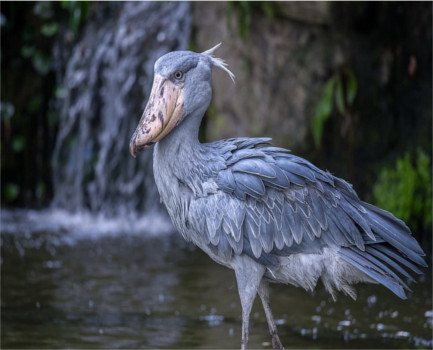
Understanding the Art Behind a Shoebill Photograph
A wildlife image is created through more than expensive equipment. While professional cameras and long lenses can improve image quality, patience and knowledge remain important tools.
Shoebill photography requires preparation before the trip even begins. Photographers study the bird’s habits, learn about its habitats, and choose equipment suitable for wetland conditions. Protective covers, batteries, and proper clothing are essential because swamp environments can be challenging.
Lighting also plays a role. The soft morning light often creates photographs with natural colors and clear details. Midday conditions can be harsh, making it harder to capture the bird’s features. A patient photographer understands that waiting for conditions can transform an ordinary picture into a powerful image.
Composition is another element.
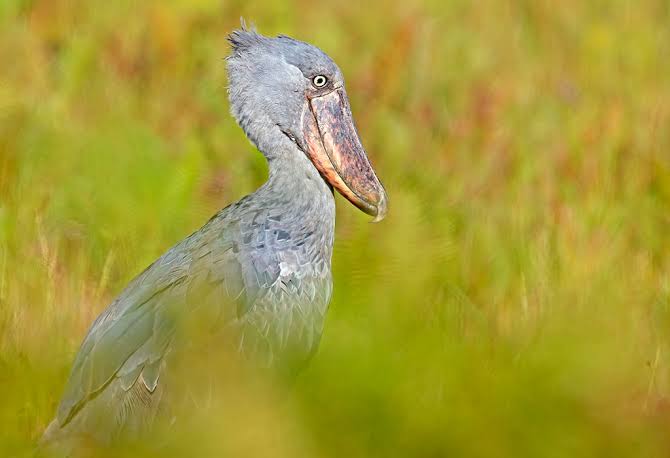
The shoebill’s large bill, eyes, and tall body shape create strong visual characteristics. A good photographer considers the background reflections on the water and the bird’s position within the frame.
Sometimes the best photographs are not action shots. A simple image of a shoebill standing quietly in the swamp can tell a story. It can show the bird’s personality, the beauty of its habitat and the importance of protecting these environments.
The experience also teaches photographers to accept uncertainty. Wildlife does not perform for cameras. A shoebill may fly away before the shot, remain hidden throughout the visit, or appear only briefly. These possibilities are part of the adventure.
The Patience Game: Waiting Hours for One Shoebill Photo in Uganda’s Wild Places
Every shoebill encounter carries a lesson about patience and appreciation. Unlike visiting a place where attractions operate at fixed times, wildlife experiences depend on behavior. The reward comes from being present. Accepting the unpredictability of nature.
Many travelers who visit Uganda’s wetlands remember the waiting as much as the photograph itself. Sitting quietly on a boat watching the movement of the swamp and sharing the moment with fellow nature lovers becomes a memory.
Guides play a role in making these experiences successful. Experienced local guides understand the wetlands, know where shoebills are commonly found, and recognize signs that reveal the presence of birds nearby. Their knowledge increases the chances of a sighting while ensuring visitors follow responsible wildlife viewing practices.
Responsible photography is essential when observing shoebills.
Visitors should avoid chasing birds, making noises, or getting too close. Protecting the bird and its habitat ensures future generations can enjoy the experience.
Shoebills face challenges caused by habitat destruction, changes in wetland conditions, and human activity. Supporting tourism helps contribute to conservation efforts. When visitors travel with respect, their experiences can help protect the areas where these birds survive.
The journey also changes the way people view photography. Instead of focusing only on the final picture, many photographers begin to value the entire process. The quiet moments, the anticipation, and the connection with nature become part of the story behind the image.
Preparing for a Shoebill Photography Adventure
If you want to take a picture of a shoebill, you need to get ready. You should wear comfortable clothes. You need shoes that can get wet. You should also have something to keep insects away and clothes that are right for the weather. This makes it easier to be in the wetlands for a time. You will probably have to get up, so you should make sure you get enough rest before you go.
Where you go is also important. A lot of people like to go to Mabamba Swamp because you can see shoebills easily, especially if you take a guided canoe trip. Some other places are harder to get to. They can be nice if you want to be alone.
A good photographer is patient.
Before you even go, you should practice with your camera. Learn about light. You should also learn about birds. This helps you feel more confident. When the perfect moment comes, you will be ready.
You should not just want to take a picture of a shoebill. You should also want to enjoy the experience. Seeing a shoebill is like connecting with Uganda’s nature. It makes memories that you will remember long after you leave the wetlands.
Waiting for a shoebill can take time.
It is not wasted time. You can. Learn while you wait. You will appreciate the shoebill more.
A picture of a shoebill is not a picture. It is about getting up, taking a quiet boat ride, and having a good guide. It is about being in a place and feeling connected to nature. The picture reminds you that good things come to people who’re willing to wait.
If you are traveling in Uganda, looking for a shoebill is a chance to be patient. It helps you slow down and listen. You will see that nature is beautiful. It does things at its own pace. The picture you take will be special because of everything that happened before you took it.