Trees as Medicine: Indigenous African Healing and Forest Plants
For thousands of years, African communities have relied on trees and forest plants to treat illnesses, promote wellness, and preserve traditional healing practices. Long before the development of modern pharmaceuticals, indigenous knowledge systems provided effective ways of using natural resources for healthcare. Across the continent, forests have served as living pharmacies, offering remedies for common ailments, chronic conditions, and nutritional deficiencies.
Today, many rural communities still depend on medicinal plants as an important part of their healthcare systems. The knowledge passed down through generations remains valuable not only from a cultural perspective but also from a scientific one. Modern medicine has benefited significantly from studying traditional plant-based remedies, many of which contain compounds with proven medicinal properties.
The connection between forests, traditional medicine, and community well-being highlights another important reason why conserving Africa’s forests matters.
The Importance of Indigenous Knowledge
Indigenous African healing practices are deeply rooted in centuries of observation and experience. Traditional healers often possess extensive knowledge about local ecosystems and understand which plants can be used safely and effectively for various purposes.
This knowledge is typically passed orally from one generation to another. In many communities, medicinal trees and plants are carefully identified, harvested sustainably, and prepared according to established practices.
Traditional medicine continues to play a major role in healthcare across Africa. According to estimates from international health organizations, a large proportion of the population in many African countries uses traditional medicine either alongside or in place of conventional healthcare services.
Protecting both forests and indigenous knowledge systems is essential for preserving this important cultural heritage.
Forests Are Natural Pharmacies
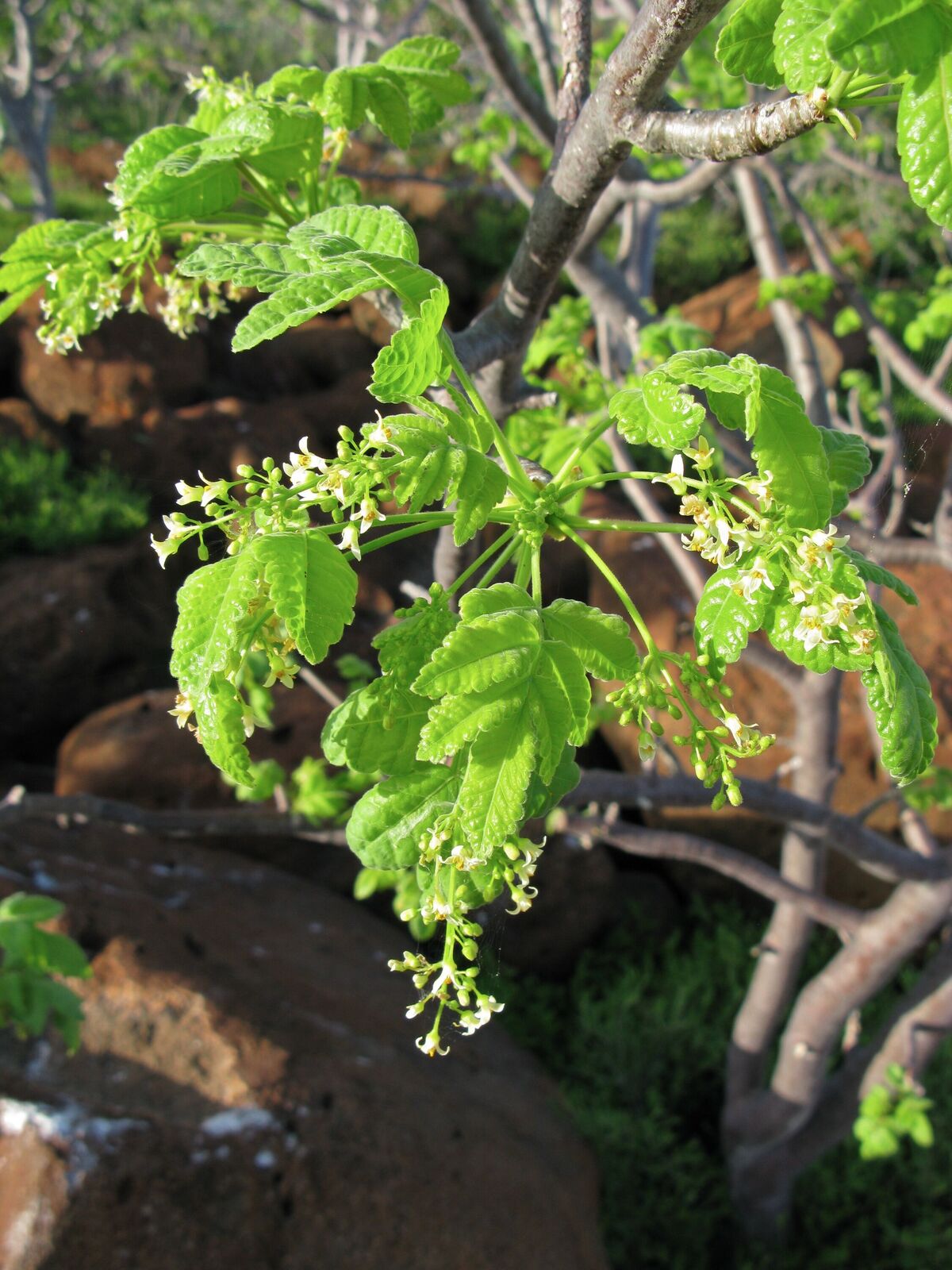
African forests contain an extraordinary diversity of medicinal plants. Tree bark, leaves, roots, fruits, seeds, and resins are used in various traditional remedies.
Medicinal plants have historically been used to address conditions such as fever, digestive problems, respiratory illnesses, skin infections, and inflammation. Some are valued for their nutritional benefits, while others are used in cultural and spiritual practices that form part of traditional healthcare systems.
Many modern pharmaceuticals originated from compounds first discovered in medicinal plants. Scientific research continues to explore African biodiversity in search of new treatments and therapeutic compounds.
Every forest ecosystem may contain species that have not yet been studied extensively by researchers. Protecting these environments therefore contributes to future scientific discoveries.
Medicinal Trees Found Across Africa
Several African tree species are widely recognized for their medicinal value.
The baobab tree is one of Africa’s most iconic examples. Its fruit is rich in vitamin C, antioxidants, and essential minerals. Various parts of the tree have traditionally been used in nutritional and medicinal applications across multiple countries.
The neem tree has become highly valued for its antibacterial and antifungal properties. Traditional remedies made from neem leaves and bark have been used for generations to support skin health and general hygiene practices.
The African cherry tree has attracted scientific interest because compounds extracted from its bark have been used in treatments related to prostate health. Sustainable harvesting practices are particularly important for species that face increasing commercial demand.
These examples demonstrate the remarkable medicinal diversity found within African forests.
Trees Support Community Healthcare
Access to modern healthcare services remains limited in some rural areas. Medicinal plants often provide affordable and accessible alternatives for local communities.
Traditional healers continue to play important roles in providing healthcare services and preserving cultural practices. Their knowledge contributes to community resilience, particularly in regions where healthcare infrastructure may be limited.
The use of medicinal plants should always be approached responsibly. Traditional remedies are most effective when used appropriately and should complement, rather than replace, professional medical advice when necessary.
Modern healthcare and traditional knowledge can coexist and contribute positively to community well-being.
Scientific Research Supports Traditional Knowledge
Scientific studies have increasingly confirmed the medicinal properties of numerous plants used in traditional African medicine.
Researchers have identified antimicrobial, anti-inflammatory, and antioxidant compounds in many forest species. These discoveries have contributed to pharmaceutical development and improved understanding of plant-based medicines.
Traditional knowledge frequently provides valuable starting points for scientific investigation. Indigenous communities have accumulated extensive ecological knowledge that can help researchers identify promising medicinal plants.
Collaborative approaches that respect traditional knowledge and ensure fair benefit-sharing are essential when conducting research involving indigenous resources.
Forest Conservation Protects Medical Resources
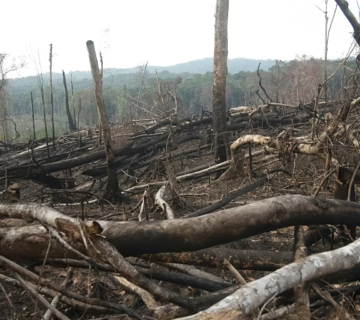
Deforestation threatens more than wildlife habitats. It also places valuable medicinal resources at risk.
When forests disappear, plant species may become endangered or extinct before their medicinal potential is fully understood. The loss of biodiversity represents a loss of both cultural heritage and scientific opportunity.
Many medicinal plants grow only within specific ecological conditions. Habitat destruction can therefore significantly reduce their populations and availability.
Forest conservation initiatives help preserve these important biological resources for future generations.
Sustainable Harvesting Practices
Medicinal plants must be harvested responsibly to ensure their long-term survival.
Unsustainable harvesting practices, particularly those involving tree bark or roots, can severely damage or kill individual plants. Community-based conservation programs increasingly promote sustainable harvesting techniques that allow medicinal species to regenerate naturally.
Cultivating medicinal plants outside protected forests may also help reduce pressure on wild populations.
Balancing conservation goals with community needs is essential for maintaining both biodiversity and traditional healthcare practices.
Cultural Significance of Medicinal Trees
Medicinal trees often hold important cultural and spiritual significance within African societies.
Certain species are associated with ceremonies, traditional beliefs, and community identity. Protecting these trees therefore contributes to preserving cultural heritage alongside biological diversity.
Traditional healing practices frequently emphasize the relationship between people and the natural environment. This perspective encourages sustainable resource use and recognizes the importance of environmental stewardship.
Respect for cultural traditions remains an important component of conservation efforts across many regions of Africa.
Medicinal Plants and Economic Opportunities
Medicinal plant products contribute to local economies through sustainable harvesting, cultivation, and trade.
Growing demand for natural health products has created opportunities for community-based enterprises that prioritize sustainable production methods. Proper regulation and ethical sourcing practices are essential to ensure that commercial activities do not threaten wild populations.
Supporting sustainable medicinal plant industries can provide income opportunities while encouraging forest conservation.
Local communities are often best positioned to manage these resources effectively when appropriate support systems are in place.
Challenges Facing Traditional Medicine
Despite its importance, traditional medicine faces several challenges.
Deforestation continues to reduce access to medicinal plant species. Younger generations may have fewer opportunities to learn traditional ecological knowledge as cultural practices evolve. Inadequate documentation of indigenous knowledge also increases the risk that valuable information may be lost over time.
Protecting both natural ecosystems and cultural traditions requires ongoing investment in education, research, and community engagement.
Policies that recognize and support traditional knowledge systems can contribute significantly to conservation and healthcare objectives.
The Future of Forest-Based Medicine
As scientific interest in natural products continues to grow, Africa’s forests are likely to remain important sources of medicinal discoveries. Protecting these ecosystems benefits both biodiversity conservation and public health.
Integrating traditional knowledge with scientific research offers exciting opportunities for developing sustainable healthcare solutions while respecting cultural heritage.
Communities, researchers, conservation organizations, and policymakers all have important roles to play in safeguarding medicinal plant resources for future generations.
Trees Are More Than Natural Resources
Trees provide food, shelter, clean air, and environmental stability. They also support healing traditions that have sustained African communities for centuries.
The medicinal value of forests reminds us that conservation is about far more than protecting landscapes. It is about preserving knowledge, supporting livelihoods, and maintaining the biological diversity that continues to benefit humanity in countless ways.
Every forest protected today may contain remedies that improve lives tomorrow. Conserving Africa’s trees means safeguarding not only ecosystems but also the rich cultural and medicinal heritage that grows within them.