How Forests Feed Communities: The Food Security Connection
When people think about forests, they often imagine wildlife, tourism, and climate conservation. While forests are essential for biodiversity and carbon storage, they also play a direct role in feeding millions of people across Africa. For many rural communities, forests are not simply landscapes filled with trees. They are living food systems that provide fruits, vegetables, nuts, honey, mushrooms, medicinal plants, and the environmental conditions necessary for successful farming.
Food security remains one of the biggest challenges facing many countries in Sub-Saharan Africa. Climate change, population growth, soil degradation, and unpredictable rainfall patterns continue to threaten agricultural production. Forests help address many of these challenges by supporting sustainable livelihoods and protecting the natural systems that agriculture depends upon.
The relationship between forests and food security is far deeper than most people realize. Healthy forests contribute to reliable water supplies, fertile soils, pollination services, and diverse food sources that improve both nutrition and household incomes.
What Is Food Security?
Food security exists when people have consistent access to sufficient, safe, and nutritious food that supports healthy and active lives. It is not only about producing enough food. It also involves food availability, accessibility, affordability, and nutritional quality.
Millions of households across Africa depend on agriculture for both income and daily nutrition. However, food security is closely tied to the health of surrounding ecosystems. When forests disappear, farming systems often become less productive and more vulnerable to environmental shocks.
Protecting forests is therefore an important part of improving food security for both present and future generations.
Forests Provide Food Directly
Forests supply a wide variety of edible products that support local communities throughout Africa. Wild fruits, nuts, mushrooms, leafy vegetables, and honey are regularly collected from forest ecosystems.
In many rural areas, these foods serve as important dietary supplements during periods when agricultural harvests are poor or food prices increase. Forest foods often provide essential vitamins and minerals that may otherwise be difficult to obtain.
Communities living near forests have traditionally relied on these resources for generations. Indigenous knowledge continues to play an important role in identifying sustainable harvesting practices and preserving valuable food species.
Forest products can become particularly important during droughts or other environmental crises when conventional crops fail.
Trees Support Agricultural Productivity
Forests influence agricultural production in numerous ways.
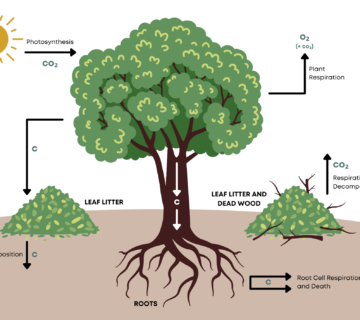
Trees help regulate local rainfall patterns by contributing moisture to the atmosphere through transpiration. They improve soil quality by adding organic matter and reducing erosion. Forested landscapes also help maintain groundwater supplies that support farming activities.
Without these ecological services, agricultural productivity can decline significantly.
Many farming communities benefit directly from nearby forests even if they do not harvest forest products themselves. Healthy ecosystems provide environmental conditions that support stable crop production throughout the year.
The connection between forests and agriculture highlights the importance of managing landscapes as integrated systems rather than treating farms and forests as separate entities.
Agroforestry Improves Food Security
Agroforestry is the practice of integrating trees with agricultural activities. It has emerged as one of the most effective approaches for improving food security in many African countries.
Farmers who incorporate trees into their fields often experience improved soil fertility, better water retention, and increased resilience to drought conditions. Certain tree species also produce fruits, nuts, or other products that can be consumed or sold for additional income.
Agroforestry systems can diversify household food supplies while reducing dependence on a single crop.
For example, a smallholder farmer may grow maize alongside nitrogen-fixing trees that improve soil health while producing edible fruits. This approach helps spread risk and increases overall productivity.
Forests Protect Water Sources
Reliable access to water is essential for food production.
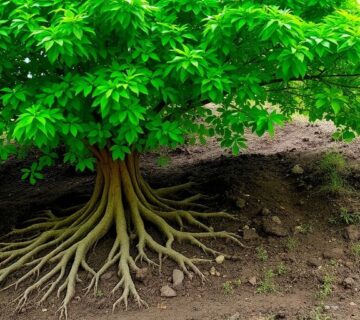
Forests play a critical role in protecting watersheds that supply water for irrigation, livestock, and household use. Tree roots improve water infiltration into the soil and help regulate river flows throughout the year.
Communities that depend on rain-fed agriculture are particularly vulnerable to changes in water availability. Deforestation frequently contributes to reduced water quality, increased erosion, and greater variability in stream flows.
Protecting forests upstream often benefits farming communities located far downstream.
Maintaining healthy watersheds is therefore an important investment in agricultural sustainability and food security.
Pollination Supports Crop Production
Many agricultural crops depend on pollinators such as bees, butterflies, birds, and bats.
Forests provide habitats for these pollinating species and contribute significantly to agricultural productivity. When forest habitats are lost, pollinator populations often decline, reducing crop yields for certain fruits, vegetables, and nuts.
Protecting biodiversity within forest ecosystems therefore supports food production beyond forest boundaries.
Farmers may not always recognize the role that nearby forests play in sustaining pollinator populations, but these ecological relationships are essential for many agricultural systems.
Forests Provide Emergency Food Resources
During periods of drought, conflict, or economic hardship, forests frequently serve as important safety nets for vulnerable communities.
Wild foods collected from forests can supplement household diets when agricultural production is disrupted. Forest resources may also provide opportunities for generating income through sustainable harvesting practices.
These emergency functions become increasingly important in regions affected by climate variability and environmental challenges.
Communities with access to healthy forests are often better equipped to cope with temporary food shortages than those living in heavily degraded landscapes.
Improving Nutrition
Food security is not simply about calories. Nutritional diversity is equally important.
Many forest foods are rich in essential nutrients that contribute to healthy diets. Fruits and leafy vegetables collected from forest ecosystems often provide vitamins and minerals that support child development and overall public health.
Dietary diversity remains an important component of food security strategies across Africa. Forest products can help address nutritional deficiencies that affect vulnerable populations.
Preserving traditional knowledge about edible forest species is therefore valuable from both cultural and nutritional perspectives.
Economic Benefits for Rural Communities
Forest products contribute significantly to household incomes in many parts of Africa.
Honey production, fruit harvesting, medicinal plants, and sustainably managed timber products all provide economic opportunities for local communities. Additional income can improve access to food, education, and healthcare services.
Community-based forest enterprises have demonstrated considerable potential for supporting sustainable development initiatives while encouraging conservation efforts.
When local populations benefit economically from protecting forests, conservation outcomes often improve substantially.
Climate Change and Food Security
Climate change is expected to increase pressures on agricultural systems throughout Africa.
Longer droughts, unpredictable rainfall patterns, and rising temperatures present significant challenges for food production. Forests improve resilience by moderating local climates and protecting natural resources that support farming activities.
Tree cover can reduce soil erosion, improve water retention, and create microclimates that benefit crops during periods of environmental stress.
Investments in forest restoration and sustainable land management therefore contribute directly to climate adaptation strategies.
Challenges Facing Forest-Dependent Communities
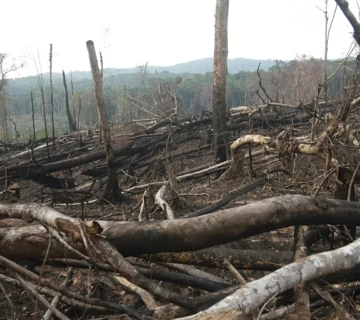
Despite their importance, forests across Africa continue to face significant threats from agricultural expansion, illegal logging, charcoal production, and infrastructure development.
Population growth and economic pressures often create difficult choices for communities seeking to balance conservation with immediate livelihood needs.
Successful food security strategies must recognize these realities and support sustainable approaches that benefit both people and ecosystems.
Providing alternative livelihood opportunities and improving agricultural productivity can help reduce pressure on remaining forest resources.
Sustainable Forest Management Matters
Protecting forests does not mean preventing communities from using them responsibly.
Sustainable forest management allows local populations to benefit from forest resources while ensuring that ecosystems remain productive for future generations. Community forestry programs have demonstrated that conservation and economic development can coexist when resources are managed effectively.
Supporting local participation in conservation initiatives often produces better environmental and social outcomes.
Long-term food security depends upon maintaining the natural systems that support agricultural production and human well-being.
Forests Are Part of the Food System
Modern discussions about food security frequently focus on agricultural production alone. However, forests should be recognized as essential components of broader food systems.
They supply food directly, support crop production indirectly, protect water resources, maintain biodiversity, and strengthen resilience against climate change.
Communities that conserve forests are often investing in their future food security. Likewise, efforts to improve agricultural productivity should consider the ecological services that forests provide.
The connection between forests and food security extends far beyond rural landscapes. Healthy forest ecosystems contribute to more stable food supplies, improved nutrition, and sustainable livelihoods for millions of people across Africa.
Protecting forests is therefore not only an environmental priority. It is also a practical and effective strategy for feeding communities today and safeguarding food resources for generations to come.