Where to see flamingos in Uganda.
Where to see flamingos in Uganda: Queen Elizabeth National Park is the best place to see flamingos on a safari in Uganda.
Are there flamingos in Uganda?
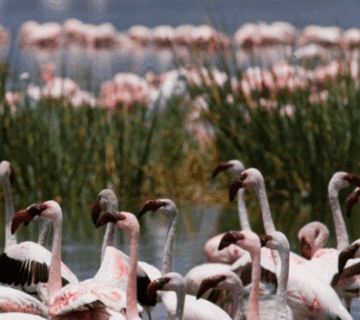
With more than 1078 bird species, Uganda is one of Africa’s best places to go bird watching. Given the abundance of Flamingos in East African nations, it is unclear if Flamingos are a species of bird in Uganda. Indeed, Uganda is home to Lesser Flamingos, which are sighted by Ugandan birding safari visitors at Lake Munyanyange in Queen Elizabeth National Park’s Katwe region.
Which Ugandan lake is well-known for its flamingo population? – Where are the flamingos located?
Ugandan birding safari visitors can spot the Lesser Flamingos at Lake Munyanyange in Queen Elizabeth National Park’s Katwe region. Northeast of Katwe (Salt Lake area) town is Lake Munyanyange, a small seasonal shallow crater lake. One of the greatest concentrations of lesser black-backed gulls, Larus fuscus, and other waders may be found in the lake, which is also a significant migratory bird habitat.
Birds such as the White Browed Robbin Chats, Flamingos, Desert Cisticolas, and many others migrate to Lake Munyanyange from as far away as Kenya and Canada. With over 600 different bird species, Queen Elizabeth National Park is a top safari location in Uganda for birdwatchers.
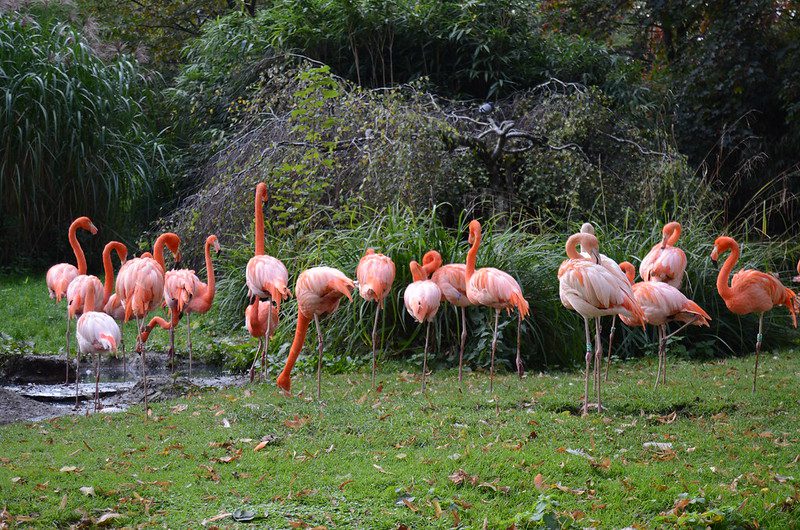
Uganda’s Lesser Flamingo
The Lesser Flamingo, scientifically known as Phoeniconaias minor, is one of the unusual bird species that Ugandan safari hunters investigate. The Lesser Flamingos are the only species in the Phoeniconaias genus and are known to flourish in sub-Saharan Africa and some regions of India.
Despite being the smallest of all the Flamingo species, the Lesser Flamingo is a huge, tall bird that is often seen on Ugandan bird-watching safaris. It is between 80 and 90 cm tall and weighs between 1.2 and 2.7 kilogram. The wingspan is comparable to the body length, which is 90 to 105 cm from the beak to the tail. The Lesser Flamingo has pinkish white feathers.
It mostly consumes algae found in alkaline lakes and spirulina, just like it does at Lake Munyanyange, a popular tourist site in Uganda. The lesser flamingos construct a 30-cm-long mud nest during breeding to keep the temperature cool and avoid flooding.
Every bird deposits a single, chalk-colored egg, which is incubated for twenty-eight (28) days by both parents in 24-hour shifts. After hatching, the grey chick eats its shell and is followed for a few months by the parents who feed it a watery soup. The girls quickly become part of the thousands of crèches.
The best time to visit Uganda to view flamingos
Palearctic migratory, these birds arrive in Lake Munyanyange in October and leave in April. The lake is where thousands of these birds relax. Since it gets muddy at one point in the year, making it harder for wild creatures to sift through and hunt them, it’s safe for them. The birds congregate in the center of the lake during this time.
The Katwe Explosion Crater in Queen Elizabeth National Park, located in the west of the country, is where ardent birdwatchers on Uganda tours can see the Lesser Flamingos. Tree climbing is one of the other famous activities in Queen Elizabeth National Park that you may see when you go on a safari in Uganda.
Other locations where the Lesser Flamingo can be found include saline crater lakes in South-Western Uganda, such as Kasenyi, Bagusa, Maseche, Nshenyi, and Nyamunuka. These locations are all in or close to the Queen Elizabeth Conservation Area.
Why Lake Munyanyange’s Seasonal Nature Matters for Sightings
Since Lake Munyanyange is a shallow, seasonal crater lake rather than a permanent water body, timing your visit to the October through April window when the flamingos are actually present matters considerably more here than at most other Ugandan birding sites. All in Africa Safaris can confirm current flamingo presence before finalizing your Queen Elizabeth itinerary.
Combining Flamingo Viewing With Queen Elizabeth’s Broader Birding Circuit
Given Queen Elizabeth National Park’s status as home to over 600 bird species, pairing a Lake Munyanyange flamingo visit with a Kazinga Channel boat cruise and the park’s other renowned birding spots builds a genuinely comprehensive birding day rather than a single isolated stop.
What Makes the Katwe Explosion Crater Area Worth the Detour
Beyond the flamingos themselves, the Katwe region’s volcanic crater landscape and its working salt lake add a genuinely distinct geological dimension to what might otherwise be a purely wildlife-focused stop within Queen Elizabeth National Park.
Photography Tips Specific to Flamingo Viewing
The Lesser Flamingo’s pale pink plumage photographs best in the soft light of early morning or late afternoon, while a telephoto lens helps capture detail without disturbing the birds, since maintaining a respectful distance matters considerably at this sensitive breeding and feeding site.
How Flamingo Viewing Fits Into a Broader Uganda Birding Itinerary
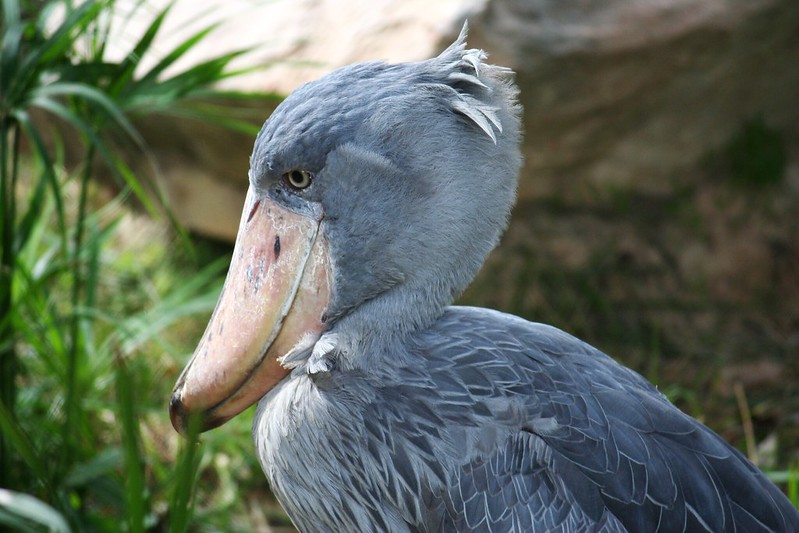
Serious birders often combine Lake Munyanyange with Uganda’s other renowned birding destinations, Semliki National Park, Mabamba Swamp’s shoebill stork, and Bwindi’s forest species, building a comprehensive Uganda birding circuit around several distinct habitat types. All in Africa Safaris can sequence this kind of multi-site birding itinerary.
Why the Lesser Flamingo’s Breeding Biology Is Worth Understanding
The species’ distinctive mud-nest construction and twenty-eight-day shared incubation period reflect genuine adaptations to the harsh, alkaline lake environments they favor, details that add meaningful context for travelers watching the birds in the field rather than simply photographing them.
Other Wildlife Worth Watching for Near Lake Munyanyange
Beyond the flamingos, the Katwe region’s saline lakes and surrounding grassland support a genuinely rich supporting cast, including the lesser black-backed gulls and wader species that share the lake’s shoreline, rewarding travelers who linger rather than rushing through.
Best Time of Day to Visit for Optimal Viewing
Early morning visits generally offer both cooler temperatures and more active bird behavior, making a dawn departure from your Queen Elizabeth lodge genuinely worthwhile for travelers prioritizing the best possible flamingo viewing experience.
Why Queen Elizabeth Remains Uganda’s Premier Flamingo Destination
Given that the handful of alternative saline crater lakes in South-Western Uganda, Kasenyi, Bagusa, Maseche among them, all sit within or near the same Queen Elizabeth Conservation Area, this single park effectively concentrates nearly all of Uganda’s realistic flamingo-viewing opportunities in one accessible destination. All in Africa Safaris can build your itinerary around this concentrated birding opportunity.
Getting to Queen Elizabeth National Park
Most travelers reach Queen Elizabeth via road from Kampala or as part of a broader western Uganda safari circuit connecting with Bwindi or Kibale Forest, making flamingo viewing a natural addition to an already-planned itinerary rather than a standalone trip. All in Africa Safaris can arrange transport and sequencing for this combined route.
What to Bring for a Successful Flamingo-Watching Outing
Binoculars, a telephoto camera lens, and sun protection cover the essentials, while a knowledgeable local guide familiar with the lake’s current bird activity considerably improves your odds of a rewarding sighting during your visit.
How Lake Munyanyange Compares to East Africa’s Other Flamingo Sites
While Kenya’s Lake Nakuru and Lake Bogoria draw far larger flamingo flocks and more international recognition, Uganda’s Lake Munyanyange offers a genuinely quieter, less crowded alternative for travelers who want a similar spectacle without the tourist volume associated with Kenya’s better-known soda lakes.
Why This Sighting Rewards Patient, Unhurried Travelers
Since flamingo numbers and exact positioning on the lake shift with water levels and season, travelers who build in unhurried time at the site rather than treating it as a quick photo stop consistently report considerably more rewarding sightings than those rushing through on a tight schedule.
Understanding the Conservation Importance of This Habitat
Lake Munyanyange’s role as a stopover for migratory birds arriving from as far as Kenya and Canada underscores its genuine ecological significance beyond simple tourist appeal, making responsible, low-impact visitation an important part of preserving this habitat for future migratory seasons.
Pairing Flamingo Viewing With a Kazinga Channel Cruise
Many travelers combine their Lake Munyanyange visit with a boat cruise along the nearby Kazinga Channel, pairing the flamingos’ delicate beauty with the channel’s more dramatic hippo and elephant sightings for a genuinely varied day of wildlife viewing. All in Africa Safaris can sequence both experiences into a single well-paced day.
What Guides Bring to a Flamingo-Focused Outing
Local guides familiar with Lake Munyanyange’s current water levels and recent bird activity can save considerable time by heading directly toward where the flamingos are actually gathered, rather than relying on general seasonal expectations alone, a genuine advantage for travelers with limited time. All in Africa Safaris works exclusively with guides who track this kind of current site-specific detail.
Why This Sighting Surprises Many First-Time Uganda Visitors
Since Uganda’s reputation centers so heavily around gorillas and primates, many travelers are genuinely surprised to learn that a flamingo spectacle typically associated with Kenya’s Rift Valley lakes exists here too, making it a memorable, unexpected addition to an itinerary otherwise built around forest wildlife.
Planning Your Uganda Flamingo-Watching Safari
From the pink-hued shores of Lake Munyanyange to Queen Elizabeth National Park’s remarkable broader birdlife, spotting Uganda’s Lesser Flamingos rewards travelers with a genuinely distinctive addition to a classic East African safari. All in Africa Safaris can turn this overview into a fully confirmed itinerary tailored to your travel dates, bringing you face to face with one of Uganda’s most unexpected birding spectacles.