
Zanzibar Tides: Which Beaches Stay Swimmable All Day
Zanzibar tides play an important role in determining where and when visitors can enjoy swimming in the Indian Ocean. Although Zanzibar is famous for its white sandy beaches and turquoise waters, not every beach offers comfortable swimming throughout the day.
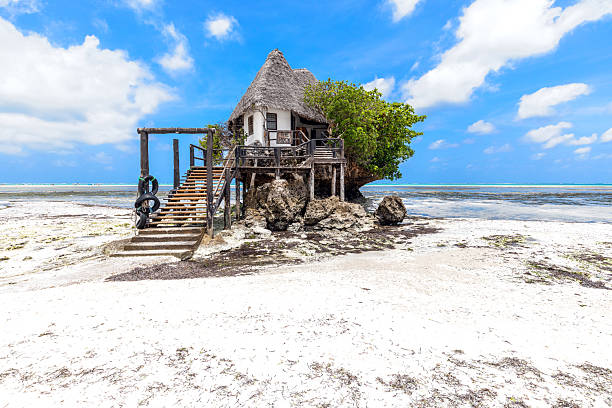
Along much of the island’s eastern coastline, the ocean retreats hundreds of metres during low tide, exposing sandbanks, seagrass beds and shallow reef flats. In contrast, beaches around Nungwi and Kendwa in northern Zanzibar generally maintain swimmable water close to shore throughout the tidal cycle.
Understanding these differences helps travellers choose suitable accommodation, organise beach activities and avoid disappointment.
For families, honeymooners and holidaymakers planning a Zanzibar beach holiday, selecting the right coastline can make a significant difference.
Why Are Zanzibar’s Tides Important?
Zanzibar lies in the Indian Ocean, where water levels rise and fall because of the gravitational influence of the Moon and Sun.
Most days experience two high tides and two low tides.
The timing changes daily, meaning a beach suitable for swimming in the morning may have very shallow water at the same time the following day.
Understanding High and Low Tide
| Tide condition | What visitors experience |
|---|---|
| High tide | Water rises towards the beach |
| Low tide | Water retreats from the shoreline |
| Rising tide | Water gradually becomes deeper |
| Falling tide | Shallow areas become exposed |
| Spring tide | Greater difference between high and low water |
| Neap tide | Smaller tidal difference |
Tide conditions also depend on local seabed shape, wind and weather.
Which Zanzibar Beaches Are Best for All-Day Swimming?
The most reliable choices are Kendwa and the west-facing beaches around Nungwi.
These northern beaches have comparatively steep seabeds, allowing swimming water to remain close to shore even during low tide.
Other Zanzibar beaches can be equally beautiful but require more careful planning.
Zanzibar Beach Swimming Comparison
| Beach | Location | Swimming conditions |
|---|---|---|
| Kendwa | Northwest | Excellent at most tides |
| Nungwi | North | Excellent at most tides |
| Matemwe | Northeast | Best around high tide |
| Kiwengwa | East | Tide-dependent |
| Pongwe | East | Tide-dependent |
| Paje | Southeast | Best around high tide |
| Jambiani | Southeast | Best around high tide |
| Bwejuu | Southeast | Strong tidal changes |
| Michamvi | Southeast | Varies by exact location |
| Kizimkazi | South | Varies by beach and tide |
Swimming suitability still depends on currents, waves and local conditions.
Kendwa Beach: Best for Swimming Throughout the Day
Kendwa is among Zanzibar’s most popular beaches for travellers who prioritise swimming.
Located on the northwestern coast, it has beautiful white sand, clear water and attractive sunset views.
Unlike much of the eastern coastline, Kendwa maintains relatively deep water near the beach.
Why Choose Kendwa?
Visitors can usually swim during both high and low tide.
The beach is particularly attractive for couples, families and first-time visitors.
Its broad sandy shoreline also provides space for relaxing and walking.
However, changing currents and occasional strong waves mean swimmers should still follow local safety advice.
Nungwi Beach: Swimming and Lively Coastal Life
Nungwi lies near Zanzibar’s northern tip.
It combines good swimming conditions with restaurants, accommodation, traditional fishing activities and boat excursions.
What Makes Nungwi Different?
The seabed drops away relatively quickly along suitable sections of the western-facing beach.
This means visitors usually do not have to walk hundreds of metres to reach swimming depth.
Nungwi is also famous for its dhow-building traditions and beautiful sunsets.
Some sections have stronger currents, boat traffic or rocky areas, so choosing the correct swimming location remains important.
Paje Beach: Beautiful but Tide-Dependent
Paje is among Zanzibar’s most attractive southeastern beaches.
Its broad white sands and shallow lagoon are particularly popular with kitesurfers.
However, the ocean retreats substantially during low tide.
Can You Swim at Paje?
Swimming is generally more enjoyable around high tide.
During low tide, visitors may need to walk a considerable distance before reaching deeper water.
Exposed reef areas can contain sea urchins and sharp surfaces.
Paje is therefore better suited to travellers who enjoy kitesurfing, beach walks and planned swimming sessions.
Jambiani Beach: Long Walks and Shallow Lagoons
Jambiani stretches along Zanzibar’s southeastern coastline.
The village is famous for peaceful surroundings, traditional fishing activities and seaweed farming.
Understanding Jambiani’s Tides
At low tide, the ocean may retreat hundreds of metres.
Visitors can observe exposed sand and seagrass habitats.
At high tide, water returns towards the beach, providing better swimming opportunities.
Travellers should check daily tide predictions before organising activities.
Matemwe Beach: Reefs and Tidal Changes
Matemwe lies on Zanzibar’s northeastern coastline, facing the waters around Mnemba Island.
The area is popular for relaxing beach holidays and marine excursions.
When Should You Swim?
High tide generally offers more convenient swimming.
During low tide, extensive shallow areas become exposed.
Some sections contain coral fragments and sea urchins.
Reef shoes may be helpful, although they do not replace careful walking.
Matemwe is particularly attractive for visitors interested in organised snorkelling trips.
Kiwengwa and Pongwe Beaches
Kiwengwa and Pongwe lie along Zanzibar’s eastern coastline.
Both provide attractive tropical scenery and a selection of resorts.
However, the shallow reef platform creates noticeable tidal changes.
Planning Around the Tide
Visitors should identify the best swimming periods each day.
Some resorts provide swimming pools for use when the sea becomes too shallow.
Pongwe has a sheltered bay in certain sections, but its swimming conditions still change with the tides.
Michamvi and Bwejuu
Michamvi and Bwejuu are popular with travellers seeking peaceful surroundings.
The beaches offer beautiful scenery, coastal restaurants and relaxing accommodation.
Are They Suitable for Swimming?
Swimming depends on the exact location and tidal conditions.
The eastern side of Michamvi experiences significant tidal changes.
Some western-facing sections have different water conditions.
Ask accommodation providers about swimming depth directly outside their properties.
Why Does the Sea Retreat So Far?
Much of Zanzibar’s eastern coastline has a broad, shallow reef platform.
When the water level drops, large areas of seabed become exposed.
Understanding the Reef Platform
A small vertical reduction in water level can expose hundreds of metres of relatively flat seabed.
This creates the impression that the ocean has disappeared.
The water returns naturally as the tide rises.
The phenomenon is especially noticeable during spring tides around the new and full moon.
How to Read Zanzibar Tide Tables
Tide tables provide predicted times for high and low water.
They help travellers identify convenient periods for swimming, snorkelling and beach activities.
Simple Swimming Example
| Time | Tide condition | Suggested activity |
|---|---|---|
| 7:00 am | Low tide | Beach walk |
| 10:00 am | Rising tide | Prepare for swimming |
| 1:00 pm | High tide | Swimming |
| 4:00 pm | Falling tide | Beach relaxation |
| 7:00 pm | Low tide | Shoreline activities |
This is an illustration, not an actual tide forecast. Tide times change daily.
Best Time of Day for Swimming
There is no single swimming hour that works for every Zanzibar beach.
Along the eastern coastline, swimming is generally more convenient during the few hours surrounding high tide.
At Kendwa and suitable sections of Nungwi, visitors usually have much greater flexibility.
Check the local tide table each morning and follow beach safety instructions.
Are Zanzibar Beaches Safe for Children?
Some beaches provide shallow water suitable for supervised family activities.
However, shallow water does not automatically mean safe swimming.
Family Swimming Precautions
Supervise children continuously.
Check currents before entering.
Avoid swimming near boats.
Watch for sea urchins.
Use suitable flotation equipment.
Avoid unfamiliar deep channels.
Follow hotel or lifeguard advice.
Kendwa is often a practical choice for families wanting convenient beach access.
Sea Urchins and Coral Safety
Sea urchins occur around reef habitats, particularly along shallow eastern beaches.
Their sharp spines can cause painful injuries.
How to Avoid Injuries
Avoid walking barefoot across exposed reef flats.
Never stand on living coral.
Use designated swimming areas.
Do not handle unfamiliar marine animals.
Choose guided reef walks rather than exploring distant tidal flats independently.
Best Beaches for Snorkelling
Zanzibar offers excellent marine experiences around suitable reef habitats.
Popular excursions operate near Mnemba Atoll and other recognised snorkelling locations.
Snorkelling Versus Beach Swimming
Snorkelling often requires boat transport to appropriate reef sites.
Swimming directly from the beach depends more heavily on tidal depth and local conditions.
Visitors should not assume a beautiful beach automatically provides good shore snorkelling.
Best Zanzibar Beaches for Different Travellers
| Traveller | Recommended beach |
|---|---|
| Families | Kendwa |
| Honeymooners wanting flexible swimming | Kendwa or Nungwi |
| Kitesurfers | Paje |
| Quiet beach holidays | Jambiani or Bwejuu |
| Snorkelling enthusiasts | Matemwe area |
| Sunset lovers | Kendwa or Nungwi |
| Village experiences | Jambiani |
| Travellers avoiding tidal restrictions | Northern beaches |
The best destination depends on personal interests and preferred activities.
Best Time of Year to Visit Zanzibar
Zanzibar experiences warm tropical weather throughout the year.
June to October generally provides comfortable beach conditions, while January and February can be particularly warm.
Seasonal Beach Guide
| Period | General conditions |
|---|---|
| January–February | Hot, often sunny |
| March–May | Increased rainfall |
| June–October | Generally pleasant |
| November–December | Warm with variable rain |
Seasonal winds influence waves and water clarity, but tides continue throughout the year.
Choosing a Hotel Based on Tides
Travellers should investigate beach conditions before booking accommodation.
A hotel described as beachfront may overlook a shallow lagoon that becomes exposed during low tide.
Questions to Ask Before Booking
Is swimming possible at low tide?
How far does the water retreat?
Does the hotel have a swimming pool?
Are there sea urchins or coral near the entrance?
Is a safe swimming area marked?
These questions help avoid unrealistic expectations.
Responsible Beach Tourism
Zanzibar’s coastal habitats support marine wildlife and important local livelihoods.
Visitors should avoid damaging coral reefs or disturbing seaweed farms.
Never collect living marine animals.
Respect fishing activities and local communities.
Use responsible boat operators and avoid littering.
Why Understanding Zanzibar Tides Matters
Zanzibar offers some of East Africa’s most beautiful beaches, but swimming conditions differ considerably between locations.
Kendwa and Nungwi generally provide the most dependable access to swimmable water throughout the day.
Paje, Jambiani, Matemwe and other eastern beaches offer beautiful scenery but require greater attention to tide times.
By choosing accommodation carefully and understanding local water conditions, travellers can enjoy a more relaxing, comfortable and memorable Zanzibar holiday.




No comment