
Zanzibar Spice Farm Tours: What to Taste and How to Avoid Overpaying
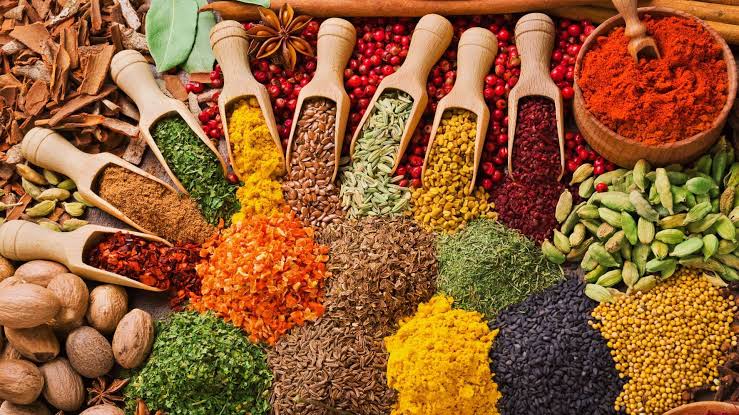
Zanzibar spice farm tours offer one of Tanzania’s most enjoyable cultural experiences, introducing visitors to fragrant cloves, cinnamon, vanilla, nutmeg, tropical fruits and traditional Swahili cooking. Known worldwide as the Spice Island, Zanzibar has a long history of cultivating and trading spices across the Indian Ocean.
Unlike ordinary sightseeing excursions, spice tours allow travellers to smell fresh leaves, examine growing plants, taste seasonal fruits and learn how familiar kitchen ingredients are produced.
However, prices vary between operators, and some visitors encounter unexpected charges for transport, meals, souvenirs and tips.
Understanding what a good spice tour includes, which products are worth buying and how to compare prices helps travellers enjoy an authentic experience without unnecessary spending.
Where Are Zanzibar’s Spice Farms Located?
Most tourist spice farms are situated in the countryside outside Stone Town, particularly around Kizimbani, Kidichi and neighbouring agricultural villages.
These fertile areas support tropical vegetation, fruit trees and different spice crops.
Travellers commonly reach the farms through organised excursions from Stone Town, beach resorts or private transport arrangements.
Quick Facts About Zanzibar Spice Tours
| Feature | Description |
|---|---|
| Country | Tanzania |
| Island | Unguja, Zanzibar |
| Main areas | Kizimbani and Kidichi |
| Typical duration | 2–4 hours |
| Main experience | Spice identification and tasting |
| Popular products | Cloves, cinnamon and nutmeg |
| Starting tour prices | Approximately USD 10–25 |
| Tours with lunch and transfers | Often USD 30–60 |
| Best visiting time | Morning |
| Recommended activity | Guided plantation walk |
Prices are indicative and depend on group size, transport and included activities.
Why Is Zanzibar Called the Spice Island?
Zanzibar developed into an important spice-producing region during the nineteenth century.
Clove cultivation expanded significantly under Omani rule, contributing to the island’s commercial prosperity.
The spice trade connected Zanzibar with markets across Africa, Arabia, India and Europe.
The Importance of Cloves
Cloves became one of Zanzibar’s most valuable agricultural exports.
Plantations supported trading networks and commercial development, although this history was also closely connected with enslaved labour.
Today, spices remain important to Zanzibar’s cultural identity, cuisine and tourism industry.
What Happens During a Spice Farm Tour?
Most tours begin with a guided walk through a working farm or demonstration plantation.
Guides introduce different plants and explain how spices are cultivated, harvested and processed.
Typical Tour Activities
Visitors may smell crushed leaves, examine fresh spice pods and taste seasonal fruits.
Some excursions include coconut-climbing demonstrations.
Others finish with a traditional meal prepared using local spices.
A small shop often provides opportunities to purchase dried spices, oils and handmade products.
Cloves: Zanzibar’s Famous Spice
Cloves are among the most important products to discover during a plantation visit.
They are dried, unopened flower buds from the clove tree.
Fresh buds are harvested before opening and dried until they develop their familiar dark appearance.
What Should You Taste?
Guides may provide suitable clove-based preparations or allow visitors to smell fresh buds.
Cloves have a powerful aroma and slightly warm flavour.
They are commonly used in pilau, tea, meat dishes and spice mixtures.
Their strong taste means only small quantities are needed in cooking.
Cinnamon: More Than a Brown Powder
Cinnamon comes from the bark of certain trees.
During a farm visit, travellers can see how bark is harvested and processed.
What Makes Fresh Cinnamon Interesting?
Fresh cinnamon has a rich, sweet aroma.
Visitors may smell the bark and compare it with packaged cinnamon.
Guides sometimes explain differences between cinnamon varieties and how they are used.
Cinnamon is popular in tea, desserts, rice dishes and traditional cooking.
Nutmeg and Mace
Nutmeg provides one of the most interesting demonstrations on a Zanzibar spice tour.
The fruit contains a seed surrounded by a bright red covering.
Two different spices come from this single fruit.
Understanding Nutmeg and Mace
| Product | Source | Common use |
|---|---|---|
| Nutmeg | Inner seed | Baking and cooking |
| Mace | Red covering around the seed | Rice dishes and spice blends |
Fresh nutmeg has a distinctive warm aroma.
Both spices should be consumed only in ordinary culinary amounts; large quantities of nutmeg can be toxic.
Vanilla: The Valuable Orchid
Vanilla grows on climbing orchid vines.
Its cultivation requires patience and careful management.
In many growing regions, individual flowers must be pollinated by hand.
Why Is Vanilla Expensive?
Vanilla pods require considerable labour.
Harvesting, curing and drying also take time.
This helps explain why genuine vanilla generally costs more than ordinary spice powders.
When purchasing vanilla, inspect the pods and confirm whether the product is natural vanilla rather than artificially flavoured material.
Turmeric, Ginger and Cardamom
These three spices are commonly demonstrated during farm visits.
Turmeric grows underground and produces bright orange rhizomes.
Ginger also grows underground and is valued for its distinctive flavour.
Cardamom develops aromatic seed pods.
Common Culinary Uses
| Spice | Popular use |
|---|---|
| Turmeric | Rice and curry |
| Ginger | Tea and cooking |
| Cardamom | Tea, pilau and desserts |
| Black pepper | Savoury dishes |
| Lemongrass | Herbal tea and cooking |
Guides can explain how these ingredients contribute to Swahili cuisine.
Tropical Fruits Worth Tasting
Spice farms also grow several tropical fruits.
What visitors can taste depends on the season and farm conditions.
Popular Fruits
Jackfruit has a distinctive sweet flavour.
Starfruit provides a refreshing taste.
Custard apple has soft, sweet flesh.
Coconut water is popular during farm visits.
Small Zanzibar bananas and seasonal citrus fruits may also be available.
Only taste fruits or plants identified as edible and prepared hygienically by the guide. Inform your guide about food allergies before the tour.
The Famous Coconut-Climbing Demonstration
Some spice farms organise demonstrations of traditional coconut harvesting.
A skilled climber ascends a tall palm tree, sometimes singing during the performance.
Should Visitors Participate?
Climbing coconut palms requires considerable skill.
Visitors should observe from a safe distance rather than attempt climbing themselves.
Avoid standing directly beneath falling coconuts.
Ask whether the demonstration is included in the tour price.
Traditional Swahili Lunch
Some tours include lunch prepared using local spices.
This experience connects the plantation visit with Zanzibar’s culinary traditions.
Foods You May Enjoy
Meals may include pilau, coconut rice, vegetables, curry and chapati.
Vegetarian options are commonly available when arranged in advance.
A cooking demonstration can provide additional insight into spice preparation.
Confirm whether lunch is included before booking.
How Much Should a Zanzibar Spice Tour Cost?
Tour prices vary considerably.
A short farm walk can be inexpensive, while private excursions with transport and lunch cost more.
Typical 2026 Tour Price Guide
| Tour type | Indicative cost per person |
|---|---|
| Basic plantation walk | USD 10–20 |
| Guided tour with tastings | USD 15–30 |
| Tour with lunch and transfers | USD 30–60 |
| Private tour and cooking experience | USD 50–100 |
| Combined cultural excursion | Depends on itinerary |
These are broad planning ranges, not guaranteed quotations.
How to Avoid Overpaying
The most effective approach is to compare complete packages rather than advertised starting prices.
A cheaper excursion may exclude transport, lunch and other services.
Questions to Ask Before Booking
Is hotel pickup included?
Does the price cover farm admission?
Are fruit tastings included?
Is lunch provided?
How many people will join the tour?
Are additional demonstrations charged separately?
Are tips optional?
What is the total price?
Request written confirmation of the arrangements.
Buying Spices Without Paying Too Much
Most spice farms finish their tours with opportunities to purchase products.
Buying locally can support farmers and small businesses, but visitors should compare prices.
Smart Shopping Tips
Ask about the weight of packaged spices.
Compare prices at more than one shop.
Inspect packaging for moisture or damage.
Avoid buying unnecessarily large quantities.
Check expiry dates where available.
Remember that attractive packaging does not automatically indicate better quality.
How to Recognise Good-Quality Spices
Freshness and proper storage affect the quality of dried spices.
What to Check
| Product | Quality indicator |
|---|---|
| Cloves | Strong aroma and dry buds |
| Cinnamon | Pleasant fragrance and clean bark |
| Nutmeg | Firm, intact seeds |
| Vanilla | Flexible, aromatic pods |
| Cardamom | Intact, fragrant pods |
| Turmeric | Dry, clean packaging |
Avoid products showing mould, excessive moisture or unusual deterioration.
Are Tips Compulsory?
Guides, coconut climbers and other workers may appreciate tips.
However, travellers should understand whether gratuities are included in the advertised price.
Avoiding Uncomfortable Situations
Ask about tipping expectations before beginning the excursion.
Carry small notes if you wish to tip.
Do not feel pressured into purchasing products.
A reputable operator should explain charges clearly.
Best Time to Visit a Spice Farm
Morning excursions are generally the most comfortable.
Temperatures are cooler, and visitors can enjoy walking before the strongest afternoon heat.
Spice farms operate throughout the year, although rainfall affects paths and fruit availability.
What to Bring
Wear comfortable walking shoes and lightweight clothing.
Carry drinking water, insect repellent and a sun hat.
Bring a small amount of cash for optional purchases.
A camera is useful for photographing plants and traditional farming activities.
Combining Spice Farms With Other Attractions
Spice tours can be combined with Stone Town sightseeing, cultural experiences or selected nature excursions.
Suggested Half-Day Itinerary
9:00 am: Depart Stone Town.
9:30 am: Begin the guided spice plantation walk.
10:30 am: Enjoy fruit tasting and demonstrations.
11:30 am: Explore the farm shop.
12:00 pm: Enjoy an optional Swahili lunch.
1:00 pm: Return towards your accommodation.
Actual schedules depend on transport and tour arrangements.
Responsible Spice Farm Tourism
Choose operators who treat workers fairly and respect local communities.
Avoid damaging plants or removing produce without permission.
Ask before photographing farm workers.
Purchase only products you genuinely want.
Remember that the plantation is also a workplace and agricultural environment.
Why Zanzibar Spice Farm Tours Are Worth Visiting
Zanzibar spice farm tours offer a memorable introduction to the island’s agricultural history, culinary traditions and tropical landscapes.
Visitors can discover how familiar ingredients grow, taste seasonal fruits and understand the important role spices play in Swahili cooking.
By comparing prices, confirming inclusions and purchasing carefully, travellers can enjoy the experience without overspending.
For anyone exploring Zanzibar beyond its beaches, a well-organised spice tour provides a rewarding combination of culture, education and authentic island flavours.





No comment