
What Fences and Farms Mean for Migration Routes
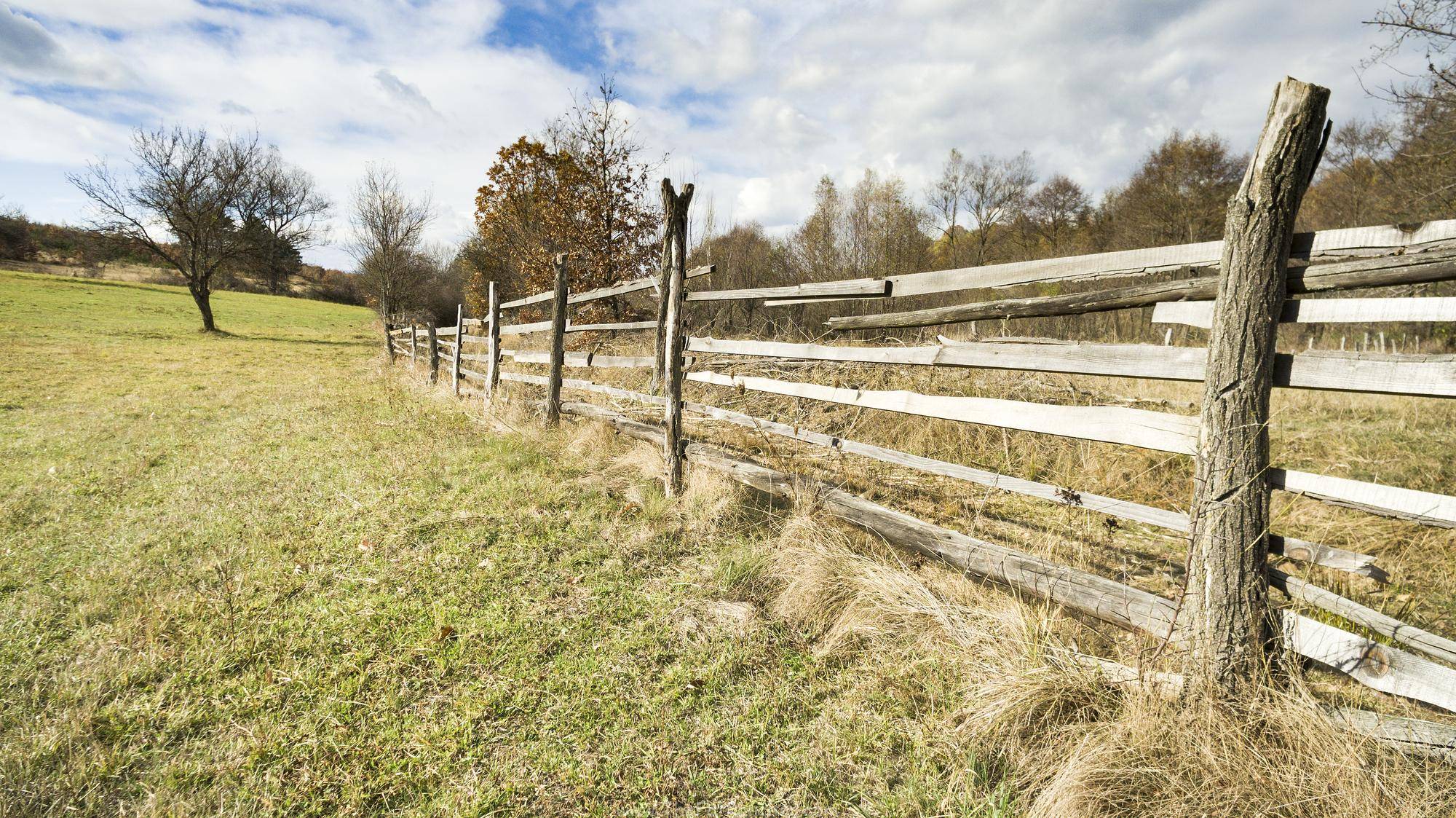
Fences and farms along wildlife migration routes are becoming important conservation concerns across East Africa, particularly in Kenya’s Greater Maasai Mara ecosystem and areas surrounding Tanzania’s Serengeti National Park. Every year, enormous herds of wildebeest and zebras travel between seasonal grazing areas, responding to rainfall, fresh grass and water availability. Their survival depends on moving freely across extensive landscapes.
However, expanding agricultural land, private property boundaries, settlements and fences are changing how wildlife moves. Some traditional migration routes have become narrower, while others have been interrupted by developments that prevent animals from reaching important feeding areas.
For travellers interested in the Great Migration, understanding these changes provides a broader perspective on wildlife conservation. The spectacular Mara River crossings are only one part of the migration. Protecting the grasslands and movement corridors used throughout the year is equally important.
Why Wildlife Migration Routes Matter
The Great Migration is one of the world’s most remarkable seasonal wildlife movements.
Approximately 1.2–1.5 million wildebeest participate in the wider Serengeti migration, although population estimates vary.
The animals travel between different grazing areas as rainfall and vegetation conditions change.
During the wet season, large herds gather on the southern Serengeti plains. As conditions become drier, many move northwards towards western Serengeti and Kenya’s Maasai Mara.
These movements allow animals to use different feeding areas throughout the year.
Quick Facts About Migration Corridors
| Feature | Description |
|---|---|
| Main ecosystem | Serengeti–Mara |
| Countries | Tanzania and Kenya |
| Main migrating animals | Wildebeest and plains zebras |
| Main movement driver | Seasonal grazing availability |
| Important habitat | Open grasslands and savannah |
| Major threats | Fencing, agricultural expansion and habitat fragmentation |
| Conservation priority | Maintaining connected grazing areas |
| Main beneficiaries | Migrating wildlife and communities dependent on healthy rangelands |
1. How Fences Interrupt Wildlife Movements
Fences are built for several reasons, including protecting crops, controlling livestock and defining property boundaries.
However, fences constructed across traditional wildlife corridors can restrict animal movements.
Wildebeest may approach a fence and attempt to find another route.
When fencing extends across large areas, suitable alternative passages may become difficult to locate.
What Happens When Wildebeest Encounter Fences?
Some animals turn back and search for alternative routes.
Others travel along fence lines looking for openings.
In certain situations, animals become trapped or injured while attempting to pass through barriers.
Fences can also prevent wildebeest from reaching seasonal grazing areas.
This restriction becomes especially serious during dry periods when suitable food is limited.
2. Why Agricultural Expansion Changes Migration Routes
Agriculture provides food, employment and income for communities living near wildlife habitats.
However, expanding crop production can reduce the amount of natural grassland available to grazing animals.
When open rangelands are converted into farms, wildlife may lose access to important feeding areas.
Agricultural development can also create new obstacles when fields are surrounded by fences.
The Example of Kenya’s Loita Plains
The Loita Plains form an important part of the wider Greater Mara landscape.
Historically, wildebeest populations moved between the Loita Plains and other grazing areas.
Scientific research has shown that expanding wheat farming and fencing contributed to changes in these seasonal movements.
A study published in 2001 linked agricultural expansion on the Loita Plains with the loss of important wildebeest wet-season habitats.
More recent research has demonstrated that fencing continues to restrict connectivity within parts of the Greater Mara ecosystem.
These findings show how changes in land use can influence wildlife populations over several decades.
3. The Difference Between Two Wildebeest Migrations
The Greater Mara ecosystem supports more than one important wildebeest movement pattern.
The famous Serengeti migration involves animals travelling between Tanzania and Kenya.
A smaller migration historically connected the Mara and Loita plains within Kenya.
Understanding the difference is important because the two populations face different conservation challenges.
Serengeti–Mara Migration
The main Serengeti migration occurs largely within established protected areas.
Serengeti National Park, the Maasai Mara National Reserve and adjoining conservation landscapes help maintain important seasonal routes.
Mara–Loita Migration
The Mara–Loita migration historically involved more movement through community and privately managed lands.
Agricultural expansion and fencing have significantly reduced connectivity within parts of this landscape.
Research published in 2025 found that removing strategically selected fence sections could substantially improve habitat connections.
This demonstrates why conservation planning must extend beyond national park boundaries.
4. How Habitat Fragmentation Affects Wildebeest
Habitat fragmentation occurs when continuous natural landscapes become separated into smaller areas.
Farms, settlements, fences and infrastructure can contribute to this process.
An area may still contain grass, but animals might be unable to reach it safely.
Why Connected Grasslands Are Essential
Wildebeest depend on different feeding areas during different seasons.
When rainfall changes, they must move towards suitable vegetation.
If access becomes restricted, animals may remain in places where food is declining.
This can increase competition for grazing and place additional pressure on the remaining habitat.
Long-term restrictions may affect reproduction, body condition and survival.
5. What Happens When Migration Corridors Disappear?
A migration corridor is an area that allows animals to move between important habitats.
Some corridors are broad grassland landscapes rather than narrow paths.
When these routes become blocked, migrating animals may face several challenges.
They may travel greater distances searching for alternative passages.
Some populations may stop making their traditional seasonal journeys.
Others become increasingly concentrated within smaller areas.
Why Reduced Movement Matters
Migration allows herbivores to respond to environmental changes.
Without suitable movement routes, animals may struggle during droughts.
A population restricted to one grazing area becomes more vulnerable when rainfall fails or vegetation quality declines.
The loss of seasonal movement can therefore affect wildlife populations even when animals remain inside apparently suitable habitats.
6. How Fences Affect Other Wildlife
Wildebeest are not the only animals affected by barriers.
Zebras, giraffes, elephants and different antelope species may also require access to seasonal habitats.
Large mammals often use overlapping movement corridors.
When fences interrupt these routes, several species can be affected simultaneously.
Elephants and Agricultural Land
Elephants may enter farms when crops or water attract them.
This can result in serious losses for farmers.
Protective barriers can sometimes reduce crop damage, but their placement must consider wildlife movement requirements.
The challenge is finding solutions that protect communities without unnecessarily blocking important ecological connections.
7. Why Farmers Build Wildlife Fences
Conservation discussions must recognise the difficulties faced by communities living near protected areas.
Wildlife can damage crops, threaten livestock and create safety concerns.
For families depending on farming, repeated crop losses can have serious economic consequences.
Fences may therefore provide practical protection.
Can Fencing Benefit Communities?
Yes.
A 2026 study examining conservation fencing near Tanzania’s Ikorongo Game Reserve found that some neighbouring farmers reported improved crop security and reduced time spent guarding fields against elephants.
However, researchers also identified unintended effects, including changes in grazing access and land-use conflicts.
The findings demonstrate that fencing can provide benefits when carefully located, but its wider ecological and social effects must be assessed.
8. Are All Conservation Fences Harmful?
No. The effects of fencing depend on location, design and purpose.
A fence protecting farmland along a boundary outside a major migration corridor may have different consequences from one crossing an important seasonal route.
For example, conservation fencing near Ikorongo Game Reserve was placed along a boundary outside the main wildebeest migration route.
Its objectives included protecting rhinoceroses and reducing conflict between elephants and neighbouring farmers.
Why Location Matters
A carefully positioned fence may protect crops while maintaining major wildlife movements.
However, barriers placed across essential corridors can restrict access to food and water.
Conservation planning should therefore examine the wider landscape before new fences are constructed.
9. How Scientists Identify Important Migration Corridors
Researchers use several methods to understand where animals move.
GPS tracking collars can record the movements of selected wildebeest over time.
Satellite photographs reveal changes in land use, including expanding farmland and fencing.
Field surveys provide information about wildlife habitats and community activities.
What Research Has Revealed
A 2025 study used GPS tracking information and detailed fencing maps to examine habitat connectivity in Kenya’s Greater Mara ecosystem.
The researchers estimated that strategically removing approximately 15–140 kilometres of fencing could improve modelled connectivity by about 39–54%, depending on the scenario.
These results show that targeted interventions may provide substantial benefits without requiring every fence to be removed.
10. How Farms and Fences Affect Safari Tourism
Wildlife tourism depends on healthy ecosystems and opportunities to observe animals behaving naturally.
The Great Migration attracts visitors to Tanzania and Kenya because large herds can move across extensive landscapes.
If movement corridors become restricted, wildlife distributions may change.
This can affect where animals gather and how visitors experience migration activity.
Why Conservation Supports Tourism
Protecting migration routes helps maintain wildlife populations and natural seasonal movements.
Tourism can generate employment for guides, drivers, accommodation staff and local businesses.
However, economic benefits should also reach communities living alongside wildlife.
Conservation programmes are more sustainable when local residents have meaningful incentives to protect habitats.
11. The Role of Community Conservancies
Community conservancies are important features of wildlife conservation in parts of Kenya.
These arrangements can involve landowners, tourism operators and conservation organisations working together to manage landscapes.
Depending on the agreement, landowners may receive payments or other benefits for maintaining wildlife-compatible land uses.
Why Conservancies Matter
Conservancies can help maintain connected grasslands outside national reserves.
They may also support grazing management, wildlife monitoring and local employment.
However, their effectiveness depends on landowner participation, equitable benefits and sound management.
Successful conservation requires balancing livestock grazing, tourism and wildlife needs.
12. Can Wildlife Corridors Be Restored?
Some migration corridors can be improved by removing unnecessary fences or changing land management practices.
Restoration may involve negotiating agreements with landowners, protecting key passage areas and preventing further fragmentation.
Researchers can identify locations where relatively small changes may improve connectivity.
Why Restoration Requires Cooperation
Wildlife corridors often cross land used by communities.
Removing fences without addressing farming and livestock needs can create new conflicts.
Effective restoration requires consultation, compensation where appropriate and practical alternatives for protecting property.
Conservation should support both wildlife movement and local livelihoods.
13. How Travellers Can Support Migration Conservation
Safari visitors can contribute to responsible conservation through their travel choices.
Selecting operators that support local communities and follow wildlife regulations is an important starting point.
Travellers can also ask how accommodation providers contribute to habitat protection.
Responsible Safari Practices
Choose experienced, licensed safari operators.
Respect protected-area regulations.
Avoid supporting activities that disturb migrating animals.
Consider community-based conservation accommodation.
Follow authorised wildlife viewing routes.
Support tourism businesses employing local residents.
Responsible tourism can help create economic value from maintaining healthy wildlife habitats.
14. Why Climate Change Makes Open Corridors Important
Seasonal rainfall varies across East Africa.
Climate change may influence future rainfall patterns, drought conditions and vegetation growth.
Migrating animals need access to different grazing areas when environmental conditions change.
Maintaining connected habitats helps preserve their ability to respond.
A fragmented landscape provides fewer opportunities for animals to move towards suitable food and water.
Protecting migration corridors is therefore an important part of long-term ecological resilience.
Why Fences and Farms Matter for the Great Migration
Fences and agricultural expansion influence wildlife migration by changing access to grasslands, water and seasonal movement routes.
Although farming provides essential livelihoods, poorly planned development can fragment habitats and restrict traditional wildlife movements.
Research from the Greater Mara ecosystem demonstrates that the Mara–Loita migration has been particularly affected by fencing and land-use changes.
However, carefully designed conservation fences can also protect crops and reduce conflict when placed outside important migration corridors.
The challenge is to balance wildlife conservation with the needs of communities living alongside protected areas.
For safari travellers, understanding these relationships reveals that protecting the Great Migration involves more than conserving famous river-crossing locations.
It requires maintaining connected landscapes where wildebeest, zebras and other animals can continue moving naturally between seasonal grazing areas.



No comment