
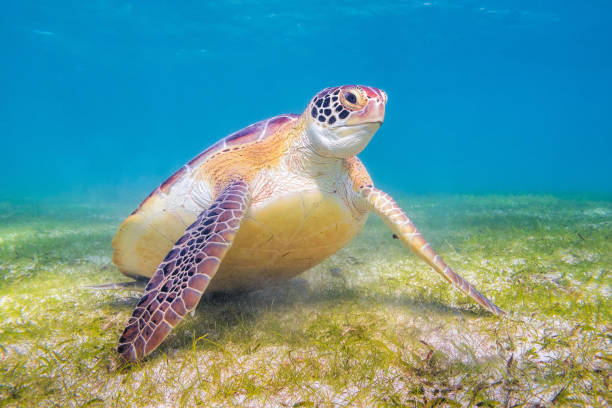
Watamu Marine Park: Turtles, Snorkelling and Mida Creek Birds
Watamu Marine Park in Kenya is one of East Africa’s most beautiful coastal conservation destinations, offering travellers the opportunity to explore colourful coral reefs, swim above tropical fish, discover endangered sea turtles and enjoy birdwatching around Mida Creek. Located along Kenya’s Indian Ocean coastline, near Malindi, Watamu combines marine wildlife, white sandy beaches and peaceful mangrove forests.
Unlike traditional wildlife safaris, where visitors search for lions and elephants, Watamu introduces travellers to fascinating underwater ecosystems. Snorkelling excursions reveal reef fish, corals and other marine creatures, while guided boat trips provide opportunities to observe dolphins and enjoy the coastline.
Nearby Mida Creek adds another experience through its mangrove channels, tidal mudflats and remarkable birdlife. For travellers exploring Kenya’s coast, Watamu offers a rewarding combination of relaxation, adventure and conservation education.
Where Is Watamu Marine Park Located?
Watamu Marine National Park lies in Kilifi County, approximately 28 kilometres south of Malindi and 120 kilometres north of Mombasa.
The protected area covers approximately 10 square kilometres of coastal waters.
It forms part of the wider Watamu Marine Protected Area, which includes surrounding marine reserves and Mida Creek.
Quick Facts About Watamu Marine Park
| Feature | Description |
|---|---|
| Country | Kenya |
| County | Kilifi |
| Nearest town | Watamu |
| Park size | Approximately 10 km² |
| Established | 1968 |
| Main activities | Snorkelling, diving and boat trips |
| Famous wildlife | Sea turtles and tropical fish |
| Nearby wetland | Mida Creek |
| Best for | Marine wildlife and birdwatching |
| Recommended stay | Two to three nights |
Why Is Watamu Marine Park Special?
Watamu protects an important section of Kenya’s coral reef ecosystem.
Its shallow lagoons contain diverse marine habitats, including coral gardens, seagrass beds and sandy areas.
These habitats support numerous fish species and other marine creatures.
The surrounding beaches also provide nesting habitat for sea turtles.
Watamu is particularly attractive because visitors can combine underwater exploration with nearby mangrove birdwatching.
The History of Watamu Marine Park
Watamu Marine National Park was established in March 1968 to protect coastal biodiversity.
It is among Kenya’s oldest marine protected areas.
In 1979, the Watamu and Malindi marine protected areas received UNESCO biosphere reserve recognition.
Why Marine Protection Matters
Coral reefs provide breeding and feeding habitats for marine wildlife.
They also help protect coastlines from powerful waves.
Marine conservation areas can support scientific research and responsible tourism.
Within Watamu Marine National Park, fishing and other extractive activities are prohibited.
The surrounding reserve allows certain regulated resource uses.
Snorkelling in Watamu Marine Park
Snorkelling is among Watamu’s most popular activities.
Visitors enter shallow tropical waters to observe fish swimming around coral formations.
Some excursions use boats to reach suitable reef areas.
What Happens During a Snorkelling Trip?
A typical excursion begins with a safety briefing.
Guides explain how to use masks, snorkels and flotation equipment.
Visitors then enter the water at an approved location.
Underwater scenery may include colourful reef fish, coral formations and sandy channels.
Actual visibility depends on tides, waves and weather conditions.
Marine Life You May Encounter
Watamu supports a variety of tropical marine species.
Common Marine Attractions
| Marine life | What makes it interesting |
|---|---|
| Green sea turtle | Large marine reptile feeding around seagrass habitats |
| Hawksbill turtle | Reef-associated turtle with a pointed beak |
| Butterflyfish | Colourful fish associated with coral reefs |
| Parrotfish | Reef fish with specialised teeth |
| Angelfish | Brightly patterned tropical fish |
| Sea urchins | Spiny marine invertebrates |
| Reef corals | Living animals forming underwater structures |
Marine wildlife sightings are unpredictable.
Green Sea Turtles in Watamu
Green sea turtles are among Watamu’s most important conservation species.
These large reptiles feed primarily on seagrasses as adults.
They may be observed swimming through shallow marine habitats.
Why Are Green Turtles Important?
Green turtles help maintain healthy seagrass ecosystems.
Their feeding activities influence vegetation growth and habitat conditions.
However, they face threats from fishing gear, pollution and coastal development.
Visitors should maintain a respectful distance and never attempt to touch or chase turtles.
Hawksbill Turtles
Hawksbill turtles are another important species associated with Watamu.
They have distinctive pointed beaks and beautifully patterned shells.
Hawksbills feed on marine organisms associated with coral reefs.
Conservation Challenges
Hawksbill turtles have historically been targeted for their attractive shells.
International trade restrictions help protect them.
Habitat loss and accidental capture in fishing equipment remain serious threats.
Responsible marine tourism can support efforts to protect these animals.
Watamu Turtle Watch
Watamu Turtle Watch is a conservation programme operated by Local Ocean Conservation.
The initiative began in 1997 to protect nesting sea turtles along the coast.
It works with local communities, fishermen and conservation authorities.
What Does the Programme Do?
The organisation monitors nesting beaches and protects vulnerable nests.
It also helps rescue turtles accidentally caught in fishing nets.
Injured turtles may receive treatment at a specialist rehabilitation centre.
Healthy animals are returned to the ocean when appropriate.
Visiting the Turtle Rehabilitation Centre
Local Ocean Conservation offers educational visits introducing travellers to marine conservation.
Visitors learn about the challenges facing turtles and the work required to rehabilitate injured animals.
Educational Visit Information
| Activity | Details |
|---|---|
| Programme | Local Ocean Conservation education tour |
| Duration | Approximately one hour |
| Minimum donation | KES 1,000 per person |
| Booking | Required |
| Main experience | Conservation education |
| Turtle sightings | Not guaranteed |
The centre releases rehabilitated turtles as soon as they are healthy.
Therefore, visitors should not expect rescued animals to remain on display.
Sea Turtle Nesting Along Watamu Beaches
Female sea turtles sometimes return to suitable beaches to lay eggs.
After nesting, the eggs remain buried beneath the sand until hatching.
Young turtles then make their way towards the ocean.
Protecting Nesting Turtles
Beach monitors help protect nesting areas from disturbance.
Visitors should avoid walking through marked nests.
Do not use bright lights near nesting turtles or hatchlings.
Never handle hatchlings independently.
Any authorised turtle-related activities should take place under conservation staff supervision.
Dolphin Watching Around Watamu
Watamu’s wider marine environment supports dolphins, including Indo-Pacific bottlenose dolphins.
Guided boat excursions may provide opportunities to observe them.
Responsible Dolphin Watching
Choose operators who avoid chasing or surrounding dolphins.
Boats should maintain appropriate distances.
Do not attempt to swim after dolphins or feed them.
Wildlife viewing should always prioritise animal welfare.
Discovering Mida Creek
Mida Creek is a tidal inlet south of Watamu.
It contains extensive mangrove forests, mudflats and shallow channels.
The creek is internationally important for coastal birds.
Why Mida Creek Is Special
During low tide, exposed mudflats provide feeding areas for waders.
At higher tides, water fills the channels and allows suitable boat excursions.
The surrounding mangroves support fish, crabs, birds and other wildlife.
Mida Creek offers a peaceful contrast to the open ocean.
Birdwatching at Mida Creek
Mida Creek is one of Kenya’s rewarding coastal birdwatching destinations.
Migratory birds visit the area during their non-breeding season.
Resident species also depend on its mangroves and tidal habitats.
Birds to Look For
| Bird species | Main attraction |
|---|---|
| Crab-plover | Distinctive black-and-white coastal bird |
| Greater sand plover | Migratory shoreline bird |
| Curlew sandpiper | Small wader feeding on mudflats |
| Little stint | Tiny migratory shorebird |
| Grey plover | Coastal wader |
| Osprey | Fish-eating bird of prey |
| Western Reef Heron | Heron associated with coastal wetlands |
Bird sightings vary with tides and seasonal migration.
The Mida Creek Boardwalk
A raised boardwalk provides visitors with access to sections of the mangrove environment.
The walkway allows travellers to observe vegetation, tidal channels and wildlife without walking directly through sensitive habitats.
What Can You Learn?
Local guides explain how mangroves survive in salty coastal conditions.
Visitors can observe specialised roots and changing water levels.
The boardwalk also provides opportunities for photography.
Some experiences include viewpoints and community-led conservation activities.
Traditional Dhow Trips on Mida Creek
Guided dhow excursions allow visitors to explore suitable tidal channels.
Traditional wooden boats have long been used along the Swahili coast.
Sunset Experiences
Late afternoon excursions are popular for photography.
The changing light creates attractive reflections across the creek.
Birds may be observed returning towards suitable resting areas.
Boat trips depend on tide levels and weather conditions.
Every passenger should use appropriate safety equipment.
Best Time to Visit Watamu
Watamu can be visited throughout the year.
However, weather and ocean conditions influence snorkelling and boat excursions.
Seasonal Visiting Guide
| Period | General conditions |
|---|---|
| January–March | Often warm with relatively calm seas |
| April–June | Increased rainfall and variable sea conditions |
| July–October | Cooler coastal conditions and variable visibility |
| November–December | Warm weather with changing rainfall |
Birdwatchers may find migratory shorebirds particularly rewarding between October and April.
Watamu Marine Park Entrance Fees
Kenya Wildlife Service publishes separate admission rates according to visitor category.
Published Park Fees
| Visitor category | Adult admission |
|---|---|
| East African citizen | KES 500 |
| Kenya resident | KES 675 |
| African citizen outside East Africa | USD 15 |
| International non-resident | USD 25 |
Boat hire, snorkelling equipment and guiding may cost extra.
Confirm current charges before visiting.
How to Reach Watamu
Watamu is accessible by road from Malindi and Mombasa.
Visitors travelling from Nairobi can fly to Malindi Airport before continuing by vehicle.
Private transfers are convenient for families and travellers carrying luggage.
Accommodation in Watamu
Watamu offers beach resorts, boutique hotels, guesthouses and private holiday accommodation.
Some properties overlook the ocean, while others are situated near the village.
Choose accommodation according to your preferred activities and budget.
Suggested Two-Day Watamu Itinerary
Day One: Marine Park and Turtles
Begin with a guided snorkelling excursion.
Enjoy the coral reefs and tropical marine wildlife.
In the afternoon, attend a pre-booked educational visit at Local Ocean Conservation.
Relax along the beach afterwards.
Day Two: Mida Creek Birdwatching
Visit Mida Creek during a suitable tidal period.
Enjoy guided birdwatching and explore the mangrove boardwalk.
Arrange an authorised dhow excursion if weather and tides permit.
Return to your accommodation for a relaxing evening.
Responsible Marine Tourism
Watamu’s ecosystems are sensitive to pollution and disturbance.
Never stand on or touch living corals.
Avoid collecting shells or marine animals.
Use reef-conscious sun protection and minimise disposable plastic.
Respect turtle nesting areas.
Choose responsible boat operators and support local conservation projects.
Why Watamu Marine Park Is Worth Visiting
Watamu Marine Park provides one of Kenya’s most memorable coastal wildlife experiences.
Its coral reefs support colourful fish and endangered turtles, while nearby Mida Creek attracts fascinating resident and migratory birds.
Visitors can combine snorkelling, conservation education, mangrove walks and traditional dhow excursions within a short holiday.
For travellers interested in discovering Kenya beyond its famous savannah parks, Watamu offers a beautiful introduction to the country’s marine biodiversity and coastal conservation efforts.



No comment