
Lake Baringo: Boat Trips, Hippos and Fish Eagles in the Rift Valley
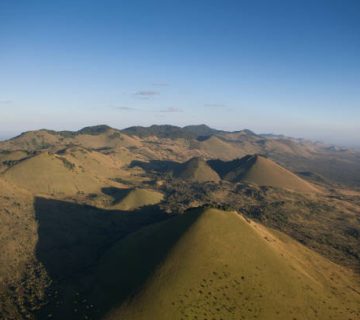
Lake Baringo in Kenya is one of the most rewarding freshwater destinations in the Great Rift Valley, offering visitors peaceful boat excursions, remarkable birdwatching, hippopotamus encounters and beautiful scenery. Located in Baringo County, north of Lake Nakuru, the lake is surrounded by rocky hills, acacia woodland, fishing villages and small islands.
Unlike Lake Nakuru and Lake Bogoria, which are known for their alkaline waters and flamingos, Lake Baringo is a freshwater ecosystem supporting fish, crocodiles, hippos and hundreds of bird species.
For travellers interested in wildlife photography, nature and cultural experiences, Lake Baringo provides an attractive alternative to Kenya’s busy national parks. A guided boat trip is particularly rewarding because it allows visitors to explore the lake’s habitats while observing wildlife from a safe distance.
Where Is Lake Baringo Located?
Lake Baringo lies in Kenya’s Rift Valley, between the Tugen Hills to the west and the Laikipia Escarpment to the east.
The lake is approximately 290 kilometres from Nairobi, depending on the selected route.
Marigat is the main nearby town, while Kampi ya Samaki provides convenient access to lakeside accommodation and boat excursions.
Quick Facts About Lake Baringo
| Feature | Description |
|---|---|
| Country | Kenya |
| County | Baringo |
| Region | Great Rift Valley |
| Lake type | Freshwater |
| Main gateway | Marigat |
| Boat departure area | Kampi ya Samaki |
| Famous wildlife | Hippos and Nile crocodiles |
| Birdlife | More than 470 recorded species |
| Main activities | Boat trips, birdwatching and photography |
| Recommended stay | One to two nights |
Why Is Lake Baringo Special?
Lake Baringo is one of Kenya’s few freshwater Rift Valley lakes.
Its waters are fed mainly by rivers including the Molo and Perkerra.
The lake supports important fish populations, which attract fish-eating birds and other wildlife.
Surrounding habitats range from wetlands and acacia woodland to rocky hillsides.
This diversity makes Baringo particularly attractive to birdwatchers.
Boat Trips on Lake Baringo
Guided boat trips are the most popular way to explore the lake.
Visitors travel across selected sections of the water accompanied by experienced local boat operators.
Excursions may include birdwatching, hippo observation, crocodile sightings and island scenery.
What Happens During a Boat Trip?
The guide introduces the lake’s wildlife and explains important safety procedures.
Boats then travel towards suitable observation areas.
Visitors may encounter hippos resting in the water, birds perched along the shoreline and fishermen working from traditional boats.
Trips commonly last between one and three hours.
Longer excursions may include selected islands.
Watching Hippos on Lake Baringo
Hippopotamuses are among Lake Baringo’s most memorable animals.
They spend much of the daytime in water, where they remain cool and protected from strong sunshine.
Visitors may notice their eyes, ears and nostrils appearing above the surface.
Understanding Hippo Behaviour
Hippos generally leave the water after sunset to graze.
They may travel considerable distances between feeding areas and resting locations.
Although they sometimes appear calm, hippos are powerful and unpredictable animals.
Boat operators should maintain safe distances and avoid blocking their movement.
Are Hippos Dangerous?
Hippos are among Africa’s most dangerous large mammals when approached carelessly.
They can react aggressively when threatened, particularly around calves.
Essential Hippo Safety
Never approach hippos independently.
Avoid swimming in the lake.
Do not stand between a hippo and the water.
Remain inside authorised boats.
Follow your guide’s instructions.
Visitors staying near the shoreline should avoid walking around unfamiliar areas after dark.
Nile Crocodiles in Lake Baringo
Lake Baringo also supports Nile crocodiles.
These large reptiles may be observed basking along suitable shorelines or moving through shallow water.
Where Can You See Crocodiles?
Crocodiles sometimes rest near exposed rocks, sandy areas and vegetation.
They may remain almost motionless for long periods.
Visitors should never approach them from the shoreline.
Boat guides can help identify suitable viewing areas without disturbing the animals.
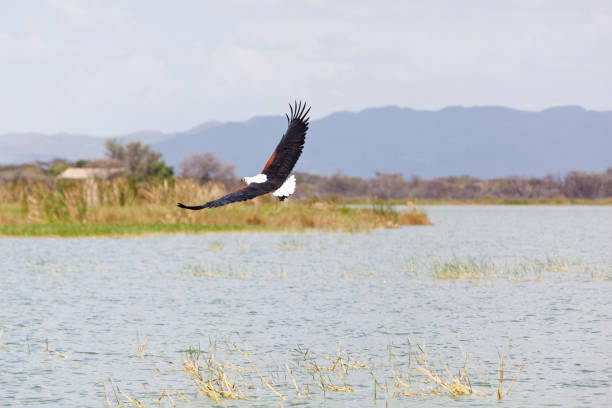
African Fish Eagles: Baringo’s Famous Birds
The African Fish Eagle is one of Lake Baringo’s most recognisable birds.
Its white head, powerful yellow beak and distinctive call make it an impressive sight.
Fish eagles commonly perch in tall trees overlooking the lake.
How Do Fish Eagles Hunt?
The birds watch the water from elevated positions.
When suitable prey appears near the surface, they may swoop down and catch it using their powerful talons.
Their hunting behaviour provides exciting photography opportunities.
However, visitors should avoid encouraging artificial feeding and allow the birds to hunt naturally.
Birdwatching Around Lake Baringo
Lake Baringo is internationally recognised for its exceptional bird diversity.
More than 470 bird species have been recorded around the lake and surrounding habitats.
Birdwatching opportunities extend beyond the shoreline into dry woodland, rocky cliffs and nearby wetlands.
Birds to Look For
| Bird species | Main attraction |
|---|---|
| African Fish Eagle | Powerful fishing raptor |
| Goliath Heron | Africa’s largest heron |
| Pied Kingfisher | Hovers before diving |
| African Darter | Long-necked diving bird |
| Great White Pelican | Large fish-eating waterbird |
| Hamerkop | Distinctive hammer-shaped head |
| Verreaux’s Eagle | Rocky-cliff specialist |
| Northern Red-billed Hornbill | Dry woodland bird |
Sightings vary according to season, weather and habitat conditions.
Best Time for Birdwatching
Early morning is generally the most rewarding time.
Birds are often active before temperatures rise.
The lake may also be calmer, improving boat conditions.
Why Morning Trips Are Popular
Morning light is attractive for photography.
Fish eagles may be observed perched near the water.
Herons, kingfishers and other waterbirds search for food.
A knowledgeable guide can help identify species by appearance and call.
Visiting Lake Baringo’s Islands
Lake Baringo contains several islands, including Ol Kokwe and Samatian.
Some support small communities, accommodation and natural attractions.
Ol Kokwe Island
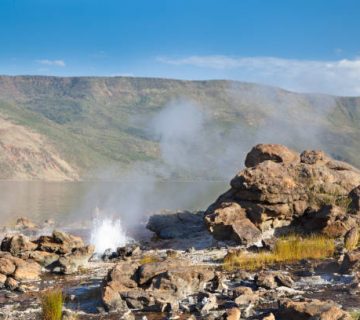
Ol Kokwe is associated with volcanic landscapes and geothermal activity.
Guided excursions may include suitable viewpoints and hot spring areas.
Visitors should avoid touching unfamiliar hot water.
Samatian Island
Samatian is known for attractive lake views and peaceful accommodation.
It provides opportunities for birdwatching and relaxation.
Island access depends on boat arrangements and water conditions.
Fishing Communities Around Baringo
Fishing remains an important livelihood around Lake Baringo.
Local fishermen catch species including tilapia and catfish.
Traditional fishing activities can sometimes be observed from organised boat excursions.
Learning About Local Livelihoods
Visitors may learn about fishing techniques and how catches are sold.
Fishing supports households, local restaurants and other businesses.
Always request permission before photographing fishermen or their equipment.
Community Experiences Near the Lake
Communities around Lake Baringo include Ilchamus, also known as Njemps, and other groups.
Local cultural experiences may introduce visitors to fishing traditions, food preparation and everyday rural life.
Responsible Community Visits
Choose experiences arranged with community participation.
Respect private homes and cultural practices.
Ask permission before taking photographs.
Support locally owned businesses where possible.
Rising Water Levels at Lake Baringo
Lake Baringo has experienced significant changes in water levels during recent decades.
Rising water has affected shoreline buildings, roads, farms and tourism facilities.
Why Water Levels Matter
Some former access roads and accommodation locations have been flooded.
Boat departure points may change.
Visitors should confirm the accessibility of their chosen property before travelling.
Water levels also influence wildlife habitats and shoreline vegetation.
Best Time to Visit Lake Baringo
Lake Baringo can be visited throughout the year.
However, relatively dry periods generally provide convenient conditions for outdoor activities.
January to March and June to September are often favourable.
Seasonal Visiting Guide
| Period | General conditions |
|---|---|
| January–March | Often warm and relatively dry |
| April–May | Increased rainfall |
| June–September | Generally suitable for outdoor activities |
| October–December | Variable rainfall |
Boat excursions depend on actual wind and weather conditions.
How Much Do Boat Trips Cost?
Boat prices vary according to the operator, duration, passenger numbers and planned route.
Some operators charge by the hour.
A locally advertised rate is approximately KES 3,000 per boat-hour, although actual quotations vary.
Before Paying
Confirm whether the price is per person or per boat.
Ask about the trip duration.
Check whether island stops are included.
Confirm life jackets and guide services.
Agree on the total cost before departure.
Is Swimming Allowed in Lake Baringo?
Swimming is strongly discouraged because the lake contains hippos and Nile crocodiles.
Water depth and underwater conditions also vary.
Visitors should enjoy the lake through professionally organised boat excursions rather than entering unfamiliar waters.
How to Reach Lake Baringo
Travellers commonly approach Lake Baringo from Nakuru through Marigat.
The journey from Nairobi may take approximately five to six hours, depending on road conditions and stops.
Private vehicles offer flexibility.
Some regional roads may become difficult after heavy rainfall.
Accommodation Around Lake Baringo
Accommodation includes lakeside camps, guesthouses and island properties.
Some establishments provide guided birdwatching and boat excursions.
Accommodation Options
| Type | Suitable travellers |
|---|---|
| Lakeside camps | Nature enthusiasts |
| Small guesthouses | Budget travellers |
| Island retreats | Couples and photographers |
| Safari lodges | Families and organised groups |
Confirm access arrangements because changing lake levels have affected some properties.
Combining Lake Baringo With Lake Bogoria
Lake Bogoria lies south of Baringo and is known for its alkaline waters, hot springs and flamingos.
The two lakes offer contrasting ecosystems.
Why Visit Both?
Baringo provides opportunities for freshwater birdwatching and hippo observation.
Bogoria is particularly attractive for geothermal scenery and flamingos when conditions are suitable.
Combining the lakes creates a rewarding Rift Valley nature itinerary.
Suggested Two-Day Lake Baringo Itinerary
Day One: Arrival and Boat Safari
Travel towards Lake Baringo.
Check into your accommodation.
Enjoy an afternoon guided boat excursion to observe hippos, crocodiles and waterbirds.
Spend the evening relaxing at your property.
Day Two: Birdwatching and Island Scenery
Begin with an early morning birdwatching excursion.
Explore selected shoreline habitats or arrange an authorised island visit.
Enjoy breakfast before continuing towards Lake Bogoria or another Rift Valley destination.
Photography Tips at Lake Baringo
Lake Baringo provides excellent opportunities for wildlife photography.
Fish eagles, kingfishers and hippos create memorable subjects.
A telephoto lens is useful for maintaining safe distances.
Early morning light often produces attractive reflections.
Avoid disturbing birds or asking boat operators to approach dangerous wildlife too closely.
Responsible Tourism at Lake Baringo
The lake supports important wildlife populations and local livelihoods.
Visitors should avoid littering or disturbing nesting birds.
Use experienced boat operators.
Respect fishermen and community property.
Never feed hippos, crocodiles or other wildlife.
Responsible tourism helps protect Lake Baringo’s fragile ecosystem.
Why Lake Baringo Is Worth Visiting
Lake Baringo offers one of Kenya’s most distinctive freshwater wildlife experiences.
Its boat excursions provide opportunities to observe hippos, crocodiles, African Fish Eagles and numerous other birds.
The surrounding islands, fishing communities and Rift Valley landscapes add cultural and scenic interest.
For travellers seeking a quieter destination beyond Kenya’s famous safari parks, Lake Baringo combines natural beauty, birdwatching and rewarding wildlife encounters.


No comment