
Traveling to the Buhoma Sector in the Rainy Season: Pros and Cons
The Buhoma sector, on the northern edge of Bwindi Impenetrable National Park, is the oldest established gorilla trekking sector and remains one of the most popular entry points for travelers, and understanding how Uganda’s rainy seasons, roughly March through May and September through November, affect a Buhoma visit helps you plan realistically around the genuine trade-offs involved.
Pro: The Forest Reaches Its Most Vivid State
Rainy season transforms Buhoma’s forest into an even more lush, dramatically green version of itself, and photographers in particular find this period rewards them with rich color saturation and misty, atmospheric conditions that dry season’s clearer skies simply don’t produce. This lushness extends to the gorilla habitat itself, often showing healthy new growth that draws feeding gorilla groups into different patterns.
Con: Trekking Trails Become Genuinely Muddy
Buhoma’s already steep, forested terrain becomes considerably more challenging during rainy season, with slippery mud adding real physical demand to what’s already a moderately difficult trek, and travelers should budget extra time and energy for treks during these wetter months. Proper waterproof, grip-soled boots become essential rather than optional during this period.
Pro: Noticeably Fewer Fellow Trekkers
Buhoma sees meaningfully reduced visitor numbers during the rainy season compared to peak dry season months, and travelers who value a quieter, less crowded trekking experience, along with more personal attention from guides and porters, often find this trade-off genuinely worthwhile despite the less predictable weather.
Con: Gorilla Tracking Times Can Be Less Predictable
Heavy rainfall can push gorilla groups into denser, harder-to-access parts of the forest, occasionally extending tracking times beyond what travelers experience during drier months, and trekkers should mentally prepare for potentially longer treks during the rainy season rather than assuming the standard two-to-four-hour estimate applies uniformly year-round.
Pro: Lower Accommodation Rates Around Buhoma
Many lodges around Buhoma offer reduced rates during the rainy season shoulder periods, reflecting lower demand, and budget-conscious travelers can secure noticeably better value on accommodation that commands premium pricing during the busier dry season months. This rate difference can meaningfully offset the added logistical challenges of wetter conditions.
Con: Photography Conditions Require More Adaptation
While rainy season’s lush greenery photographs beautifully, the more frequent overcast conditions and occasional active rain during treks require photographers to adapt settings and protect gear more actively than during predictable dry season light. Rain covers and extra lens cloths become essential equipment rather than optional extras during this period.
Pro: Birding Reaches Its Peak Activity
Buhoma’s already excellent birding, given Bwindi’s status as a premier birding destination, becomes particularly active during rainy season as increased insect activity draws a wider variety of species, making this period genuinely rewarding for dedicated birders despite the less predictable trekking conditions on any given day.
Con: Road Access to Buhoma Can Slow Considerably
The roads connecting Buhoma to the wider region, some of which remain unpaved, become considerably more challenging during sustained rainfall, and travelers with tight onward connections or specific permit dates should build meaningful buffer time into their itinerary when traveling to or from Buhoma during rainy months.
Pro: A More Atmospheric, Contemplative Experience
Many travelers describe rainy season Buhoma, with mist settling into the forest canopy and quieter trails, as offering a genuinely more contemplative, atmospheric encounter with the forest than the busier, brighter dry season version. This mood appeals particularly to travelers seeking a less conventionally postcard-perfect but more emotionally resonant experience.
Con: Extended Gear and Clothing Requirements
Rainy season Buhoma travel demands a more extensive packing list, including proper rain gear, waterproof bags for electronics, and backup dry clothing, than a dry season visit requires, and travelers underestimating this preparation often find themselves genuinely uncomfortable during extended wet-weather trekking days.
How Buhoma’s Rainy Season Compares to Other Bwindi Sectors
Buhoma’s lower elevation compared to sectors like Ruhija means it generally stays somewhat warmer during rainy season, though this doesn’t meaningfully reduce the mud and trail challenges rainfall brings across all of Bwindi’s sectors. Travelers choosing between sectors specifically for rainy season timing should weigh this modest temperature difference against other sector-specific factors like gorilla family character and lodge options.
Combining Buhoma With a Broader Southwestern Uganda Circuit
Many travelers pair Buhoma with Lake Bunyonyi or Queen Elizabeth National Park, and rainy season timing affects this broader circuit similarly, meaning travelers already prepared for wetter conditions in one destination will find the adjustment to Buhoma’s rainy season trekking relatively familiar rather than an unexpected additional complication.
Making the Rainy Season Work in Your Favor
Travelers who approach a rainy season Buhoma visit with genuine flexibility, appropriate gear, and realistic expectations about trekking duration consistently report satisfying experiences that rival, and sometimes emotionally surpass, their dry season counterparts, suggesting the season itself matters less than how well-prepared travelers arrive.
A Balanced Final Assessment
Weighing these pros and cons together, rainy season Buhoma suits travelers prioritizing value, quieter trails, and lush scenery who can tolerate genuine physical and logistical challenges, while dry season better serves those wanting predictable conditions and easier trekking. Neither choice is objectively superior, and the right decision depends entirely on your specific priorities.
What Local Guides Say About Rainy Season Trekking
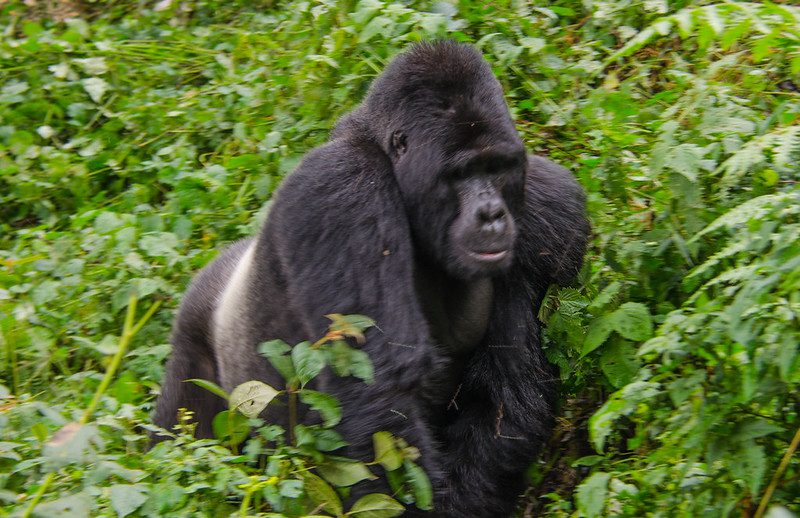
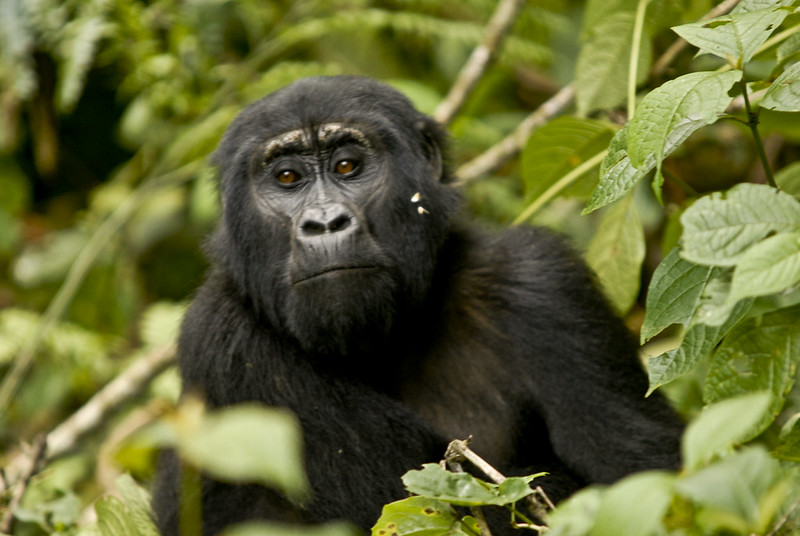
Ranger guides who work Buhoma’s trails year-round often note that rainy season gorilla encounters, while requiring more physical effort to reach, sometimes produce particularly memorable moments, since gorillas themselves seek shelter under dense canopy during active rain, occasionally creating close, intimate viewing opportunities as your group shares that same sheltered space.
Health Considerations Specific to Rainy Season Travel
Increased humidity and standing water during rainy season can affect mosquito activity, making consistent malaria prevention measures particularly important during this period, alongside the standard health precautions relevant to any Uganda safari. Packing appropriate insect repellent and ensuring accommodation offers proper mosquito protection matters more during these wetter months.
Insurance and Flexibility Considerations
Given rainy season’s greater potential for weather-related disruption, confirming your tour operator and gorilla permit provider’s rescheduling policies before booking offers useful peace of mind, particularly for travelers whose broader itinerary leaves little buffer for an unexpected trekking delay.
Community Visits During Rainy Season
Buhoma’s cultural and community-based tourism offerings, including Batwa experiences and village walks, generally proceed with less disruption during rainy season than gorilla trekking itself, since these activities typically involve shorter outdoor segments interspersed with covered spaces, making them a reliable way to fill wetter days without sacrificing meaningful activity.
Final Thoughts on Weighing the Trade-Offs
Ultimately, travelers considering rainy season Buhoma should honestly assess their own tolerance for physical challenge and unpredictability against the genuine rewards of lower costs, fewer crowds, and a more atmospheric forest experience, recognizing that thoughtful preparation can meaningfully offset most of the season’s practical downsides.
What Repeat Visitors Say About the Two Seasons
Travelers who have experienced Buhoma during both dry and rainy seasons often describe the rainy season version as more physically demanding but emotionally richer, citing the mist-shrouded forest and quieter trails as genuinely enhancing the sense of encountering gorillas in a truly wild, undisturbed setting.
Practical Steps to Take Before Booking
Whichever season you choose, confirming current trail conditions, gorilla family locations, and lodge availability directly with your tour operator shortly before your trip ensures your specific preparation matches the actual conditions you’ll encounter rather than general seasonal assumptions alone.
Final Packing Priorities for Either Season
Regardless of which season you ultimately choose, a genuinely good rain jacket, quality waterproof boots, and a dry bag for electronics belong in every Buhoma packing list, since Uganda’s rainforest climate can produce unexpected showers even during officially designated dry months.
Closing Thoughts on Choosing Your Season
There’s no universally correct answer to when you should visit Buhoma, and travelers who reflect honestly on what they value most, predictability or atmosphere, cost savings or clear skies, tend to arrive at a season choice they feel genuinely good about rather than one dictated purely by generic travel advice.
The Emotional Payoff Rarely Discussed in Season Comparisons
Beyond the practical pros and cons, many travelers describe an unexpected emotional payoff to rainy season Buhoma treks, a heightened sense of earned achievement after navigating genuinely difficult conditions to reach the gorillas, a dimension of satisfaction that dry season’s easier trails simply don’t produce in quite the same way.
One More Practical Note on Permit Flexibility
Gorilla permits themselves remain valid regardless of weather conditions on your assigned trekking date, meaning rain alone doesn’t entitle you to rescheduling, so genuinely committing to your chosen season and preparing accordingly matters more than hoping for a weather-based exception once you’ve already booked.
A Brief Recap of the Core Trade-Off
At its simplest, rainy season Buhoma trades predictability and ease for atmosphere and value, while dry season trades that atmosphere for reliability, and neither trade is inherently the wrong choice for a well-informed traveler.
Planning Your Buhoma Sector Visit
Whichever season you choose, Buhoma’s forest and gorilla trekking reward travelers who plan around the genuine seasonal trade-offs. All in Africa Safaris can help you time your Buhoma visit to match your priorities, or you can get in touch to plan the rest of your Bwindi itinerary.

No comment