
Katavi National Park: Tanzania’s Wildest Secret
Katavi National Park is Tanzania’s third-largest national park and one of its least visited, a genuinely wild stretch of western Tanzania where a single dry-season waterhole can hold hundreds of hippos packed shoulder to shoulder. This guide covers what makes Katavi National Park worth the extra effort to reach: the dry-season spectacle that draws serious safari travelers, the wildlife, and the honest logistics of getting somewhere this remote.
Key Highlights
- Tanzania’s third-largest national park at 4,471 square kilometers, yet one of its least visited
- Home to a dry-season hippo and crocodile spectacle that ranks among Africa’s most dramatic wildlife concentrations
- Only three permanent camps operate inside the park, each capped around 12 guests, keeping the whole experience genuinely exclusive
- Reached almost exclusively by charter flight, since the overland drive from major cities runs 16 to 20-plus hours on largely unpaved roads
- Best visited July through October, when the dry season pushes wildlife into tight concentrations around shrinking water sources


Why Katavi Is Tanzania’s Wildest Park
Big, Remote, and Genuinely Overlooked
Katavi National Park sits in western Tanzania’s Katavi Region, in the Mlele and Nsimbo districts roughly 40 kilometers south of Mpanda, and covers 4,471 square kilometers, making it Tanzania’s third-largest park after Ruaha and the Serengeti. Despite that scale, it barely registers on most travelers’ radar: in one recorded year, the park drew only around 1,500 foreign visitors against roughly 900,000 across all of Tanzania’s national parks combined, a gap that says everything about how far off the standard circuit Katavi sits.
What Its Remoteness Actually Buys You
That obscurity is precisely the appeal for travelers who have already done the Serengeti and Ngorongoro and want a park where you genuinely might not see another vehicle for hours. Katavi’s isolation has kept it largely free of the crowds that gather around sightings on Tanzania’s northern circuit, so a hippo pool packed with drama or a pride working a kill plays out without a line of Land Cruisers jostling for position.

Miombo Woodland, Floodplain, and Open Grassland
Katavi’s landscape shifts across the park from dry miombo woodland covering much of the surrounding terrain to riverine forest hugging the watercourses, with expansive floodplains, seasonal lakes, and open grassland filling out the rest. That variety of habitat within a single park is a large part of why Katavi supports such a broad wildlife list despite sitting so far from Tanzania’s more famous ecosystems, and it gives game drives here a genuinely different visual character from one part of the park to the next.
The Dry-Season Spectacle
Hundreds of Hippos, One Shrinking Pool
As Katavi’s dry season deepens, the Katuma River and the seasonal floodplains around Lake Katavi and Lake Chada shrink down to a handful of muddy pools, and the wildlife that depends on them has nowhere else to go. Mudholes can end up packed with hundreds of hippos at a time, jammed together in scenes that regularly turn violent as animals fight for the shrinking wallowing space, while Nile crocodiles crowd the same pools working the edges for an opportunistic meal. Guides who know the park well will sometimes park at a single pool for hours during peak dry season, since the social drama unfolding in the water is more compelling than driving on to look for something else.
The Herds That Follow the Water
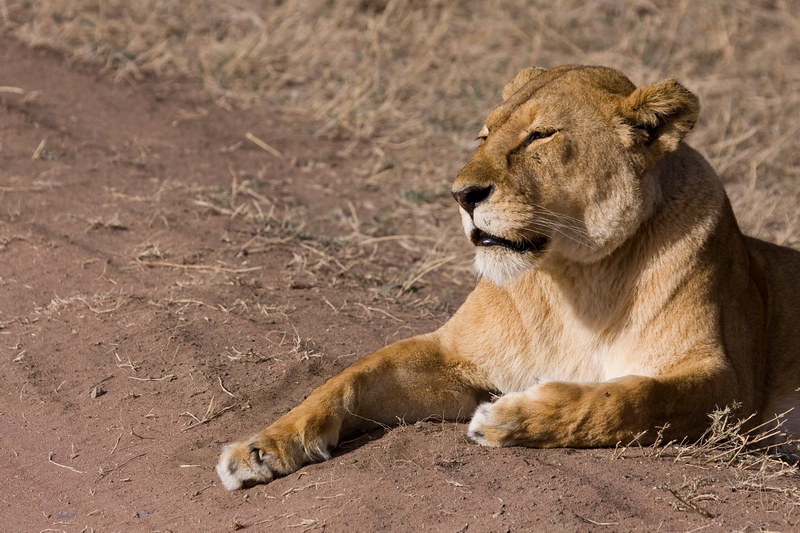
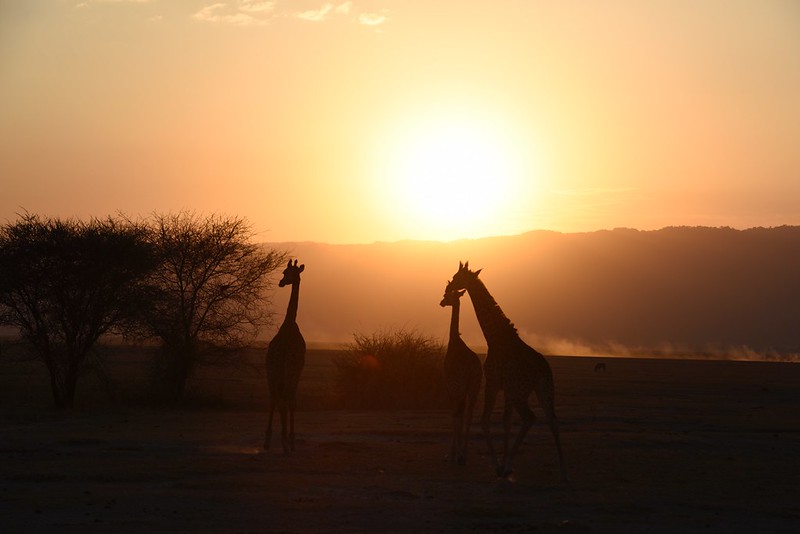
The same shrinking water sources concentrate huge numbers of Cape buffalo, zebra, and Masai giraffe, along with herds of topi and impala moving across the open plains in numbers that rival much better-known parks. Lions, leopards, cheetahs, wild dogs, and hyenas all follow that concentration of prey, which makes peak dry season at Katavi a genuinely reliable predator-viewing window despite the park’s low visitor numbers and lower profile.
Activities and Birdlife
Walking Safaris and Night Drives
Katavi National Park offers a genuinely varied activity list beyond the standard game drive, including armed-guide walking safaris that follow trails down to the Katuma River and out toward the seasonal lakes at Katavi and Chada, plus night game drives that open up a different set of nocturnal species entirely. That range of activities is unusual for a park this remote, and it reflects how the handful of camps operating here have built genuinely immersive multi-day stays rather than a single repeated game drive format.
Over 400 Bird Species
Katavi’s mix of wetlands, woodland, and open floodplain supports more than 400 recorded bird species, with fish eagles, storks, herons, kingfishers, and bee-eaters among the regulars, alongside a strong showing of migratory species that pass through seasonally. For birders willing to make the trip, Katavi offers the kind of variety usually associated with dedicated birding destinations, layered on top of everything else the park is known for.
Planning Your Visit
Getting There
Nearly every visitor reaches Katavi by charter flight, typically around three hours from Dar es Salaam, landing on one of the park’s dirt airstrips, since the overland alternative runs 16 to 20-plus hours on largely unpaved roads from major cities. That flight cost is a real part of budgeting a Katavi trip, but it is also what keeps the park as uncrowded as it is, since the effort filters out all but the most committed safari travelers.
Where to Stay
Only three permanent camps operate inside the park, Mbali Mbali Katavi Lodge, Chada on the Chada Plain, and a Foxes-run camp on the Katuma Plain, each capped at around 12 guests. That small a footprint across a park this large means genuine exclusivity is close to guaranteed rather than a marketing claim, and it also means booking ahead matters more here than at parks with dozens of lodge options.
Best Time to Visit
July through October is the standard recommendation, with the dry-season spectacle building toward its peak between August and October as water sources shrink to their smallest. Most camps close entirely during the wet season, roughly March through May, when the floodplains fill back up, wildlife disperses across a much wider area, and many of the park’s dirt tracks become genuinely difficult to drive.
What It Costs
Entry combines a conservation fee, vehicle fee, and any camping or activity charges, plus Tanzania’s standard 18 percent VAT on top, with options ranging from basic TANAPA rest houses at the budget end up to classic fly-in tented camp packages at the top. Given how few properties operate here and how charter flights dominate access, expect a Katavi trip to cost meaningfully more per day than an equivalent northern-circuit safari, a trade-off most visitors judge worth it for the wildlife density and total lack of crowds.
Conservation Status
Katavi has not been immune to the poaching pressure that hit much of Tanzania hard during past decades, and its remoteness cuts both ways: the same isolation that keeps tourist numbers low also makes anti-poaching patrols logistically harder than in parks with dense road networks and constant vehicle presence. Ongoing protection efforts have kept the park’s core wildlife populations intact, and the dry-season concentrations that make Katavi famous are themselves a sign of a functioning, healthy ecosystem rather than a diminished one.
What You Won’t See Here
Katavi is not a Big Five park in the way the Serengeti or Ngorongoro Crater are. Elephants, lions, leopards, and buffalo are all here in real numbers, but rhino are not part of the park’s current wildlife picture, so travelers specifically chasing a Big Five checklist should treat Katavi as an addition to a northern-circuit trip rather than a substitute for one.
Frequently Asked Questions
Is Katavi National Park worth visiting if I’ve already done the Serengeti?
Yes, particularly if you want a genuinely different, far less crowded experience. Katavi’s dry-season hippo and crocodile concentrations rival anything on the northern circuit, just without the vehicle traffic.
Can you drive to Katavi from Dar es Salaam or Arusha?
Technically yes, but the drive runs 16 hours or more on largely unpaved roads, which is why nearly every visitor flies in by charter instead.
How many days should I spend at Katavi?
Three to four days is a realistic minimum given the cost and effort of getting there, enough time to properly work the dry-season hippo pools and cover the park’s wider plains for predator sightings.
Is Katavi open year-round?
Most camps close during the wet season, roughly March through May, so plan a visit for the dry season, June through December, with July through October as the strongest window.
Does Katavi National Park have rhino or the full Big Five?
No, rhino are not currently part of Katavi’s wildlife population, so it doesn’t offer a Big Five checklist experience. It excels instead at density-driven spectacle: hippos, crocodiles, buffalo, and predators concentrated around shrinking dry-season water.
What should I pack for a Katavi trip?
Neutral-colored clothing for walking safaris, sturdy closed shoes, sun protection, and binoculars given the birding opportunities. Charter flight luggage limits are often stricter than commercial flights, so confirm baggage weight allowances with your operator before packing.
Recommended Safaris
Katavi National Park suits travelers building an off-the-beaten-path extension onto a wider Tanzania trip. See our guide to Rubondo Island National Park for another genuinely remote Tanzania destination, and our Lake Manyara National Park guide for how a Katavi extension might pair with a more standard northern-circuit itinerary. Travelers planning a longer East Africa trip should also look at the 15-Day Ultimate East Africa Group Safari. When you are ready to plan a trip to Katavi, get in touch with our team and we will help you work out the charter flight logistics and camp availability.

No comment