
Lake Manyara National Park: The Complete Guide
Lake Manyara National Park is the park Ernest Hemingway once called the loveliest he had seen in Africa, a narrow strip of ground squeezed between the soda lake and the sheer wall of the Great Rift Valley escarpment. It packs an unusual amount of variety into a small, compact footprint, tree-climbing lions, enormous flamingo flocks, and dense groundwater forest, which makes this complete guide worth reading before you build it into a northern-circuit Tanzania itinerary.
Key Highlights
- Home to one of only two known lion populations in Africa that regularly climb trees, the other being Uganda’s Ishasha sector
- A narrow park squeezed between the alkaline lake and a Rift Valley escarpment wall rising over 1,200 meters
- Historically one of Africa’s great flamingo spectacles, with the lake’s shallow alkaline water drawing enormous flocks
- A genuine elephant recovery story after the population was devastated by poaching in the 1980s
- Compact enough to visit as a single day from Arusha, or combine easily with Ngorongoro and Tarangire on a longer circuit


Where Lake Manyara National Park Is and How It’s Shaped
A Narrow Strip Between Lake and Escarpment
Lake Manyara National Park sits in Tanzania’s Arusha and Manyara regions, squeezed into a narrow corridor between the alkaline lake itself and the Gregory Rift wall, which rises steeply from the valley floor to between roughly 1,219 and 1,829 meters. The park covers 648 square kilometers in total, with the lake accounting for around 230 square kilometers of that footprint, which leaves a comparatively thin band of habitat, forest, woodland, and open ground, packed between water on one side and rock wall on the other.
From Hunting Ground to National Park
Sport hunting took place around Lake Manyara from the 1920s onward before the area was upgraded to a game reserve in 1957, and it received full national park status in 1960, one of the earlier parks in Tanzania’s protected area system. An additional 550 hectares were added to the park’s southern end in 1974, rounding out the boundaries that define the park today.
Why the Location Matters
That narrow band between rift wall and lake isn’t just scenic, it concentrates wildlife in a way few other parks manage. Water draining off the escarpment feeds the groundwater forest and the shallow lake margins, drawing animals into a comparatively small, predictable area rather than scattering them across open plains the way the Serengeti does. That concentration is a large part of why a park as small as Manyara punches so far above its size in terms of wildlife density per square kilometer.
The Tree-Climbing Lions
A Behavior Nobody Fully Understands
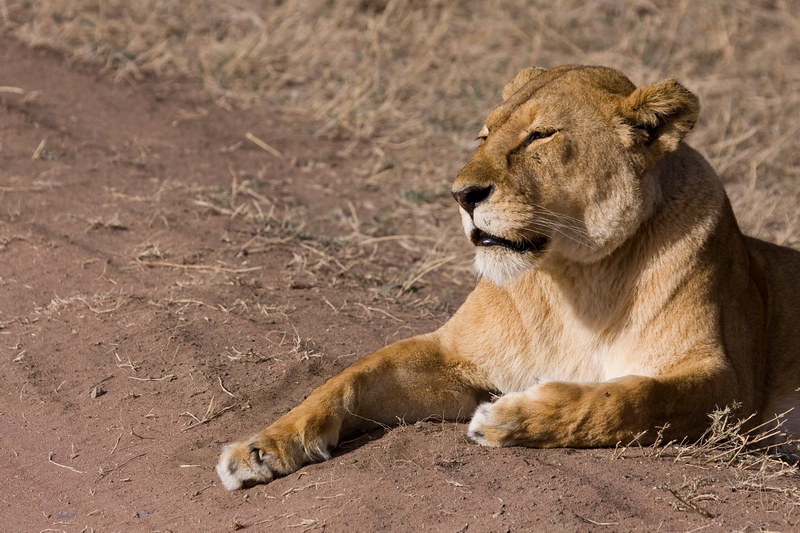
Lake Manyara is best known for lions that spend their days draped over the branches of mahogany and sausage trees, sometimes four meters off the ground, a habit that puts it alongside Uganda’s Ishasha sector in Queen Elizabeth National Park as one of the only two well-documented tree-climbing lion populations anywhere in Africa. Researchers still don’t fully agree on why they do it. The leading theories point to escaping ground-level heat and biting tsetse flies, or a learned behavior passed down within specific prides rather than an instinct shared by lions generally, but no single explanation has been conclusively proven.
Where and When to Spot Them
Sightings cluster around the park’s acacia woodland in the drier months, when the combination of heat and tsetse activity on the ground is at its worst and the trees offer the clearest relief. Even so, tree-climbing sightings are never guaranteed on any single game drive, and guides who know the park’s specific pride territories generally have better luck than a purely random search through the woodland.
Flamingos and the Rest of Manyara’s Birdlife
A Historic Flamingo Spectacle
Lake Manyara’s shallow, alkaline water has long made it one of East Africa’s great flamingo gathering points, with historical surveys counting close to two million lesser flamingos alongside tens of thousands of greater flamingos on the lake at once. Flamingo numbers shift with water levels and algae conditions from year to year, so treat any specific count as a snapshot rather than a guarantee, but the lake’s basic character as a major flamingo site has held for decades.

The Groundwater Forest
North of the lake, a dense groundwater forest fed by underground springs rather than direct rainfall supports a completely different bird community from the open lakeshore, including major breeding colonies of pink-backed pelicans and yellow-billed storks. Combined with the lake’s open water and surrounding woodland, the park has recorded more than 390 bird species across its various habitats, a genuinely impressive tally for a park this size.
Elephants and the Rest of Manyara’s Wildlife
A Real Recovery Story
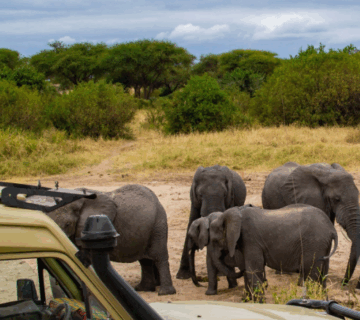
Manyara’s elephants tell one of Tanzania’s clearer poaching-and-recovery stories: the population collapsed by roughly 75 percent between 1985 and 1991 during the worst years of the ivory poaching crisis, before rebounding to around 200 individuals by the mid-1990s under stronger protection. It remains a smaller elephant population than Tarangire’s next door, but the recovery itself is a genuine conservation success worth knowing about rather than just watching elephants at a waterhole without context.
Other Wildlife to Watch For
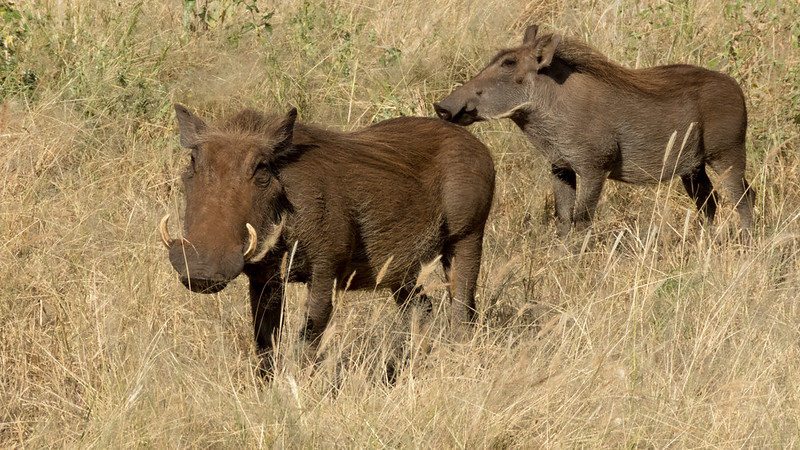
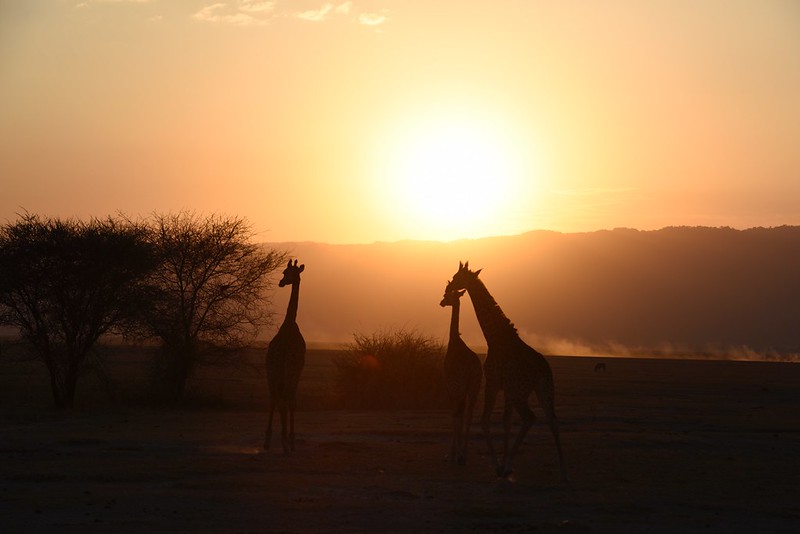
Beyond the lions and elephants, Manyara supports healthy numbers of buffalo, giraffe, hippo in the lake’s shallows, and blue monkeys and olive baboons in the groundwater forest, giving the park a genuinely varied wildlife list packed into a small area that most visitors drive through in half a day.
The Hippo Pool
Near the park’s southern end, a dedicated hippo pool offers a reliable stop for watching a resident pod at close range from the safety of a vehicle, often with a supporting cast of egrets and herons picking through the shallows around them. It is a popular lunch-stop location on longer game drives, combining a near-guaranteed sighting with a genuinely scenic spot to pause the day.
The Treetop Canopy Walkway
A separate highlight worth planning around is the canopy walkway strung through the groundwater forest, one of the longer such structures in Africa, which puts visitors up in the forest canopy itself rather than looking up at it from a vehicle below. It is a genuinely different way to experience the park’s birdlife and forest structure, and pairs well with a game drive on the same day since the walkway sits within easy reach of the park’s main entrance.
Planning Your Visit
Entry Fees
Foreign non-resident adults pay around 59 US dollars per person per day, with children charged roughly 18 US dollars, figures set by Tanzania National Parks and subject to periodic revision. The park’s treetop canopy walkway, a separate attraction strung through the groundwater forest, costs an additional 30 to 40 US dollars per non-resident adult on top of standard park entry.
How to Get There
Lake Manyara sits roughly two hours by road from Arusha, making it an easy first or last stop on a northern-circuit itinerary that also takes in Tarangire, Ngorongoro Crater, and the Serengeti. Most visitors combine it with at least one of those parks rather than visiting Manyara in isolation, since its modest size makes a single dedicated round trip from Arusha a less efficient use of time than folding it into a longer circuit.
A Common Circuit Pattern
A typical northern-circuit sequence runs Arusha to Lake Manyara for a first game drive, then on to Ngorongoro Crater for its famous rim-to-floor descent, before continuing to the Serengeti for the main event. Placing Manyara first, rather than last, tends to work better logistically, since it sits closest to Arusha and lets the rest of the circuit build toward the Serengeti’s bigger landscapes rather than winding down from them.
Best Time to Visit
The dry season, roughly June through October, brings the best odds for both tree-climbing lion sightings and general game viewing, as animals concentrate around the remaining water sources. The wetter months bring the lake to life for birding and flamingos in particular, so the right season really depends on whether birds or big cats are the priority for your visit.
Frequently Asked Questions
Are the tree-climbing lions guaranteed to be visible?
No. It is a genuine behavior specific to this park’s lion population, but sightings depend on where the pride happens to be on a given day. Guides familiar with current pride territories improve your odds considerably.
How long do you need at Lake Manyara National Park?
A half or full day covers the park well given its compact size. Most itineraries treat it as a stop en route to or from Ngorongoro and the Serengeti rather than a multi-day standalone destination.
Is Lake Manyara good for a first-time Tanzania safari?
Yes, particularly as part of a wider northern-circuit itinerary. Its combination of birding, tree-climbing lions, and elephants gives first-timers a genuinely varied introduction before moving on to the bigger, more open parks.
Why do the lions climb trees here specifically?
The behavior isn’t fully understood, but the leading theories point to escaping ground-level heat and tsetse flies, or a learned habit passed down within specific prides rather than a trait shared by lions everywhere.
Can you camp inside Lake Manyara National Park?
Yes, public and special campsites exist within and near the park for travelers on a mobile camping itinerary, alongside a range of lodges positioned along the rift escarpment above the park with views down over the lake.
Recommended Safaris
Lake Manyara pairs naturally with the rest of Tanzania’s northern circuit. See our 7 Days Serengeti and Bwindi Gorillas itinerary for how it can combine with East Africa’s primate destinations, and our guide to Rubondo Island National Park for another way to extend a Tanzania trip beyond the standard parks. Travelers comparing tree-climbing lion destinations should also see our Bwindi Impenetrable National Park guide for background on Uganda’s own primate parks nearby. For a broader multi-country trip, the 15-Day Ultimate East Africa Group Safari is worth a look too. When you are ready to build Lake Manyara into your Tanzania itinerary, get in touch with our team and we will help you plan the logistics around Arusha, Ngorongoro, and the Serengeti.

No comment