
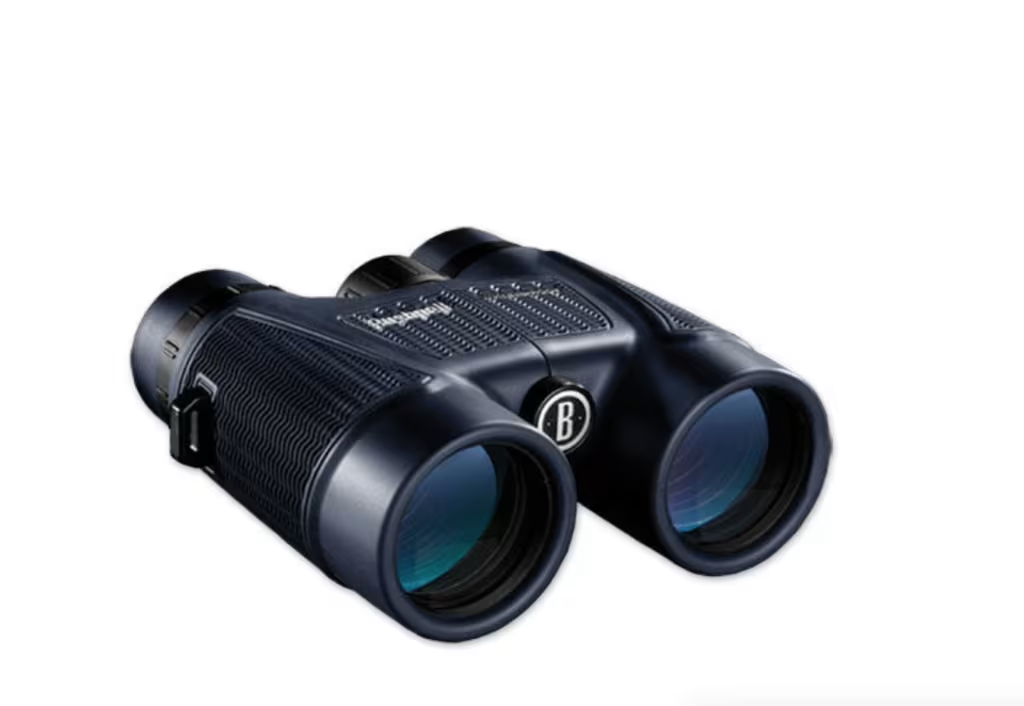
How to Choose the Right Binoculars for African Birding
birding can change your whole safari experience. You might see a flash of blue on a woodland trail hear a fish eagle calling from a branch or spot a tiny sunbird among flowers. These small moments turn a morning into a memory you will keep forever. The problem is that many beautiful birds in Africa are far away fast or hiding in thick bushes. The right binoculars bring those birds closer to you without scaring them. The right binoculars help you see details that your eyes would miss on their own.
Learning how to choose the binoculars for African birding starts with knowing where you will go and what you want to see. African birding happens in places like open savannas, thick forests, wetlands, lakes, mountains and even near safari lodges. No single pair of binoculars is perfect for every place but a good pair can work well in many different spots.
Why Binoculars Matter on an African Birding Safari
Binoculars are some of the tools you can take on a birding safari. They let you watch birds from a distance so you do not bother them. With binoculars you can see feather patterns, eye colour, wing markings, bills and shapes. These small details are what help you tell one bird species from another.
Imagine watching a shoebill in a Ugandan wetland. That bird might stand still many metres away in the reeds. Good binoculars let you look at its bill, its pale eyes and its body shape without walking too close. In places a bird might hide behind leaves. Clear binoculars help you identify the bird even if you can only see a part of it.
Binoculars also make birding fun if you are new to the hobby. You do not have to listen to a guide tell you what is happening. You can watch the bird yourself. You will start to notice how birds act how they find food and how they interact with birds.
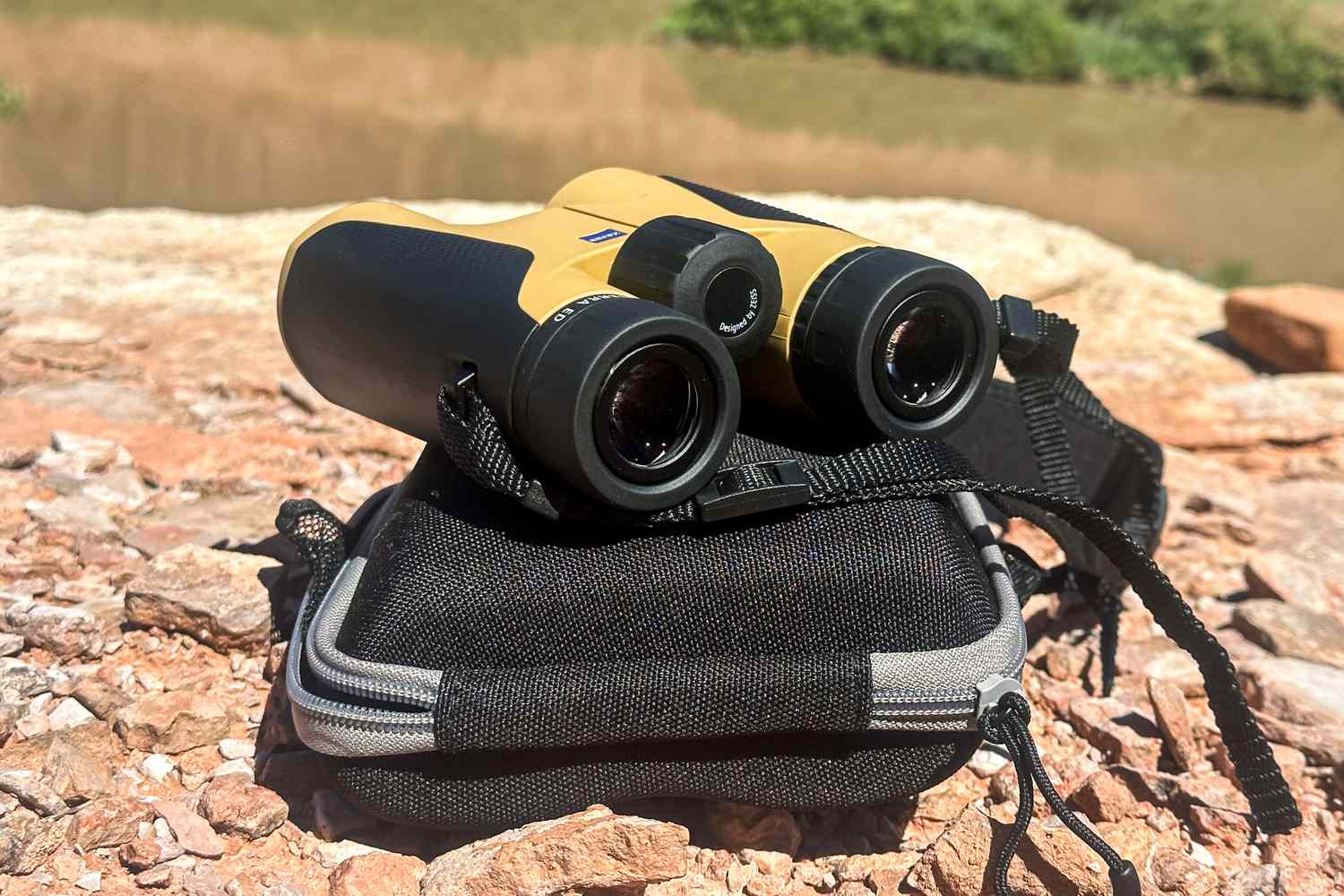
Understanding Binocular Numbers
When you look at binoculars to buy you will see numbers like 8×42, 10×42 or 8×32. These numbers are very important because they tell you how the binoculars will work.
The first number is the magnification. An 8x binocular makes a bird look eight times closer than it does with your naked eyes. A 10x model makes things look even closer which is great when you are looking at birds across grasslands or large wetlands.
The second number is the size of the lenses in millimetres. A 42mm lens lets light into the binoculars than a 32mm lens. This makes the view much brighter which is very helpful when you are birding early in the morning or late in the afternoon.
For African safari trips 8×42 is a great choice to start with
These binoculars offer a balance of zoom, brightness and weight. A 10×42 pair can be great, for people who spend a lot of time watching birds that’re far away in open spaces.
10X42? The choice between 8×42 and 10×42 relies heavily on your birding style. An 8×42 model usually gives a field of view which helps you spot birds that dart through branches. An 8×42 also feels lighter and steadier in hand.
A 10×42 model offers detail from far away. This is useful in places like the Serengeti, Maasai Mara, Akagera Queen Elizabeth National Park or any wide savanna where birds are distant from your vehicle.
If this is your serious pair of binoculars 8×42 is usually the safer choice. If you already know how to use binoculars and you often watch birds that’re far away 10×42 may fit you better.
Look for clear optics. Magnification alone does not decide quality. Optical clarity is one of the important factors. Good binoculars give an image with natural colours and strong detail across most of the field of view.
African birding usually starts before sunrise when light is low
Birds can be active in the hours of daylight so brightness matters a lot. A good pair of binoculars should let you see clearly without much darkness, glare or colour distortion.
Also look at lens coatings. Multi‑coated optics can let more light in and cut unwanted reflections. You do not need the expensive binoculars but buying decent optical quality can make a clear difference when you use them often.
Choose binoculars that feel comfortable. You might spend hours carrying and using binoculars during a safari. Comfort is almost as important as performance.
Before buying hold binoculars in your hands. Check if they feel balanced and if you can reach the focusing wheel easily. Adjust the eyecups. Be sure you can see the full image without constantly moving your eyes.
Weight is also important. Large binoculars can gather light but heavy gear can tire you on long walks. If you mix vehicle safaris with forest walks, wetland trips or mountain birding a lighter pair might be more practical.
A comfortable pair of binoculars is the one you will use all day. The best specifications mean little if the binoculars become uncomfortable after a time.
Consider Africas weather and environment
African birding can expose binoculars to dust, humidity, rain, mud and changing temperatures. Your binoculars must handle outdoor conditions.
Water‑resistant construction is useful in wetlands or rainforest areas. Waterproof and nitrogen‑purged binoculars give protection against moisture and internal fogging. This helps when you move from mornings to warm daytime conditions.
A strong exterior is also valuable. Safari vehicles can be dusty roads can be rough. Equipment may get knocked. Look for a design with good rubber armour and solid construction.
Protect your investment. Even durable binoculars need handling. Keep binoculars in a case when not in use and use the neck strap or harness properly while moving. A soft lens cloth should always be part of your birding kit.
Avoid wiping lenses with clothing
Fine particles can scratch surfaces over time. Instead remove dust first then clean lenses with proper optical tools.
Think about your birding habitat. Your destination should shape your choice. Open savannas favour binoculars that work well at distances. Forest birding values a field of view quick focusing and good low‑light performance.
Wetlands need equipment that handles humidity and occasional splashes. Mountain forests may need binoculars because you might carry them for hours while walking on uneven trails.
This is why a guide on choosing the binoculars for African birding should start with your safari itinerary. If you visit Uganda for forest, wetland and savanna birding versatility can be more useful than picking binoculars made for one habitat.
Do not ignore close‑focusing ability
Birds are not always away. Some species may come close to vehicles, lodge gardens, forest trails or campsites.
Close‑focus distance tells you how close an object can be while still sharp through binoculars. A short close‑focus distance is useful when watching sunbirds, weavers, bee‑eaters, butterflies and other small wildlife.
This feature is especially fun in gardens and forest settings, where colourful birds may show up a few metres away.
Your budget should match your goals. Binocular prices vary a lot. Spending more does not mean you will enjoy birding more. A good mid‑range pair, with optics, comfortable handling and durable construction can serve you for years.
If you are going on your African birding trip set a realistic budget and prioritize optical quality, comfort, weather resistance and warranty support. It is usually better to buy a pair that you can carry comfortably than an expensive model that feels too heavy or complicated.
If birding becomes a long‑term passion you can upgrade later. Your first safari will also show you which features you value most.
Test Before You Travel
Whenever test binoculars before taking them to Africa. Look at objects at distances and under different lighting conditions. Test the focus wheel adjust the eyecups and check whether you can quickly locate a moving bird.
Try observing something against a busy background. This can reveal how easily you can acquire a subject. A pair of binoculars that feels excellent while looking at a stationary object may feel very different when you are trying to locate a tiny bird moving between leaves.
Learning to use binoculars before departure is equally important. Practice focusing with both eyes adjusting the interpupillary distance and locating birds quickly. These simple skills can save seconds when a rare species appears.
Pair Binoculars With Patience
equipment cannot replace observation skills. African birding rewards patience. Birds may appear for a few seconds and rushing can cause you to miss important details.
Listen before looking. Watch where other birds are moving. Study trees, grasses, water edges and exposed branches. When you spot movement, raise binoculars slowly. Focus carefully.
Over time you will become better at predicting where birds may appear. Your equipment becomes an extension of your observation than something you are constantly adjusting.
Make Every Safari Morning Count
The best binoculars are the ones that encourage you to keep looking. Binoculars should feel comfortable around your neck focus quickly produce an sharp image and remain dependable when the conditions change.
Choosing the binoculars for African birding is ultimately about matching binoculars to the experience you want. An 8×42 pair may be ideal for a first‑time safari while a seasoned birder may prefer 10×42 binoculars for species. Forest specialists may prioritize a field of view while wetland enthusiasts may place greater emphasis on weather resistance.
African birding offers thousands of possibilities. One morning you might watch a fish eagle scanning a lake and later you could find a brilliantly coloured bee‑eater perched beside a dirt track. In a forest a turaco may move silently through foliage before disappearing again.
With the binoculars for African birding in mind focus on practical features rather than impressive specifications alone. Choose binoculars that fit your hands your eyesight, your destination and your budget. Learn to use binoculars before your journey protect binoculars during the safari and give yourself time to observe.
The right pair of binoculars can transform movement into recognizable detail and turn brief encounters into lasting memories. Whether your African birding adventure takes you through Ugandas wetlands, Rwandas mountain forests, Kenyas savannas or Tanzanias great wildlife landscapes good binoculars will help you see more of the living world around you. For people choosing the right binoculars for African birding becomes the beginning of a much deeper appreciation, for Africas remarkable birdlife.

No comment