
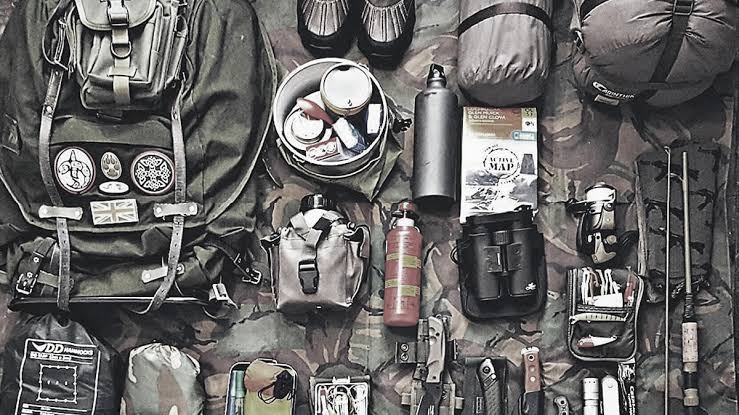
Packing List for a Birding Trip to Uganda and Rwanda
A birding journey through Uganda and Rwanda can take you from misty mountain forests and papyrus wetlands to open savannas, crater lakes, rivers and tropical gardens within a trip. The diversity of landscapes means your preparation matters. You may begin the morning searching for a Great Blue Turaco in the forest. Spend the afternoon watching African Fish Eagles around a lake. Later you could find yourself walking through grassland where raptors circle overhead or listening for forest species hidden high in the canopy.
The right equipment helps you enjoy these moments without feeling weighed. You do not need a suitcase filled with expensive equipment. What matters most is choosing clothing, dependable optics, comfortable footwear, protection from changing weather and a few useful accessories that make long days outdoors easier.
If you are planning your first safari focused on birds this guide to Packing List for a Birding Trip to Uganda and Rwanda will help you prepare thoughtfully. The goal is to travel while keeping your attention on the sounds, colours, movements and habitats that make East African birding so memorable.
Essential Clothing for Birding in Uganda and Rwanda
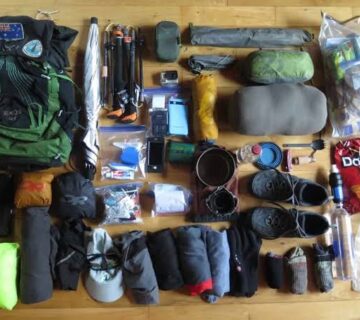
Clothing should be comfortable, lightweight and suitable for walking. Plain colours such as olive, brown, grey, beige and khaki are choices because they blend naturally into many environments. Bright colours are not necessary especially when you are approaching woodland or wetland species.
Pack least three or four lightweight shirts that dry quickly. Long‑sleeved shirts are especially useful because they protect your arms from sun, insects and vegetation. A lightweight fleece or sweater is valuable for mornings particularly in places such as Bwindi, Mgahinga, Nyungwe or the Virunga mountain region.
Long trousers are generally more useful than shorts during forest walks and extended birding drives. Choose trousers that allow movement and dry reasonably quickly after rain. A lightweight waterproof jacket should also have a place in your daypack. Tropical showers can arrive quickly even when the morning begins with skies.
A wide‑brimmed hat or cap protects your face and neck during hours outside. Sunglasses are also useful around lakes and open savanna habitats where reflected sunlight can become intense.
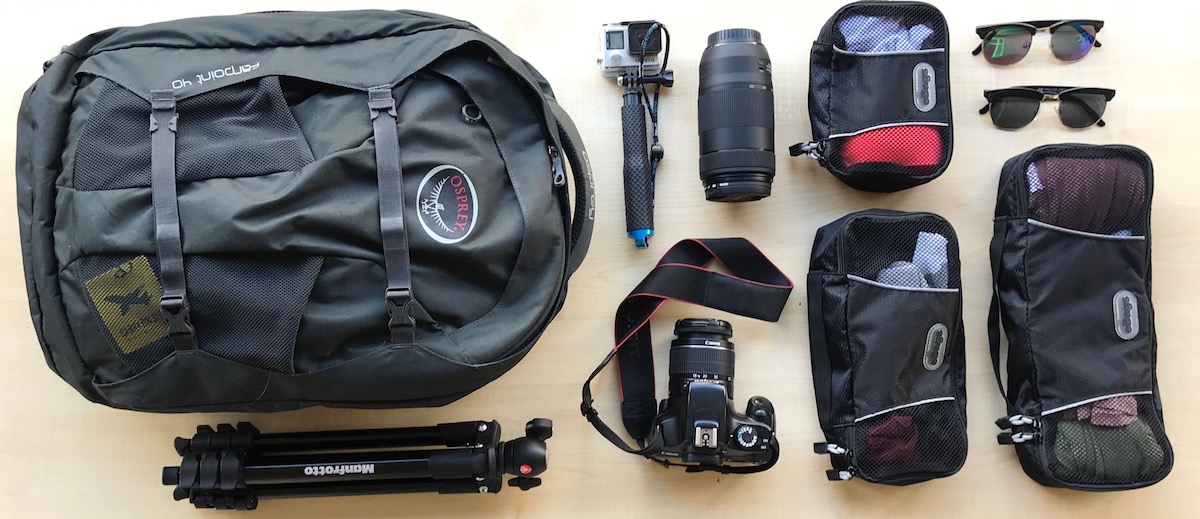
Choosing Footwear
Good footwear can make a major difference to your enjoyment. Bring comfortable walking shoes or lightweight hiking boots with good grip. Forest trails can become muddy while wetland paths may be uneven or slippery.
If your itinerary includes gorilla trekking or other strenuous forest walks choose footwear that you have already worn before your trip. New boots can cause blisters at exactly the wrong time.
Pack a pair of lightweight shoes or sandals for evenings, at your lodge. Keeping one pair dry also gives you a backup after a particularly wet day.
Binoculars and Birding Optics
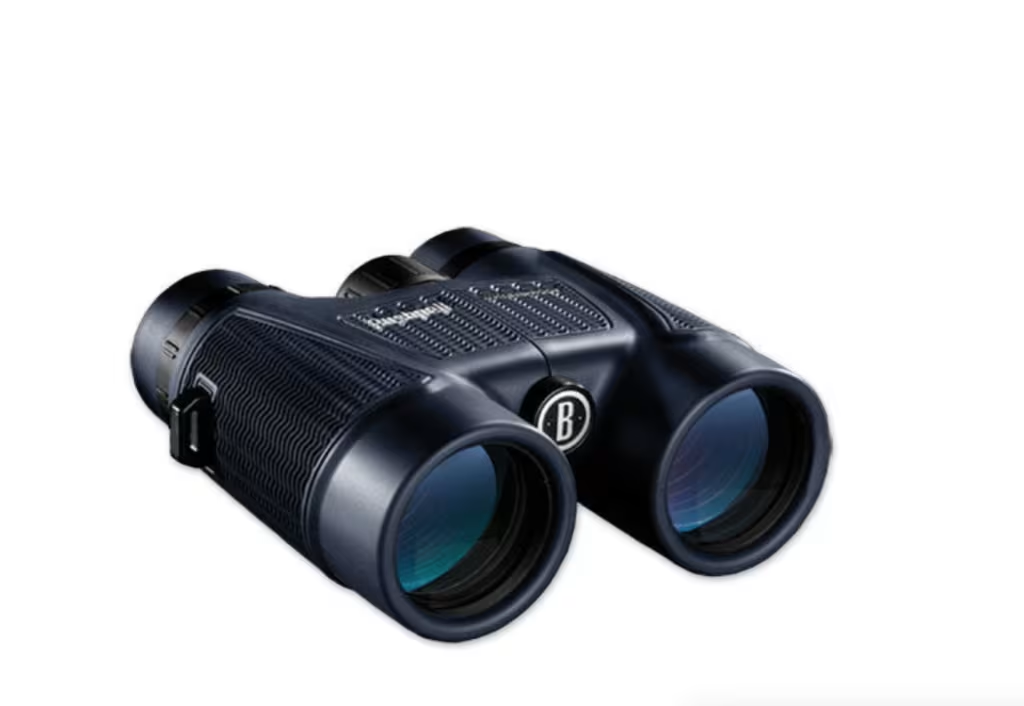
Binoculars are some of the important things you will carry with you. A good pair of binoculars lets you see and name birds that’re far away without you having to walk too close to the birds. For trips to see birds, 8×42 or 10×42 binoculars are a great choice because they balance how much you zoom in with how bright the view is and how heavy the binoculars feel.
I find that 8×42 binoculars are very easy for beginners to use. The wider view makes it much easier to find birds that are moving around. On the hand 10×42 binoculars zoom in more. This can be very helpful when you are trying to watch birds of prey, waterbirds or birds that are sitting up in the trees.
If you already have binoculars please test your binoculars before you leave for your trip. Check how the focus works, look at the lenses and check the straps and covers. I always suggest carrying a cloth to clean your lenses. Dust, wet air, fingerprints and light rain can all make it hard to see through your binoculars.
A spotting scope can be great if you are serious about birding especially if you are looking at lakes or open wetlands.. Keep in mind that a spotting scope is heavy and takes up a lot of room. If you are going with a birding guide you might be able to share a spotting scope with others during the trip.
Protecting Your Optical Equipment
Using a dry bag or a padded case is a smart way to protect your binoculars and cameras. Rain can come out of nowhere when you are outdoors in East Africa so you should make it a priority to keep your gear safe.
You can use silica gel packets to keep moisture out of your equipment bags. This is very helpful when you are in humid forests. Always keep your lens caps on. Try not to leave your optical equipment out in the open when it starts to rain heavily.
Field Guides and Birding Apps
A field guide can really change how you see the world because a field guide helps you compare colors, where birds live what they sound like and which birds look similar. Try to pick a guide that covers birds in East Africa or the specific places you are visiting.
Your smartphone can be a tool too. I recommend downloading your birding app and your maps before you leave your house. Some places are far away from cell towers so having things that work offline is very important.
Your phone can do things on your trip. You can use your phone to identify birds, write notes, record bird calls look at maps or keep a list of all the birds you see.
However do not rely on your phone. A phone battery might die before the day is over and your phone might not have a signal in locations.
A Reliable Daypack
A good daypack should be big enough to hold your gear. Not so big that it feels too heavy. A bag that holds 20 to 30 litres is usually just right for a day trip.
Your daypack can hold your binoculars, water, snacks, rain gear, sunscreen, bug spray, a notebook, extra batteries and other personal things. It is an idea to have a bag with a waterproof lining or a rain cover for when it gets wet.
Try to organize your daypack so you can grab what you need quickly. You should not have to dig through everything just to find your binoculars or your rain jacket.
Water, Snacks and Personal Essentials
Birding often means waking up early and spending a long time outside. Always carry water for your trip. Using a bottle is better for the earth than using plastic bottles and you can refill your bottle if your guide says the water is safe to drink.
Pack some snacks like nuts, dried fruit, granola bars or crackers. These snacks are great when you have to wait a time between meals.
Keep your sunscreen, lip balm insect repellent, medicine, tissues and hand sanitizer easy to reach. It is also an idea to carry a small first-aid kit with things like bandages, for blisters if you plan to walk for a long time.
Camera Equipment and Power
You do not need photography equipment to enjoy birding. A camera with a telephoto lens can help you keep memories of remarkable sightings. If you use a smartphone consider carrying a power bank.
Bring camera batteries and memory cards when you use dedicated equipment. Many lodges offer charging opportunities. Remote camps and long days can make backup power especially useful.
Keep electronics protected from dust and rain. A simple waterproof pouch can stop a weather problem from becoming an expensive equipment problem.
Travel Documents and Practical Items
Keep your passport, travel documents, travel insurance information, accommodation details and emergency contacts in a place. Carry photocopies or digital copies of these documents as a backup.
Keep an amount of local currency for minor purchases, tips or places that do not accept electronic payment. Pack a travel adapter because charging requirements may vary between accommodations.
A headlamp or small flashlight is another item. Early morning departures are common on birding trips and lodge paths can be dark before sunrise.
Packing Light Without Forgetting Essentials
One of the ways to create a packing list for a birding trip to Uganda and Rwanda is to think about what you will actually use each day. You do not need heavy outfits, extra footwear or equipment for every possible situation.
Choose clothing that can be worn more than once and washed when needed. Lightweight fabrics make this easier. If your trip lasts two weeks you can usually pack for days and use laundry services during the journey.
Keep your important birding equipment in hand luggage when you travel by air. Binoculars, cameras, valuable electronics and essential documents should stay close to you of being checked.
Preparing for Uganda and Rwandas Changing Habitats
Uganda and Rwanda offer different birding environments. Wetlands need protection from mud and rain. Forests need walking gear. Open savannas need sun protection.
A good packing list for a birding trip to Uganda and Rwanda must cover variety of one fixed climate. Uganda can offer humid lowland environments and cooler highland conditions. Rwandas elevation also creates temperature differences, especially around mountain forests.
Research your route before departure. A trip that focuses on wetlands may need footwear than a trip centred on high altitude forest trails. Knowing where you will spend your time lets you pack efficiently.
Leave Room for the Experience
Perhaps the important thing you can carry is patience. Birds do not always appear on schedule. Some sightings last minutes while others may be a brief flash of colour between leaves.
Your equipment should support the experience not dominate it. Keep your bag manageable. Protect your optics. Stay comfortable. Stay ready to walk when an exciting call comes from ahead.
A thoughtful packing list for a birding trip to Uganda and Rwanda gives you confidence before the journey begins. With binoculars around your neck shoes beneath your feet and a field guide ready in your bag you can enter forests, wetlands, lakeshores and savannas prepared for discovery.
The reward is far greater, than a completed checklist. It is the memory of a Fish Eagle rising from a lakeshore a sunbird moving through flowers a turaco disappearing into dense foliage or a distant raptor circling against a wide blue sky. Uganda and Rwanda offer opportunities to experience these moments. Pack carefully travel lightly. Give yourself time to notice the birds that make every journey unforgettable.


No comment