

How to Hire a Local Birding Guide in East Africa
East Africa is one of the places in the world for birdwatching. You can see everything from the forests in Uganda and Rwanda to the wide plains in Kenya and Tanzania. The area has many different homes for birds. You might see turacos in the trees bee-eaters by the rivers large birds of prey over the grass or special birds hiding in the reeds near wetlands.. Seeing these birds is not just about going to the right place. Having a local birding guide can turn a trip into a memory that stays with you forever.
Learning how to hire a birding guide in East Africa can make your trip much better and more relaxing. A good local birding guide knows bird sounds, how birds move with the seasons and where birds live. A local birding guide knows the roads, the weather and how certain birds act. This helps you find birds that’re hard for most people to spot. A local birding guide also knows where to look so you do not waste your time.
Why a Local Birding Guide Makes a Difference
Birdwatching in East Africa can feel like much because there are hundreds of different birds living in forests, wetlands, mountains and savannas. If it is your time you might see something move in a tree but have no idea if it is a common bird or a rare bird from the Albertine Rift. A local birding guide can hear the sound find the bird and tell you why that bird is special.
Local knowledge is very helpful when you want to find birds that’re shy or hide very well. Birds like the African Pitta, Green-breasted Pitta, Shelley’s Crimsonwing, Papyrus Gonolek and Great Blue Turaco need a lot of patience to find. A local birding guide who works in the area every day might hear a sound they know or know where a certain bird was seen lately.
A local birding guide also helps you use your time well. If you only have two days in a park you do not want to spend your morning just walking around aimlessly. An experienced local birding guide can plan your trip based on what you want to see whether you love forest birds, birds by the water or a specific bird you have always wanted to find.

Local Knowledge Beyond Bird Identification
A professional guide gives you more than a list of birds. They can explain how birds live with the plants, the bugs, the rivers and the local people. This helps you truly understand the places you are visiting.
In Uganda for example a local birding guide who knows the wetlands can help you look for birds that live near the water and the papyrus plants. In Rwanda guides can help you find birds, in the forests where Albertine Rift endemics live. In Kenya and Tanzania a local birding guide can help you understand the birds of the savanna while also pointing out wildlife.
A good guide also knows how to be patient. Birds do not follow a clock. A skilled local birding guide knows when to sit when it is time to move and when a strange sound means you should stay and search for a few more minutes.
How to Hire a Local Birding Guide in East Africa
First you need to think about what kind of birding experience you want. A general wildlife guide might be great for seeing elephants, lions or giraffes. A dedicated birding guide will know much more about bird calls, habitats and where to find specific birds.
You should look for birding guides who know the places you want to visit. A birding guide who spends a lot of time in Bwindi Impenetrable Forest will have skills than a birding guide who works in Murchison Falls, Queen Elizabeth National Park, Lake Mburo, Nyungwe Forest, Akagera, the Maasai Mara or the Serengeti.
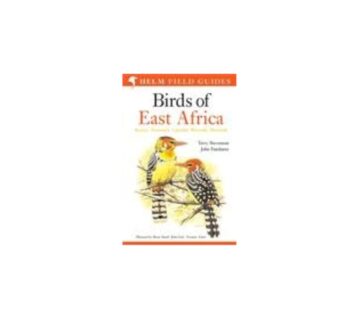
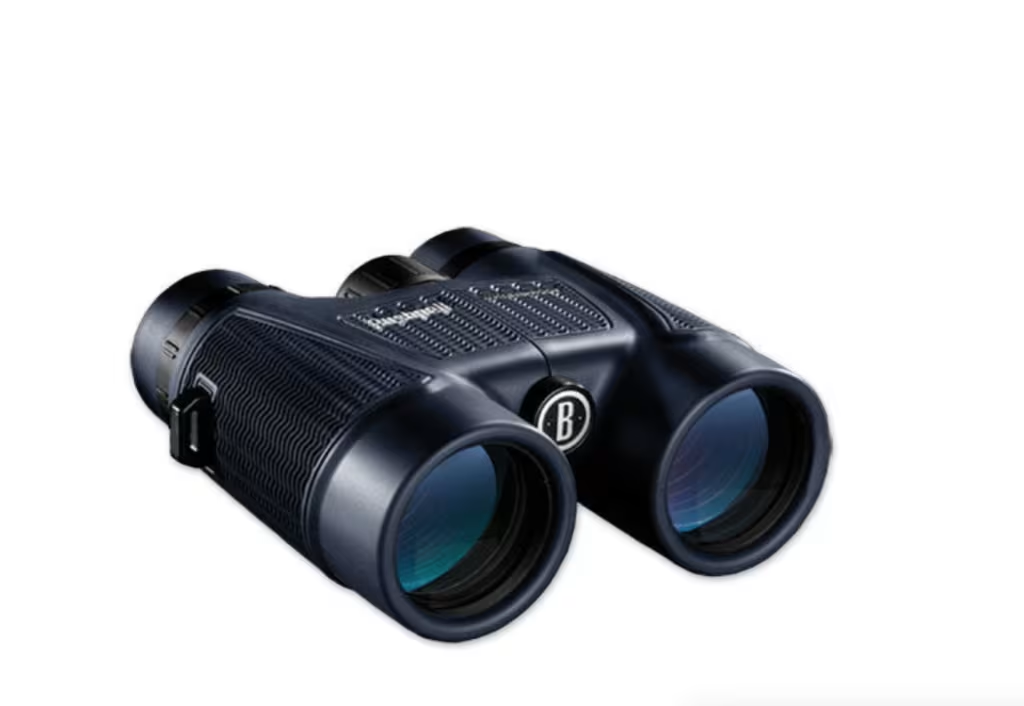
I always suggest asking birding guides about their background before you book anything. Ask how years they have worked as a birding guide and which areas they know best. It is also smart to ask if they work with birdwatchers often. You should also ask if they bring their binoculars, field guides or a spotting scope. Some birding guides provide this gear. Other birding guides expect you to bring your own.
Talking to each other is very important too. A birding guide does not need to sound like a professor. The birding guide should be able to explain what you are looking at clearly. If you need to speak English make sure the birding guide can speak English well before you arrive.
Ask About Your Target Species
If you have a list of birds you want to find give that list to your birding guide before you start your trip. This helps the birding guide understand what you care about most so they can pick the spots.
Your list might have a Shoebill, Great Blue Turaco, African Green Broadbill, Grauer’s Rush Warbler, African Fish Eagle or maybe just a group like sunbirds or hornbills. Just remember to be realistic. No good birding guide can promise that you will see every bird on your list.
Instead ask the birding guide if your list is possible during the time you are traveling. Things like rain, food, breeding seasons and recent sightings can all change your luck.
A great birding guide will tell you what is likely and what is not. They will also show you other amazing birds if your main target does not show up.
Check Reviews and Recommendations Carefully
Reading reviews is a help when you are choosing a birding guide. Try to find reviews from people who love birds as much as you do. Look for notes on whether the birding guide’s patient knows a lot shows up on time and can find hard-to-see birds.
Do not just look at star ratings. I find that a review saying a birding guide found over 100 species in three days is more helpful than just seeing five stars.
You can also ask birding clubs, travel groups or lodges for help. The people working at lodges often know the best birding guides in the area.
When you look at birding guides do not just pick the cheapest one. The cheapest birding guide might not know enough about birds. The most expensive birding guide is not always the best choice. Look at their experience their gear, their transport and how time they spend with you.
Discuss the Practical Details Before Booking
It is best to talk about everything before you book to avoid any surprises. Ask if the birding guide fee includes things like transport, park fees, food, hotels, permits or gear.
You should also talk about your schedule. If you want to see birds you will likely need to start before the sun comes up because that is when birds are busiest. If you want to spend the day out make sure the birding guide is happy to stay in the field for a long time.
Do not forget to ask about walking. Some birding spots let you stay in a car. Other birding spots require long walks through thick forests, muddy paths or boat rides.
Lastly tell your birding guide if you like bird photography. A person taking photos might need time to get the right light or the right angle, than someone who just wants to check birds off a list.
Pick Guides Who Respect Birds and Habitats
Good birding must always put the health of wildlife first. Your guide should not disturb nests, chase birds break plants or make birds act weird just to get a photo.
Be careful if a guide wants to play bird sounds over and over or get too close to nests. Ethical birding means being calm. Sometimes the best part of birding is just watching quietly from a distance that shows respect.
A good guide should also help people and help nature stay safe. Hiring people gives money to those who live in and care for the land. When birding helps local people earn a living those communities have reasons to protect forests, wetlands and other important habitats.
Leave Time for Surprises
One of the things about birding with a guide is that the best moments might not be on your list. You might stop by a tree on the side of the road. Find a group of colorful birds. A small walk near your lodge might show you a bird you have never seen before. A guide who notices these surprises can make your trip feel special of just following a strict plan.
Give your guide space to change the plan based on what’s happening. If heavy rain changes how birds act in the forest or if people saw birds in a spot being flexible can make your day much better.
Make Your Birding Trip More Memorable
Knowing How to Hire a Local Birding Guide in East Africa is really about finding someone who understands both birds and people. A great guide listens to what you like moves at your speed talks clearly and shares what they know.
Before you book, look at a few options and ask real questions. Ask about their experience, what they know about the area, which birds they look for their gear, how you will travel what things cost and how they protect nature. Importantly pick someone who treats every bird with patience and respect.
A great guide can show you more than just a list of birds. They can teach you how to hear an away call, how to see movement in thick leaves how seasons change and how birds and their habitats work together. That knowledge stays with you long after your safari is over.
Whether you want to see a Shoebill in a Ugandan wetland look for Albertine Rift endemics in Rwanda follow birds of prey across Kenyas plains or explore Tanzanias forest and savanna habitats the right guide makes it all better. How to Hire a Local Birding Guide in East Africa is a choice when you look for experience, local knowledge, good habits and a real love for birds.
The best birding trips are often made of moments: a quiet sound in the forest a quick flash of color or the joy of finding a new bird for the first time. With a local guide, by your side the birds of East Africa become easier to understand enjoy and remember.


No comment