Hornbills of East Africa: From Ground to Canopy
When you are in East Africa, you see some amazing birds. These birds are not always the biggest or the most colorful. They are special because of how they behave, the sounds they make, and how they move around. Hornbills are one of these birds. They have beaks that move in a really interesting way, and they live in different kinds of environments. You can see Hornbills walking on the ground searching in the woods, calling from tree branches, or hiding in the leaves of trees. The story of Hornbills of East Africa: From Ground to Canopy is a story about how these birds move, adapt, and survive in parts of a really cool ecosystem.
East Africa is a place to see these birds. You can find them in the grasslands and plains of Kenya and Tanzania and in the woods and savannas of Uganda. Hornbills live in different kinds of habitats. They like to be on the ground and in the trees. One minute you see a Hornbill walking on a dirt path. The next minute it is sitting high up in a tree looking around.
Meeting East Africa’s Remarkable Hornbills
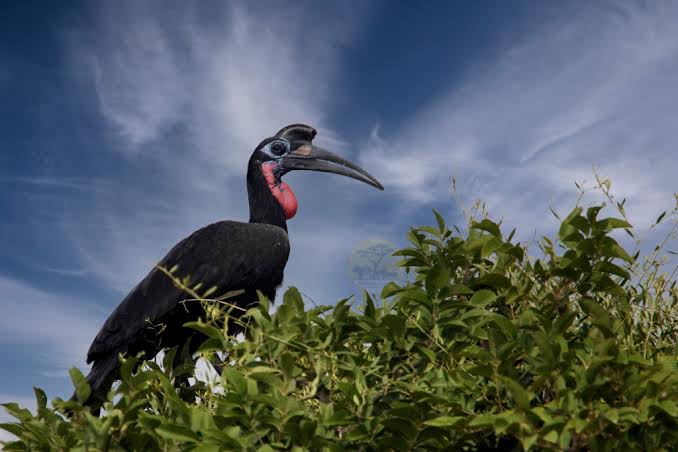
Hornbills belong to a family of birds called Bucerotidae. You can recognize them by their curved beaks. The beak is an obvious feature of hornbills, but it does not tell you everything about them. Different kinds of Hornbills have different-sized beaks, different colors, and different ways of eating and behaving. In East Africa, you can see different kinds of Hornbills like the Southern Ground Hornbill, the African Grey Hornbill, the Red-billed Hornbill, Von der Deckens Hornbill and the Silvery-cheeked Hornbill.
It is really interesting to see where each kind of Hornbill likes to spend its time. The Ground Hornbills like to be in spaces and spend most of their day walking on the grass and savannas. The smaller Hornbills like to move between bushes and trees looking for insects and fruits. The Hornbills that live in the forest like to stay in the trees and you can often hear them calling before you see them.
Hornbills are an example of how different East Africas ecosystems are. They remind you that a healthy environment is not one kind of habitat. Birds need grass, bushes, trees, places to nest, insects, fruits and safe places to raise their babies. When all these things are connected the birds have a chance of surviving.
From Open Ground to Woodland Paths
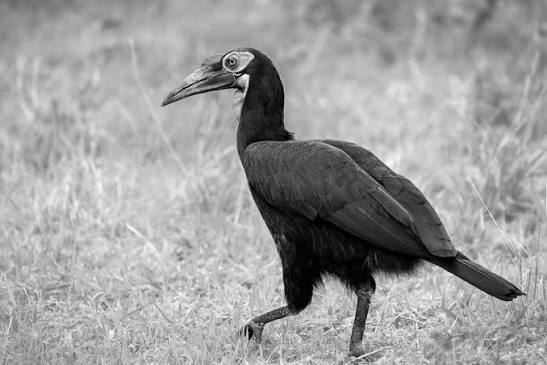
The Southern Ground Hornbill is a good example of a Hornbill that likes to be on the ground. It has feathers, red skin on its face and looks really strong as it walks through the grass. This bird is different from other birds because it spends a lot of time walking on the ground instead of flying between trees.
The Southern Ground Hornbill eats insects, reptiles, amphibians and other small animals. It uses its beak to catch its food and its long legs help it walk on the open ground. Watching a Ground Hornbill move through the savanna is really cool because it does not seem to be in a hurry. It looks like it is comfortable in its environment carefully looking at the grass and soil as it walks.
Other Hornbills like to move between the ground and the trees. The Red-billed Hornbills are a sight, in many dry savannas. They might eat on the ground. Then fly up into a tree to keep looking for food or to call to another bird. Because they can move between levels of vegetation they can find food that other birds cannot.
The Hornbills World in the Trees
Trees are really important for hornbills. The branches are where they rest, call, look for food and watch out for danger. Old trees have holes that hornbills use to nest. So it is very important to protect these trees even if they do not look as healthy as younger trees.
Hornbills love to eat fruit. When fruit is available they fly through the woods looking for fruit to eat. They also eat insects and small animals which means they can eat things at different times of the year.
The Silvery-cheeked Hornbill is a bird that lives in the tall forests of East Africa. It is big. Has pretty feathers so it is a great sight to see.. It can be hard to find because the leaves are so thick. Sometimes you hear it call first then you look around. Find it sitting quietly in the leaves.
When you see a hornbill it can change the way you think about the forest. You start to notice that trees are not just things to look at they are also homes for animals. A big tree can give food, shelter and a safe place to rest. For hornbills trees are the difference between having a home and not having one.
The Importance of Nesting Trees
One of the interesting things about hornbills is how they use holes in trees to nest. Many hornbills need these holes to raise their babies. The holes can be made by rot, broken branches or birds that peck into the tree.
Hornbills have a way of nesting. The female hornbill stays inside the hole while she lays eggs and takes care of the babies. The male hornbill brings her food from outside. This way the female and babies are safe from harm.
This shows that we cannot just protect the hornbills we also need to protect the trees and the forest. A forest without trees may look okay but it may not have the holes that hornbills need to nest.
Hornbills as Part of a Living Landscape
Hornbills are connected to the health of the forest. They eat insects and small animals. They help spread seeds when they eat fruit. So they are a part of the forest ecosystem.
The seasons also affect the hornbills. When it rains there are insects to eat and the plants grow fast. When it is dry it can be hard to find food and water. Hornbills adapt to these changes by moving to places and eating different things.
This is why hornbills are much fun to watch. They do not just live in one place they move around. Interact with the forest in many ways.
Learning to Look Beyond the Big Five
When you go on a safari you often look for animals like lions and elephants.. The smaller animals, like hornbills can be just as interesting. Hornbills are fun to watch because they do different things like flying, eating and calling.
You can see a pair of hornbills crossing a path or calling to each other from trees. If you watch them for a minutes you can learn a lot about how they live and interact with the forest.
Pay attention to the things like how a hornbill moves its head when it is looking for food. Listen to its call. See how another hornbill responds. Watch where it flies when it leaves the ground. These small things can help you understand the forest ecosystem better.
A Bird That Connects Earth and Sky
Hornbills show us how animals can use parts of the landscape to survive. The ground gives them food and space to move. The bushes give them cover and food. The trees give them fruit, shelter and a place to nest. Each part of the landscape is important.
When you watch a hornbill move around you see how it adapts to the landscape. It does not need the landscape to be perfect it just needs the important parts to be there.
This is a lesson for protecting the environment. We need to protect not the big forests and parks but also the smaller areas, like the trees and the bushes and the natural processes that keep the ecosystem healthy.
Finding Inspiration in the Wild
There is something rewarding about seeing a hornbill in its natural environment. Its presence can be unexpected. You might be traveling along a safari road when a bird suddenly crosses your path. You may stop beneath a tree after hearing a call and discover a hornbill watching from above. These moments often stay with you because they encourage you to slow down and pay attention.
The beauty of African birdlife lies partly in this unpredictability. Every habitat has its rhythm and every species has its own place within it. Hornbills help reveal that rhythm. They show how life can exist at ground level and high in the canopy in savanna and dense woodland in dry country and greener forests.
Hornbills of East Africa: From Ground to Canopy offer a powerful reminder that nature is made meaningful by connection. The bird walking across the grass depends on the landscape around it. The hornbill resting in a tree depends on the same ecosystem from another level. Protecting one part helps protect the others.
Carrying the Lesson Beyond the Safari
Seeing these birds can inspire choices. Supporting tourism respecting protected areas protecting mature trees and learning about local wildlife all contribute to a culture that values biodiversity. Even simple actions, such as choosing safari operators committed to conservation and avoiding disturbance of nesting birds can support better wildlife experiences.
The time you travel through East Africa look beyond the obvious wildlife. Watch the roadside trees. Scan the grasslands. Listen for calls. Look upward before moving on. A hornbill may be walking nearby. Sitting quietly above you.
The world of Hornbills of East Africa: From Ground to Canopy is a reminder that every level of nature deserves attention. From a bird crossing a track, to one disappearing among high branches each encounter reveals another part of East Africas remarkable natural story. The carefully you look the more you discover and the more you understand why protecting these landscapes matters for generations of wildlife and people to come.