African Jacana: The Lily-Trotter of East African Wetlands
The African Jacana is a cool bird that lives in the wetlands of East Africa. It can walk on water, which’s really amazing. The African Jacana has toes that help it move around on floating plants. It is a good bird for living in wetlands because it can balance really well and be patient.
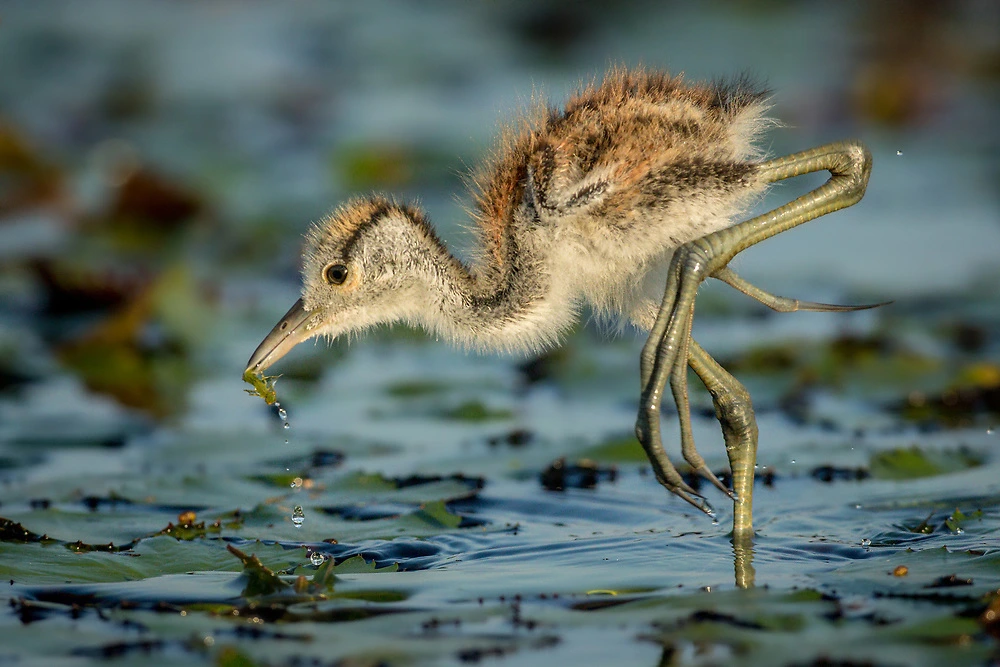
The African Jacana is special because its body is made for living on floating plants. Its toes are very long. Help it spread its weight so it does not sink. When you see an African Jacana walking on pads, you will understand why its feet are so useful.
The African Jacana has brown wings and back, and its head and neck are black. It also has a blue-green bill. When it flies, its dark wings and light body look really nice in the sunlight.
The African Jacana is a bird to watch because it can walk on floating plants where other birds cannot. It moves slowly and carefully. It looks like it is walking on water. This helps the African Jacana find food and stay safe.
The African Jacana likes to live in wetlands with lots of floating plants. These plants give it food, shelter, and a place to raise its babies. The African Jacana can move around on the floating plants. Hide when it needs to.
Wetlands are very important for the African Jacana and many other animals
They have lots of water, plants, and animals. They are great places to live. In East Africa, you can find African Jacanas in wetlands with lots of floating plants.
The African Jacana is a bird that helps us understand how important wetlands are. When the wetlands are healthy, the African Jacana has a home. When the wetlands are not healthy, the African Jacana can be in trouble.
So the African Jacana is a cool bird that lives in the wetlands of East Africa. It is special because it can walk on water and live on floating plants. We should take care of the wetlands so the African Jacana can continue to thrive.
The African Jacana is also known as the Lily-Trotter of East African Wetlands. This name is perfect for the bird because it loves to walk on pads and other floating plants. The African Jacana is an example of a bird that is perfectly adapted to its environment.
In summary the African Jacana is a bird that lives in the wetlands of East Africa. It has feet that help it walk on water and it is very good, at finding food and staying safe. We should appreciate the African Jacana. Do our best to protect its home, the wetlands.
Feeding Across the Water
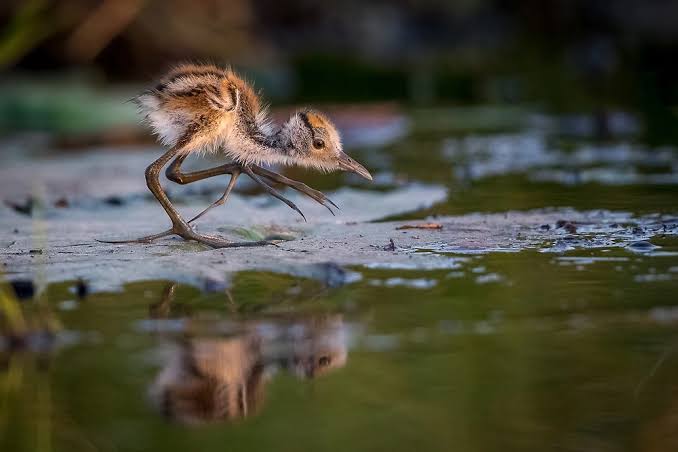
African jacanas feed on insects and small creatures that live around water plants. They walk on floating leaves. Look carefully for food among the stems and leaves. The African jacanas are very calm when they eat they move slowly. Then quickly pick something from the water plants.
This makes them very interesting to watch. An African jacana may seem like it is not doing much. It is always looking around. It looks for food watches birds and sees what is happening in the wetland.
If you go to the wetlands in East Africa you can have some experiences with African jacanas. Watching birds is not always exciting. Sometimes it is the small things that make it special. You might see something that you would not have noticed otherwise.
A Remarkable Approach to Parenting
The way African jacanas take care of their babies is very interesting. The female African jacana can mate with males and the males help take care of the babies. They sit on the eggs. Protect the babies after they hatch.
The babies are very capable from an age. They can leave the nest. Walk on the water soon after they are born. They need to stay close to the water plants and be careful when there is danger.
The African jacanas role is very important. He needs to be careful and protect the babies from harm. This shows that African jacanas need to work with their environment to survive.
If you watch a family of African jacanas you can learn a lot. You can see how they adapt to their environment and how they take care of each other.
The Wetland as a Living Home
jacanas need more than just food to survive. They need water plants, shallow water places to nest and a healthy wetland. This means that African jacanas are closely connected to their environment.
Wetlands in Africa are in danger. People are building, farming and polluting the water, which can hurt the jacanas and other animals. When the wetlands are hurt the animals lose their homes and places to find food.
We should not think of wetlands as spaces. They are living ecosystems that support different types of animals and plants. If we keep the wetlands healthy it will help the jacanas and many other animals.
Finding the Jacana in East Africa
You do not have to go to a place to see an African jacana. They can be found in wetlands near towns and villages. Uganda is a place to see African jacanas because it has many lakes, rivers and swamps.
The best way to find an African jacana is to move and look carefully. They can be hard to see when they are still because their brown bodies blend in with the water plants.
It is best to go birdwatching in the morning when it’s cool and the birds are active. You can use binoculars to see the jacanas more clearly especially when they are far away.
When you see a jacana in its natural environment you can understand why it is called the Lily-Trotter of East African Wetlands. Its long toes and careful movements make sense when you see it walking on the water plants.
A Small Bird With a Big Lesson
The African jacana can teach us a lot about adapting to our environment. It lives in a place that might seem unstable. It has developed special features that help it survive. The African jacana can walk on water where other birds would sink.
This is very inspiring. The African jacana does not need to change its environment to survive it just lives in harmony with it.
If you visit East Africa you might see the wetlands in a way. You might look closely at the water plants and see the African jacanas walking on the water. You might notice things that you did not see before and have some experiences, with the African jacanas.
Protecting the Future of East African Wetlands
The future of the jacana is really connected to the future of habitats like lakes and rivers. We need to protect these wetlands by managing the land in a way reducing the amount of pollution and keeping the natural water systems working properly. It is also important to remember how valuable these environments are.
When birdwatchers and nature travelers visit these wetlands they can help by being respectful of the area. This means staying on the paths not disturbing the birds around their nests and following the local conservation guidelines. We should also support tourism that’s responsible and does not harm the environment. By doing these things we can reduce the pressure on these areas.
Local communities play a role in protecting the wetlands too. If they use the wetland resources in a way it can help keep the area healthy and support both the people and the wildlife. When communities benefit from having natural areas they are more likely to want to protect them for future generations.
The African Jacana is a bird that reminds us of the importance of the entire ecosystem. It needs water, healthy plants and functioning wetlands to survive.
An Invitation to Look Closely
Next time you are standing beside an East African wetland take a closer look across the water lilies. Watch for the African Jacana bird stepping lightly across the floating leaves its toes spreading its weight as it searches for food. This simple movement can show us a story of how the African Jacana adapts and survives.
The African Jacana may not be as big as an eagle or as impressive as a stork but it is still a very elegant bird. It represents the richness of freshwater habitats and the amazing ways that birds adapt to their surroundings. The African Jacanas story also reminds us that protecting the environment starts with paying attention. When people notice the wetlands appreciate the wildlife. Understand how important they are they are more likely to want to protect them. Seeing the African Jacana cross a water lily may seem like a thing but it can inspire a deeper love for the natural world.
Across East Africa the wetlands are still full of life, movement and beauty. Among the floating plants the African Jacana keeps moving with its steps perfectly suited, to a world of water. The African Jacanas presence invites us to slow down observe closely and discover how much wonder can exist in places that might otherwise be overlooked. The African Jacana is a bird that can help us appreciate the natural world.