Gombe Stream National Park
A Remote Sanctuary Along Lake Tanganyika
On the far western edge of Tanzania, where the land leans gently into the shimmering waters of Lake Tanganyika, lies one of Africa’s most intimate and historically significant wilderness areas. Gombe Stream National Park is not vast like the Serengeti, nor dramatic in the way of thundering waterfalls. Instead, it is subtle, forested, and deeply immersive. Covering a relatively small stretch of land, Gombe rises steeply from the lakeshore into a series of ridges and valleys draped in thick tropical forest.
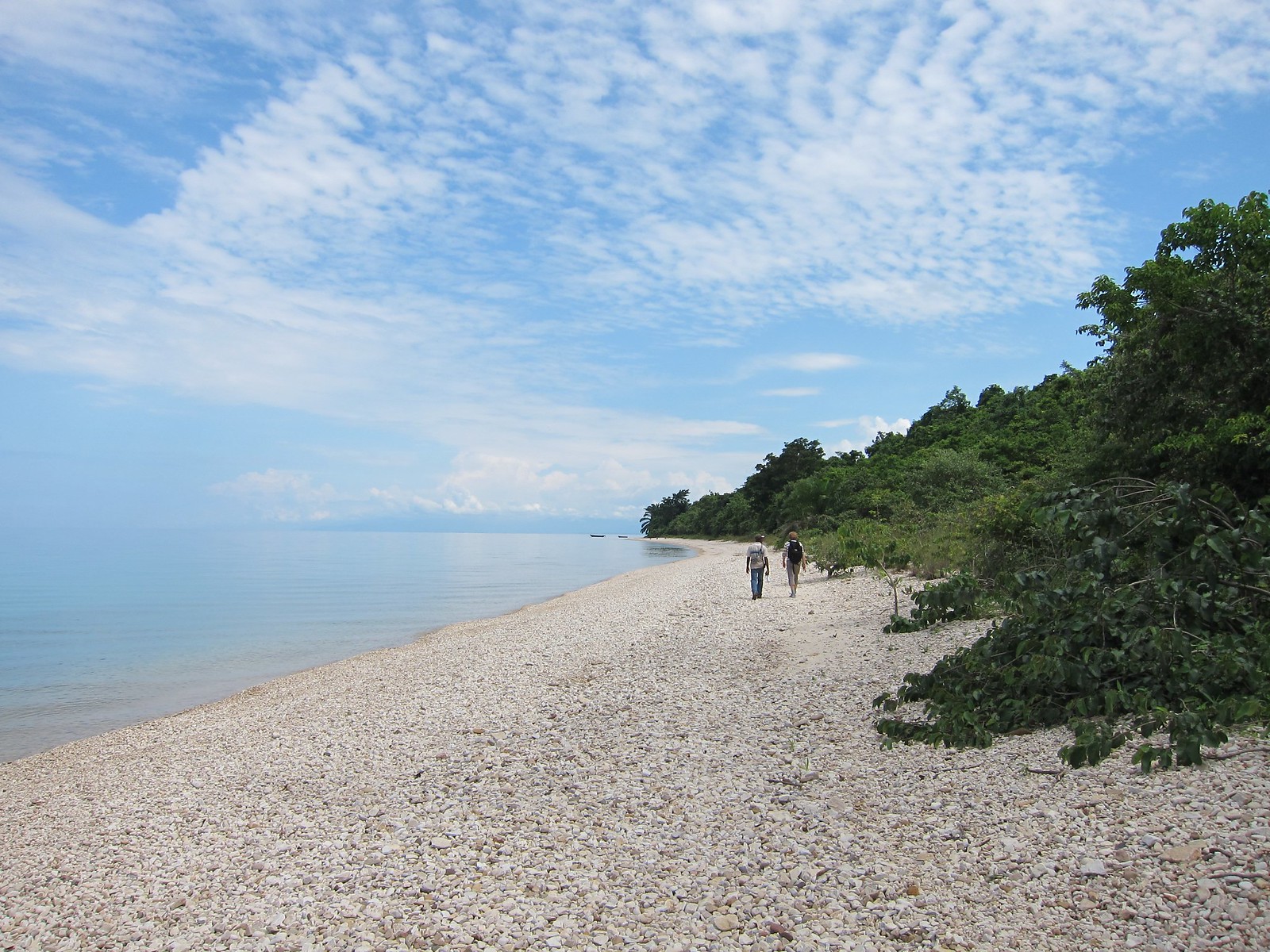
The journey to Gombe sets the tone for what lies ahead. There are no highways slicing through its boundaries, no busy entrance gates. Visitors arrive by boat, skimming across the calm blue expanse of Lake Tanganyika from the town of Kigoma. As the shoreline approaches, the forested hills appear almost impenetrable, their green canopy concealing a world of primates, birds, and hidden streams. The absence of roads reinforces a sense of purity and seclusion. Stepping onto the narrow beach feels like crossing into a realm where nature remains the dominant force.
The Historical Significance of Jane Goodall’s Research
Gombe’s global prominence is inseparable from the pioneering work of Jane Goodall. In 1960, a young Goodall arrived on these shores to begin what would become one of the longest-running and most influential wildlife studies in history. Without formal scientific training but armed with patience and curiosity, she began observing the chimpanzees of Gombe with extraordinary dedication.
Her discoveries challenged long-held assumptions about human uniqueness. She documented chimpanzees crafting and using tools, hunting in coordinated groups, forming complex social hierarchies, and expressing emotions such as affection, jealousy, and grief. These revelations blurred the boundaries between humans and our closest relatives, reshaping the fields of primatology and anthropology.
Today, the research station at Gombe continues to monitor chimpanzee families whose genealogies stretch back generations. The data collected here remains vital for understanding primate behavior, disease patterns, and conservation needs. For visitors, walking the same forest paths where groundbreaking discoveries were made adds a profound intellectual dimension to the experience.
The Landscape: Forest, Ridges, and Streams
Gombe’s terrain is compact yet dramatic. From the lakeshore, steep valleys climb into forested ridgelines that offer sweeping views of Lake Tanganyika. Seasonal streams cascade through rocky gullies during the rainy months, feeding into the lake below. The forest itself is a mosaic of evergreen and semi-deciduous vegetation, creating layers of green that filter sunlight into shifting patterns on the forest floor.
Humidity lingers beneath the canopy, carrying the scent of damp earth and fallen leaves. Birdsong echoes through the trees, punctuated by the distant pant-hoots of chimpanzees communicating across valleys. The absence of vehicles means that the forest sounds remain undisturbed, heightening the sense of immersion.
Trails weave through this landscape in narrow, winding paths. Hiking in Gombe can be physically demanding due to steep inclines and uneven terrain, but the effort deepens the connection between visitor and environment. Each ridge climbed reveals a new perspective, whether a hidden stream or a panoramic glimpse of the lake far below.
Chimpanzee Trekking: An Intimate Encounter
Chimpanzee trekking in Gombe is the park’s defining activity. Unlike traditional game drives across open plains, this experience unfolds entirely on foot. Guided by experienced trackers who interpret subtle signs such as fresh nests or distant calls, visitors move quietly through the forest in search of habituated chimpanzee groups.
The moment of encounter often arrives unexpectedly. One minute, the forest seems still; the next, branches sway overhead as chimpanzees swing effortlessly between trees. Observing them at close range reveals intricate social interactions. Mothers cradle infants against their chests, juveniles wrestle and chase one another through vines, and adult males assert dominance through displays of strength and vocalization.
These encounters are not staged or predictable. They reflect the natural rhythms of chimpanzee life. Visitors may witness grooming sessions that reinforce social bonds or observe a hunting expedition that demonstrates coordinated teamwork. The hour spent with the chimpanzees feels suspended in time, an intimate glimpse into a world both familiar and profoundly wild.
Biodiversity Beyond Primates
Although chimpanzees are the central focus, Gombe’s biodiversity extends far beyond a single species. Red colobus monkeys move in agile groups through the upper canopy, their distinctive calls echoing across valleys. Olive baboons traverse the forest floor with cautious curiosity, while red-tailed monkeys dart between branches in bursts of color and movement.
The park is also home to over 200 bird species, making it a rewarding destination for bird enthusiasts. Fish eagles perch along the lakeshore, their piercing cries carrying across the water. Kingfishers flash brilliant blues and oranges as they skim the lake’s surface. Butterflies, abundant and varied, drift through sunlit clearings in delicate patterns.
Lake Tanganyika itself supports extraordinary aquatic diversity. As one of the world’s deepest and oldest freshwater lakes, it harbors numerous endemic fish species found nowhere else on Earth. Snorkeling or swimming along the shoreline provides a refreshing complement to forest trekking, revealing a different ecosystem beneath the surface.
Life Along Lake Tanganyika
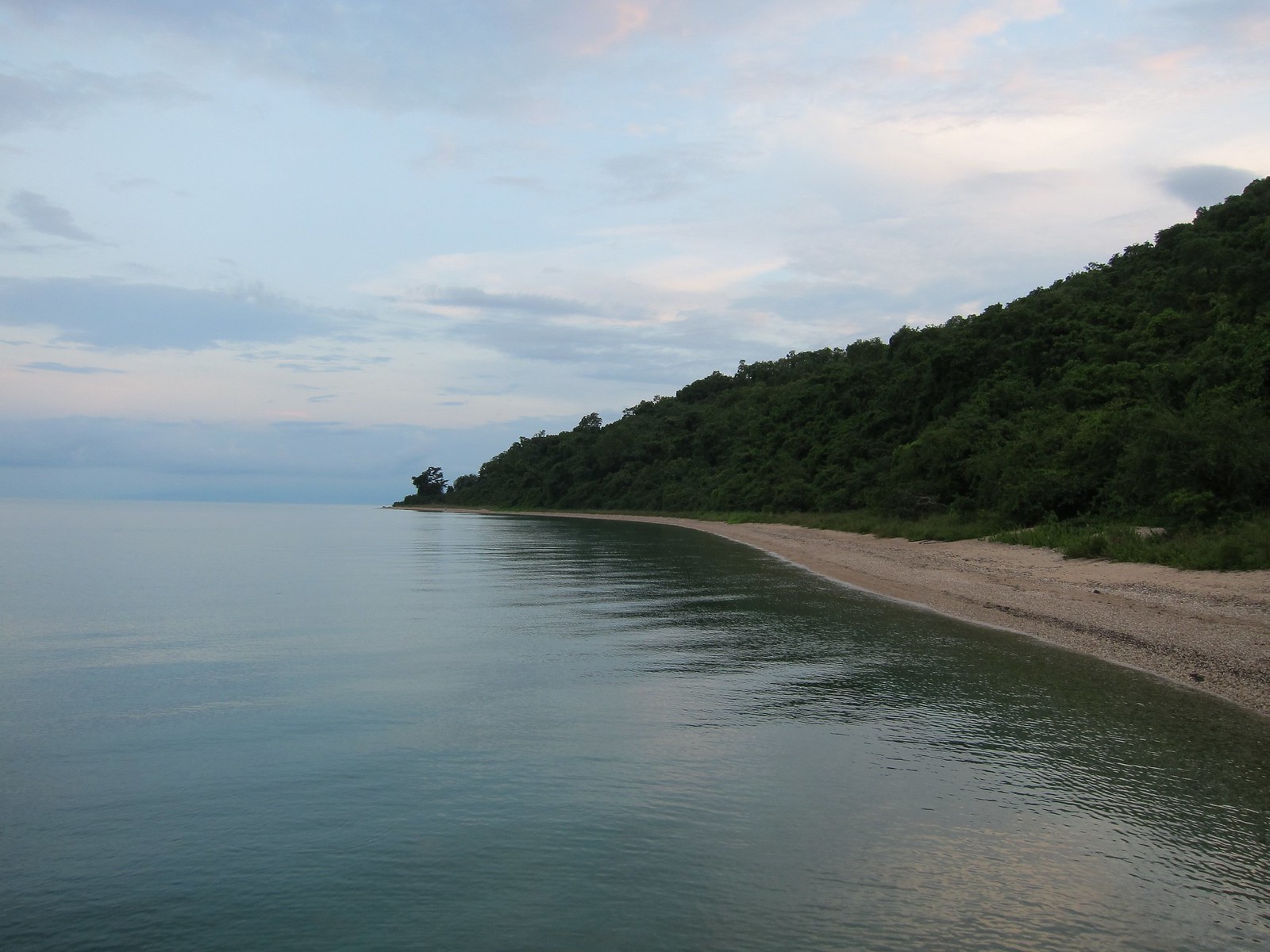
The presence of Lake Tanganyika shapes the atmosphere of Gombe. Its vast expanse stretches beyond sight, bordered by distant mountains that rise faintly on the horizon. The lake’s waters are remarkably clear, reflecting shifting shades of blue throughout the day. Early mornings bring a gentle mist that hovers above the surface, while afternoons glow under bright equatorial sunlight.
Visitors often find respite along the narrow beaches after a morning trek. The gentle lapping of waves against pebbled shores contrasts with the dynamic energy of the forest. Fishing boats occasionally pass in the distance, reminders of the communities that depend on the lake for sustenance.
Sunsets over Lake Tanganyika are particularly memorable. As the sun dips below the western horizon, the sky transforms into a palette of gold and crimson, mirrored in the calm waters below. The scene feels tranquil and contemplative, a perfect closing chapter to a day of exploration.
Conservation and Community
Gombe Stream National Park represents both conservation success and ongoing responsibility. Its relatively small size means that the chimpanzee population is especially vulnerable to habitat loss and disease transmission. Strict visitor guidelines, including limited trekking permits and health protocols, help safeguard the animals.
Conservation efforts extend beyond the park’s boundaries. Community programs focus on sustainable agriculture, education, and forest protection in surrounding villages. By involving local communities in conservation initiatives, Gombe fosters a collaborative approach to preserving both wildlife and livelihoods.
The legacy of Jane Goodall’s work continues to inspire global conservation movements. The park stands as a testament to the impact of long-term research and dedicated advocacy. Visiting Gombe is not merely a recreational activity but a contribution to ongoing efforts to protect endangered species.
Accommodation and Visitor Experience
Due to its remote nature, accommodations in Gombe are limited but thoughtfully integrated into the environment. Lodges and tented camps are typically located near the lakeshore, offering comfortable yet understated amenities. The emphasis remains on immersion rather than extravagance.
Meals are often enjoyed overlooking the water, accompanied by the distant sounds of forest life. Evenings are quiet, illuminated by lantern light and the soft hum of insects. Without urban distractions, visitors become attuned to subtle changes in wind, light, and sound.
The intimacy of Gombe means that visitor numbers are small. This ensures that trekking experiences remain personal and that wildlife disturbance is minimized. The atmosphere feels less like a tourist destination and more like a secluded retreat.
Comparing Gombe to Other Primate Destinations
Within East Africa, chimpanzee trekking is also available in places such as Kibale National Park. However, Gombe offers a distinctive experience shaped by its historical legacy and lakeside setting. Its steep terrain and compact geography create close encounters and dramatic viewpoints.
Unlike larger parks with diverse safari activities, Gombe centers primarily on primate research and forest immersion. This specialization gives it a focused character, attracting travelers who seek depth rather than variety.
The Emotional Impact of Gombe
What ultimately distinguishes Gombe Stream National Park is its emotional resonance. Observing chimpanzees in their natural habitat evokes reflection on humanity’s place within the animal kingdom. The similarities in gesture, gaze, and interaction challenge simplistic boundaries between species.
Walking through the same forest that yielded revolutionary discoveries adds a sense of continuity between past and present. Each footstep echoes the quiet determination of researchers who transformed scientific understanding through patience and empathy.
Gombe does not overwhelm with spectacle. It invites contemplation. The forest whispers rather than roars, and the lake shimmers in calm silence. In this understated environment, visitors often find a deeper appreciation for complexity, connection, and coexistence.
A Wilderness of Insight
Gombe Stream National Park stands apart in the landscape of African safari destinations. It offers no sweeping savannah panoramas or vast migrating herds. Instead, it presents intimacy, knowledge, and reflection. Its forested slopes shelter one of humanity’s closest relatives, while its shores open onto one of the world’s great lakes.
For travelers seeking a transformative encounter rather than mere observation, Gombe provides a rare opportunity. It is a place where science and wilderness intertwine, where the calls of chimpanzees echo through valleys that have witnessed decades of discovery. In the quiet embrace of forest and water, Gombe reveals a different dimension of Africa’s natural heritage—one defined not by scale, but by depth.