
Fruit You Will Meet in East Africa: Jackfruit, Passion Fruit and Tree Tomato
East Africa is home to an impressive variety of tropical and highland fruits. Whether you are exploring Uganda, Kenya, Tanzania or Rwanda, you will find fresh fruit sold in busy markets, roadside stalls, restaurants and safari lodges.
Among the most interesting fruits you may encounter are jackfruit, passion fruit and tree tomato. Each has a different appearance, flavour and growing environment. Some are sweet enough to eat fresh, while others taste better when prepared as juice or mixed with other ingredients.
Trying jackfruit, passion fruit and tree tomato during your travels is an enjoyable way to experience local food traditions. These fruits also provide an opportunity to learn about farming, seasonal markets and everyday life in East African communities.
Discovering Fresh Fruit in East Africa
Agriculture plays an important role in East African economies, and fruit production supports many farming households.
The region’s varied climate allows different fruits to grow at different elevations. Warm lowland areas support tropical crops, while cooler highland regions are suitable for certain fruits that prefer moderate temperatures.
Bananas, mangoes, pineapples, papayas, avocados and citrus fruits are widely available in many areas. However, jackfruit, passion fruit and tree tomato deserve particular attention because of their distinctive characteristics.
You may find them in local markets, at breakfast buffets or in freshly prepared drinks.
Availability depends on the season, location and growing conditions.
1. Jackfruit: One of East Africa’s Largest Fruits
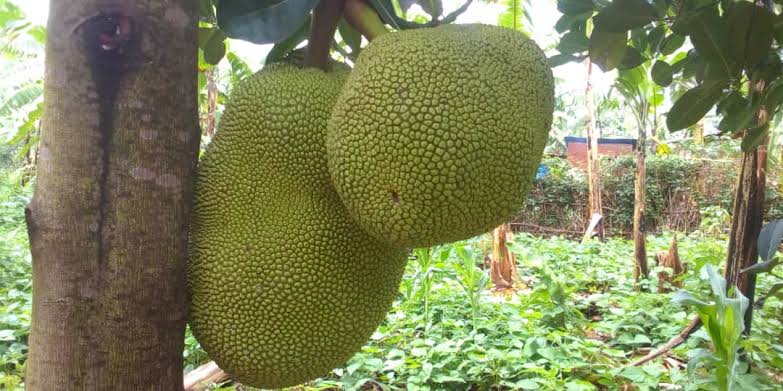
Jackfruit is among the largest fruits produced by trees. A mature jackfruit can weigh several kilograms, and particularly large examples can become much heavier.
The fruit has a thick, green or yellowish outer skin covered with small, pointed bumps.
Inside, you will find yellow edible bulbs surrounding large seeds.
Jackfruit trees grow in warm tropical environments and are particularly familiar in parts of Uganda.
What Does Jackfruit Taste Like?
Ripe jackfruit has a sweet flavour and a strong, distinctive aroma.
Its taste is sometimes compared with a combination of banana, pineapple and mango, although the flavour varies according to ripeness and variety.
The edible bulbs have a firm, slightly chewy texture.
Unripe jackfruit is less sweet and can be cooked as a vegetable in some cuisines.
Where Can You Find Jackfruit in East Africa?
Jackfruit is particularly common in Uganda, where trees grow in many suitable warm areas.
You may encounter jackfruit in markets around Kampala, Entebbe, Jinja and other towns.
It is also grown and sold in suitable parts of Kenya and Tanzania.
In Rwanda, jackfruit may be less familiar in some markets, especially in cooler highland areas.
Availability varies, so it is worth asking local vendors.
How to Eat Jackfruit
Preparing a whole jackfruit can be challenging because of its size and sticky latex.
The easiest option for travellers is to purchase freshly prepared edible bulbs from a trusted vendor.
If you are preparing a whole fruit, use a clean knife and handle the sticky material carefully.
Remove the yellow bulbs and separate the seeds before eating.
Jackfruit seeds should be cooked before consumption. They can be boiled or roasted rather than eaten raw.
2. Passion Fruit: A Popular East African Favourite
Passion fruit is widely enjoyed across East Africa and is particularly popular in fresh juices.
The fruit is usually round or oval, with a firm outer skin.
Depending on the variety, the skin may be purple or yellow when mature.
Inside, the fruit contains juicy pulp and small edible seeds.
Passion fruit grows well in suitable tropical and subtropical areas, including parts of the East African highlands.
What Does Passion Fruit Taste Like?
Passion fruit has a strong, aromatic flavour.
It combines sweetness with noticeable acidity.
Some varieties taste sweeter than others, and the level of ripeness influences the flavour.
The seeds are edible and provide a slightly crunchy texture.
Where Can You Find Passion Fruit?
Passion fruit is cultivated in Uganda, Kenya, Tanzania and Rwanda.
You may find it in:
Local fruit markets.
Roadside produce stalls.
Supermarkets.
Hotels and safari lodges.
Restaurants and juice shops.
It is often sold whole or used to prepare fresh drinks.
How to Eat Passion Fruit
Wash the outside of the fruit before cutting it.
Slice it into two halves and scoop out the pulp with a clean spoon.
You can eat the pulp and seeds together.
Passion fruit is also commonly mixed with water or other fruit juices.
Some people add sugar to reduce the sharp taste, although ripe fruit can be enjoyable without extra sweeteners.
Passion Fruit Juice on Safari
Passion fruit juice is a common drink at many East African hotels and restaurants.
However, preparation methods vary.
Some establishments use fresh fruit, while others serve sweetened concentrates or packaged drinks.
If you prefer fresh juice, ask how it is prepared.
Also confirm that the water and ice used are safe to consume.
3. Tree Tomato: A Highland Fruit With a Distinctive Taste
Tree tomato, also called tamarillo, is an interesting fruit grown in suitable highland areas of East Africa.
Unlike the ordinary tomato, tree tomato grows on a small tree or large shrub.
The fruit is usually oval, with smooth skin that may appear red, orange or yellow depending on the variety.
Inside, it contains juicy flesh and numerous small seeds.
What Does Tree Tomato Taste Like?
Tree tomato has a distinctive sweet and tart flavour.
Some varieties are noticeably acidic, especially when the fruit is not fully ripe.
The flesh may taste slightly similar to a tomato mixed with a tart tropical fruit.
Because the skin can be bitter, many people prefer to remove it before eating.
Tree tomato is particularly enjoyable when prepared as fresh juice or combined with sweeter fruits.
Where Can You Find Tree Tomato in East Africa?
Tree tomatoes grow in suitable cooler highland conditions.
You may encounter them in parts of:
Uganda, particularly highland farming areas.
Kenya, including suitable central and western highlands.
Rwanda, where tree tomatoes are familiar in many fruit markets.
Tanzania, particularly in suitable upland agricultural regions.
They are sometimes available in town markets even when grown elsewhere.
How to Eat Tree Tomato
You can eat ripe tree tomato fresh, but its sharp flavour may surprise you.
A simple preparation method involves cutting the fruit in half and scooping out the flesh.
Another option is to briefly place the fruit in hot water to make peeling easier.
The pulp can be blended into juice, mixed with sweeter fruits or used in sauces.
If you are trying tree tomato for the first time, begin with a small amount to see whether you enjoy its acidity.
Comparing Jackfruit, Passion Fruit and Tree Tomato
These three fruits differ considerably in taste, appearance and preparation.
| Fruit | Appearance | Common Flavour | Popular Ways to Eat It | Growing Conditions |
|---|---|---|---|---|
| Jackfruit | Large fruit with rough green or yellowish skin | Sweet and aromatic | Fresh ripe bulbs or cooked unripe fruit | Warm tropical areas |
| Passion fruit | Small round fruit with purple or yellow skin | Sweet and tangy | Fresh pulp, juice and desserts | Suitable tropical and subtropical areas |
| Tree tomato | Oval fruit with smooth red, orange or yellow skin | Sweet and tart | Fresh pulp, juice and sauces | Cooler highland areas |
If you enjoy very sweet fruits, ripe jackfruit may appeal to you.
Passion fruit is a good choice if you prefer aromatic fruit with noticeable acidity.
Tree tomato is particularly interesting for travellers who enjoy sharp flavours.
Where to Buy Fresh Fruit During an East African Safari
Local markets are among the best places to discover fresh fruit.
In Uganda, you may find jackfruit, passion fruit and other seasonal produce in markets around Kampala, Entebbe, Jinja and Fort Portal.
In Kenya, markets in Nairobi and highland towns often offer a wide selection of fruits.
Tanzania has busy produce markets in cities such as Arusha, Moshi and Dar es Salaam.
Rwanda’s markets, particularly around Kigali and other agricultural centres, can offer passion fruit, tree tomato and a range of locally grown produce.
Availability changes throughout the year.
Buying Fruit From Roadside Vendors
Roadside fruit stalls are common along many East African routes.
They can provide convenient opportunities to purchase fresh produce during longer journeys.
Before buying, check that the fruit appears fresh and has no signs of serious damage or decay.
Ask the vendor about ripeness, particularly when purchasing unfamiliar fruits.
If the fruit requires cutting, use a clean knife or ask your accommodation to prepare it hygienically.
Fruit Served at Safari Lodges
Many safari lodges offer fruit as part of breakfast or dessert.
The selection may include bananas, pineapple, mangoes, papaya, watermelon and passion fruit.
Jackfruit and tree tomato may also be available, depending on the location and supply arrangements.
Some lodges prepare fresh fruit salads, smoothies and juices.
If you want to try a particular fruit, ask your lodge in advance whether it is available.
Remote accommodations may receive supplies on specific days, so their selection can be more limited than that of hotels in major towns.
How to Eat Fruit Safely While Travelling
Fresh fruit can be a healthy addition to your safari meals, but food hygiene remains important.
Choose fruit that has been stored and handled carefully.
Whenever possible, wash whole fruit with safe drinking water before eating.
Fruit that you can peel yourself is often a practical choice when travelling.
Be more cautious with pre-cut fruit that has been left uncovered or exposed to heat.
If you purchase fresh juice, confirm that the preparation equipment is clean and that any added water or ice is safe.
Practical Fruit Safety Tips
Wash your hands before handling food.
Choose fruit without visible mould or serious damage.
Use clean utensils when cutting fruit.
Avoid fruit salads left unrefrigerated for long periods.
Store prepared fruit appropriately.
Ask about ingredients if you have food allergies.
These simple precautions can make trying local fruit more enjoyable.
Seasonal Availability of East African Fruits
Fruit availability depends on rainfall, temperature, altitude and farming practices.
Some fruits have several harvesting periods, while others are more abundant during particular seasons.
Jackfruit trees may produce at different times depending on local conditions.
Passion fruit production can also vary with rainfall and farm management.
Tree tomatoes are grown in suitable highland areas, where production patterns differ from those in warmer lowlands.
If you want to sample a particular fruit, ask local farmers or vendors what is currently in season.
Fresh seasonal fruit may offer better flavour and value than produce transported over long distances.
Supporting Local Fruit Farmers
Buying locally grown fruit can support farmers, market traders and other businesses involved in agricultural trade.
Many smallholder farmers depend on fruit sales to supplement household income.
You can support local businesses by purchasing suitable seasonal produce from established markets and vendors.
Ask where the fruit was grown if you are interested in learning more about local agriculture.
Some farming communities also offer organised agricultural visits.
These experiences can introduce you to fruit cultivation, harvesting and rural livelihoods.
Always arrange visits properly and respect farmers’ working environments.
Frequently Asked Questions About East African Fruits
Is jackfruit common in Uganda?
Yes. Jackfruit is familiar in many parts of Uganda, particularly in warmer growing areas. It is sold in local markets and sometimes by roadside vendors.
Can you eat passion fruit seeds?
Yes. Passion fruit seeds are edible and are commonly eaten together with the pulp.
Is tree tomato the same as an ordinary tomato?
No. Tree tomato, also called tamarillo, is a different fruit from the ordinary tomato. It has a distinctive flavour and grows on a small tree or large shrub.
Which East African fruit is the sweetest?
Ripe jackfruit is often particularly sweet. However, sweetness varies according to the fruit variety and ripeness.
Can you find these fruits at safari lodges?
Some lodges offer them, but availability is not guaranteed. Passion fruit is commonly used in juices, while jackfruit and tree tomato may be less regularly available.
Can vegetarians and vegans eat these fruits?
Yes. Fresh jackfruit, passion fruit and tree tomato are naturally plant-based foods. However, prepared desserts and drinks may contain dairy, honey or other added ingredients.
Conclusion
Jackfruit, passion fruit and tree tomato are three interesting fruits to try during a journey through East Africa.
Each offers a different eating experience.
Jackfruit provides sweet, aromatic flesh, passion fruit offers a refreshing balance of sweetness and acidity, and tree tomato has a distinctive tart flavour.
You can find these fruits in suitable markets, roadside stalls and some safari accommodations across Uganda, Kenya, Tanzania and Rwanda.
Trying locally grown fruit is a simple way to experience East African food traditions while learning more about the region’s agriculture.
During your next safari, take some time to explore a local fruit market. You may discover a flavour you have never experienced before.






No comment