
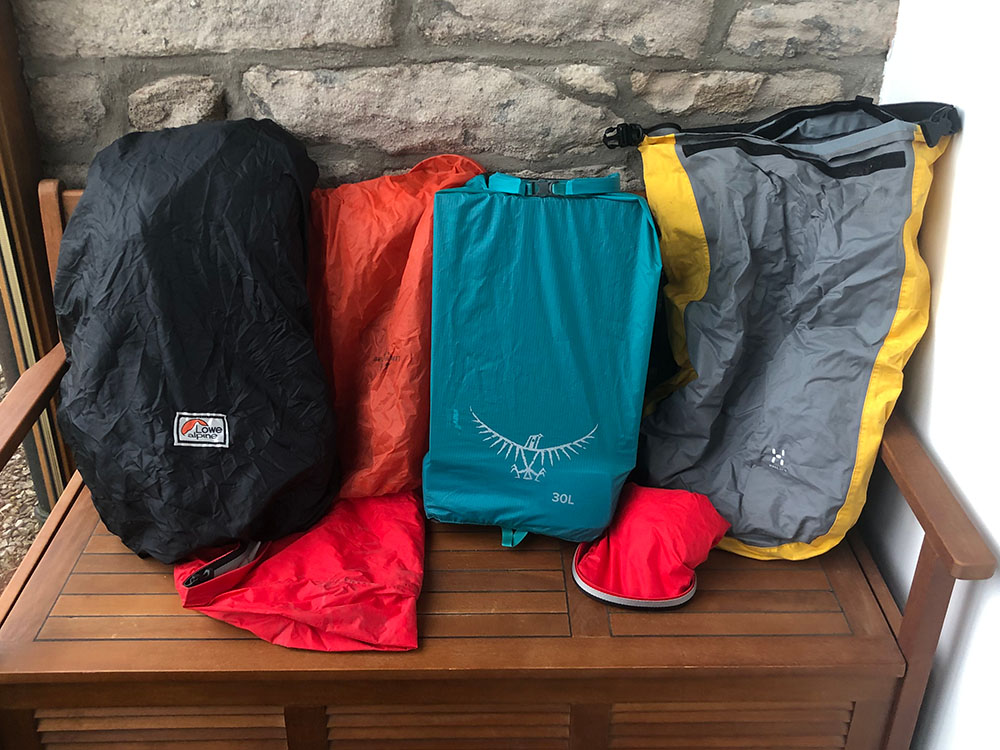
Dry Bags and Rain Covers: Protecting Gear in the Wet Months
Dry bags and rain covers for African safaris are essential packing accessories for travellers visiting Uganda, Kenya, Tanzania and Rwanda during the wet months. East Africa offers remarkable wildlife experiences throughout the year, but seasonal rainfall can create challenges for luggage, cameras, clothing and electronic equipment.
A sudden downpour during a game drive, a wet boat excursion or a muddy forest trek can leave personal belongings exposed to moisture. Even when travelling in a covered safari vehicle, rain may enter through open windows, roof hatches or poorly sealed luggage compartments.
For photographers, keeping cameras and lenses dry is particularly important. Families and independent travellers also need reliable protection for phones, passports, clothing and medication.
Fortunately, protecting your equipment does not require expensive luggage. A combination of waterproof dry bags, backpack rain covers and simple packing techniques can keep belongings organised and protected.
This guide explains how to choose suitable waterproof accessories, understand their limitations and prepare for East Africa’s rainy safari seasons.
Why Rain Protection Matters on Safari
Rainfall can affect safari activities differently depending on the destination, season and accommodation arrangements.
Uganda’s tropical forests may experience showers throughout the year, while Kenya and Tanzania have seasonal rainfall patterns that vary by region.
Common Rain-Related Problems
| Problem | Possible effect |
|---|---|
| Heavy downpours | Wet clothing and luggage |
| Open safari vehicles | Water reaching camera equipment |
| Boat excursions | Splashes and spray |
| Forest trekking | Prolonged exposure to moisture |
| Muddy roads | Dirty bags and footwear |
| High humidity | Condensation inside equipment |
| Wet campsites | Damp personal belongings |
Planning for these conditions can prevent unnecessary expenses and discomfort.
Understanding East Africa’s Wet Months
Rainy seasons vary across East Africa because of differences in altitude, geography and regional weather patterns.
General Rainfall Patterns
| Country | Common wetter periods | Travel consideration |
|---|---|---|
| Uganda | March–May and September–November | Forest trails can become muddy |
| Kenya | March–May and October–December | Regional rainfall varies |
| Northern Tanzania | March–May and November–December | Some roads become difficult |
| Rwanda | March–May and September–December | Rainforest trekking can be wet |
These periods are general patterns rather than guaranteed forecasts. Rain can occur outside the main wet seasons.
What Is a Dry Bag?
A dry bag is a waterproof or water-resistant storage bag designed to protect belongings from rain, splashes and other moisture.
Most designs use flexible materials with a roll-top closure.
When closed correctly, suitable dry bags can provide effective protection during wet outdoor activities.
Common Dry Bag Features
| Feature | Purpose |
|---|---|
| Roll-top closure | Helps prevent water entering |
| Waterproof fabric | Protects contents |
| Sealed seams | Reduces leakage |
| Lightweight construction | Easier packing |
| Adjustable strap | Convenient carrying |
| Different capacities | Suitable for various items |
Not every dry bag is designed for underwater use. Travellers should check the manufacturer’s waterproof rating before purchase.
Dry Bags vs Backpack Rain Covers
Dry bags and rain covers provide different forms of protection.
A dry bag protects items stored inside it, while a rain cover fits over the outside of a backpack.
Main Comparison
| Feature | Dry bag | Rain cover |
|---|---|---|
| Main purpose | Protect contents | Shield backpack |
| Heavy rain | Often effective when properly sealed | Depends on fit and design |
| Water immersion | Only suitable rated models | Not suitable |
| Ease of access | Requires opening | Backpack remains accessible |
| Packing organisation | Excellent | Limited |
| Weight | Usually lightweight | Usually very lightweight |
| Best use | Electronics and spare clothing | Daypacks and camera bags |
For wet safari conditions, combining both accessories often provides better protection than using either alone.
Choosing the Right Dry Bag Size
Dry bags come in different capacities.
A small bag is useful for personal valuables, while larger options can protect spare clothing or equipment.
Recommended Dry Bag Sizes
| Capacity | Suggested use |
|---|---|
| 2–3 litres | Phone, wallet and documents |
| 5 litres | Small camera accessories |
| 10 litres | Spare clothing and personal items |
| 15–20 litres | Day-trip equipment |
| 25–30 litres | Larger clothing collection |
| 40 litres or more | Extended outdoor packing |
Avoid choosing a bag that is so full that its closure cannot be properly rolled and secured.
Protecting Cameras During Game Drives
Cameras are among the most valuable items carried by safari travellers.
Wildlife photography often involves open vehicle windows and roof hatches.
A sudden rain shower can expose camera bodies, lenses and memory cards.
Camera Protection Checklist
| Equipment | Recommended protection |
|---|---|
| Camera body | Suitable camera rain cover |
| Telephoto lens | Lens-compatible protective cover |
| Memory cards | Sealed storage case |
| Spare batteries | Protected compartment |
| Camera bag | Rain cover plus waterproof liner |
| Cleaning cloth | Stored dry |
| Tripod | Dry and clean after use |
Do not attempt to change lenses during heavy rainfall unless suitable shelter is available.
Are Camera Rain Covers Necessary?
A dedicated camera rain cover can be useful for travellers who photograph wildlife during showers.
These accessories allow access to important controls while helping shield equipment from water.
However, compatibility matters.
A cover designed for a small camera may not fit a long telephoto lens.
Check the camera and lens dimensions before purchasing.
Protecting Mobile Phones
Smartphones are useful for communication, navigation, photography and storing travel documents.
However, prolonged exposure to rain can damage devices, especially those without strong water-resistance ratings.
Phone Protection Tips
Use a suitable waterproof pouch.
Close the pouch correctly.
Avoid charging a wet phone.
Keep the charging port protected.
Store backup contact information offline.
Check whether the pouch allows practical touchscreen operation.
Even water-resistant phones can become damaged if seals are worn or exposed to conditions beyond their rating.
Keeping Passports and Documents Dry
A damaged passport can create serious difficulties during international travel.
Wet pages, damaged security features or unreadable information may interfere with identification and border procedures.
Document Protection
Store passports in a waterproof sleeve.
Keep printed tickets inside a sealed pouch.
Protect vaccination certificates.
Carry copies of important documents.
Avoid leaving paperwork beside open vehicle windows.
Keep original documents accessible when required.
A simple waterproof document pouch can be one of the most valuable items in a safari bag.
Dry Bags for Gorilla Trekking
Gorilla trekking in Uganda and Rwanda frequently involves walking through dense forest vegetation.
Rain may occur unexpectedly, and trails can become muddy.
Gorilla Trekking Packing Guide
| Item | Recommended protection |
|---|---|
| Daypack | Fitted rain cover |
| Spare clothing | Lightweight dry bag |
| Camera | Protective waterproof cover |
| Phone | Sealed pouch |
| Snacks | Waterproof packaging |
| Medication | Protected storage |
| Passport details | Waterproof sleeve |
A comfortable backpack with a waterproof liner is practical for most trekking days.
Rain Protection During Boat Safaris
Boat excursions are popular along Uganda’s Kazinga Channel, the Nile River and several East African lakes.
Water splashes and sudden rain can affect exposed belongings.
Boat Trip Precautions
Use waterproof storage for electronics.
Keep bags away from standing water.
Secure belongings against movement.
Avoid opening dry bags unnecessarily.
Wear the required life jacket.
A dry bag protects equipment but does not replace appropriate boating safety procedures.
Protecting Clothing During Long Road Transfers
Rain may enter luggage when bags are loaded or unloaded during wet weather.
Even enclosed vehicles can accumulate moisture from wet equipment.
Practical Packing Method
Divide clean clothes into packing groups.
Place spare clothing inside waterproof liners.
Keep wet garments separate.
Protect shoes with washable bags.
Avoid placing damp items beside electronics.
This approach helps travellers remain organised when moving between several safari lodges.
How to Use a Roll-Top Dry Bag
A roll-top bag must be closed correctly to provide its intended protection.
Correct Closing Procedure
Place belongings inside without overfilling.
Remove excess air when appropriate.
Align the top edges.
Roll the opening according to the manufacturer’s instructions.
Secure the buckle.
Check that the closure remains properly folded.
Never assume a loosely closed dry bag is waterproof.
Understanding Waterproof Ratings
Manufacturers use different systems to describe water resistance.
Some products carry an IP rating, while others describe protection against splashes, rain or immersion.
Water Protection Comparison
| Rating description | General meaning |
|---|---|
| Water-resistant | Limited moisture protection |
| Shower-resistant | Suitable for light rain |
| Waterproof | Depends on tested conditions |
| IPX7 | Tested for temporary immersion under specified conditions |
| IPX8 | Immersion protection under manufacturer-defined conditions |
An IP rating only applies to the product as tested and does not guarantee protection if the closure is damaged or improperly sealed.
Can Plastic Bags Replace Dry Bags?
Ordinary plastic bags can provide temporary protection but are less dependable.
Thin plastic may tear, leak or become punctured.
Resealable bags can be useful for small items, especially when used inside another protective layer.
However, expensive electronics deserve more reliable protection.
Reusable waterproof bags also reduce unnecessary plastic waste.
Managing Humidity and Condensation
Rain is not the only source of moisture during an African safari.
Humidity and temperature changes can cause condensation inside cameras and other equipment.
Condensation Prevention
Allow equipment to adjust gradually between cold and warm environments.
Avoid opening sealed bags immediately after major temperature changes.
Dry equipment before storage.
Use suitable silica gel packets where appropriate.
Never apply direct high heat to electronic devices.
Waterproof storage can trap existing moisture, so equipment should be dry before being sealed for long periods.
Choosing a Backpack Rain Cover
A good rain cover should fit securely over the backpack.
Features to Look For
| Feature | Benefit |
|---|---|
| Correct capacity | Better coverage |
| Elastic edges | Secure fit |
| Adjustable fastening | Reduces slipping |
| Lightweight material | Easy carrying |
| Reinforced construction | Improved durability |
| Compact storage pouch | Convenient packing |
Remember that rain may still enter around straps, back panels and exposed openings.
Caring for Wet Gear After a Safari Activity
Equipment should be checked after returning to the lodge.
Remove mud carefully.
Dry the outside of bags.
Inspect camera covers for trapped moisture.
Air wet clothing in a suitable location.
Avoid storing damp equipment in closed luggage overnight.
If electronic equipment becomes seriously wet, follow the manufacturer’s recovery instructions rather than immediately switching it on.
What Should You Pack for a Rainy-Season Safari?
Essential Wet-Weather Packing List
| Item | Purpose |
|---|---|
| 5-litre dry bag | Small valuables |
| 10–20-litre dry bag | Spare clothing |
| Backpack rain cover | Daypack protection |
| Camera rain cover | Photography equipment |
| Waterproof phone pouch | Mobile phone |
| Document sleeve | Passport and paperwork |
| Microfibre cloth | Drying equipment |
| Lightweight rain jacket | Personal protection |
| Spare resealable bags | Small accessories |
Travellers do not necessarily need every item. Choose equipment according to activities and luggage requirements.
Common Mistakes Travellers Make
Some visitors assume that a backpack rain cover provides complete waterproofing.
Others place damp clothing inside sealed bags and discover unpleasant smells later.
Mistakes to Avoid
Overfilling dry bags.
Closing roll-top bags incorrectly.
Assuming every bag is suitable for immersion.
Leaving electronics in wet luggage.
Ignoring damaged seams.
Forgetting to dry reusable bags.
Buying accessories without checking their dimensions.
Testing rain protection at home helps identify problems before departure.
Frequently Asked Questions
Are Dry Bags Necessary on Safari?
They are particularly useful during rainy months, boat excursions and rainforest trekking, especially when carrying electronics.
Can a Rain Cover Protect a Camera Bag?
Yes, it can reduce rain exposure, but an internal waterproof liner provides additional protection.
What Dry Bag Size Is Best?
A 5–10-litre bag suits small valuables, while larger bags are useful for clothing and day-trip equipment.
Should I Bring Dry Bags During the Dry Season?
Yes, especially when visiting rainforests or taking boat excursions where unexpected moisture remains possible.
Keeping Safari Gear Dry
Dry bags and rain covers are practical accessories for travellers visiting East Africa during wetter months.
Uganda, Kenya, Tanzania and Rwanda offer remarkable wildlife experiences throughout the year, but rainfall, humidity and wet activities can create challenges for personal belongings.
Choosing properly fitted rain covers, waterproof storage bags and suitable camera protection helps prevent avoidable damage.
The best approach is to combine external rain protection with waterproof internal packing, keeping essential electronics, documents and spare clothing dry throughout your safari.



No comment