
Crossing Borders Near Lake Kivu: What Travelers Should Know
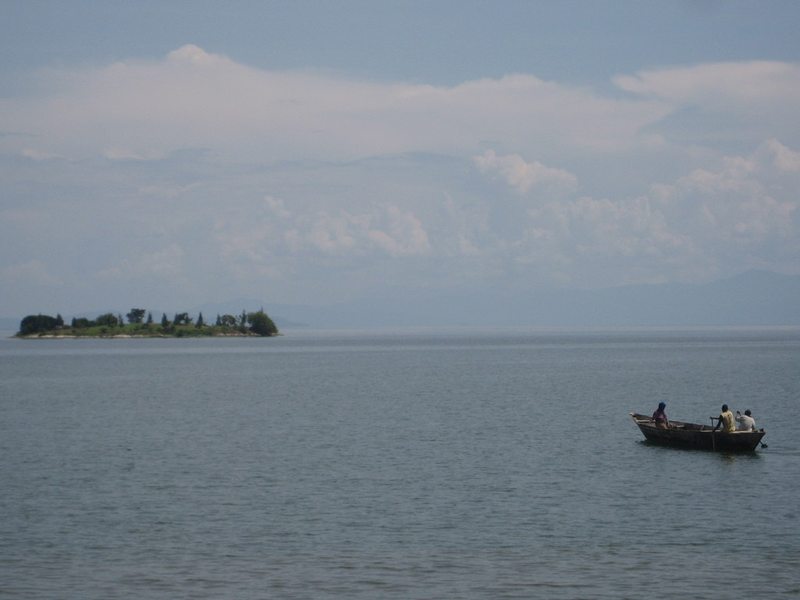
Lake Kivu sits along the border between Rwanda and the Democratic Republic of Congo, with the Rwandan town of Rubavu, formerly known as Gisenyi, facing directly across a short border crossing into Goma on the Congolese side. Understanding this border crossing, and the genuine considerations involved, matters for travelers whose itinerary includes both sides of the lake or a specific add-on like the Nyiragongo Volcano hike.
Checking Current Safety Guidance Before You Travel
Eastern Democratic Republic of Congo has experienced periods of significant instability and conflict, and conditions can change, meaning travelers should check current official travel advisories from their home government specifically for the eastern DRC region, including Goma and North Kivu province, in the weeks immediately before any planned crossing rather than relying on general or outdated information. This is a genuinely important first step that shapes whether crossing is advisable at all during your specific travel dates.
The Rubavu-Goma Border Crossing
When conditions allow, the border crossing between Rubavu, Rwanda, and Goma, DRC, known as the Grande Barrière, is a formal, staffed border post handling both pedestrian and vehicle crossings, and travelers should expect standard immigration procedures on both sides, including passport checks and, depending on current requirements, visa processing. Crossing times can vary considerably depending on how busy the post is on a given day.
Visa Requirements for Entering DRC
Entering the Democratic Republic of Congo typically requires a visa arranged in advance through official channels or, for some nationalities and specific circumstances, processed at the border itself, and requirements have shifted over time, making it essential to confirm current, accurate visa guidance directly with the DRC’s official immigration authority or a reputable tour operator rather than relying on outdated forum posts or informal advice.
Why Most Travelers Use a Tour Operator for This Crossing
Given the visa complexity, security considerations, and the genuine value of local knowledge about current conditions, most travelers crossing from Rwanda into DRC for activities like the Nyiragongo hike or Virunga National Park gorilla trekking do so through an established tour operator who handles the border logistics, transport, and necessary permits on their behalf. Attempting this crossing independently without local support is considerably riskier and more complicated than most travelers realize.
What the Crossing Itself Typically Involves
A typical border crossing at Rubavu-Goma involves exiting Rwandan immigration, a short walk or vehicle transfer across the actual border zone, and then processing through DRC immigration, with your tour operator or guide typically present to help navigate any language barriers or procedural questions. Bringing printed copies of your travel documents, visa confirmation, and any required permits helps this process move smoothly.
Currency Considerations When Crossing
Rwanda uses Rwandan francs while DRC transactions in this region often accept US dollars alongside Congolese francs, and carrying a reasonable supply of US dollars in good condition covers most needs on the Congolese side without requiring complicated currency exchange at the border itself. ATM access on the DRC side of this specific border area is considerably less reliable than in Rwanda, making cash preparation genuinely important.
Health Requirements for Crossing Into DRC
Yellow fever vaccination is typically required for entry into DRC, and travelers should carry their vaccination certificate readily accessible, since this documentation is commonly checked at the border. Confirming current health entry requirements with a travel health provider well before your trip, alongside standard malaria prevention measures relevant to the region, remains sensible preparation regardless of how straightforward the crossing itself turns out to be.
Day Trips Versus Extended Stays on the DRC Side
Many travelers cross into Goma or Virunga National Park for a specific single activity, such as the Nyiragongo hike, and return to Rwanda the same day or after a short overnight stay, rather than extending their time in DRC significantly, and this approach, coordinated through an experienced operator, represents the most common and manageable way most travelers experience this border crossing. Extended independent travel deeper into DRC carries considerably more complexity and risk than this kind of focused, operator-supported day trip or short excursion.
Travel Insurance Considerations for This Crossing
Given the region’s history and the specific nature of crossing into DRC, confirming that your travel insurance policy actually covers activities and travel within DRC specifically, rather than assuming standard East Africa coverage automatically extends there, is a genuinely important step many travelers overlook. Some standard policies exclude DRC entirely or require an additional rider for coverage in this specific region.
Photography and Border Security Sensitivities
Photographing border infrastructure, immigration facilities, or security personnel at the Rubavu-Goma crossing is generally discouraged and can create genuine friction with officials, and travelers should save photography for once they’re clearly through the formal crossing process and in an appropriate tourist context rather than during the immigration procedure itself.
Why Local, Current Knowledge Matters More Than General Advice
Given how quickly conditions in this specific border region can shift, the single most valuable resource for planning a Lake Kivu border crossing is current, on-the-ground guidance from an established local operator actively working in the region, rather than general travel advice, however well-intentioned, that may not reflect the actual situation on your specific travel dates.
Alternative Ways to Experience Lake Kivu Without Crossing
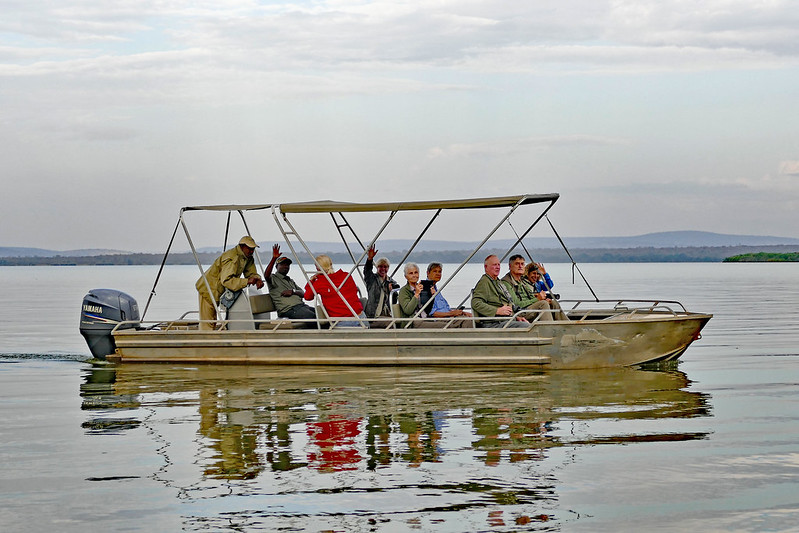
Travelers uncertain about crossing into DRC, whether due to current advisories, visa complexity, or simple personal preference, can still enjoy a genuinely rewarding Lake Kivu experience entirely from the Rwandan side, including boat excursions, lakeside relaxation, and the scenic Congo Nile Trail, without ever needing to cross the border at all. This remains a fully worthwhile way to experience the lake’s beauty.
Combining a Border Crossing With a Broader Rwanda Itinerary
For travelers who do proceed with a DRC crossing, treating it as one focused component within a broader Rwanda-based itinerary, rather than the centerpiece of the entire trip, keeps the overall journey resilient even if conditions require adjusting or canceling the DRC portion closer to your actual travel dates. This kind of flexible planning protects the rest of your trip regardless of how the border situation evolves.
Staying Updated Throughout Your Trip
Even after arriving in Rwanda with an initial positive assessment of border conditions, checking in with your tour operator for the most current, localized guidance immediately before any planned crossing remains a sensible final precaution, given how quickly conditions in this specific region can shift even within a single trip.
What to Do if Conditions Change After You’ve Booked
If border or safety conditions shift unfavorably after you’ve already booked a DRC crossing component, reputable tour operators generally offer flexible rebooking or refund options for this specific portion of the trip, recognizing that such conditions are genuinely outside any traveler’s control. Confirming this cancellation policy specifically for the DRC leg before booking provides useful protection against this real possibility.
A Balanced, Informed Approach to This Border Region
None of these considerations are meant to discourage a Lake Kivu border crossing outright, since many travelers complete this journey safely and describe it as a genuine highlight of their Rwanda trip, but rather to ensure the decision is made with full, current, accurate information rather than either naive optimism or unfounded fear.
Summing Up the Key Preparation Steps
In summary, checking current official advisories, confirming visa and health requirements, carrying appropriate cash, verifying insurance coverage, and working with an established local operator together form the core preparation steps that turn a Lake Kivu border crossing from a risky improvisation into a well-managed, informed travel decision.
Why This Preparation Effort Is Worth It
For travelers whose specific interests, whether Nyiragongo’s lava lake or Virunga’s gorilla trekking, genuinely require crossing into DRC, the additional preparation this border crossing demands is a reasonable trade-off for access to experiences unavailable anywhere else in the region, provided that preparation is taken seriously rather than treated as a minor formality.
Closing Thoughts for Cautious, Well-Prepared Travelers
A Lake Kivu border crossing rewards travelers who invest genuine time in preparation and stay current on conditions right up until departure, turning what could be an intimidating unknown into a manageable, well-informed part of a broader Rwanda journey.
The Value of Local Partnership Throughout
From the initial safety check through the final steps of the crossing itself, a knowledgeable local partner remains the single most valuable resource a traveler can have for this specific journey, turning a genuinely complex undertaking into a manageable, well-supported part of a broader Rwanda adventure.
Keeping Perspective on the Overall Trip
While this border crossing deserves careful attention, it typically represents just one component within a much broader, generally straightforward Rwanda itinerary, and keeping that proportion in mind helps travelers avoid letting one complex logistical detail overshadow their overall trip planning and enthusiasm.
Planning Your Lake Kivu and Border Region Visit
Crossing near Lake Kivu into DRC requires genuine preparation and current, reliable guidance rather than general assumptions. All in Africa Safaris can advise on current conditions and coordinate any border crossing as part of your Rwanda itinerary, or you can get in touch to discuss the details of your trip.


No comment