Rwanda Gorilla Trekking Permit Cost in 2026: Complete Price and Booking Guide
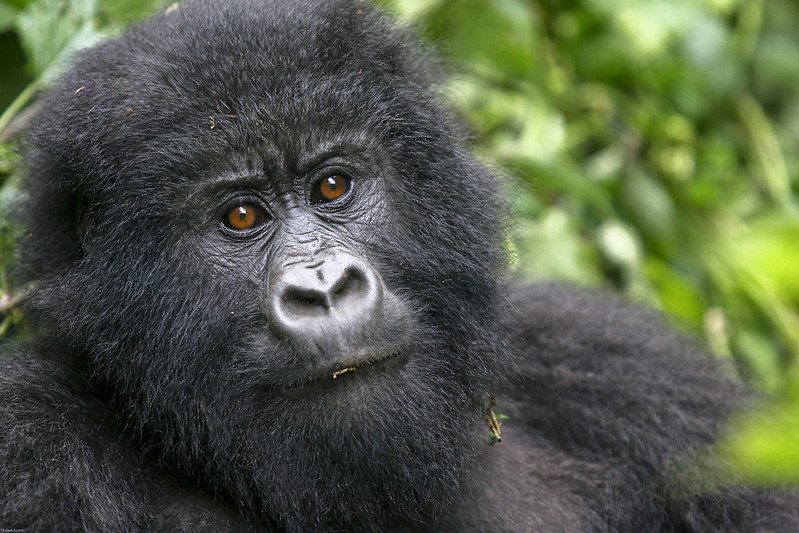
If you’re pricing out a trip to see mountain gorillas in the wild, the Rwanda gorilla trekking permit cost is the number that will shape your entire budget. Rwanda charges more for its permits than any other country where gorilla trekking is possible, and in 2026 that gap has widened further as Uganda has raised its own prices while Rwanda has quietly introduced discounted rates for African travelers. This guide breaks down exactly what a Rwanda gorilla trekking permit costs this year, what that fee actually covers, how it compares to Uganda, and how to book without losing money to an outdated price quote.
Key Highlights
- Standard Rwanda gorilla trekking permit: $1,500 per person for one trek, set by the Rwanda Development Board
- 2026 promotional rates: $200 for East African Community citizens, $500 for other African nationals and African residents — not valid during the June–October peak season
- Uganda’s comparable permit rose to $800 for foreign non-residents as of July 1, 2026, with a $600 low-season rate in April, May and November
- Since March 2026, Uganda permits can only be booked through licensed tour operators, with full payment due at time of booking
- Rwanda’s gorilla habituation permit stays at $1,500 through the end of 2026, rising to $1,800 from January 1, 2027
- Each permit buys one hour with a habituated gorilla family; trekking groups are capped at eight people
- Minimum trekking age is 15 in both Rwanda and Uganda
Why the Rwanda Gorilla Trekking Permit Cost Is So High
The short answer is scarcity by design. Volcanoes National Park issues a fixed number of permits per day, one for each habituated gorilla family, and demand consistently outstrips supply in the July–September and December–February peak windows. The Rwanda Development Board has kept the permit price at $1,500 since 2017 specifically to cap visitor numbers rather than maximize them — a smaller, higher-paying group does less cumulative damage to gorilla habitat than a larger, cheaper one. The fee also isn’t pure profit: a share funds the ranger and tracker teams who monitor each family daily, the anti-poaching patrols that operate across the park, and the community revenue-sharing scheme that returns a percentage of tourism income to villages bordering the park boundary.
Rwanda Gorilla Trekking Permit Price Breakdown for 2026
The $1,500 standard fee is a single line item, but it’s worth knowing what it bundles together so you’re not caught paying twice for something already included. It covers park entry for trekking day, the trackers who locate the gorilla family from first light, the armed ranger escort required for the walk, and your one-hour viewing window once the group reaches the gorillas. It does not cover a porter, who you can hire on the morning of the trek for a separate, modest fee that most guides recommend taking regardless of fitness level, since porters are drawn from the local community and the money goes directly to households living alongside the park. It also doesn’t cover accommodation, transport to and from the park, or travel insurance, all of which sit on top of the permit cost when you’re building a full trip budget.
2026 Promotional and Discounted Permit Rates
What’s new for 2026 is that Rwanda has formalized a tiered pricing structure that didn’t exist a couple of years ago. Rwandan citizens and other East African Community nationals can now trek for $200 per permit, and travelers from other African countries, along with foreign residents of Africa who can show proof of residency, qualify for a $500 rate. Both discounts carry one important restriction: they are not honored during the June-through-October peak tourism season, when the park reverts to charging everyone the full $1,500. If your trip dates fall outside that window and you qualify under either category, it’s worth asking your operator to confirm the discounted rate directly with the Rwanda Development Board before you pay, since permit allocation for discounted slots is more limited than the standard allocation.
How Rwanda Compares to Uganda and the DRC on Permit Cost
Uganda has long been the budget alternative to Rwanda, but that gap narrowed sharply in 2026. As of July 1, the Uganda Wildlife Authority raised its standard foreign non-resident permit from $700 to $800, with a $600 low-season rate available in April, May and November for travelers with flexible dates. Uganda also tightened its booking process this year: since March 2026, individual travelers can no longer buy a permit directly from UWA and must go through a licensed Ugandan tour operator, who is now required to collect full payment at the time of booking rather than a deposit. Even with the increase, Uganda remains roughly half the cost of Rwanda’s standard rate, and its Bwindi Impenetrable and Mgahinga Gorilla National Parks hold the larger share of the world’s mountain gorilla population, so availability is generally easier to secure on short notice. The Democratic Republic of Congo’s Virunga National Park prices permits lower still, but political instability in the eastern DRC has made it the least predictable of the three countries to plan around, and most operators, including ours, currently steer first-time trekkers toward Rwanda or Uganda instead.
Budgeting Beyond the Permit
The permit is usually the single largest line item, but it’s rarely the only one that moves your total. Accommodation near Volcanoes National Park spans an unusually wide range, from simple guesthouses around $100 a night to five-star lodges like Bisate or Singita Kwitonda well above $1,000 a night, so this is the easiest place to control overall trip cost without touching the trekking experience itself. Transport from Kigali International Airport to the park area takes roughly two and a half hours by road, and most travelers arrange a private transfer rather than public transport given the early start required on trekking day. Beyond that, budget for travel insurance that explicitly covers high-altitude trekking, a Rwanda entry visa if your nationality requires one, and a same-day porter fee if you decide to hire one, which most trekkers do.
How to Book a Rwanda Gorilla Trekking Permit in 2026
Permits for the July–September and December–February peak periods routinely sell out four to six months ahead, so booking early is less about getting a discount and more about getting a permit at all. Working through a tour operator rather than applying directly is now the practical default in both Rwanda and Uganda, since operators hold allocations and can move faster than an individual application when a preferred date is close to selling out. Traveling with a small group is also worth considering purely on cost grounds, since transport and, in some cases, lodging rates are quoted per vehicle or per room rather than per person, so splitting them across four to six trekkers meaningfully lowers everyone’s per-person total even though the $1,500 permit itself is fixed regardless of group size.
Frequently Asked Questions
How much is a Rwanda gorilla trekking permit in 2026?
The standard Rwanda gorilla trekking permit cost is $1,500 per person for one trek, set by the Rwanda Development Board. Discounted 2026 rates of $200 (East African Community citizens) and $500 (other African nationals and residents) apply outside the June–October peak season.
Is Rwanda or Uganda cheaper for gorilla trekking?
Uganda is cheaper. As of July 1, 2026, Uganda’s standard permit costs $800, roughly half of Rwanda’s $1,500 rate, with a further discounted $600 permit available in the April, May and November low season.
What does the Rwanda gorilla permit fee include?
It covers park entry, the tracker team that locates the gorilla family, the armed ranger escort, and one hour with the gorillas once found. It does not include a porter, accommodation, transport, or insurance.
Can I book a Rwanda gorilla trekking permit myself?
Yes, directly through the Rwanda Development Board, though most travelers book through a licensed tour operator, who can also arrange transport, lodging and a backup date if a preferred slot is unavailable.
Whichever country you choose, the permit is only one piece of a trip that also needs the right lodge, the right season, and a realistic itinerary around it — that’s the part we build for you. Explore our Rwanda gorilla safaris and full gorilla safari collection, compare a shorter option like the 3-Day Bwindi Gorilla Safari from Kigali, or read more on what to expect inside Volcanoes National Park and Mgahinga Gorilla National Park.
Ready to lock in a 2026 permit before peak season sells out? Book your Rwanda gorilla trekking safari now and our team will confirm live pricing and permit availability for your dates.
ENDMARKER_P100