
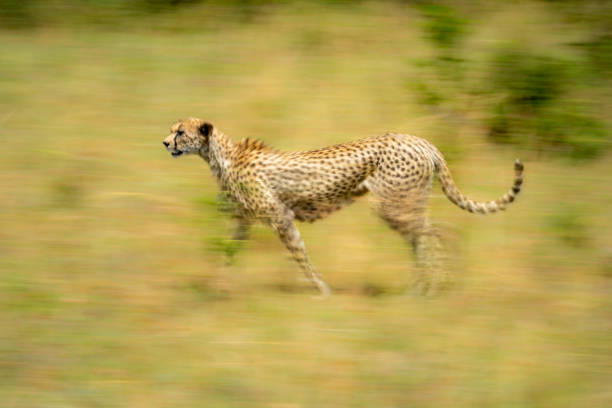
How to Capture Motion in Cheetah and Wild Dog
Photographing a running cheetah or a pack of African wild dogs is one of the most challenging experiences in wildlife photography. These predators move quickly, change direction unexpectedly and often remain active for only a short period before disappearing into vegetation.
Learning how to capture motion in cheetah and wild dog photography requires suitable camera settings, accurate focusing and careful observation.
Cheetahs are famous for their extraordinary acceleration, while African wild dogs often hunt through coordinated movement and sustained pursuit.
Both provide exciting photographic opportunities during safaris in Kenya, Tanzania and other parts of Africa.
However, successful action photography involves more than pressing the shutter repeatedly. Understanding animal behaviour, choosing suitable equipment and anticipating movement can significantly improve your photographs.
This guide explains practical techniques for photographing these fast-moving predators while respecting wildlife viewing regulations.
Understanding Cheetah and Wild Dog Movement
Cheetahs and African wild dogs use different hunting techniques.
Understanding these differences helps photographers prepare for action.
How Cheetahs Move
Cheetahs rely on exceptional acceleration and speed during relatively short pursuits.
They can change direction rapidly while chasing prey.
During a sprint, their bodies stretch and contract as their legs move through long strides.
These movements provide opportunities to photograph dramatic action.
However, cheetahs spend considerable time resting between active periods.
How African Wild Dogs Move
African wild dogs are social predators that live and hunt in packs.
They often cover substantial distances while searching for prey.
During hunts, several pack members may move together or approach from different directions.
Their coordinated movements create opportunities for photographs featuring multiple animals.
However, predicting the direction of a pack can be difficult.
Best Camera Settings for Fast Wildlife
Camera settings influence whether moving animals appear sharp or blurred.
For beginners, shutter speed is one of the most important controls.
Use Fast Shutter Speeds
Fast shutter speeds help freeze movement.
For a running cheetah, photographers may begin around 1/2000 second and increase the speed when lighting conditions permit.
African wild dogs moving quickly may require similar settings.
However, suitable shutter speeds depend on the animal’s movement, lens choice and available light.
Recommended Starting Settings
| Wildlife movement | Suggested shutter speed |
|---|---|
| Resting predator | 1/500 second |
| Walking animal | 1/800–1/1250 second |
| Running wild dog | 1/1600–1/2500 second |
| Sprinting cheetah | 1/2000–1/3200 second |
| Intentional motion blur | 1/60–1/250 second |
These are practical starting points, not fixed requirements.
Check your photographs and adjust settings according to the results.
Choose the Right Autofocus Mode
Autofocus is essential when photographing animals moving towards or away from your camera.
Continuous Autofocus
Use continuous autofocus when available.
This setting allows the camera to adjust focus as the subject moves.
Camera manufacturers use different names, including AF-C and AI Servo.
Select a suitable tracking area that allows the camera to follow your chosen animal.
Animal Eye Detection
Some modern cameras include animal recognition and eye-detection autofocus.
These features may improve focusing accuracy when the animal’s face remains visible.
However, fast movement, vegetation and multiple animals can confuse tracking systems.
Practise changing focus areas before your safari.
Back-Button Focusing
Some photographers prefer assigning autofocus activation to a rear camera button.
This separates focusing from taking photographs.
It can be useful during unpredictable wildlife movement, although it requires practice.
Use Continuous Shooting Mode
Continuous shooting allows your camera to capture several photographs while the shutter button remains pressed.
This is particularly helpful when photographing a cheetah sprinting or wild dogs chasing prey.
Why Burst Shooting Helps
Fast wildlife movements happen within fractions of a second.
A single photograph may miss the most interesting moment.
Continuous shooting increases your opportunities to capture suitable body positions.
However, taking hundreds of photographs does not guarantee sharp images.
Your autofocus, shutter speed and timing remain important.
Manage Your Memory Cards
High-speed continuous shooting produces large numbers of files.
Carry sufficient memory card capacity.
Use reliable cards compatible with your camera’s shooting speed.
Review photographs during suitable breaks rather than deleting images while important wildlife activity continues.
Choosing Lenses for Cheetah and Wild Dog Photography
Telephoto lenses help photographers observe wildlife from suitable distances.
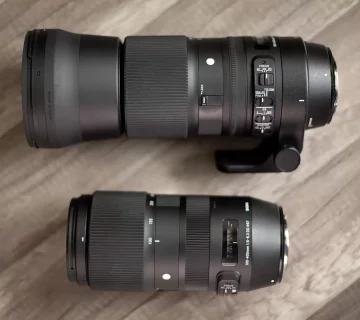
100–400mm Zoom Lens
A 100–400mm lens provides useful flexibility.
You can photograph animals at different distances without changing lenses.
The shorter focal lengths are helpful when animals approach closer, while longer settings allow tighter compositions.
150–600mm Zoom Lens
A 150–600mm lens offers greater reach.
However, longer focal lengths make tracking fast subjects more challenging.
Large lenses can also become tiring during extended game drives.
70–200mm Lens
A 70–200mm lens can be useful when photographing animals at moderate distances or including more of the surrounding habitat.
It is particularly suitable for wider photographs of wild dog packs.
Choose equipment according to your camera, experience and budget.
How to Photograph a Running Cheetah
Cheetah photography requires anticipation.
A sprint may begin suddenly and last only a short time.
Watch for Behavioural Changes
Before moving, a cheetah may become attentive to nearby prey.
It may lift its head, examine the surroundings or change its body position.
These behaviours do not guarantee that a chase will follow, but they can indicate increased interest.
Prepare Before the Action
Set your camera before the animal begins running.
Choose a fast shutter speed, continuous autofocus and continuous shooting mode.
Avoid spending valuable seconds changing settings after movement begins.
Leave Space in the Frame
Fast-moving animals can leave your composition quickly.
Use a slightly wider frame than you think necessary.
Leave space in front of the cheetah to show its direction of movement.
This also reduces the risk of cutting off its legs or tail.
Photographing African Wild Dogs in Motion
Wild dogs create different photographic challenges because several animals may move simultaneously.
Choose One Main Subject
When photographing a moving pack, select one dog as your main subject.
Track its movement while allowing other animals to appear naturally within the composition.
Trying to focus on every pack member can produce confusing photographs.
Photograph Pack Behaviour
Wild dogs frequently interact through movement, greetings and social behaviour.
These moments can produce interesting photographs even when the animals are not hunting.
Look for interactions that tell a clear story.
Use Wider Compositions
Photographs showing several dogs travelling together can communicate pack behaviour effectively.
Avoid cropping so tightly that the relationship between animals becomes unclear.
Capturing Motion Blur Creatively
Not every action photograph needs to freeze movement completely.
Intentional motion blur can communicate speed.
What Is Panning?
Panning involves moving your camera smoothly with a moving subject while using a relatively slow shutter speed.
If successful, the animal may remain reasonably sharp while the background appears blurred.
How to Practise Panning
Start with moving vehicles or birds before attempting cheetah photography.
Use a shutter speed around 1/125 second and adjust according to the subject’s speed.
Follow the movement smoothly and continue moving the camera after taking the photograph.
Panning requires practice, and many attempts may be unsuccessful.
Best Lighting for Wildlife Action Photography
Light affects shutter speed, autofocus performance and image quality.
Early Morning
Morning light can create attractive colours and softer shadows.
However, lower light levels may require higher ISO settings.
Late Afternoon
Late afternoon provides opportunities for warm lighting and interesting backgrounds.
Positioning depends on the animal’s location and permitted vehicle access.
Bright Midday Light
Midday conditions often provide enough light for very fast shutter speeds.
However, strong sunlight can create harsh shadows.
Adjust exposure carefully to preserve detail.
Preventing Blurry Wildlife Photographs
Blur can result from several problems.
| Problem | Possible solution |
|---|---|
| Slow shutter speed | Increase shutter speed |
| Missed autofocus | Use continuous tracking |
| Camera movement | Improve support and technique |
| Subject leaves frame | Use a wider composition |
| Low light | Increase ISO when necessary |
| Vegetation blocks focus | Adjust focus area |
Check your results occasionally and change one setting at a time.
Ethical Photography During Predator Hunts
Responsible wildlife photography should never disturb hunting animals.
Do not ask your driver to chase a cheetah or wild dog pack.
Remain on authorised tracks and maintain suitable viewing distances.
Avoid blocking predators or prey.
Never interfere with a hunt to obtain a photograph.
If several vehicles gather around an animal, follow your guide’s judgement about whether to remain or move away.
Wildlife welfare must remain more important than capturing dramatic action.
Frequently Asked Questions
What Shutter Speed Is Best for a Running Cheetah?
A starting point around 1/2000 second or faster is useful when lighting conditions permit.
Can Beginners Photograph African Wild Dogs?
Yes. Continuous autofocus, suitable shutter speeds and practice can improve results.
Should I Use a Tripod During Game Drives?
Tripods can be impractical inside vehicles. A beanbag or suitable lens support may be more convenient.
Is Continuous Shooting Necessary?
It is helpful for fast action, but accurate focusing and timing remain essential.
Capturing motion in cheetah and wild dog photography requires preparation, patience and an understanding of animal behaviour.
Fast shutter speeds help freeze movement, while continuous autofocus improves tracking.
Burst shooting, appropriate lenses and careful composition can increase your chances of successful photographs.
Most importantly, respect wildlife and follow your guide’s instructions.
With practice, you can capture sharp and expressive images of Africa’s fastest predators without disturbing their natural behaviour.

No comment