
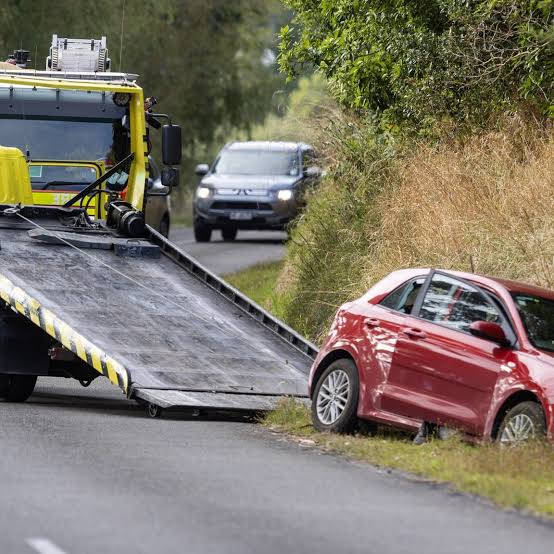
What Happens When a Vehicle Breaks Down in the Park?
A safari vehicle breakdown inside a national park can be worrying, particularly when wild animals are nearby. However, experienced safari guides understand how to manage mechanical problems while protecting their passengers.
Vehicle breakdowns can happen during game drives in Uganda, Kenya, Tanzania and other African safari destinations. Rough roads, muddy tracks, punctures and mechanical faults sometimes affect even well-maintained four-wheel-drive vehicles.
When a problem occurs, the most important step is to remain calm and follow your guide’s instructions.
Professional safari operators generally have procedures for contacting assistance, arranging repairs and transferring passengers when necessary.
Understanding what happens when a safari vehicle breaks down can help you prepare for unexpected delays and make informed decisions when choosing a tour operator.
Why Safari Vehicles Break Down in National Parks
Safari vehicles travel through environments that place considerable pressure on mechanical components.
Unlike ordinary road journeys, game drives frequently involve uneven tracks, loose stones, dust and mud.
Even properly maintained vehicles can experience mechanical problems.
Common Causes of Safari Vehicle Breakdowns
| Problem | Possible cause | Typical response |
|---|---|---|
| Flat tyre | Sharp stones or damaged tracks | Safe tyre replacement |
| Engine overheating | Cooling system problems | Stop and assess the engine |
| Battery failure | Electrical faults or weak battery | Repair or battery assistance |
| Vehicle stuck in mud | Wet or slippery tracks | Controlled recovery |
| Suspension damage | Repeated rough-road conditions | Mechanical inspection |
| Fuel problems | Supply or fuel-system issues | Assistance or repair |
The seriousness of a breakdown depends on the location, vehicle condition and available support.
Some problems can be resolved quickly, while others require a replacement vehicle.
What Happens Immediately After a Breakdown?
The guide’s first responsibility is passenger safety.
If the vehicle develops a problem, the driver should stop in a suitable location when possible.
The guide then assesses the situation before deciding what action to take.
Step 1: Stop the Vehicle Safely
The driver should avoid stopping in a dangerous position where possible.
This may involve moving away from unstable ground, deep mud or areas with limited visibility.
However, the vehicle should never be driven farther if doing so could cause additional danger.
Step 2: Check the Surroundings
Before anyone considers leaving the vehicle, the guide must assess the surrounding environment.
Wild animals may be hidden in nearby vegetation.
Lions, elephants, buffaloes and other animals can approach unexpectedly.
Visitors should remain seated and avoid opening doors without permission.
Step 3: Identify the Problem
The guide may check warning lights, engine temperature or other signs of mechanical failure.
Some problems can be assessed without leaving the vehicle.
Others require assistance from qualified personnel.
Safety must take priority over completing repairs quickly.
Should Passengers Leave a Broken-Down Safari Vehicle?
Generally, passengers should remain inside the vehicle unless an authorised guide or ranger instructs otherwise.
National parks commonly restrict visitors from leaving vehicles outside designated areas.
These rules apply even when no animals are visible.
Why Staying Inside Is Important
Wildlife can move through surrounding vegetation without being noticed.
Leaving the vehicle may expose visitors to unnecessary risks.
For example, a lion resting in tall grass may be difficult to see.
An elephant moving behind bushes may also approach unexpectedly.
The vehicle provides a more controlled environment while assistance is arranged.
What About Taking Photographs?
A breakdown is not an opportunity to walk around taking wildlife photographs.
Remain inside and follow instructions.
If a transfer becomes necessary, the guide and responding personnel should organise it safely.
How Safari Guides Contact Assistance
Professional guides usually carry communication equipment appropriate to their operating area.
This may include mobile phones or radio systems.
However, mobile network coverage is unreliable in some remote parks.
Contacting the Safari Operator
The guide may contact the tour company’s operations team.
The operator can help arrange:
Mechanical assistance.
A replacement safari vehicle.
Support from another company vehicle.
Communication with park authorities.
Changes to accommodation arrival times.
The available response depends on the location and resources.
Contacting Park Rangers
When appropriate, guides may request assistance from park authorities.
Rangers can help assess safety concerns and coordinate authorised responses.
However, visitors should understand that park authorities are not necessarily responsible for repairing private safari vehicles.
What Happens if the Vehicle Has a Flat Tyre?
Punctures are among the mechanical problems that can occur on rough safari roads.
Many safari vehicles carry spare tyres and tools.
Can the Guide Change the Tyre?
A trained driver may be able to replace a damaged tyre.
However, this should happen only when conditions permit safe work.
If dangerous wildlife is nearby, the driver should not attempt repairs outside the vehicle.
Assistance may be required.
How Long Does a Tyre Change Take?
Under suitable conditions, a straightforward tyre replacement may take approximately 20–40 minutes.
However, delays can be longer if the wheel is difficult to remove, the ground is unstable or wildlife prevents safe access.
Visitors should avoid pressuring the guide to complete repairs quickly.
What if the Safari Vehicle Gets Stuck in Mud?
Wet-season game drives can involve muddy tracks.
A vehicle may lose traction when travelling through slippery sections.
Even four-wheel-drive vehicles can become stuck.
How Recovery Works
Recovery may involve another suitable vehicle, appropriate equipment and trained personnel.
The team must consider ground conditions and the safety of everyone involved.
Improvised recovery attempts can damage vehicles or injure people.
Passengers should follow instructions and remain away from recovery equipment unless directed to a safe location.
Why Guides Avoid Certain Roads
Experienced drivers assess road conditions before entering difficult sections.
They may choose longer routes when tracks are flooded or deeply rutted.
This decision protects passengers and reduces the possibility of becoming stranded.
What if the Engine Cannot Be Repaired?
Some mechanical problems require professional repairs outside the park.
When this happens, the safari operator may arrange a replacement vehicle.
Passenger Transfer
Passengers may be transferred to another safari vehicle if conditions permit.
The transfer should take place under the direction of qualified personnel.
Guests should not leave their vehicle until the guide confirms that movement is safe.
Continuing the Safari
If a replacement vehicle arrives, the group may continue its planned activities.
However, the programme may need adjustments.
For example, a delayed morning game drive might be shortened to allow sufficient time to reach the lodge before permitted travel hours end.
How Long Can Safari Vehicle Recovery Take?
Recovery times vary considerably.
| Breakdown situation | Possible delay |
|---|---|
| Minor mechanical adjustment | Several minutes or longer |
| Flat tyre | Around 20–40 minutes under suitable conditions |
| Battery problem | Depends on available assistance |
| Vehicle stuck in mud | Potentially several hours |
| Major mechanical failure | Several hours or longer |
| Remote vehicle recovery | Depends on distance and access |
These are general illustrations, not guaranteed response times.
Remote locations, poor communication coverage and severe weather may increase delays.
What Happens if the Vehicle Breaks Down Near Lions?
A breakdown near lions requires particular caution.
The guide should avoid unnecessary movement and assess the animals’ behaviour.
Passengers should remain inside the vehicle.
Do not shout, open doors or attempt to frighten lions away.
If the vehicle cannot move, the guide should arrange assistance through established procedures.
The same cautious approach applies around elephants, buffaloes and other potentially dangerous wildlife.
What Should Travellers Carry for Unexpected Delays?
A small daypack can make an unplanned wait more comfortable.
Recommended items include:
Drinking water.
Personal medication.
Sunscreen.
A lightweight jacket.
A fully charged phone.
A portable power bank.
Essential travel documents.
Small snacks, where permitted.
Keep necessary medication with you rather than packing everything in luggage stored elsewhere.
How to Choose a Reliable Safari Operator
Before booking, ask how the company manages vehicle breakdowns.
Useful questions include:
How frequently are vehicles inspected?
Does the company maintain replacement vehicles?
How do guides communicate in remote areas?
What happens if the vehicle cannot continue?
Will missed activities be rearranged where possible?
A professional operator should explain its contingency procedures clearly.
However, replacement arrangements vary, so confirm what your booking agreement covers.
Frequently Asked Questions
Is a Safari Vehicle Breakdown Dangerous?
It can create risks, particularly in remote wildlife areas. Remaining inside the vehicle and following professional instructions helps reduce those risks.
Can Tourists Help Repair the Vehicle?
Visitors should generally remain inside unless the guide determines that another arrangement is safe and authorised.
Do Rangers Rescue Broken-Down Vehicles?
Rangers may assist with safety and coordination, but mechanical recovery arrangements depend on the park and situation.
Will the Safari Continue After a Breakdown?
It may continue if the vehicle is repaired or suitable replacement transport becomes available.
A vehicle breakdown inside a national park can interrupt your safari, but experienced guides and responsible operators prepare for unexpected situations.
The priority is keeping passengers safe while the problem is assessed and assistance is arranged.
Visitors should remain calm, stay inside the vehicle and follow instructions.
Choosing a reliable safari operator with maintained vehicles and clear emergency procedures helps reduce unnecessary disruption.





No comment