
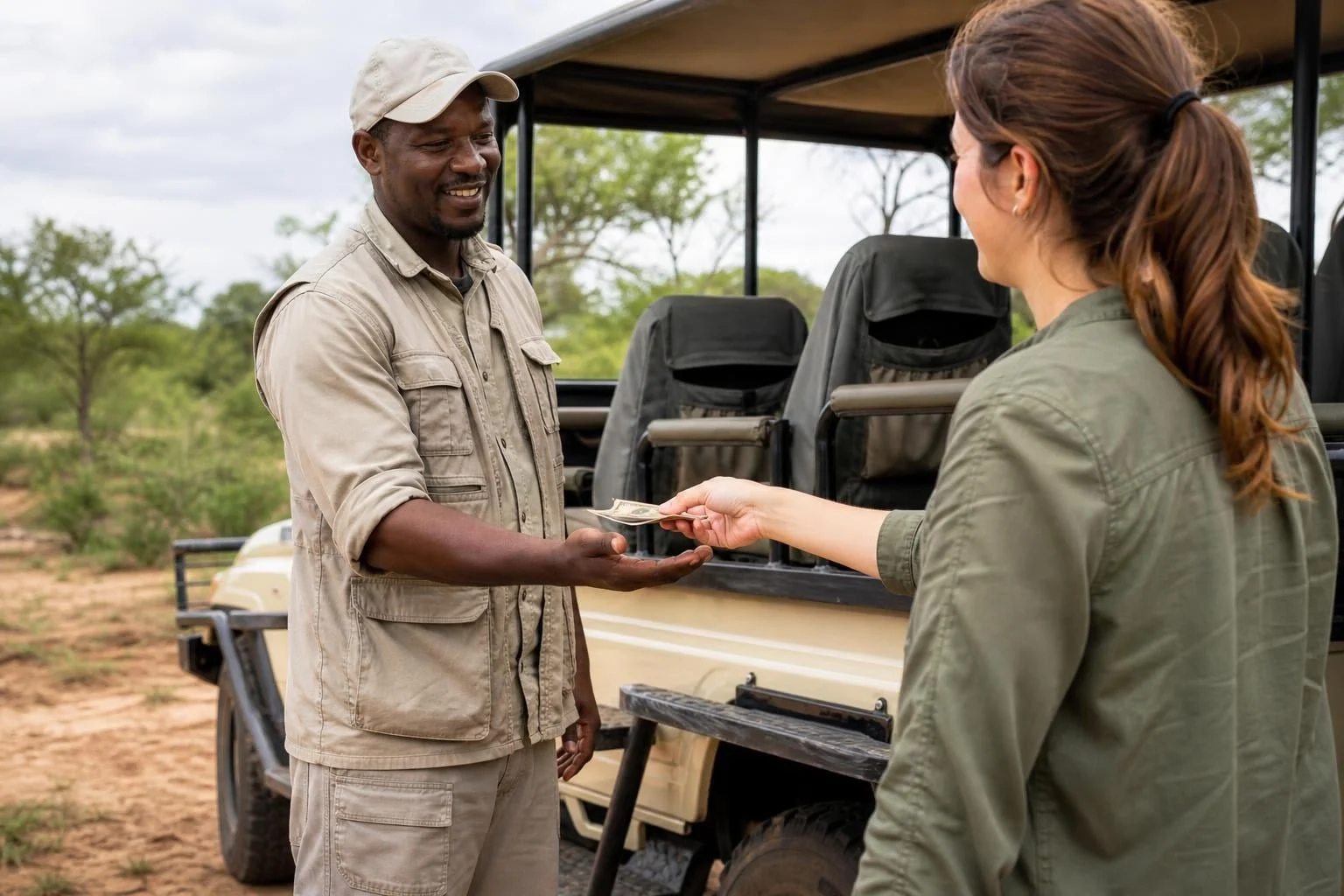
Camp Staff Life: Cooks, Rangers and Housekeepers Behind Your Stay
A safari lodge may offer comfortable rooms, delicious meals and beautiful wildlife views, but the people working behind the scenes make these experiences possible. Camp staff life involves long hours, teamwork and careful preparation to ensure visitors enjoy a safe and comfortable stay.
While guests spend their mornings watching elephants, lions or giraffes, camp employees prepare meals, clean rooms, maintain facilities and organise activities.
In Uganda, Kenya, Tanzania and Rwanda, safari camps employ people with different skills and responsibilities. Cooks prepare meals, housekeepers maintain accommodation, and rangers help protect wildlife and visitors.
Other employees manage reservations, maintain vehicles, transport supplies and provide guest services.
Understanding their daily responsibilities helps travellers appreciate the work involved in operating a safari camp, particularly in remote national parks.
What Is Life Like for Safari Camp Staff?
Working at a safari camp differs from employment at a conventional town hotel.
Many camps are located far from major towns, supermarkets and public transport.
Employees must often work around early morning game drives, evening meals and changing guest schedules.
Some staff live at the camp during their working rotations, while others travel from nearby communities.
Typical Working Hours
A camp employee’s schedule depends on their responsibilities.
Kitchen staff may begin before sunrise to prepare breakfast.
Housekeepers usually clean rooms while guests are away on activities.
Restaurant employees may continue working after dinner.
Rangers and security personnel often work shifts to maintain appropriate coverage.
Because responsibilities vary, staff do not necessarily follow the same daily timetable.
Safari Camp Cooks: Preparing Meals in Remote Locations
Cooks play an important role in the guest experience.
Many travellers expect freshly prepared meals, even when staying several hours away from the nearest major town.
Safari kitchens must therefore plan carefully.
Preparing Breakfast Before Game Drives
Morning activities often begin shortly after sunrise.
Kitchen teams may start preparing breakfast around 5:00 am, depending on the itinerary.
Some guests prefer a full breakfast before departure, while others request packed meals.
Typical breakfast options include:
Fresh fruit.
Eggs.
Bread and pastries.
Tea and coffee.
Porridge.
Pancakes.
Local breakfast dishes.
Kitchen teams must coordinate meal times with guides and other staff.
Planning Lunch and Dinner
Lunch may be served at the lodge or packed for guests spending the day in a national park.
Dinner usually requires more preparation.
Depending on the camp, menus may include grilled meat, vegetables, soups, rice, fish and traditional dishes.
Some lodges offer Ugandan, Kenyan or Tanzanian meals alongside international cuisine.
Managing Food Supplies
Remote camps cannot always purchase ingredients daily.
Kitchen managers must monitor stock levels and arrange deliveries.
Fresh ingredients require suitable storage, particularly in hot climates.
Food hygiene is essential because guests may be staying far from major medical facilities.
Housekeepers: Maintaining Comfortable Safari Accommodation
Housekeepers ensure guest rooms remain clean, organised and comfortable.
Their work can be demanding because safari camps are exposed to dust, insects, humidity and changing weather.
Daily Room Cleaning
Housekeeping responsibilities commonly include:
Making beds.
Cleaning bathrooms.
Replacing towels.
Emptying waste bins.
Sweeping and mopping floors.
Checking room supplies.
Reporting maintenance problems.
Some camps provide daily cleaning, while others follow different schedules.
Preparing Rooms for New Guests
When visitors check out, housekeepers prepare rooms for incoming guests.
They inspect bedding, clean surfaces and confirm that essential facilities are functioning.
In remote accommodation, even small problems may require additional coordination.
For example, a faulty water heater may need attention from maintenance staff before another guest arrives.
Managing Laundry
Safari lodges often handle large quantities of bedding, towels and staff uniforms.
Laundry facilities vary between camps.
Some use washing machines, while smaller properties may rely partly on manual washing.
Housekeepers must consider water availability and drying conditions.
Rangers and Security Staff: Protecting Guests and Wildlife
Rangers and security staff perform important but different responsibilities.
Wildlife rangers are generally associated with protected-area management, law enforcement, monitoring and conservation.
Camp security staff focus on the safety of accommodation facilities and their guests.
Their duties should not be confused.
Wildlife Ranger Responsibilities
Depending on their position, authorised wildlife rangers may:
Patrol protected areas.
Monitor wildlife activity.
Respond to illegal activities.
Assist with conservation operations.
Support visitor safety.
Enforce national park regulations.
Rangers often work in difficult environments and may face dangerous situations.
Camp Security Responsibilities
Security personnel monitor access to camp facilities and help visitors follow accommodation safety procedures.
In unfenced camps, wildlife may occasionally move near guest areas.
Staff may therefore escort visitors between their rooms and shared facilities after dark.
Guests should follow these instructions carefully.
Why Nighttime Safety Procedures Matter
Animals such as elephants, buffaloes and hippos may move through or near certain safari properties.
Visitors should never approach wildlife around accommodation buildings.
If you hear an animal outside your room, remain indoors and contact staff when necessary.
Other Important Safari Camp Employees
A successful safari camp depends on several departments working together.
| Staff position | Main responsibility |
|---|---|
| Cook | Preparing meals and managing kitchen activities |
| Housekeeper | Cleaning rooms and handling laundry |
| Ranger | Wildlife protection and authorised park duties |
| Security officer | Monitoring camp safety |
| Receptionist | Welcoming guests and managing enquiries |
| Waiter | Serving meals and drinks |
| Maintenance worker | Repairing equipment and facilities |
| Driver | Transporting guests and supplies |
| Camp manager | Coordinating daily operations |
Some employees perform several duties, particularly at smaller camps.
How Safari Camps Operate in Remote Areas
Remote locations create practical challenges for camp employees.
Electricity Supply
Some safari camps use solar power, generators or a combination of systems.
Employees must manage electricity carefully.
Power may be limited during certain hours, depending on the property.
Water Management
Water is essential for cooking, cleaning, laundry and guest facilities.
Camps must maintain appropriate supply and treatment systems.
Responsible water use becomes particularly important in dry regions.
Waste Management
Staff collect and manage waste to keep camp surroundings clean.
Food waste requires careful handling because it may attract wildlife.
Guests can support these efforts by avoiding littering and following disposal instructions.
A Typical Day for Safari Camp Staff
Daily schedules differ between properties, but the following example illustrates how departments coordinate their work.
| Time | Common staff activities |
|---|---|
| 5:00 am | Kitchen team prepares breakfast |
| 6:00 am | Guests depart for morning activities |
| 8:00 am | Housekeepers begin room servicing |
| 10:00 am | Maintenance and supply checks |
| 12:30 pm | Lunch service |
| 2:00 pm | Afternoon preparations |
| 4:00 pm | Guest refreshments and activity support |
| 7:00 pm | Dinner service |
| 9:00 pm | Cleaning, security and overnight duties |
Staff work in different shifts, and the timetable changes according to guest requirements.
Challenges Faced by Safari Camp Workers
Working Far From Home
Some employees remain at remote camps for extended rotations.
This can make family visits difficult.
Employers may provide staff accommodation and organised rest periods.
Changing Guest Expectations
Visitors have different dietary requirements, schedules and preferences.
Staff must communicate clearly and respond to reasonable requests.
Weather Conditions
Heavy rainfall can affect deliveries and access roads.
Dusty conditions increase cleaning requirements.
Wildlife Around Camps
Employees working near wildlife must follow established safety procedures.
Staff should never assume that animals regularly seen near a camp are harmless.
How Safari Camps Support Local Communities
Safari camps can provide employment opportunities for people living near protected areas.
Local residents may work as cooks, cleaners, drivers, guides and maintenance workers.
Some properties also purchase vegetables, crafts and other supplies from surrounding communities.
These activities can contribute to local incomes.
However, the benefits vary between camps.
Travellers interested in responsible tourism can ask whether a lodge employs local residents and purchases supplies from nearby businesses.
How Guests Can Appreciate Safari Camp Staff
Small actions can make a difference during your stay.
Respect Working Hours
Understand that staff may be preparing meals or cleaning facilities while you enjoy activities.
Make requests politely and allow reasonable time for assistance.
Communicate Dietary Requirements Early
Tell your operator about allergies or dietary restrictions before arrival.
This gives kitchen staff time to prepare suitable meals and obtain necessary ingredients.
Follow Camp Rules
Respect instructions concerning wildlife, waste disposal and nighttime movement.
These procedures help protect guests and employees.
Consider Tipping
Tipping is voluntary.
Some camps operate shared staff tip boxes, allowing contributions to reach employees working behind the scenes.
Ask the manager how tips are distributed before deciding.
Frequently Asked Questions
Do Safari Camp Employees Live at the Lodge?
Some employees stay in staff accommodation during working rotations, while others travel from nearby communities.
Are Safari Camps Safe at Night?
Established camps use safety procedures appropriate to their locations. Guests should follow staff instructions, especially where wildlife moves nearby.
Do Safari Cooks Prepare Local Food?
Many camps offer local dishes alongside international meals, although menus vary.
Can Guests Meet Camp Staff?
Yes. Visitors regularly interact with restaurant, housekeeping and reception teams. Some properties also organise appropriate opportunities to learn about camp operations.
Camp staff life involves considerable preparation, teamwork and responsibility.
Cooks prepare meals, housekeepers maintain accommodation, and rangers contribute to wildlife protection. Security officers, drivers and maintenance workers also support daily operations.
Their efforts help visitors enjoy comfortable and organised safari experiences.
Recognising their contributions, respecting camp procedures and supporting responsible tourism practices can make your stay more meaningful.





No comment