
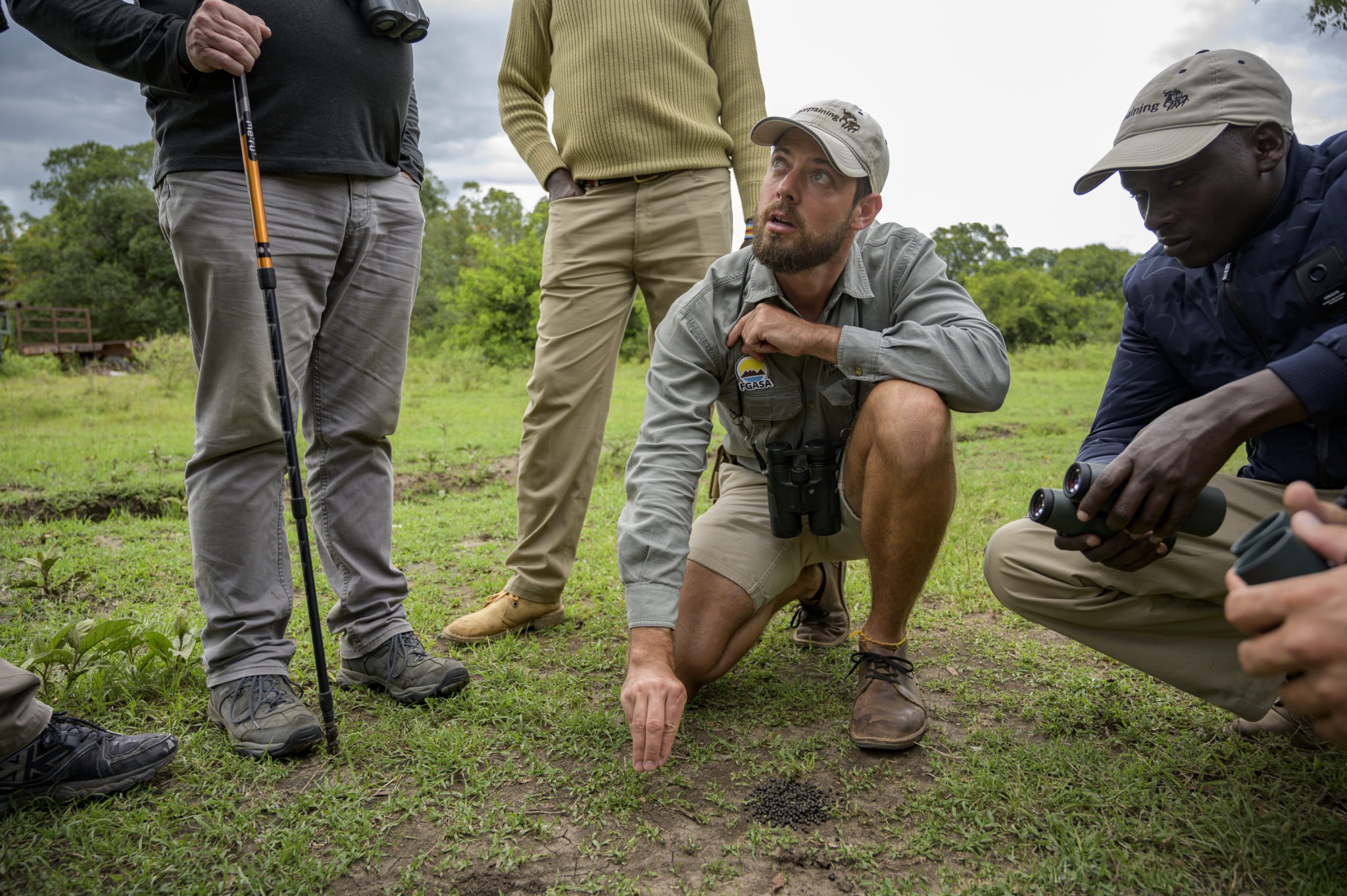
How Safari Guides Train: Certification Levels in Kenya and Tanzania
Safari guide training in Kenya and Tanzania prepares professionals to lead wildlife experiences, identify animals, explain natural habitats and protect visitors during game drives. Becoming a qualified safari guide requires knowledge, practical experience and the ability to make responsible decisions in the field.
Although both countries are famous for wildlife tourism, their guide training and certification systems differ.
In Kenya, the Kenya Professional Safari Guides Association (KPSGA) offers three recognised certification levels: Bronze, Silver and Gold.
Tanzania uses vocational and technical education pathways, including certificates and diplomas in tour guiding. Professional qualifications are offered through institutions such as the National College of Tourism.
Understanding safari guide certification in Kenya and Tanzania helps travellers evaluate their guides and assists aspiring professionals considering a career in tourism.
Why Safari Guides Need Professional Training
Safari guiding involves more than driving tourists around national parks.
A professional guide must understand animal behaviour, conservation, geography, visitor safety and local cultures.
Guides also need communication skills because travellers arrive with different interests and expectations.
A knowledgeable guide can explain why lions rest during the day, how elephants communicate and which birds inhabit particular environments.
Professional training helps guides:
Identify wildlife accurately.
Understand animal behaviour.
Follow park regulations.
Respond appropriately to emergencies.
Communicate with international visitors.
Explain conservation challenges.
Drive safely on difficult roads.
Practical experience remains important because classroom learning cannot reproduce every situation encountered during a safari.
Safari Guide Certification in Kenya
Kenya has an established professional certification system managed by the Kenya Professional Safari Guides Association.
KPSGA was established in 1996 to improve professional guiding standards.
The association operates an independent, voluntary examination system.
Guides progress through Bronze, Silver and Gold certification levels.
Each level assesses knowledge and experience, with increasingly demanding requirements.
KPSGA Bronze Level
Bronze is the entry level of KPSGA certification.
Candidates may qualify through relevant tourism education, industry involvement or practical experience.
Applicants must pass a written examination containing 100 multiple-choice questions.
Subjects include:
Mammals and birds.
Plants and insects.
Reptiles and amphibians.
Kenyan geography.
History and culture.
Conservation.
General knowledge.
First aid.
The examination tests whether candidates understand the essential subjects needed for professional guiding.
Bronze certification provides a foundation for further development.
KPSGA Silver Level
Silver is an advanced certification level.
Candidates must complete at least three additional years of relevant field experience as Bronze-level members while meeting the association’s membership requirements.
The assessment is more demanding than the Bronze examination.
It includes written questions and practical identification exercises.
Candidates are expected to demonstrate greater knowledge of wildlife, conservation and guiding responsibilities.
Additional subjects include ecology, map reading and orientation.
Silver certification reflects further professional development supported by practical experience.
KPSGA Gold Level
Gold is the highest level within the KPSGA certification framework.
Candidates must complete at least three additional years as qualifying Silver-level members before becoming eligible for assessment.
The Gold examination involves substantial preparation.
Assessments may include written work, discussions, practical guiding demonstrations and field evaluations.
Candidates must demonstrate advanced professional knowledge and sound judgement.
Gold certification recognises guides who have developed considerable experience and technical ability.
Comparing Kenya’s Safari Guide Certification Levels
| Certification | Main requirement | Assessment |
|---|---|---|
| Bronze | Relevant training or tourism industry involvement | 100-question multiple-choice examination |
| Silver | At least 3 additional years as a qualifying Bronze member | Advanced written and identification assessments |
| Gold | At least 3 additional years as a qualifying Silver member | Comprehensive professional and field assessment |
Progression depends on passing assessments and meeting eligibility requirements.
Time spent working alone does not automatically qualify someone for promotion.
Safari Guide Training in Tanzania
Tanzania follows a different professional education structure.
Aspiring guides can complete vocational or technical programmes covering tourism operations and practical guiding skills.
The National College of Tourism offers relevant training, including Tour Guiding Operations programmes.
Other recognised training institutions may provide additional tourism qualifications.
Unlike Kenya’s KPSGA framework, Tanzania does not use Bronze, Silver and Gold as one universal national safari guide certification system.
Its education pathways commonly follow National Technical Award levels.
Basic Technician Certificate: NTA Level 4
NTA Level 4 represents a foundational technical qualification.
Relevant tourism programmes introduce students to essential knowledge and practical skills.
Subjects may include tourism operations, communication, customer service and introductory guiding techniques.
Students begin developing the abilities needed for further technical education.
Technician Certificate: NTA Level 5
NTA Level 5 represents a further stage of technical training.
Students build stronger practical and theoretical knowledge.
In tour guiding programmes, training can include visitor handling, tourism geography, guiding procedures and professional communication.
Practical assignments help students apply classroom learning.
Ordinary Diploma: NTA Level 6
NTA Level 6 corresponds to an Ordinary Diploma qualification.
Relevant programmes provide more advanced training in tour guiding operations.
Students develop broader knowledge of tourism services, professional responsibilities and practical operations.
The National College of Tourism offers diploma pathways that students may enter through recognised qualifications.
Entry requirements and course duration depend on the programme.
Practical Training for Tanzania Safari Guides
Technical qualifications provide important foundations, but safari guiding also requires practical field experience.
Tanzania’s major wildlife destinations include Serengeti National Park, Tarangire National Park and the Ngorongoro Conservation Area.
Guides working in these destinations must understand local wildlife, road conditions and visitor expectations.
Wildlife Identification
Students learn to recognise common mammals, birds and other wildlife.
Accurate identification helps guides explain animal behaviour and habitats.
Vehicle Handling
Driving skills are important because many safari routes include unpaved roads.
Guides must understand defensive driving and basic vehicle checks.
Customer Service
Guides interact with visitors from different cultural backgrounds.
Good communication helps them explain activities, answer questions and manage expectations.
Conservation Knowledge
Professional guides should understand protected-area rules and the importance of responsible tourism.
This includes keeping suitable distances from animals and avoiding unnecessary disturbance.
Kenya vs Tanzania: Certification Comparison
| Feature | Kenya | Tanzania |
|---|---|---|
| Main framework discussed | KPSGA | National Technical Awards |
| Qualification levels | Bronze, Silver, Gold | NTA Levels 4, 5 and 6 |
| Main emphasis | Professional examinations and field experience | Technical education and practical training |
| Progression | Experience and successful examinations | Academic and practical qualification requirements |
| Assessment | Written and practical evaluations | Coursework, examinations and practical assessments |
| Higher qualification | KPSGA Gold | Relevant technical diploma |
These frameworks are different and should not be treated as equivalent qualifications.
A Tanzanian diploma does not automatically correspond to KPSGA Silver or Gold certification.
What Do Safari Guides Study?
Training programmes differ, but several subjects are important across both countries.
Animal Behaviour
Guides learn how wildlife feeds, communicates, reproduces and responds to threats.
Understanding behaviour helps them avoid disturbing animals during game drives.
Ecology and Habitats
Students examine relationships between wildlife, vegetation, water and environmental conditions.
This knowledge helps explain why animals occupy particular areas.
First Aid and Emergency Response
Guides should understand basic emergency procedures.
Training helps them respond appropriately while arranging professional assistance when necessary.
Local History and Culture
Visitors often want to learn about communities living near protected areas.
Guides may explain local traditions, historical developments and cultural practices.
Professional Ethics
Responsible guiding requires honesty and respect for wildlife.
Guides should avoid promising guaranteed sightings or encouraging visitors to break park regulations.
How Long Does Safari Guide Training Take?
Training duration depends on the country and qualification.
In Kenya, KPSGA progression requires at least three additional years between Bronze and Silver, followed by another three years before Gold eligibility.
Candidates must also pass the relevant examinations.
In Tanzania, formal certificate and diploma programmes vary in duration.
Some National College of Tourism programmes take approximately two years, while certain upgrading pathways are shorter.
Field experience continues after formal education.
How Travellers Can Check a Guide’s Qualifications
Before booking a safari, ask your operator about the guide’s training and experience.
Useful questions include:
What professional qualifications does the guide hold?
How many years have they worked in the destination?
Are they experienced with the animals you want to see?
Have they received first-aid training?
Do they follow responsible wildlife viewing practices?
A guide’s professional attitude is also important.
Experience, communication skills and responsible behaviour can strongly influence your safari experience.
Frequently Asked Questions
What Is the Highest Safari Guide Certification in Kenya?
Gold is the highest certification level offered within the KPSGA framework.
Does Tanzania Use Bronze, Silver and Gold Certification?
No. Tanzania’s formal technical education pathways commonly use NTA qualification levels rather than Kenya’s KPSGA categories.
Can Someone Become a Guide Without a University Degree?
Yes. Relevant vocational training, professional examinations and recognised practical experience can provide pathways into guiding, subject to applicable requirements.
Are All Safari Guides Certified?
Qualifications vary. Travellers should ask operators about individual guides rather than assuming everyone holds the same certification.
Safari guide training in Kenya and Tanzania prepares professionals for wildlife tourism through education, assessment and practical experience.
Kenya’s KPSGA system offers Bronze, Silver and Gold certification, while Tanzania provides technical certificate and diploma pathways.
Both approaches contribute to professional development.
For travellers, choosing a knowledgeable guide who follows safety regulations and respects wildlife is an important part of planning a responsible African safari.



No comment