
Five Safari Myths Guides Hear Every Week
Going on an African safari is an exciting experience, especially if you are visiting wildlife destinations for the first time. However, many travellers arrive with expectations influenced by wildlife documentaries, social media photographs and stories shared by other tourists.
Some of these expectations are accurate, while others are common safari myths that experienced guides regularly explain to visitors.
For example, some travellers believe lions hunt every day, elephants are always gentle, or the Big Five are guaranteed on every game drive. Others assume African safaris are dangerous or that wildlife can only be seen during the dry season.
Understanding these misconceptions can help you prepare for a more enjoyable safari.
This guide explains five common safari myths, what experienced guides know about them and how you can improve your wildlife viewing experience in Uganda, Kenya, Tanzania and Rwanda.
Myth 1: You Are Guaranteed to See the Big Five on Every Safari
One of the most common safari myths is that every game drive guarantees sightings of the Big Five.
The Big Five include:
Lion.
Leopard.
Elephant.
African buffalo.
Rhinoceros.
These animals became collectively known as the Big Five through historical big-game hunting terminology.
Today, the term is widely used in wildlife tourism.
Why Big Five Sightings Are Never Guaranteed
Wild animals move freely through their natural habitats.
Their movements depend on food availability, water, weather conditions, breeding behaviour and human disturbance.
Lions may rest in thick vegetation, while leopards often remain hidden in trees or dense bushes.
Rhinos are limited to certain protected areas, meaning they cannot be seen in every national park.
For example, Uganda’s Queen Elizabeth National Park supports lions, elephants, buffaloes and leopards, but it does not have a resident wild rhino population.
Travellers hoping to see rhinos in Uganda need to arrange an appropriate visit to Ziwa Rhino Sanctuary.
What Safari Guides Recommend
Instead of concentrating entirely on the Big Five, appreciate the wider wildlife experience.
You may encounter giraffes, zebras, antelopes, hippos, crocodiles and numerous bird species.
Some of the most interesting wildlife moments involve smaller animals.
A mongoose searching for insects or a hornbill feeding beside a track can provide excellent viewing opportunities.
Guide’s advice: Choose parks based on the wildlife you want to see and avoid expecting guaranteed sightings.
Myth 2: Lions Hunt Every Day and Are Always Active
Many first-time safari visitors expect lions to spend much of their time hunting.
This impression often comes from wildlife documentaries that concentrate on dramatic moments.
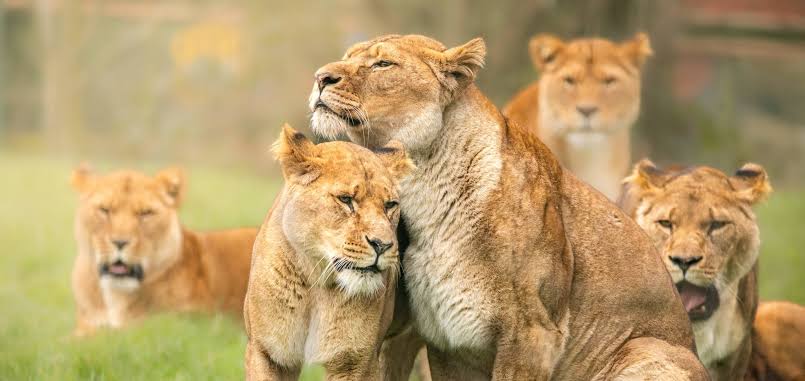
In reality, lions spend considerable time resting.
Why Lions Rest So Much
Lions conserve energy between periods of activity.
They may spend approximately 16 to 20 hours resting or being relatively inactive during a typical day, although behaviour varies.
Hunting requires substantial energy, and successful hunts do not happen every day.
Lions often become more active during cooler periods, particularly around dawn, dusk and nighttime.
However, hunting behaviour depends on opportunities, prey movement and environmental conditions.
Best Time to Watch Lions
Early morning game drives can provide opportunities to observe lions before daytime temperatures increase.
Late afternoon drives may also be productive.
In Uganda, lions can be seen in Queen Elizabeth and Murchison Falls national parks.
Kenya’s Maasai Mara and Tanzania’s Serengeti are also well-known lion habitats.
However, even in these destinations, sightings depend on animal movements.
What Safari Guides Recommend
Do not rush away simply because a lion is sleeping.
Patient observation may reveal interesting behaviour, including social interactions, grooming and communication between pride members.
Never pressure your guide to approach too closely or disturb resting animals.
Guide’s advice: A peaceful lion sighting is still a valuable wildlife experience.
Myth 3: Elephants Are Gentle Animals That Never Attack
Elephants are often described as intelligent, social and family-oriented animals.
These descriptions are supported by observations of their complex behaviour.
However, believing elephants are always harmless is a dangerous safari misconception.
Understanding Elephant Behaviour
Elephants are powerful wild animals capable of defending themselves and their families.
Their reactions may depend on previous experiences, perceived threats and environmental conditions.
A female elephant with a young calf may become defensive if a vehicle approaches too closely.
Adult males can also display heightened aggression during musth, a natural period associated with increased reproductive activity.
Elephants may show warning behaviours such as:
Spreading their ears.
Raising their heads.
Trumpeting.
Moving towards a perceived threat.
Displaying tense or defensive body language.
These behaviours require careful interpretation because their meaning depends on the situation.
Safe Elephant Viewing
Visitors should remain inside their safari vehicles unless their guide confirms that exiting is permitted.
Never block an elephant’s movement or separate individuals within a herd.
If elephants approach the road, allow them sufficient space to cross.
Avoid sudden movements, loud noises or attempts to attract their attention.
What Safari Guides Recommend
Let elephants control the encounter.
An experienced guide understands when to stop, remain still or move away safely.
Guide’s advice: Respect an elephant’s space, even when the animal appears calm.
Myth 4: African Safaris Are Dangerous Because Wild Animals Attack Tourists
Some travellers worry that visiting African national parks means constantly risking attacks by lions, elephants or other dangerous animals.
Although wildlife encounters carry genuine risks, professionally managed safari activities use established safety procedures.
How Safari Safety Works
Tour operators and park authorities establish rules intended to protect visitors and wildlife.
Professional safari guides understand animal behaviour, protected-area regulations and appropriate viewing distances.
Visitors are generally advised to remain inside vehicles during game drives.
Walking safaris require specific arrangements and qualified guides.
Accommodation providers also explain safety procedures for moving around lodges and camps.
Common Safari Safety Rules
| Activity | Recommended precaution |
|---|---|
| Game drive | Remain inside the vehicle unless permitted |
| Walking safari | Follow your guide’s instructions |
| Lodge stay | Use staff escorts when required |
| Wildlife photography | Avoid approaching animals |
| Nighttime movement | Follow camp safety procedures |
| Food storage | Never feed wild animals |
Following these rules reduces unnecessary risks.
However, no wildlife experience can be considered completely risk-free.
What Makes Visitors Unsafe?
Problems can arise when travellers ignore instructions.
Examples include leaving vehicles in prohibited locations, approaching animals for photographs or feeding monkeys around accommodation facilities.
Another mistake is assuming that animals accustomed to vehicles are comfortable with people approaching on foot.
What Safari Guides Recommend
Listen carefully during safety briefings and ask questions whenever instructions are unclear.
Guide’s advice: The safest safari visitors are those who respect park regulations and follow qualified guides.
Myth 5: The Dry Season Is the Only Good Time for an African Safari
Many travellers believe wildlife safaris are only worthwhile during the dry season.
Dry conditions can make wildlife viewing easier in some destinations because vegetation becomes shorter and animals gather near water sources.
However, rainy seasons also offer rewarding experiences.
Benefits of Dry-Season Safaris
During drier months, travellers may enjoy:
Easier access along certain park tracks.
Shorter vegetation in some habitats.
Concentrations of animals near permanent water.
Reduced rainfall during outdoor activities.
For many East African destinations, June to September and parts of December to February are popular safari periods.
Conditions vary between countries and regions.
Benefits of Rainy-Season Safaris
Rainfall can transform landscapes and create excellent photographic conditions.
Some animals give birth during periods when fresh vegetation is available.
Birdwatching can also be particularly rewarding when migratory birds are present.
Green vegetation creates attractive scenery, especially in destinations such as Uganda’s national parks.
However, wet conditions can make certain roads muddy and increase travelling times.
Comparing Safari Seasons
| Factor | Dry season | Rainy season |
|---|---|---|
| Wildlife visibility | Often easier | May require more patience |
| Vegetation | Generally shorter | Usually greener |
| Road conditions | Often easier | Some tracks become muddy |
| Photography | Clearer views in open habitats | Green scenery and dramatic skies |
| Visitor numbers | Often higher | Sometimes lower |
| Accommodation | Popular lodges can fill early | More availability may be possible |
What Safari Guides Recommend
Choose your travel dates according to your preferred activities.
For example, mountain gorilla trekking in Uganda and Rwanda operates throughout the year, although forest trails can become slippery during rainy periods.
Wildlife viewing in Kenya and Tanzania also depends on the specific park and seasonal animal movements.
Guide’s advice: There is no single perfect safari month for every destination.
How to Prepare for a Better Safari Experience
Understanding common safari myths is a useful starting point, but practical preparation also improves your experience.
Choose the Right Destination
Research which animals live in your preferred national park.
If you want mountain gorillas, consider Bwindi Impenetrable National Park or Volcanoes National Park.
For extensive savannah wildlife viewing, consider destinations such as the Serengeti or Maasai Mara.
Allow Enough Time
A single game drive may provide excellent sightings, but spending more time in a protected area increases your opportunities to encounter different wildlife.
Consider at least two game drives where your itinerary allows.
Bring Suitable Equipment
Binoculars help you observe animals without approaching too closely.
A camera with an appropriate zoom lens allows you to photograph wildlife from a safe distance.
Comfortable clothing, sun protection and drinking water are also important.
Ask Your Guide Questions
Safari guides understand local habitats and animal behaviour.
Ask about tracks, feeding habits, breeding seasons and conservation challenges.
Their explanations can make ordinary wildlife encounters much more interesting.
Frequently Asked Questions
Are Big Five Sightings Guaranteed?
No. Wildlife sightings depend on animal movements, habitat conditions and the species present in each park.
Are Lions Dangerous on Safari?
Lions are powerful wild predators. Visitors should maintain safe distances and follow guide instructions.
Can Elephants Charge Safari Vehicles?
Yes. Defensive behaviour is possible, particularly when elephants feel threatened or have young calves nearby.
Is a Rainy-Season Safari Worthwhile?
Yes. Rainy-season safaris can offer green landscapes, birdwatching opportunities and rewarding wildlife encounters.
Common safari myths can create unrealistic expectations about wildlife viewing in Africa.
Lions do not spend every day hunting, elephants require respectful distances, and Big Five sightings are never guaranteed.
Likewise, safaris are possible during different seasons when travellers prepare for local conditions.
The best approach is to remain patient, follow safety instructions and appreciate the animals you encounter.
With realistic expectations and knowledgeable guides, your safari can become a rewarding experience.





No comment