
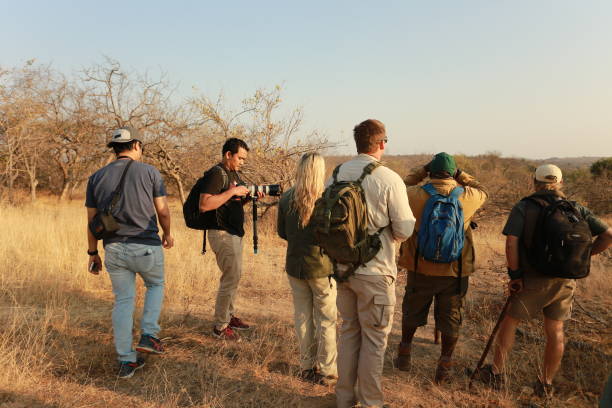
Citizen Science on Safari: Recording Sightings for Researchers
Citizen science on safari allows ordinary travellers to contribute to wildlife research by recording the animals they observe. During a game drive, forest walk or birdwatching experience, you may encounter species whose sightings can provide useful information for conservation.
Across Uganda, Kenya, Tanzania and Rwanda, wildlife researchers study animal populations, habitats, seasonal movements and environmental changes. Some research projects welcome observations collected by members of the public.
You do not need to be a professional scientist to participate. However, your records must be accurate, responsible and collected without disturbing wildlife.
A carefully documented sighting may contribute to a larger collection of observations that researchers use to understand biodiversity.
This guide explains how citizen science works, what information to record and how you can contribute during your next African safari.
What Is Citizen Science on Safari?
Citizen science involves members of the public collecting or sharing information that can support scientific research.
In wildlife conservation, this may include recording animal sightings, identifying birds, photographing insects or observing changes in habitats.
Researchers can use suitable public observations alongside professionally collected information.
For example, birdwatchers may record species observed in a national park over several years.
When enough reliable records accumulate, researchers can investigate changes in species distribution and seasonal occurrence.
However, individual sightings do not automatically provide evidence of population growth or decline.
Scientists must consider differences in observation effort, location and reporting methods.
Why Wildlife Researchers Need Sightings
Wildlife researchers cannot observe every animal throughout the year.
National parks and surrounding landscapes often cover enormous areas.
Some species move over long distances, while others remain difficult to detect.
Visitor observations can provide additional information.
A tourist might photograph an unusual bird in Queen Elizabeth National Park or record a butterfly during a guided walk in Rwanda.
If the identification and location are reliable, those records may become useful.
Researchers may use citizen science data to investigate:
Species distribution.
Seasonal wildlife activity.
Changes in biodiversity.
Bird migration patterns.
Habitat conditions.
Occurrence of uncommon species.
Environmental changes over time.
The usefulness of each record depends on the research question and the quality of the information.
Wildlife Sightings You Can Record on Safari
Different wildlife groups require different recording methods.
| Wildlife group | Useful observations | Suitable recording method |
|---|---|---|
| Birds | Species, number and location | Birdwatching checklist |
| Mammals | Species, group size and behaviour | Observation notes |
| Butterflies | Species and habitat | Photograph and location |
| Reptiles | Species and surroundings | Photograph from a safe distance |
| Amphibians | Species and habitat | Approved observation records |
| Plants | Species and flowering condition | Photograph and field notes |
You should record only what you can observe safely.
Never chase, capture or disturb an animal to obtain a better record.
How to Record a Useful Wildlife Sighting
1. Identify the Species Carefully
Try to identify the animal as accurately as possible.
Your safari guide may help distinguish similar species.
For example, several antelope species can appear similar to inexperienced observers.
If you are uncertain, record the broader animal group instead of guessing.
A photograph may help specialists confirm the identification later.
Accurate records are more useful than confident but incorrect identifications.
2. Record the Date and Time
Write down when you observed the animal.
The date is particularly useful for studying seasonal patterns.
Time can also help researchers understand activity.
For example, observations collected early in the morning may differ from those made during the afternoon.
Always use the correct local date and time.
3. Record the Location Responsibly
Location information helps researchers understand where species occur.
A national park name or general observation area may be sufficient for some projects.
Other programmes request coordinates.
However, publishing precise locations can create risks for threatened species.
Avoid publicly sharing exact locations of rhinos, nesting sites or other wildlife that could be targeted by poachers or disturbed by visitors.
Follow the reporting platform’s privacy settings and any guidance from wildlife authorities.
4. Estimate the Number of Animals
If possible, record how many individuals you observed.
For example, you might see six giraffes feeding together.
Write the number only when you can make a reasonable count.
If the group is too large or partly hidden, record an estimate and identify it as such.
5. Describe the Habitat
Habitat information can make an observation more useful.
Record whether you saw the animal in grassland, woodland, wetland or forest.
You may also note relevant conditions, such as flowering plants or nearby water.
Keep descriptions factual.
Avoid making assumptions about why an animal was present.
Citizen Science Platforms Travellers Can Use
Several established platforms accept wildlife observations.
eBird
eBird allows birdwatchers to submit records of birds they observe.
A checklist can include the location, date, species and number of individuals.
The platform also records observation effort, such as time spent birdwatching and distance travelled.
This information helps researchers interpret the records.
You should indicate whether your checklist includes all bird species you could identify during the observation period.
iNaturalist
iNaturalist allows users to document plants, animals and other organisms.
Observations commonly include photographs, dates and locations.
Other users may help identify unfamiliar species.
The platform provides location privacy features for sensitive observations.
However, travellers should still take care when sharing photographs and descriptions that could reveal protected wildlife locations.
Organised Research Projects
Some conservation organisations run their own wildlife monitoring programmes.
These may request information about particular species or habitats.
Participation requirements vary.
Always follow the instructions provided by the research team.
Citizen Science Opportunities in East Africa
East Africa contains diverse wildlife habitats that offer opportunities for observation.
| Country | Suitable destinations | Possible observations |
|---|---|---|
| Uganda | Queen Elizabeth, Murchison Falls and Kibale | Birds, mammals and forest biodiversity |
| Kenya | Maasai Mara, Amboseli and Lake Nakuru | Savanna wildlife and birds |
| Tanzania | Serengeti, Tarangire and Lake Manyara | Mammals, birds and habitat observations |
| Rwanda | Akagera and Nyungwe | Savanna species, birds and forest wildlife |
These destinations offer opportunities to observe wildlife, but permission to conduct formal research is a separate matter.
Ordinary tourist observations should remain within the activities authorised by park management.
Recording Bird Sightings During a Safari
Birdwatching is particularly suitable for citizen science.
East Africa contains hundreds of bird species, including resident and migratory birds.
You can record sightings during designated birdwatching sessions with your guide.
For example, a morning walk near a wetland may produce observations of kingfishers, herons and other waterbirds.
Record the time spent observing and the species you can identify.
If you use eBird, follow its checklist guidance carefully.
Do not describe a checklist as complete if you deliberately recorded only a few interesting species.
Accurate information about observation effort makes records more useful.
Can Tourists Record Lions, Elephants and Giraffes?
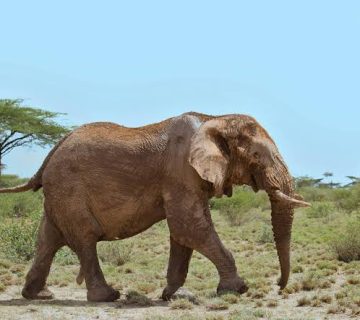
Yes, travellers can keep records of large mammals encountered during authorised safari activities.
However, not every observation should be uploaded to a public platform.
Sensitive wildlife information may require additional protection.
For example, exact rhino locations can create security concerns.
Some research teams also use established monitoring systems that are separate from public citizen science platforms.
If you want your mammal sightings to support conservation, ask your guide whether an approved reporting programme exists.
Never attempt to identify individual animals by approaching them closely.
Photography for Wildlife Research
Photographs can help confirm species identification and document visible characteristics.
For useful photographs:
Keep the animal clearly visible.
Avoid unnecessary editing.
Record the correct observation date.
Photograph distinguishing features when possible.
Maintain the required viewing distance.
Follow your guide’s instructions.
Some species have markings that researchers can use to distinguish individuals.
However, individual identification requires suitable photographs and specialist methods.
A photograph alone does not guarantee that researchers can identify a particular animal.
Avoid using flash where it may disturb wildlife, particularly during night activities.
Mistakes to Avoid When Recording Sightings
Citizen science records become less useful when observers provide inaccurate information.
Common mistakes include recording the wrong species, entering incorrect dates or reporting estimated numbers as exact counts.
Another problem occurs when people upload old photographs using their current location.
This can create misleading distribution records.
You should also avoid submitting the same observation repeatedly as separate encounters.
If you are uncertain about a record, explain the uncertainty.
Researchers benefit from honest information, including limitations.
Wildlife Safety Comes Before Data Collection
Your safety and the animals’ welfare must remain the priority.
Never leave a safari vehicle without permission.
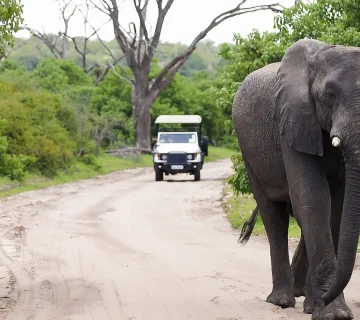
Do not approach elephants, buffaloes, lions or other potentially dangerous wildlife to obtain coordinates or photographs.
During gorilla and chimpanzee tracking, follow the distance and behaviour rules established by the relevant wildlife authority.
Do not use drones without the necessary permissions.
Researchers do not need records collected through activities that endanger animals or visitors.
How to Prepare for Citizen Science on Safari
Before travelling, decide which wildlife groups interest you.
Download any necessary applications and learn how they work.
Some platforms allow observations to be recorded without an immediate internet connection and uploaded later.
Check the application before departure.
Carry a notebook as a backup.
A smartphone, binoculars and camera may also be useful.
| Equipment | Purpose |
|---|---|
| Smartphone | Record observations and dates |
| Binoculars | Identify distant wildlife |
| Camera | Capture identification details |
| Notebook | Keep field observations |
| Field guide | Help identify species |
| Power bank | Keep devices charged |
You do not need expensive equipment to begin.
Careful observations can be more valuable than large numbers of poor-quality photographs.
How Researchers Use Citizen Science Data
Researchers may combine public observations with field surveys and other scientific information.
They assess records for accuracy, location quality and possible reporting bias.
For example, popular safari roads receive more visitors than remote habitats.
A large number of sightings along those roads does not necessarily mean wildlife prefers them.
Similarly, an increase in reported sightings may reflect more tourists using recording applications.
Researchers account for these limitations when analysing suitable datasets.
Citizen science can support research, but it does not replace structured wildlife surveys.
How Safari Guides Can Help
Experienced safari guides can improve the quality of your observations.
They may help identify species, explain habitat differences and distinguish animal behaviour.
Some guides also understand local wildlife monitoring activities.
Tell your guide that you are interested in citizen science before the safari begins.
Ask whether there are approved ways to share observations with conservation teams.
However, do not expect your guide to change routes or disregard park regulations to collect data.
Wildlife viewing should remain respectful and safe.
Protecting Sensitive Wildlife Information
Conservation information can become harmful when shared carelessly.
Exact locations of endangered animals, nests or breeding sites may attract unwanted attention.
Before uploading observations, check whether the species requires location protection.
Avoid including identifiable landmarks in photographs of highly sensitive wildlife locations.
When uncertain, report the observation privately through an appropriate conservation authority or approved research project.
Responsible recording means protecting the wildlife you are documenting.
Citizen science on safari gives travellers an opportunity to contribute useful observations to wildlife research.
By recording species, dates, locations and observation effort accurately, you can help build information about biodiversity in East Africa.
Birdwatching checklists, wildlife photographs and approved monitoring projects offer practical ways to participate.
However, observation quality matters more than quantity.
Respect park regulations, protect sensitive locations and never disturb animals to collect information.
With careful recording, your safari observations may contribute to a better understanding of the wildlife you have travelled to see.

No comment