
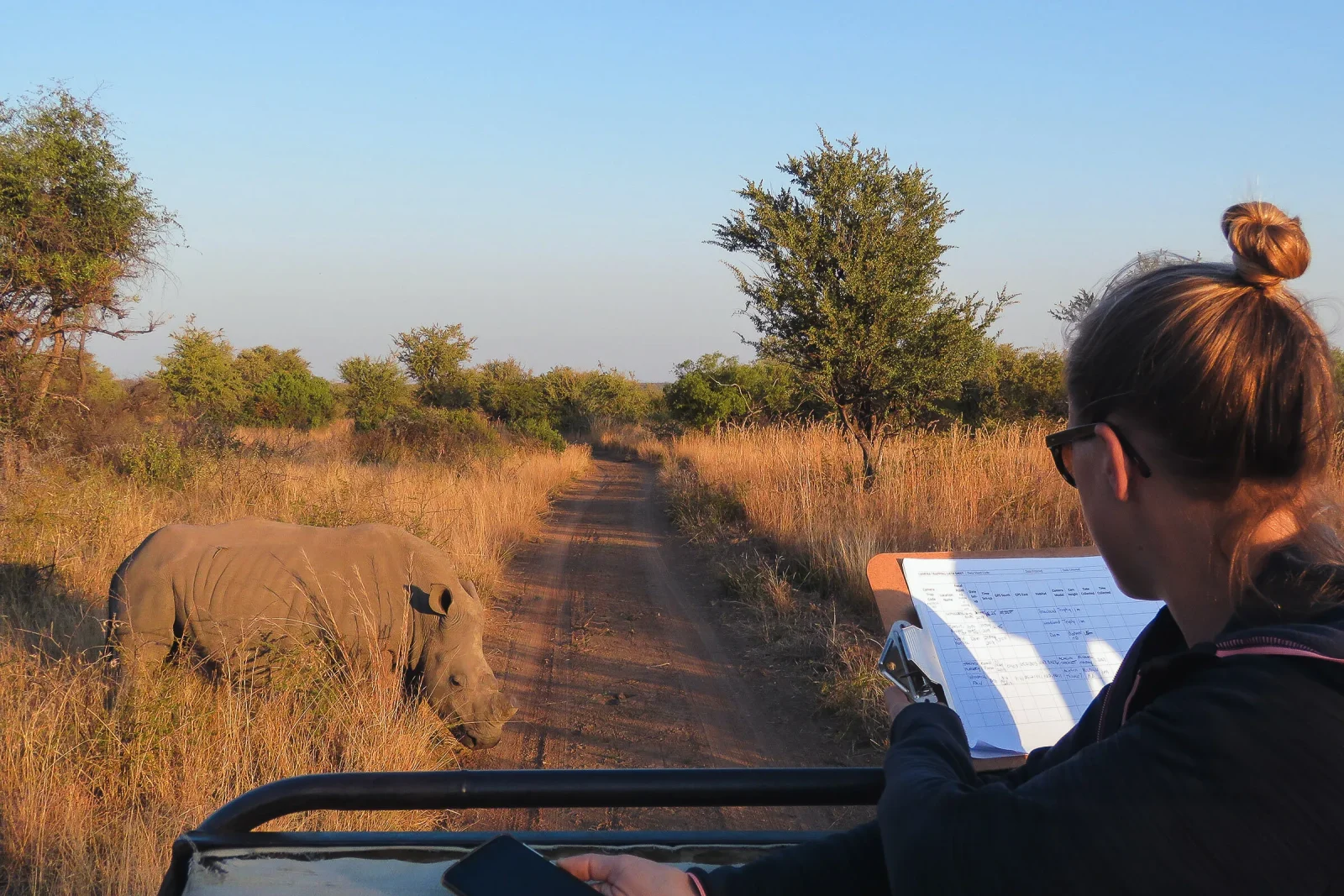
Volunteering With Wildlife: How to Spot Genuine Programmes
Volunteering with wildlife can be a rewarding way to support conservation while travelling. Across East Africa, organisations involve volunteers in activities such as habitat restoration, wildlife monitoring, environmental education and conservation research.
However, finding a genuine wildlife volunteering programme requires careful research. Some organisations provide meaningful conservation opportunities, while others use attractive photographs and promises of close animal encounters to attract paying visitors.
A programme may advertise activities such as feeding lion cubs, walking with elephants or handling young primates. These experiences can appear exciting, but direct contact with wild animals may raise serious welfare concerns.
If you are planning to volunteer in Uganda, Kenya, Tanzania or Rwanda, you should understand how responsible programmes operate.
This guide explains what to look for, which warning signs to recognise and how to choose activities that genuinely support wildlife conservation.
What Is Wildlife Volunteering?
Wildlife volunteering involves contributing your time and skills to activities intended to protect wild animals and their habitats.
Depending on the programme, volunteers may assist trained conservation professionals with research, habitat management or community projects.
Some opportunities require specialist qualifications, while others welcome beginners who receive appropriate training.
Common activities include:
Recording wildlife observations.
Helping with habitat restoration.
Supporting environmental education.
Collecting litter from conservation areas.
Assisting with approved research projects.
Supporting wildlife monitoring teams.
Helping organisations organise conservation information.
The work should match your abilities and the organisation’s actual needs.
A responsible programme will explain what you can realistically achieve during your stay.
Why Choosing a Genuine Wildlife Programme Is Important
Wildlife conservation requires scientific knowledge, proper management and long-term commitment.
Untrained volunteers can unintentionally disturb animals or interfere with essential conservation activities.
For example, approaching a wild chimpanzee too closely can increase the risk of disease transmission.
Likewise, allowing visitors to handle young predators may encourage inappropriate contact between wild animals and humans.
A genuine programme places animal welfare ahead of visitor entertainment.
It also protects volunteers, staff and surrounding communities.
Before paying for a placement, you need to understand how the organisation manages these responsibilities.
Signs of a Genuine Wildlife Volunteering Programme
1. The Organisation Has Clear Conservation Goals
A trustworthy programme should explain what it is trying to achieve.
Its objectives might include monitoring endangered species, restoring damaged habitats or reducing human-wildlife conflict.
These goals should be specific enough to measure.
For example, a forest conservation project may aim to restore a defined area of degraded habitat and monitor the survival of planted trees.
You should be able to ask what the organisation has accomplished during previous years.
Be cautious when a programme describes its mission only as saving animals without explaining its activities.
2. Qualified Professionals Supervise Volunteers
Wildlife conservation often involves tasks requiring technical experience.
A genuine organisation should employ or work with qualified conservationists, researchers, veterinarians or wildlife managers.
Volunteers should receive appropriate supervision.
If you are assisting with wildlife observations, someone should explain how to record information accurately.
If an activity involves potentially dangerous animals, trained professionals must manage the risks.
A programme that leaves inexperienced volunteers responsible for wild animals should raise concerns.
3. Animal Welfare Comes First
Responsible wildlife volunteering should avoid unnecessary physical contact with animals.
Wild animals need opportunities to behave naturally.
Human interaction can create stress, increase disease risks or encourage animals to become accustomed to people.
Programmes offering frequent opportunities to cuddle cubs, pose with sedated animals or feed predators deserve particular scrutiny.
Legitimate rescue centres may occasionally need specialist staff to handle animals during treatment.
However, such work should involve authorised professionals following appropriate veterinary and welfare procedures.
Tourists should not expect direct animal contact as part of ordinary volunteering.
Wildlife Volunteering Opportunities in East Africa
East Africa has several wildlife conservation priorities.
The activities available depend on the destination, organisation and necessary authorisations.
| Country | Conservation priorities | Possible volunteer activities |
|---|---|---|
| Uganda | Chimpanzees, gorillas and forest habitats | Habitat restoration, education and approved monitoring |
| Kenya | Rhinos, elephants and savannah wildlife | Conservation research support and community projects |
| Tanzania | Large mammals and protected landscapes | Habitat management and approved field research |
| Rwanda | Mountain gorillas and forest conservation | Environmental education and restoration activities |
These are examples of possible work, not guarantees that specific organisations accept volunteers.
You should confirm current opportunities and eligibility requirements directly with programme organisers.
How to Check Whether a Programme Is Legitimate
Verify Registration and Authorisation
Ask whether the organisation is legally registered and authorised to conduct its activities.
Working in a protected area may require permission from the responsible wildlife authority.
Research involving wild animals can also require additional approvals.
For example, wildlife research in Kenya operates within a permitting framework.
A genuine programme should understand which permissions apply to its work.
Do not assume that an organisation has official approval because its website displays wildlife photographs or conservation logos.
Ask About Its Conservation Partners
Some programmes cooperate with national parks, universities, research institutions or recognised conservation organisations.
These relationships can help demonstrate that the work forms part of an established conservation effort.
However, a partnership claim should be verifiable.
Ask what the partner actually contributes and whether the relationship is current.
Read Independent Feedback
Reviews can provide useful information about accommodation, supervision and the activities volunteers perform.
Look beyond general comments describing the experience as enjoyable.
Try to establish whether volunteers received proper training and carried out the work advertised.
Be cautious if reviews repeatedly mention unexpected fees, poor supervision or pressure to handle animals.
Understanding Wildlife Volunteering Fees
Many wildlife volunteering programmes charge participation fees.
These may cover accommodation, meals, transport, equipment and administration.
Some organisations also use part of the money to support conservation activities.
Charging a fee does not automatically make a programme unreliable.
However, you should understand what your payment covers.
| Expense | What to ask |
|---|---|
| Accommodation | What type of accommodation is provided? |
| Meals | How many meals are included daily? |
| Transport | Are airport transfers and field journeys included? |
| Training | Will qualified staff provide instruction? |
| Conservation contribution | How much supports project activities? |
| Equipment | Must volunteers purchase or bring anything? |
| Permits | Who arranges necessary permissions? |
Request a written breakdown before making a payment.
A responsible organisation should explain its fees without making unrealistic promises about conservation results.
Warning Signs of Unethical Wildlife Programmes
Guaranteed Close Contact With Wild Animals
Be cautious when an organisation advertises guaranteed opportunities to hold, cuddle or walk alongside wild animals.
Such experiences may prioritise tourist satisfaction over animal welfare.
Unclear Sources of Animals
If a rescue centre keeps captive animals, ask where they came from.
A genuine rehabilitation organisation should have appropriate records and legal authority to receive animals.
It should also explain whether animals can eventually return to the wild.
Constant Availability of Young Animals
Programmes that always have young lions, monkeys or other appealing animals available for visitors deserve careful examination.
Ask why the animals are in captivity and how they are cared for.
Poor Safety Procedures
Working around wildlife requires clear rules.
Programmes should explain emergency arrangements, staff responsibilities and appropriate conduct.
Avoid organisations that encourage unnecessary risks to create exciting visitor experiences.
No Evidence of Long-Term Results
A programme may have attractive photographs but provide little information about its achievements.
Ask for practical examples of completed conservation work.
Genuine Wildlife Volunteering Versus Tourist Attractions
| Feature | Genuine conservation programme | Potential warning sign |
|---|---|---|
| Main purpose | Wildlife protection or research | Entertainment and animal photographs |
| Animal contact | Restricted and professionally managed | Frequent visitor handling |
| Supervision | Qualified personnel | Limited training or supervision |
| Conservation goals | Specific and measurable | Vague promises |
| Financial information | Clear explanation of fees | Unexplained charges |
| Wildlife welfare | Documented procedures | Animal welfare concerns |
| Volunteer activities | Based on project needs | Activities designed mainly for tourists |
This comparison can help you assess an opportunity before committing your time or money.
How Long Should You Volunteer?
The appropriate duration depends on the type of work.
Some habitat clean-up or tree-planting activities may accommodate short-term participants.
Research projects often benefit from volunteers who can stay longer and receive sufficient training.
For example, learning to collect reliable wildlife observation data may take considerable time.
A two-day placement may offer an educational experience without allowing you to make a substantial research contribution.
Before booking, ask how much time is spent training and how much involves useful project work.
Choose a duration that fits the organisation’s needs.
Wildlife Volunteering in Uganda
Uganda offers opportunities to learn about conservation challenges affecting forests, wetlands and national parks.
Chimpanzee habitats such as Budongo Forest and Kibale National Park are important for research and protection.
However, ordinary volunteers should not expect unrestricted access to chimpanzees.
Research, veterinary work and wildlife interventions require appropriate qualifications and permissions.
For travellers without specialist training, environmental education and approved habitat conservation activities may be more suitable.
You can also support conservation organisations financially without participating in fieldwork.
The most appropriate choice depends on your experience and the organisation’s requirements.
Wildlife Volunteering in Kenya and Tanzania
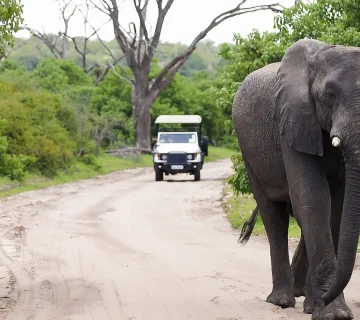
Kenya and Tanzania contain extensive savannah landscapes supporting elephants, lions, giraffes and many other species.
Conservation work may involve wildlife monitoring, community engagement and habitat protection.
However, activities such as fitting tracking collars, treating injured animals or conducting anti-poaching operations require specialist authority and training.
Visitors should never assume they can participate in these activities simply by paying a volunteering fee.
Ask whether your role is observational, educational or directly involved in approved project work.
A clear description helps prevent unrealistic expectations.
Questions to Ask Before Booking
Before choosing a programme, request answers to these questions:
What are the organisation’s main conservation objectives?
Who supervises volunteers?
What qualifications do staff members hold?
Which activities will I perform?
Does the project have the necessary permissions?
Will I have direct contact with wild animals?
How does the organisation protect animal welfare?
What does the participation fee cover?
What safety procedures are in place?
How are conservation results measured?
Keep copies of written answers and booking conditions.
This information can help you compare programmes fairly.
What to Pack for Wildlife Volunteering
Your equipment should match the location and activities involved.
Common items include:
Comfortable walking boots.
Lightweight clothing suitable for fieldwork.
A waterproof jacket.
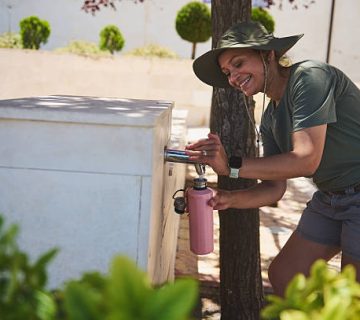
A reusable drinking water bottle.
Sun protection.
Insect repellent.
A small first-aid kit.
Personal medication.
A notebook.
Suitable travel insurance.
Ask the organiser whether protective equipment is provided.
Do not purchase specialist wildlife handling equipment unless an authorised programme specifically requires it.
Can You Support Wildlife Without Volunteering?
Yes. Volunteering is one way to contribute, but it is not essential.
You can support responsible wildlife tourism by visiting authorised conservation areas, following park regulations and choosing operators with good animal welfare practices.
You may also contribute to established conservation organisations.
Some projects benefit more from financial support for trained local staff than from short-term international volunteers.
For example, supporting experienced field researchers or community conservation workers can provide consistent assistance throughout the year.
Ask organisations which form of support would be most useful.
Volunteering with wildlife can offer valuable experiences when programmes follow proper conservation and animal welfare standards.
However, a genuine project should have clear objectives, qualified supervision, appropriate permissions and transparent finances.
Be especially careful with programmes promising close contact with wild animals.
Before booking, examine the organisation’s activities, ask detailed questions and consider whether your skills genuinely match its needs.
Responsible wildlife volunteering should benefit conservation without compromising animal welfare or safety.
Choosing carefully allows you to support meaningful work while travelling through East Africa.


No comment