
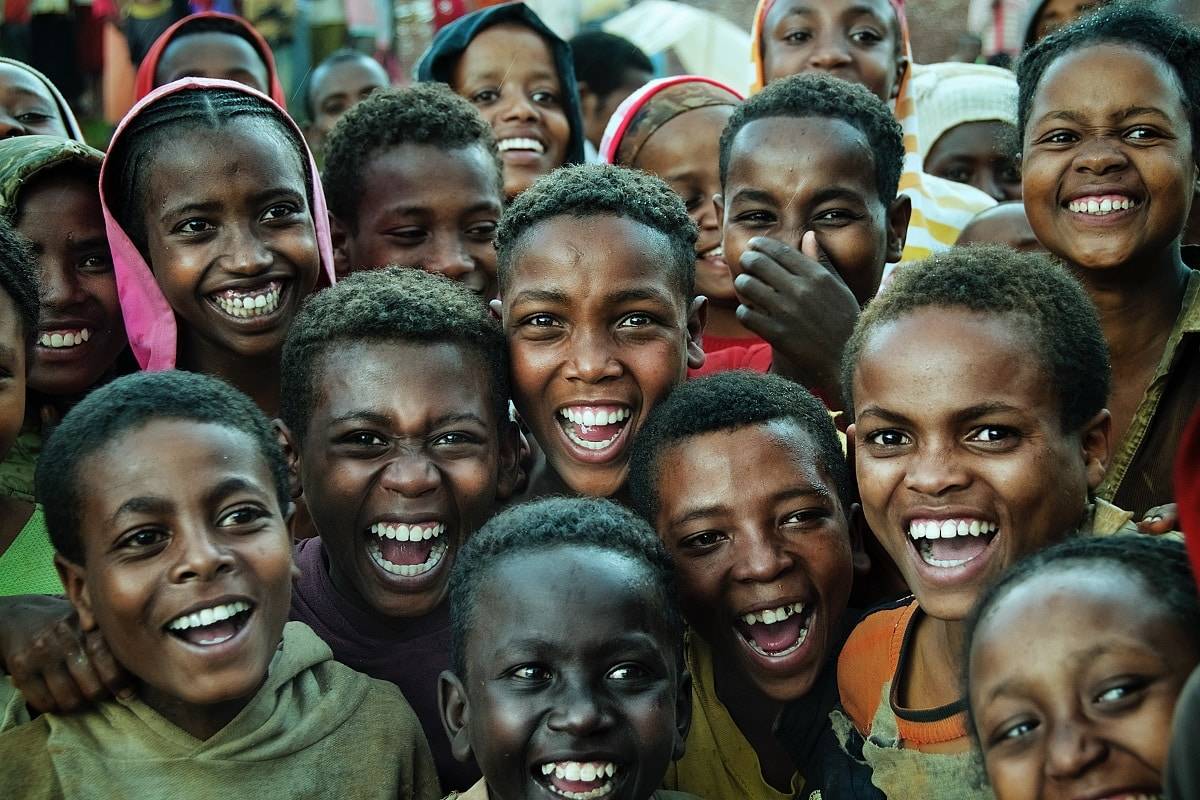
Orphanage Tourism: Why Responsible Travellers Skip It
Orphanage tourism has become a growing concern in responsible travel, particularly in destinations where visitors want to support disadvantaged children. Across parts of Africa and Asia, some tourists visit children’s homes, donate gifts, take photographs or volunteer for short periods.
These activities may appear generous, especially when travellers genuinely want to help. However, child protection specialists warn that some forms of orphanage tourism can expose vulnerable children to unnecessary risks.
A short visit may provide emotional satisfaction for tourists without improving children’s long-term welfare. In certain circumstances, the demand for orphanage visits can even encourage harmful practices.
Responsible travellers increasingly choose alternatives that support children within families and communities.
Understanding the risks of orphanage tourism helps you make better decisions when travelling through Uganda, Kenya, Tanzania, Rwanda and other destinations.
What Is Orphanage Tourism?
Orphanage tourism refers to travel activities involving visits to residential children’s institutions, usually for sightseeing, volunteering, donations or organised interactions with children.
Some travel companies include orphanage visits in their itineraries. Visitors may spend a few hours playing games, distributing supplies or taking photographs.
Other travellers arrange longer volunteering placements through organisations that advertise opportunities to care for children.
The intentions behind these visits are often positive.
However, the presence of tourists can create problems when institutions prioritise visitor experiences over children’s privacy, safety and emotional needs.
Children living in residential care deserve consistent protection, stable relationships and opportunities to develop without becoming tourist attractions.
Why Responsible Travellers Avoid Orphanage Tourism
Children Need Stable Relationships
Children develop emotional security through dependable relationships with trusted caregivers.
When tourists arrive for a few days and then leave, children may experience repeated changes in attention and affection.
This can be particularly difficult for children who have already experienced separation, loss or trauma.
A visitor might spend an afternoon playing with a child and consider the experience meaningful.
However, the child may never see that person again.
Repeated short-term relationships are not a substitute for consistent care from trained professionals and family members.
Orphanages Are Not Tourist Attractions
A children’s home should provide protection and care.
It should never operate as an attraction where strangers pay to observe or interact with vulnerable children.
Imagine visitors entering a family home, photographing children and asking them to describe painful personal experiences.
Most families would consider this unacceptable.
Children living in institutions deserve the same respect.
Their circumstances should not make their private lives available for public viewing.
Not Every Child in an Orphanage Is an Orphan
One common misunderstanding is that every child living in an orphanage has lost both parents.
In reality, many children in residential institutions have one or both parents alive.
Some enter care because their families face poverty, disability-related challenges, limited educational opportunities or other difficulties.
Others may have experienced abuse, neglect or serious family crises.
These circumstances require individual assessment and appropriate support.
Poverty alone should not be treated as a reason to separate children permanently from their families.
Where safe and appropriate, supporting parents, relatives and community-based care can help children maintain important relationships.
This is one reason child protection organisations encourage family-based alternatives to unnecessary institutional care.
How Orphanage Tourism Can Encourage Child Exploitation
In some destinations, orphanages receive financial support through visitor donations and volunteering fees.
Unfortunately, financial incentives can create opportunities for exploitation.
An institution that attracts more donations by presenting children as abandoned or desperately poor may have little motivation to support family reunification.
There have been documented concerns internationally about children being unnecessarily recruited into residential institutions to attract funding.
These practices do not represent every children’s home.
Many institutions operate with genuine concern for children’s welfare.
However, travellers should recognise that charitable appearances do not automatically guarantee responsible management.
Before supporting any organisation, examine how it protects children and whether it prioritises family-based care.
The Problem With Short-Term Volunteering
Some international volunteering programmes allow travellers to work directly with children despite having little professional experience.
Visitors may teach classes, supervise activities or provide informal childcare.
In certain programmes, volunteers receive limited preparation.
This raises important child protection concerns.
Lack of Professional Training
Children who have experienced trauma may need specialised support.
Untrained volunteers can unintentionally respond in ways that cause distress.
Good intentions do not replace qualifications, supervision or understanding of child development.
Weak Background Checks
Organisations working with children should apply appropriate safeguarding procedures.
These include identity verification, suitable background checks, staff training and clear rules governing contact with children.
Programmes that allow strangers unrestricted access to children should raise serious concerns.
Frequent Changes in Caregivers
Short-term volunteers may leave after one or two weeks.
New visitors then arrive and repeat the process.
Children benefit more from stable caregiving relationships than a continuous rotation of unfamiliar adults.
Orphanage Tourism in East Africa
East Africa attracts visitors interested in wildlife safaris, cultural experiences and community tourism.
Some travellers also want to contribute to local development.
In Uganda, Kenya, Tanzania and Rwanda, organisations support children facing poverty, family separation and other challenges.
However, children’s welfare systems, residential care arrangements and safeguarding requirements differ between countries.
Travellers should avoid assuming that an institution is trustworthy simply because it appears in a safari itinerary.
The same child protection principles apply throughout the region.
| Country | Common tourism experiences | Responsible approach to child welfare |
|---|---|---|
| Uganda | Gorilla trekking, wildlife safaris and cultural visits | Support established family and community programmes |
| Kenya | Wildlife safaris and community tourism | Choose organisations with clear safeguarding policies |
| Tanzania | National park safaris and cultural experiences | Avoid casual visits to residential children’s homes |
| Rwanda | Gorilla trekking and cultural tourism | Support responsible education and family services |
You can contribute positively to communities without entering children’s residential facilities.
Why Photographing Children Can Be Harmful
Photographs are another concern associated with orphanage tourism.
Some tourists photograph children during visits and later publish the images online.
Pictures may include personal details, living conditions or descriptions of difficult family circumstances.
Children may not fully understand how their images will be used.
Even when an adult gives permission, sharing sensitive photographs can compromise a child’s privacy and dignity.
Responsible travellers should avoid posting images that identify vulnerable children or expose their personal histories.
A child’s difficult circumstances should never become promotional material for a holiday or charitable organisation.
Responsible Alternatives to Orphanage Visits
Avoiding orphanage tourism does not mean ignoring children who need assistance.
You can support programmes that provide lasting benefits without exposing children to unnecessary visitor contact.
Support Family-Based Care
Some organisations help families remain together by providing counselling, social services and practical assistance.
Others support safe reunification when children have been separated from relatives.
Family-based care is generally preferred when it can meet a child’s needs safely.
Support Education Programmes
Education initiatives may provide learning materials, teacher training and improvements to school facilities.
However, donations should be coordinated through responsible institutions.
Unplanned visits that interrupt classes or expose pupils to strangers are not necessary.
Support Community Health Services
Health programmes can help families access essential services.
Supporting established community healthcare initiatives may address some pressures that contribute to family hardship.
Support Local Livelihoods
Employment and reliable household income can improve family stability.
Choosing locally owned accommodation, guides and businesses helps tourism spending reach communities.
Although tourism income does not automatically solve child welfare challenges, responsible local spending can support household livelihoods.
Comparing Orphanage Tourism With Responsible Alternatives
| Activity | Potential concern | Better alternative |
|---|---|---|
| Visiting children’s homes for entertainment | Children lose privacy | Visit appropriate community tourism projects |
| Short-term childcare volunteering | Untrained visitors may disrupt care | Support trained local professionals |
| Photographing children in residential care | Privacy and safeguarding risks | Avoid identifiable images |
| Giving cash directly to children | Can create dependency or other risks | Support established community services |
| Donating without checking an organisation | Funds may be poorly managed | Review safeguarding and financial accountability |
| Paying for access to children | Creates harmful financial incentives | Support family-based child welfare programmes |
The best alternative depends on the needs of the community and the quality of the organisation involved.
Questions to Ask Before Supporting a Children’s Charity
You should assess a charitable organisation carefully before providing money or recommending it to others.
Useful questions include:
Is the organisation legally registered?
Does it have a written child safeguarding policy?
Are staff trained to work with vulnerable children?
Does it prioritise safe family-based care?
How does it manage donations?
Are financial reports available?
Does it allow unrestricted access to children?
How does it protect children’s personal information?
Does it work with appropriate child welfare authorities?
How does it measure long-term outcomes?
An organisation should be able to explain its work without requiring you to meet children receiving assistance.
Be cautious if staff pressure visitors to donate immediately or use children’s personal stories to encourage payments.
What Should You Do if Your Safari Includes an Orphanage Visit?
Some safari itineraries include children’s home visits as optional cultural or charitable activities.
If your itinerary contains such a visit, ask your operator to remove it.
You can explain that you prefer activities that respect children’s privacy and safeguarding needs.
Your operator may suggest an alternative, such as visiting a locally managed craft centre or supporting an established community development programme.
You can also ask whether the company has a responsible tourism policy.
A professional operator should respect your decision and help arrange an appropriate alternative.
How Safari Operators Can Protect Children
Tour companies influence the experiences travellers purchase.
Operators can support child protection by avoiding attractions that involve unnecessary access to vulnerable children.
They can also train guides to recognise safeguarding concerns.
Responsible companies should never promise tourists opportunities to hug, supervise or photograph children living in residential institutions.
If a company supports a children’s charity, it should conduct appropriate checks and avoid using children for promotional purposes.
Tourism partnerships should strengthen established child welfare services rather than create demand for residential institutions.
Is It Wrong to Donate to an Orphanage?
Donating to residential care is not automatically harmful.
Some children genuinely need temporary or specialised residential care because safe family-based arrangements are unavailable.
Such facilities may require resources to meet children’s immediate needs.
The important question is whether an organisation provides appropriate, regulated care and works towards suitable long-term solutions.
Financial support should not encourage unnecessary family separation or visitor access.
If you are uncertain, consider supporting a reputable child welfare organisation that follows recognised safeguarding practices.
How to Recognise Responsible Community Tourism
Responsible community tourism should respect local residents and provide benefits that communities consider valuable.
Suitable experiences may include guided cultural walks, craft demonstrations, local food experiences and visits to community enterprises.
These activities should involve informed adult participation and fair payment.
Children should not be expected to perform, disclose personal experiences or interact with tourists simply to attract donations.
When choosing an activity, ask who manages it and how participants benefit.
You should also confirm that the experience is appropriate for visitors and does not interfere with essential community services.
The Future of Responsible Tourism and Child Protection
Awareness of orphanage tourism has increased as child protection organisations, travel businesses and governments examine its potential harm.
A responsible tourism approach recognises that children have rights to privacy, safety and appropriate care.
Travellers can encourage better practices by choosing operators that follow clear safeguarding standards.
Tourism companies can review their itineraries and stop promoting unnecessary residential care visits.
Charities can provide transparent information about their work without exposing children to public attention.
Communities also benefit when support focuses on long-term family welfare rather than short-term visitor experiences.
Orphanage tourism may appear charitable, but it can create serious child protection concerns.
Short visits, untrained volunteering and intrusive photography may undermine children’s privacy and emotional wellbeing.
Some institutions may also face financial incentives that discourage family reunification.
As a responsible traveller, you can choose safer ways to help.
Support established organisations, respect children’s privacy and favour programmes that strengthen families and communities.
Your safari can contribute positively to local development without turning vulnerable children into tourist attractions.





No comment