
Plastic-Free Safari: Refill Stations and Reusable Bottles at Lodges
A plastic-free safari is becoming an important consideration for travellers visiting Uganda, Kenya, Tanzania and Rwanda. While wildlife encounters remain the main attraction, the choices you make during your journey can affect the natural environments you have come to explore.
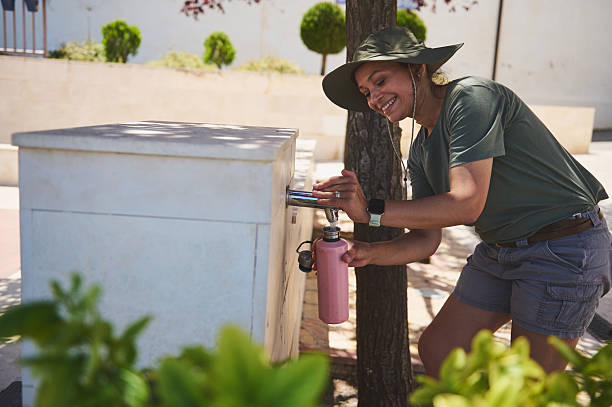
One simple way to reduce waste is to carry a reusable water bottle and refill it with safe drinking water at your accommodation.
Many safari lodges and tour operators are introducing drinking water refill stations to reduce their dependence on disposable plastic bottles. These systems allow guests to stay hydrated without purchasing several new bottles every day.
However, facilities differ between lodges, and safe drinking water should always come first.
Understanding how refill stations work, what equipment to carry and which questions to ask before booking can help you plan a more responsible safari.
What Is a Plastic-Free Safari?
A plastic-free safari aims to reduce unnecessary single-use plastic throughout your journey.
It does not mean eliminating every plastic item. Some materials remain necessary for hygiene, medical care and food safety.
The main objective is to avoid disposable products when practical, safe alternatives are available.
Common examples include:
Carrying a reusable drinking water bottle.
Refilling bottles at designated drinking water stations.
Using reusable lunch containers.
Choosing accommodation with reduced plastic packaging.
Carrying reusable shopping bags.
Avoiding unnecessary disposable cups and straws.
Small changes become particularly useful during longer journeys involving several national parks and accommodation properties.
For example, a traveller spending ten days on safari may otherwise use many disposable drinking water bottles.
Replacing these with safe refills can substantially reduce the amount of packaging used during the trip.
Why Plastic Waste Is a Concern During Safaris
Safari destinations contain important wildlife habitats, including forests, wetlands, grasslands and freshwater environments.
Plastic waste can affect these areas when people dispose of it carelessly or when inadequate waste management allows rubbish to escape into the surrounding environment.
Animals may encounter discarded packaging while searching for food.
Plastic can also block drainage channels, pollute water sources and create unnecessary cleaning work for protected-area staff.
Waste disposal is especially challenging at remote safari camps.
Transporting rubbish away from isolated areas may require long vehicle journeys.
Reducing unnecessary packaging at the beginning is therefore useful.
As a visitor, you can help by carrying your rubbish until you reach an appropriate collection point and choosing accommodation that manages waste responsibly.
How Drinking Water Refill Stations Work at Safari Lodges
A drinking water refill station provides guests with water intended for safe consumption.
The system may consist of a dedicated dispenser, a treated-water tank or another managed drinking water supply.
Some lodges provide refill points in dining areas or guest facilities.
Others supply drinking water in rooms using reusable glass bottles.
Certain operators also carry larger drinking water containers in safari vehicles.
The important point is that the water must be properly treated, stored and handled.
Filtered Drinking Water
Some properties use filtration systems to improve water quality.
However, filtration alone does not always make water safe to drink.
The effectiveness depends on the treatment technology, maintenance and original water source.
A responsible lodge should be able to explain how its drinking water is treated and checked.
Treated Drinking Water
Depending on the system, water treatment may involve methods such as ultraviolet disinfection, chlorination or other suitable processes.
Different systems address different water quality concerns.
Visitors should ask whether water is specifically approved for drinking rather than assuming that all filtered water is safe.
Reusable Glass Bottles
Some safari lodges provide treated drinking water in reusable glass bottles.
Staff collect, clean and refill these containers according to the property’s procedures.
This approach can reduce disposable packaging while maintaining convenient drinking water access in guest rooms.
Reusable Bottles: What Should You Carry?
Choosing a suitable bottle makes your safari more comfortable.
The best option is durable, easy to clean and large enough for your activities.
| Bottle type | Main advantage | Possible disadvantage | Suitable use |
|---|---|---|---|
| Stainless steel | Durable and reusable | Can be heavier | Game drives and general travel |
| Insulated stainless steel | Keeps drinks cooler for longer | Usually costs more | Hot safari destinations |
| Reusable hard plastic | Lightweight | Can retain smells over time | Day trips and short walks |
| Collapsible bottle | Saves luggage space | May be harder to clean | Flights and light travel |
| Glass bottle | Easy to clean | Breakable and heavy | Lodge rooms and dining areas |
For many travellers, a 750 ml to 1-litre reusable bottle is a practical starting point.
On longer activities, you may need additional drinking water.
Your guide can advise how much water to carry based on the weather, activity and available refill facilities.
Where Can You Find Refill Stations in East Africa?
Refill facilities are becoming more common in some safari accommodation properties, although availability is not universal.
| Safari destination | Accommodation types | What to ask |
|---|---|---|
| Uganda | Forest lodges, safari camps and hotels | Is treated drinking water available for refilling? |
| Kenya | Conservancy camps, national park lodges and hotels | Are refillable bottles provided? |
| Tanzania | Safari camps and lodges | Is safe drinking water available during game drives? |
| Rwanda | Forest lodges and city hotels | Can guests refill bottles throughout their stay? |
Do not assume that a lodge offers refills because it describes itself as environmentally friendly.
Always confirm the arrangements directly before travelling.
Plastic-Free Safari in Uganda
Uganda offers experiences in destinations such as Bwindi Impenetrable National Park, Kibale National Park, Queen Elizabeth National Park and Murchison Falls National Park.
These journeys often involve long drives between accommodation properties.
A reusable bottle can help you reduce disposable packaging during transfers and activities.
For example, travellers heading to Bwindi for gorilla trekking should confirm whether their lodge provides safe refill water.
You should also ask your guide how much water to carry on the trek.
Forest walks can be physically demanding, and visitors need sufficient drinking water.
If your accommodation does not provide suitable refills, arrange a safe alternative before setting out.
Never rely on untreated stream or river water.
Plastic-Free Safari in Kenya
Kenya’s safari destinations include the Maasai Mara, Amboseli, Tsavo and several community conservancies.
Some safari camps have introduced refillable drinking water systems and reusable bottles.
These arrangements can be particularly convenient during multi-day game drives.
If your safari involves early departures and packed lunches, ask whether your operator provides drinking water in reusable containers.
It is also worth checking whether meals use excessive disposable packaging.
A responsible operator may offer reusable food containers where practical and hygienic.
The aim is to reduce avoidable waste without compromising food or drinking water safety.
Plastic-Free Safari in Tanzania
Tanzania’s northern safari circuit includes Serengeti National Park, Ngorongoro Conservation Area, Tarangire National Park and Lake Manyara National Park.
Travellers may spend several hours inside safari vehicles.
During hot afternoons, drinking water is essential.
Before departure, ask whether your vehicle carries safe drinking water for refilling personal bottles.
Some operators use larger reusable containers instead of distributing several small plastic bottles to every guest.
This arrangement can reduce packaging waste across a multi-day safari.
However, drinking water arrangements vary.
Confirm what is included in your safari package.
Questions to Ask Your Safari Lodge
Before booking accommodation, consider asking a few practical questions.
Is Refill Water Included in the Accommodation Price?
Some lodges include drinking water in their room rates.
Others may provide it only in certain areas or charge for additional services.
Clarifying this beforehand helps you prepare.
How Is the Drinking Water Treated?
Ask whether the property uses an appropriate treatment system and how it maintains drinking water quality.
A clear explanation is more useful than a general statement that the water is filtered.
Can You Refill Your Bottle Before Activities?
You may need to leave early for a game drive, chimpanzee tracking or gorilla trekking.
Confirm whether safe water will be available before departure.
Does the Lodge Provide Reusable Bottles?
Some accommodations provide bottles for guests.
Others expect visitors to bring their own.
Knowing this helps you avoid unnecessary purchases.
What Happens to the Waste the Lodge Produces?
Ask how the property separates, stores and disposes of rubbish.
A lodge that reduces plastic use should also have a practical approach to managing unavoidable waste.
How Much Plastic Can You Avoid?
The amount depends on your drinking habits, trip duration and the size of disposable bottles you would otherwise use.
Consider a simple example.
| Safari duration | Disposable bottles used daily | Potential bottles avoided |
|---|---|---|
| 3 days | 3 | 9 |
| 5 days | 3 | 15 |
| 7 days | 3 | 21 |
| 10 days | 3 | 30 |
| 14 days | 3 | 42 |
These figures are illustrative, assuming three disposable bottles would otherwise be used each day.
For a group of four travellers on a ten-day safari, that could mean avoiding 120 disposable bottles.
The actual reduction will vary, and larger containers still have environmental costs.
Nevertheless, using one bottle repeatedly can reduce unnecessary packaging considerably.
Keeping Your Reusable Bottle Clean
Reusable bottles need regular cleaning, especially during warm weather.
Wash your bottle daily when possible, using clean water and washing-up liquid.
Pay attention to the lid, drinking opening and any removable seals.
Allow the bottle to dry thoroughly when practical.
If you use a bottle with a straw or narrow drinking tube, clean those parts carefully.
Do not leave sweet drinks inside the bottle for long periods.
When cleaning facilities are limited, ask your lodge whether staff can help wash the bottle safely.
A reusable bottle is useful only when you maintain good hygiene.
What About Water Safety During Remote Safaris?
Remote safari locations may have limited access to treated water.
This makes advance planning important.
If safe refill water is unavailable, you should use another reliable drinking water source.
Reducing plastic waste should never require you to drink questionable water.
Be especially careful with untreated water from lakes, rivers, streams and taps where drinking safety has not been confirmed.
Carrying a personal water treatment device may be useful for certain independent journeys, but you must understand its limitations.
Some devices remove particular microorganisms without addressing every possible contamination risk.
For a guided safari, your operator should explain the drinking water arrangements before departure.
Other Ways to Reduce Plastic During Your Safari
Reusable drinking bottles are a useful starting point, but you can make additional changes.
Carry a reusable shopping bag for small purchases.
Bring toiletries in refillable containers when possible.
Avoid accepting unnecessary disposable cutlery.
Choose snacks with less packaging where practical.
Keep a small bag in your safari vehicle for collecting personal rubbish.
Do not leave packaging at picnic sites or wildlife viewing areas.
If your lodge provides drinking water in reusable containers, use those facilities properly and follow staff instructions.
These habits require little effort once they become part of your travel routine.
Choosing a Responsible Safari Operator
Your tour operator influences how much disposable packaging your journey produces.
Before booking, ask whether the company provides reusable drinking water containers in its vehicles.
Find out how drivers and guides manage rubbish during long trips.
You can also ask whether the operator works with accommodation properties that follow responsible waste management practices.
Look for specific answers.
A company that explains its drinking water arrangements, waste collection and accommodation choices gives you more useful information than one relying on general environmental claims.
Responsible tourism also involves respecting wildlife, supporting local communities and following protected-area regulations.
Plastic reduction is one practical part of that wider responsibility.
A plastic-free safari is easier when you plan ahead.
Carrying a reusable bottle, choosing lodges with safe refill stations and asking operators about their drinking water arrangements can reduce unnecessary plastic waste.
These choices are particularly useful during longer safaris through Uganda, Kenya, Tanzania and Rwanda.
However, drinking water safety must remain your first consideration.
Choose reliable refill facilities, clean your bottle regularly and carry enough water for each activity.
With sensible preparation, you can enjoy your safari while reducing the disposable packaging your journey produces.



No comment