
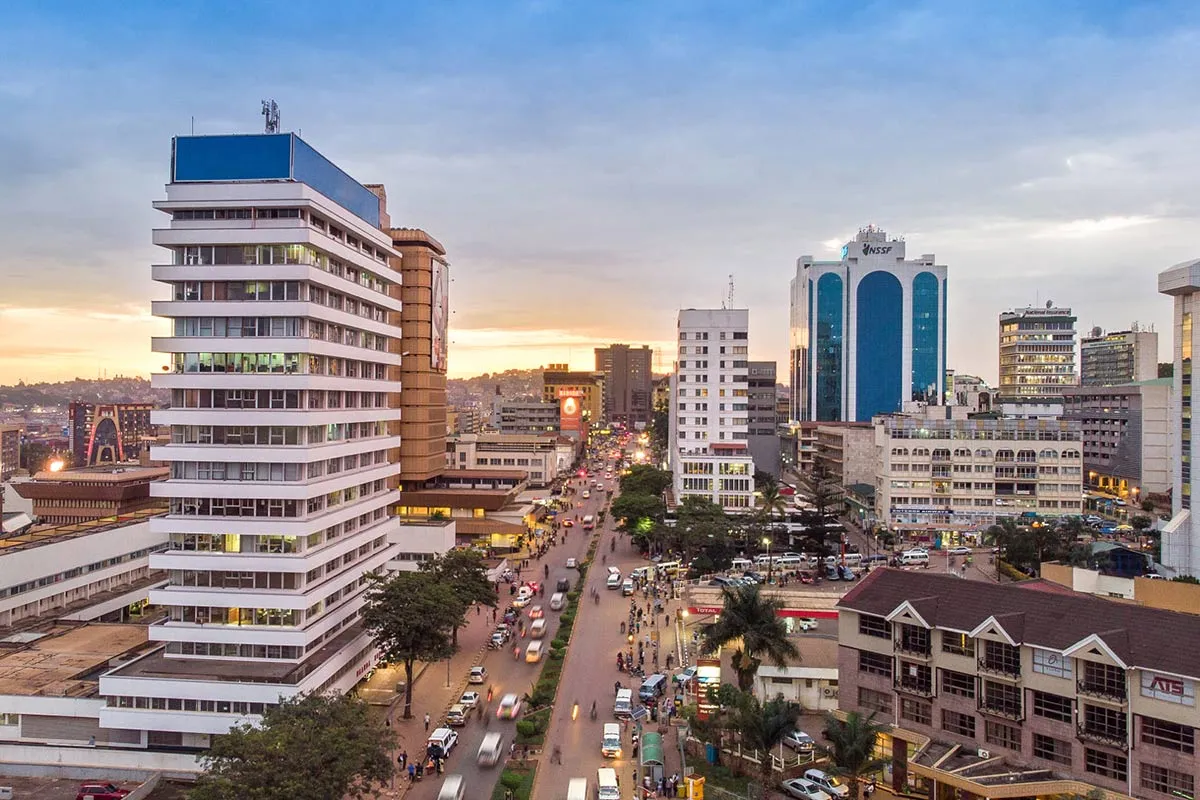
Kampala’s craft markets: where to buy barkcloth, baskets and batik
Kampala is one of the best places to explore Uganda’s traditional crafts, handmade textiles and locally produced souvenirs. Across the city, craft markets, artisan shops and cultural centres sell barkcloth, woven baskets, batik fabrics, wooden carvings, jewellery, pottery and other products that reflect Uganda’s cultural diversity. For visitors who want to take home something meaningful, these markets offer a chance to meet local sellers, discover traditional techniques and support the people who make the products.
Barkcloth is one of Uganda’s most distinctive cultural materials, while woven baskets reflect the skills of craft communities across the country. Batik adds colour through patterns created using wax-resist dyeing techniques. Together, these crafts provide an introduction to Uganda’s artistic heritage and the creativity of its contemporary artisans.
Shopping in Kampala can be an enjoyable part of a city visit, whether you have an hour between activities or an entire afternoon to explore. Knowing where to look, how to assess quality and what to ask sellers can help you find better products while making informed purchasing decisions.
Why explore Kampala’s craft markets?
Craft markets provide a different experience from shopping in conventional retail centres. Instead of choosing mass-produced items, visitors can browse handmade products, compare styles and sometimes speak directly with the people who produce or source them.
Uganda’s craft traditions vary across regions and communities. Some products are closely associated with particular cultural practices, while others combine traditional materials with modern designs for clothing, home decoration and gifts. This means that a Kampala craft market can contain both culturally significant objects and practical items designed for everyday use.
These markets are also useful for travellers who want souvenirs that are easy to carry. Small baskets, fabric accessories, jewellery and lightweight decorative pieces fit conveniently into luggage. Larger items, including substantial carvings and woven products, may require additional packing arrangements.
Craft shopping can also support local livelihoods. Purchasing directly from an artisan or a transparent craft business can help sustain traditional skills and create income for producers. However, not every product sold in a craft market is made by the person selling it, so visitors who want to support particular makers should ask about the item’s origin.
Where to buy crafts in Kampala
Kampala has several well-known areas for craft shopping, each offering a slightly different experience. Some are suitable for visitors who want a broad selection of souvenirs, while others are better for browsing specialist products or finding individual artisans.
Exposure Africa and its craft market
Exposure Africa is associated with Kampala’s craft-shopping scene and is a useful name to look for when researching handmade souvenirs and locally produced items. Craft markets and vendor spaces in this part of the city may offer woven products, textiles, jewellery, carvings and gifts suited to visitors.
When planning a visit, confirm the current market location and operating arrangements before travelling, as vendor spaces and market schedules can change. It is also worth asking whether a particular stall stocks barkcloth or batik if those are the main items you want to buy.
A craft market is usually most enjoyable when you have enough time to browse without rushing. Compare similar products at several stalls before making a purchase, especially if you are buying a larger basket, textile or decorative object.
Uganda Arts and Crafts Village near the National Theatre
The Uganda Arts and Crafts Village is one of the most convenient places to begin craft shopping in central Kampala. Located on De Winton Street, behind the Uganda National Theatre, it brings together multiple stalls selling handmade souvenirs and decorative items.
Visitors can browse woven baskets, barkcloth products, batik, jewellery, paintings, wooden carvings and other crafts. The variety makes it useful for travellers who want to purchase several different gifts without travelling to separate parts of the city.
Take time to compare the products offered by different sellers. Some stalls specialise in textiles or woven items, while others focus on carvings, accessories and decorative pieces. If you are looking for a particular product, ask sellers about its materials, origin and how it was made.
Exposure Africa on Buganda Road
Exposure Africa is another established craft-shopping destination in central Kampala. Located on Buganda Road, it is known for its collection of stalls offering souvenirs, textiles, baskets, carvings, jewellery and other decorative products.
This is a useful stop for visitors who want to browse several stalls in one place. You may find similar products at different prices, so compare quality and negotiate politely where bargaining is customary.
Exposure Africa also gives shoppers an opportunity to ask questions about the products they are considering. If you want genuine Ugandan crafts rather than general East African souvenirs, ask where an item was made and whether the seller can identify the artisan or community responsible for producing it.
Uganda Crafts 2000 for woven products
Uganda Crafts 2000 is worth considering if you are particularly interested in woven baskets and handmade home accessories. The business is associated with fair-trade craft retailing and offers products created by Ugandan artisans.
Baskets make practical souvenirs because they are available in different sizes, shapes and patterns. Smaller examples can be used for storing jewellery, serving dry items or decorating a room, while larger pieces may work as laundry baskets, storage containers or wall decorations.
Before purchasing a basket, inspect its weave, shape and finish. The strands should be secured properly, and the base should sit evenly if the basket is intended for regular use. Ask whether it can be folded, nested or packed safely for travel.
If you plan to buy several baskets, check the total size and weight before paying. Some shops may be able to help arrange packing for luggage, but you should confirm this rather than assume it is included.
Banana Boat in Kisementi
Banana Boat in Kisementi is an alternative for visitors who prefer a more conventional retail setting. The shop offers a curated selection of African crafts, gifts, textiles, jewellery, baskets and home decorations.
It can be convenient if you are staying around Kololo, Kisementi or the wider Acacia Mall area. Compared with an open craft market, a shop environment may make it easier to browse without negotiating at every stall.
Banana Boat is worth considering for ready-to-buy gifts when you have limited time. However, if your main priority is finding the lowest price or meeting individual makers, compare its products with those at the central craft markets.
Old Kampala Friday Craft Market
Travellers who enjoy smaller market experiences can consider the Old Kampala Friday Craft Market. This market is associated with weekly craft shopping near the Old Kampala Mosque area, although individual vendors and operating arrangements can vary.
The market can be an interesting addition to a Friday visit, particularly if you are already exploring central Kampala. You may find handmade gifts and crafts from Uganda and elsewhere in East Africa.
Confirm that the market is operating before making a special journey. As with other informal markets, product availability and vendor participation may change from one week to another.
Understanding Uganda’s barkcloth tradition
Barkcloth is one of the most distinctive traditional materials associated with Uganda, particularly the Buganda cultural region. Known in Luganda as olubugo, it is made from the inner bark of the mutuba fig tree. Craftspeople process and beat the bark with wooden mallets until it becomes a flexible sheet that can be used for clothing, ceremonial purposes and contemporary craft products.
The tradition has deep cultural significance and is recognised internationally as intangible cultural heritage. Today, barkcloth is used to create wall hangings, bags, book covers, lampshades, cushion covers and other decorative or practical items.
When shopping for barkcloth, examine its texture and finish. Natural barkcloth usually has an earthy colour and an irregular surface that reflects the production process. Some products combine barkcloth with leather, fabric or other materials, so ask which parts are made from barkcloth if authenticity is important to you.
Barkcloth can be an excellent souvenir because it represents a specific Ugandan craft tradition rather than a generic tourist product. Choose an item that suits your intended use, and ask how it should be stored or cleaned.
Choosing handmade baskets
Woven baskets are among the most versatile crafts available in Kampala. They are made using different plant fibres and weaving techniques, with styles varying across Uganda’s regions and craft communities.
Some baskets feature natural colours and understated patterns, while others use bright colours and geometric designs. Smaller baskets work well as gifts, while larger examples can serve as home decorations or practical storage containers.
Quality depends on the intended use. A decorative basket may prioritise colour and shape, whereas a basket intended for regular use should have a secure base, consistent weaving and a firm rim. Check for loose strands, weak joins and areas that appear likely to unravel.
Ask about the materials used. Baskets may be made from raffia, sisal, papyrus, banana fibre or other plant materials. Knowing the material helps you understand how to care for the item and how well it may withstand handling during travel.
Buying batik and Ugandan textiles
Batik is a textile-dyeing technique that uses wax to resist dye in selected areas of fabric. When the wax is removed, the protected areas create patterns against the dyed background. The technique allows for a wide range of designs, from abstract shapes to landscapes, animals and decorative motifs.
In Kampala’s craft markets, batik may be sold as fabric panels, wall hangings, clothing, bags and other accessories. Some pieces are designed for home decoration, while others can be incorporated into garments or gifts.
Inspect the fabric for colour consistency, stitching and finishing. If you are buying a wall hanging, check whether it includes a finished edge or will require framing. If you want fabric for tailoring, ask about its dimensions and whether it is suitable for the garment you have in mind.
Do not assume that every brightly printed textile is batik. Some fabrics are machine-printed, while others are hand-dyed using different techniques. Ask the seller how the pattern was created if you want to understand the craft behind the item.
How much should you budget for crafts?
Craft prices vary according to size, materials, workmanship, design and where the product is sold. Small bracelets, key rings and other lightweight gifts generally cost less than large baskets, framed textiles or detailed carvings. Barkcloth products can also vary significantly in price depending on their size and whether they are handmade accessories or more elaborate decorative pieces.
Open markets commonly allow some bargaining, while shops with fixed prices may offer less flexibility. Rather than focusing only on the lowest price, compare the quality of similar items and consider how much work may have gone into making them.
If you plan to purchase several items, ask whether the seller can offer a combined price. Keep your negotiation friendly and reasonable, particularly when buying directly from a small artisan.
Carry some Ugandan shillings in smaller denominations, as not every stall will accept cards or mobile payments. Before paying, agree on the final price and check that the item is in good condition.
How to shop responsibly
Responsible craft shopping starts with asking questions. Find out where an item was made, which materials were used and whether the seller knows the artisan or producer. Not every market product is made locally, and some stalls sell goods sourced from other East African countries or imported elsewhere.
If supporting Ugandan artisans is important to you, look for sellers who can explain the product’s origin or identify the community that made it. Craft cooperatives and fair-trade businesses can offer another route to supporting producers.
Avoid purchasing objects made from ivory, protected wildlife parts or other materials that may be illegal to trade. If you are uncertain about a product’s composition, choose a safer alternative.
Treat sellers respectfully, ask permission before taking photographs and avoid handling delicate items roughly. These simple habits help make craft shopping a positive experience for both visitors and vendors.
Packing crafts for your journey home
Think about luggage before buying large or fragile objects. Barkcloth, fabric and small textile products are usually relatively easy to pack, while baskets can take up considerable space even when they are lightweight.
Smaller baskets may fit inside one another, depending on their shape. Ask the seller to protect delicate rims and decorative sections before placing them in your bag. Batik and other fabrics should be kept dry and protected from staining.
Wooden carvings should be wrapped to prevent scratches and damage to other belongings. If you purchase a large item, confirm its dimensions and weight and check your airline’s baggage allowance before arranging transport.
For international travel, check any applicable customs restrictions, particularly for products made from plant materials or items that may require documentation. Keep receipts for valuable purchases and ask the seller about the materials used if you may need to declare them.
Planning a craft-shopping visit in Kampala
For a straightforward shopping trip, begin with the Uganda Arts and Crafts Village behind the National Theatre, then explore the Buganda Road craft stalls. These central locations make it possible to compare a wide range of products without spending the entire day travelling around Kampala.
If you want a more curated shopping experience, consider visiting Banana Boat in Kisementi or Uganda Crafts 2000. You can then choose whether to return to the central markets for additional bargaining or purchase the items you prefer from a shop.
Allow enough time to compare products before deciding what to buy. It is often useful to walk through a market once, note the items you like and return to the strongest options rather than purchasing everything at the first stall.
Kampala’s craft markets offer more than souvenirs. They provide a way to discover Uganda’s barkcloth heritage, appreciate basket-weaving skills and explore the creativity of local textile makers. With a little preparation, you can bring home useful, distinctive objects while supporting the artisans and businesses that keep these traditions active.

No comment