
Mbale travel guide: gateway to Mount Elgon and Sipi Falls
Mbale is one of the most rewarding destinations to include in a trip through eastern Uganda. Located beneath the slopes of Mount Elgon, this lively regional city offers access to mountain hiking, spectacular waterfalls, Arabica coffee farms, cultural experiences and scenic countryside. It is also a practical base for travellers who want to explore the eastern region without rushing from one attraction to another.
For many visitors, Mbale is the starting point for adventures to Mount Elgon National Park and Sipi Falls. However, the city itself has plenty to offer, including local markets, traditional Ugandan food, nearby hills and opportunities to experience everyday life in the Bugisu region. Whether you are planning a weekend getaway, a hiking holiday or a longer Uganda road trip, Mbale provides a useful combination of urban convenience and access to nature.
Where is Mbale located?
Mbale is in eastern Uganda, northeast of Kampala, along the main road connecting central Uganda with the eastern districts and the Kenyan border. It serves as an important commercial and administrative centre for the surrounding region, with hotels, restaurants, banks, fuel stations, pharmacies and public transport services.
The city lies at the foot of Mount Elgon, an extinct volcanic mountain that rises along the Uganda-Kenya border. Its surrounding landscape includes cultivated hills, valleys, streams and green highlands. As you travel away from Mbale towards Kapchorwa and Sipi, the scenery becomes increasingly mountainous, with steep slopes, distant plains and waterfalls appearing along the route.
Mbale is also associated with the Bagisu, also known as the Bamasaba, whose cultural traditions remain an important part of the region’s identity. Visitors interested in local history and culture can learn about traditional practices, agriculture, music and community life during their stay.
The city is best understood as both a destination and a gateway. It provides the facilities needed to prepare for outdoor activities while placing travellers within reach of some of Uganda’s most impressive mountain scenery.
Why visit Mbale?
Mbale appeals to travellers who want more than a conventional city break. Its main attraction is the variety of experiences available within a relatively compact region. You can spend a morning exploring a busy market, visit a coffee farm in the afternoon and continue to a hillside lodge overlooking the surrounding countryside.
The destination is particularly suitable for hikers, nature lovers, photographers, birdwatchers, cultural travellers and visitors interested in community-based tourism. It also works well for couples and families seeking a quieter alternative to Uganda’s busier national parks.
Mount Elgon attracts people interested in mountain landscapes and multi-day trekking, while Sipi Falls is ideal for travellers who prefer shorter hikes and dramatic scenery without committing to a lengthy expedition. Visitors can also explore Wanale Ridge, discover local coffee production and enjoy the cooler conditions found in the surrounding highlands.
Mbale is not primarily a luxury resort destination. Its appeal comes from its location, welcoming communities, regional food and access to outdoor experiences. Travellers who allow enough time to explore beyond the city centre generally gain a much fuller understanding of the area.
Mount Elgon National Park: the mountain adventure
Mount Elgon is the defining natural feature of the region. The mountain is an ancient extinct volcano with a broad summit area, forested slopes, caves, waterfalls, ridges and high-altitude vegetation. Its highest point, Wagagai Peak, reaches approximately 4,321 metres above sea level.
Mount Elgon National Park protects much of the mountain’s Ugandan side and provides opportunities for guided hiking, forest walks, birdwatching and longer trekking expeditions. Compared with some of East Africa’s more demanding high mountains, Mount Elgon offers a different style of adventure. Its appeal lies in gradual changes in vegetation, expansive scenery and the opportunity to spend several days exploring a mountain environment.
Visitors do not have to reach the summit to appreciate the park. Shorter walks around forested areas and foothills can provide rewarding experiences for travellers with limited time or less interest in strenuous hiking. Longer routes take visitors through changing landscapes towards the higher mountain zones.
A summit expedition requires careful preparation. Hikers should arrange the appropriate park access, guides and logistical support, and allow sufficient time for altitude adjustment and changing weather. The mountain’s conditions can shift quickly, and rain may make trails muddy or slippery.
Mbale is an important starting point for arranging supplies and transport to Mount Elgon’s access areas. Travellers should confirm the current route, park requirements and availability of guides before setting out, especially when planning a multi-day trek.
Sipi Falls: three waterfalls in the highlands
Sipi Falls is one of eastern Uganda’s best-known natural attractions. Located near Kapchorwa on the northern slopes of Mount Elgon, the area is famous for three main waterfalls that descend over steep cliffs surrounded by farmland, green hills and open views across the plains.
The largest waterfall drops approximately 100 metres, creating a dramatic curtain of water against the rocky landscape. The other falls have their own distinctive settings, with walking trails connecting viewpoints, cultivated slopes and local settlements.
A guided waterfall walk is one of the most popular activities in Sipi. Depending on the route selected, visitors may walk to one waterfall or complete a longer circuit linking all three. The trails include steep sections, uneven ground and slippery surfaces, so suitable footwear is important even for travellers who are reasonably fit.
The experience is about more than reaching the waterfalls. Along the way, you can observe rural life, see small farms and enjoy changing views across the highlands. Local guides can explain the landscape and help visitors navigate paths that may be difficult to follow independently.
Sipi also offers opportunities for abseiling near the cliffs, subject to local availability, weather conditions and appropriate safety arrangements. Travellers who prefer a relaxed visit can spend time at scenic viewpoints, enjoy coffee at a hillside lodge or photograph the falls from different angles.
Although Sipi can be visited on a day trip from Mbale, staying overnight often makes the experience more enjoyable. It allows time for the waterfall walk without rushing and provides an opportunity to appreciate early morning views or sunset over the surrounding countryside.
Wanale Ridge: a scenic excursion near Mbale
Wanale Ridge is another natural attraction worth considering during a stay in Mbale. The ridge forms part of the dramatic highland landscape overlooking the city and offers views across the surrounding settlements and agricultural areas.
The area is suitable for travellers interested in hiking, photography and exploring landscapes closer to town. Depending on the route, walks may involve steep climbs, exposed sections and uneven paths. A local guide can help visitors choose an appropriate route and understand the terrain.
Wanale is particularly useful for travellers who have limited time and cannot fit a full Mount Elgon expedition into their itinerary. It provides a chance to experience the region’s hills without travelling as far as Sipi Falls.
Conditions should still be taken seriously. Rain can make paths slippery, and hikers should carry water, wear shoes with good grip and avoid unfamiliar routes without local guidance. Travellers should also confirm access arrangements before visiting particular viewpoints or privately managed areas.
Coffee tours in the Mount Elgon region
Coffee is an important part of the agricultural identity of eastern Uganda. The fertile volcanic soils and highland conditions around Mount Elgon support the production of Arabica coffee, which is grown by many smallholder farmers.
A coffee tour provides insight into how coffee moves from the farm to the cup. Depending on the farm and season, visitors may learn about planting, harvesting ripe cherries, sorting, drying, processing, roasting and brewing. Some experiences allow guests to participate in selected activities rather than simply observing.
The best tours explain the work behind coffee production and the role it plays in household incomes and local communities. Visitors may also have the opportunity to purchase locally produced coffee directly from farmers or community enterprises.
Harvesting activities depend on the time of year, so travellers should not expect to pick coffee during every visit. Even outside the main harvest period, a well-organised tour can explain cultivation methods and processing techniques.
Coffee experiences can be combined with a visit to Sipi Falls or a longer stay in the Mount Elgon foothills. They are especially suitable for travellers who want to understand the region’s economy and culture as well as its natural scenery.
Culture and traditions of the Bagisu
The Bagisu people are among the principal communities associated with the Mbale area. Their language, traditions, agricultural practices and cultural celebrations contribute to the region’s distinctive identity.
One of the best-known traditions is Imbalu, the Bagisu male circumcision ceremony, which is an important cultural event associated with the transition to adulthood. Ceremonies and public celebrations can attract visitors, but travellers should approach them respectfully and understand that they are meaningful community traditions rather than performances created solely for tourism.
The timing and organisation of ceremonies vary. Visitors interested in experiencing Imbalu should confirm dates with reliable local contacts and ask about appropriate behaviour, photography and access. Not every ceremony or gathering will be open to visitors.
Beyond major cultural events, everyday interactions can provide valuable insight into local life. Markets, agricultural communities and conversations with guides offer opportunities to learn about regional foods, farming and family traditions.
Visitors should ask permission before photographing people, especially during ceremonies or in private settings. A respectful approach helps ensure that cultural visits benefit both travellers and the communities they encounter.
Exploring Mbale town
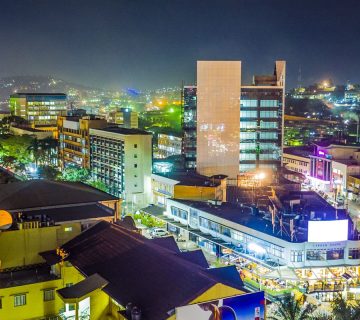
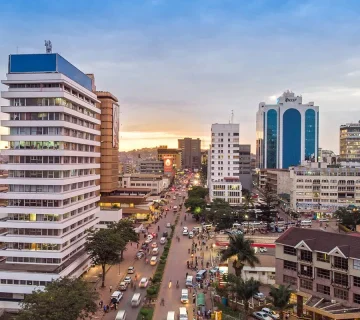
Mbale town is worth exploring even if your main reason for visiting is Mount Elgon or Sipi Falls. The city provides a glimpse into daily life in eastern Uganda, with busy trading streets, small shops, restaurants, produce stalls and transport hubs.
Local markets are useful places to see the variety of agricultural products grown in the region. Depending on the season, stalls may sell bananas, beans, vegetables, fruits, grains and other locally produced foods. The markets can be crowded, particularly during busy trading periods, so keep personal belongings secure and ask before taking photographs.
The town also offers practical services that may be difficult to find in smaller mountain communities. Visitors can stock up on drinking water, snacks, toiletries, basic hiking supplies and other essentials before heading towards Sipi or Mount Elgon.
Food is another reason to spend time in Mbale. Restaurants and local eateries serve familiar Ugandan dishes, including matooke, posho, beans, rice, groundnut sauces and grilled meats. Availability varies by establishment, but visitors can usually find both simple local meals and more conventional hotel dining options.
If your itinerary includes a long hike, use the town to arrange supplies and confirm transport before leaving. A little preparation in Mbale can make a significant difference to the comfort of the journey ahead.
Other attractions to consider around Mbale
Travellers with additional time can explore several other places in the wider region.
Sisiyi Falls is another waterfall attraction in eastern Uganda, offering scenic surroundings and opportunities for short walks. It may suit visitors who want to explore beyond the better-known Sipi area, although access conditions and facilities should be checked before travelling.
The wider Mount Elgon foothills contain rural communities, viewpoints and agricultural landscapes that can be explored with local guides. These outings offer a slower pace than the main waterfall trails and can be arranged around a particular interest, such as photography, village life or coffee farming.
For visitors with a strong interest in archaeology, the Nyero Rock Paintings near Kumi are a possible addition to a broader eastern Uganda itinerary. The rock art site is farther from Mbale than the immediate Mount Elgon attractions, so it is better planned as part of a longer road trip rather than squeezed into a short visit.
Tororo Rock is another option for travellers exploring eastern Uganda. Its distinctive volcanic formation and surrounding views make it a notable stop, depending on the direction of travel and the time available.
Choose additional excursions according to your interests and transport arrangements. Trying to visit every attraction in the region during one weekend can leave little time to enjoy any of them properly.
How to get to Mbale from Kampala
Mbale is accessible by road from Kampala, with the journey commonly taking around four to six hours depending on traffic, the route taken and road conditions. Travellers generally pass through the Jinja and Iganga area before continuing east towards Mbale.
Public buses and shared minibuses operate between Kampala and Mbale. These are generally suitable for budget-conscious travellers, but journey times can vary with stops and passenger demand. If you are travelling with large bags, hiking equipment or photography gear, check luggage arrangements before departure.
Private transfers provide greater flexibility and can be useful for families, small groups and visitors with a tight itinerary. They also allow stops along the way, although the journey may take longer if you choose to explore en route.
Travellers who are driving themselves should check vehicle condition, fuel levels and the planned route before leaving Kampala. Once in Mbale, the journey continues towards Sipi Falls or the relevant Mount Elgon access point.
Road travel to Sipi involves climbing into the highlands. Although the main route is generally accessible by road, conditions can differ on smaller roads leading to trailheads and accommodation. During rainy weather, allow additional time and confirm whether a standard car is suitable for the final section of your route.
For most visitors, arriving in Mbale during daylight is preferable. It gives you time to check into your accommodation, purchase supplies and organise the next day’s activities without rushing.
Getting around Mbale and reaching nearby attractions
Within Mbale, visitors can use local taxis, boda-bodas, private vehicles and hotel-arranged transport. Boda-bodas are convenient for short journeys, but travellers should agree on the destination and fare before setting off and choose a helmet where available.
For excursions to Sipi Falls, Kapchorwa and Mount Elgon trailheads, private transport offers the greatest flexibility. It is especially useful when carrying hiking equipment or returning after a long walk.
Public transport may be available towards some nearby towns and trading centres, but schedules and departure points can be less convenient for visitors unfamiliar with the area. A shared minibus may not take you directly to your lodge, waterfall trail or hiking starting point.
If you plan to visit several places in one day, discuss the route with your driver or guide in advance. Distances on a map can appear short, but steep roads, slow traffic and walking sections can increase the total time required.
For longer mountain hikes, arrange transport to the correct trailhead and confirm your return plan before starting. Mobile coverage, road conditions and the availability of vehicles can vary in more remote areas.
Where to stay in Mbale
Mbale has a range of accommodation, from simple guesthouses and budget hotels to more comfortable establishments with restaurants, gardens, meeting facilities and other amenities.
Staying in town is a practical choice if you want access to banks, pharmacies, shops and transport services. It also works well for visitors who plan to spend time exploring the city or use Mbale as a base for excursions to Wanale Ridge and the Mount Elgon foothills.
For travellers whose main interest is Sipi Falls, staying near Sipi or Kapchorwa may be more convenient. Accommodation in the highlands can provide attractive views and reduce the need for repeated drives between the city and the waterfalls.
Options vary from basic guesthouses to lodges with private rooms, restaurants and scenic outdoor areas. Before booking, confirm whether meals are available, whether hot water and reliable electricity are provided, and how far the property is from the attractions you want to visit.
Campers and trekkers should confirm the facilities available at their intended site. Accommodation near a trailhead may offer a different level of comfort from a hotel in Mbale, and services can be more limited in remote areas.
During busy holiday periods and popular hiking months, booking ahead is sensible. If you plan to visit multiple locations, consider splitting your stay between Mbale and Sipi rather than commuting every day.
Best time to visit Mbale, Mount Elgon and Sipi Falls
Mbale can be visited throughout the year, but weather conditions influence the experience on the mountain and around the waterfalls. The drier periods, generally from December to February and June to August, are often preferred for hiking because trails may be easier to navigate and road travel more predictable.
The wetter months bring lush vegetation and strong waterfall flows. Sipi Falls can look particularly dramatic when there is plenty of water, but the same conditions can make walking paths slippery and increase the time needed to complete a route.
Weather in the highlands can differ from conditions in Mbale town. Even when the city is warm, the mountain areas may be cool, cloudy or rainy. Hikers should carry waterproof clothing regardless of the season and check local conditions before setting out.
For summit treks on Mount Elgon, allow flexibility in the itinerary. Rain, visibility and trail conditions can affect progress, so avoid planning a demanding expedition around an inflexible departure time.
Photographers may prefer early mornings when the landscape is clearer before cloud builds over the hills. However, mist and changing light can also create atmospheric views, particularly around the waterfalls.
What to pack for a trip to Mbale
Your packing list should reflect the activities you plan to undertake. A short city stay requires relatively little specialist equipment, while waterfall hikes and mountain treks demand more preparation.
For Sipi Falls, bring comfortable walking shoes or hiking boots with good grip, a lightweight rain jacket, drinking water and a small daypack. Long trousers can be useful on narrow trails through vegetation, and a dry change of clothing is helpful if you get wet from spray or rain.
For Mount Elgon, prepare for colder temperatures and more demanding conditions. Depending on the route and duration, you may need warm layers, waterproof outerwear, trekking poles, a headlamp, personal medication and suitable overnight equipment. Confirm the required gear with your guide or trekking organiser before departure.
Sun protection remains important at higher elevations. Pack sunscreen, a hat and sunglasses, along with insect repellent for lower, forested areas.
Carry some Ugandan shillings in smaller denominations for local purchases, guide arrangements and places that do not accept card payments. Mobile payment services may be useful, but do not assume that every rural business has reliable network coverage or accepts digital payments.
A reusable water bottle, basic first-aid supplies and a charged phone are also useful. For longer hikes, tell someone about your planned route and expected return time.
Safety tips for visiting Mbale and the highlands
Mbale is a busy regional city, so visitors should take the usual precautions associated with urban travel. Keep valuables secure, avoid displaying large amounts of cash and use trusted transport arrangements, particularly after dark.
On hiking routes, the most common practical concerns include slippery ground, uneven paths, changing weather and fatigue. Choose a route that matches your fitness level and use a local guide when the trail is unfamiliar or access requires local knowledge.
Do not approach waterfall edges simply to obtain a better photograph. Wet rocks can be dangerously slippery, and the ground near steep drops may be unstable. Follow the guide’s instructions and remain on appropriate paths.
Travellers planning a Mount Elgon trek should take altitude seriously. Ascend at a sensible pace, stay hydrated and tell your guide if you develop symptoms such as unusual dizziness, nausea, headache or shortness of breath. A demanding summit hike is not suitable for every traveller, and the route should be selected according to fitness, experience and available time.
Road safety also matters. Mountain roads may include steep sections, sharp bends and limited visibility, especially during rain or after dark. Allow extra time for journeys and avoid pressuring drivers to travel faster than conditions permit.
Travel insurance is advisable for visitors undertaking hiking or adventure activities. Check that the policy covers the specific activities you intend to undertake, including high-altitude trekking if applicable.
Suggested three-day Mbale and Sipi Falls itinerary
A three-day trip provides a good introduction to Mbale and its surrounding highlands without requiring an extended expedition.
Day one: Kampala to Mbale
Leave Kampala in the morning and travel east towards Mbale. After arriving, check into your accommodation and spend the afternoon exploring the town centre, visiting local shops or enjoying a meal at a local restaurant. Use the remaining time to confirm transport and arrangements for the following day.
Day two: Sipi Falls and coffee country
Travel from Mbale to Sipi in the morning. Meet your local guide and complete a waterfall walk suited to your fitness level and available time. Enjoy the scenery, take photographs from safe viewpoints and learn about the surrounding landscape. If time permits, add a coffee tour to understand how Arabica coffee is grown and processed in the Mount Elgon region. Stay overnight in Sipi to enjoy the highland setting.
Day three: Highland views and return journey
Spend the morning enjoying the views around Sipi or taking a shorter walk before travelling back to Mbale. Depending on your onward plans, you can explore another local attraction or continue towards Kampala. Travellers who want to trek Mount Elgon should add more days rather than trying to combine a summit expedition with this short itinerary.
This itinerary can be adjusted for families, couples, solo travellers or small groups. The key is to leave enough time for the walks and road journeys rather than treating every stop as a quick photo opportunity.
How to combine Mbale with a wider Uganda holiday
Mbale fits naturally into a longer journey through eastern Uganda. Travellers coming from Kampala can use it as a base for Mount Elgon, Sipi Falls and other regional attractions before continuing towards the Kenyan border or returning west.
It can also be included in a broader itinerary that explores Uganda’s different landscapes, from lakes and forests to mountains and savannah. Visitors who enjoy hiking may want to spend additional time around Mount Elgon, while those with an interest in culture can plan visits around local traditions and agricultural experiences.
For travellers already visiting Uganda’s western national parks, Mbale may require a substantial detour, so it is worth considering whether the available time justifies the additional road travel. For a trip focused on eastern Uganda, however, Mbale and Sipi Falls make a strong combination.
A well-planned visit allows you to enjoy the city, understand the local culture and explore the highlands at a comfortable pace. Mbale is more than a place to change vehicles on the way to the mountain. It is the practical and cultural centre of a region where waterfalls, coffee farms, hiking trails and everyday Ugandan life come together.

No comment