
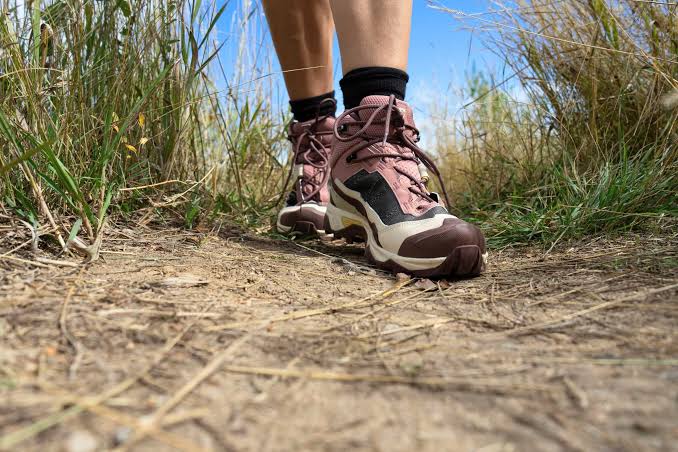
Footwear for Game Drives and Forest Walks: One Pair or Two?
Choosing the right safari footwear for game drives and forest walks is an important part of preparing for a wildlife holiday in Uganda, Kenya, Tanzania and Rwanda. While African safaris offer incredible opportunities to observe animals in their natural habitats, the activities involved can require different types of shoes.
Game drives usually involve sitting inside a safari vehicle, making lightweight, comfortable footwear suitable for most travellers. Forest walks, gorilla trekking and chimpanzee tracking are different experiences, often involving uneven terrain, slippery paths, thick vegetation and muddy slopes.
This creates a common packing question: should you carry one versatile pair of shoes or bring two different pairs?
Travellers using small safari aircraft may prefer lighter luggage because of strict baggage allowances. However, packing only ordinary trainers can become uncomfortable when walking through wet forests.
The best footwear choice depends on your itinerary, expected weather, walking duration and personal comfort.
This guide compares safari boots, hiking shoes, trainers and sandals, helping you decide whether one pair of footwear is enough for your East African safari.
Why Safari Footwear Matters
Safari activities take place across different environments, from open savannahs to mountain rainforests.
A shoe that feels comfortable during a vehicle-based safari may not provide sufficient grip or support on a steep forest trail.
Common Safari Footwear Challenges
| Safari condition | Footwear requirement |
|---|---|
| Long game drives | Comfort and breathability |
| Dusty roads | Easy-to-clean materials |
| Muddy forest trails | Reliable traction |
| Steep slopes | Stability and support |
| Rainfall | Moisture protection |
| Rocky paths | Durable soles |
| Lodge relaxation | Lightweight comfortable shoes |
| Boat excursions | Secure non-slip footwear |
Choosing suitable footwear improves comfort and reduces avoidable problems during outdoor activities.
Game Drive Shoes vs Forest Walking Shoes
Game drives and forest walks place different demands on footwear.
Main Footwear Comparison
| Feature | Game drives | Forest walks |
|---|---|---|
| Walking distance | Usually limited | Often several kilometres |
| Terrain | Vehicle floors and short paths | Mud, roots and slopes |
| Ankle support | Less important | Can be useful |
| Grip | Moderate | Very important |
| Water resistance | Optional | Often useful |
| Breathability | Important | Important |
| Weight | Lightweight preferred | Balanced with durability |
For travellers combining both activities, hiking shoes or lightweight boots can provide greater versatility.
What Shoes Are Best for Game Drives?
Most game drives take place inside safari Land Cruisers or other suitable vehicles.
Visitors may occasionally step out at designated picnic sites, viewpoints or approved rest areas.
Heavy hiking boots are therefore not necessary for every game drive.
Suitable Game Drive Footwear
Comfortable trainers.
Lightweight walking shoes.
Breathable hiking shoes.
Closed-toe travel shoes.
Supportive casual footwear.
Choose shoes that remain comfortable during several hours of sitting and occasional walking.
Can You Wear Trainers on Safari?
Yes. Trainers are suitable for many vehicle-based safari activities.
They are lightweight, familiar and easy to pack.
Advantages of Trainers
Comfortable during long transfers.
Suitable for lodge activities.
Usually lighter than hiking boots.
Easy to wear during international flights.
Practical for walking around towns.
However, ordinary trainers may offer limited traction on muddy forest trails.
Are Sandals Suitable for Game Drives?
Sandals can be comfortable in warm climates, especially when relaxing at safari lodges.
However, open footwear leaves the feet exposed to dust, insects and rough surfaces.
Sandal Considerations
| Situation | Recommendation |
|---|---|
| Lodge relaxation | Suitable |
| Short permitted walks | Secure sandals may work |
| Vehicle game drive | Possible, but closed shoes are more protective |
| Gorilla trekking | Not suitable |
| Muddy forest walk | Not recommended |
| Rocky hiking trail | Generally unsuitable |
Avoid loose flip-flops during activities requiring secure footing.
What Footwear Is Best for Forest Walks?
Forest walking requires shoes with dependable grip and comfortable support.
Uganda and Rwanda offer popular rainforest activities where trails may be muddy or steep.
Essential Forest Walking Shoe Features
| Feature | Why it matters |
|---|---|
| Deep sole tread | Better traction |
| Secure lacing | Stable fit |
| Comfortable cushioning | Reduces walking discomfort |
| Durable toe protection | Helps protect feet |
| Water-resistant upper | Reduces moisture exposure |
| Supportive construction | Improves walking control |
| Breathable materials | Helps manage perspiration |
A properly fitted hiking shoe or boot is usually more appropriate than ordinary fashion trainers.
Hiking Boots vs Hiking Shoes
Hiking boots and low-cut hiking shoes offer different benefits.
Hiking Footwear Comparison
| Feature | Hiking boots | Hiking shoes |
|---|---|---|
| Ankle coverage | Higher | Lower |
| Weight | Often heavier | Usually lighter |
| Mud protection | Often better with gaiters | More limited |
| Warm-weather comfort | Model-dependent | Often good |
| Packing space | Greater | Smaller |
| Steep terrain | Useful support | Suitable with good grip |
| Game drives | Sometimes bulky | Convenient |
Neither option automatically prevents ankle injuries.
Proper fit, traction and walking technique remain essential.
Footwear for Gorilla Trekking in Bwindi
Bwindi Impenetrable National Park is one of Uganda’s leading gorilla trekking destinations.
The forest contains steep hills, thick vegetation and uneven paths.
Some treks are relatively manageable, while others can involve demanding climbs.
Recommended Bwindi Footwear
Comfortable hiking boots or trail shoes.
Strong rubber soles.
Secure fastening.
Appropriate socks.
Water-resistant materials where practical.
Optional gaiters for muddy conditions.
Avoid using brand-new footwear for the first time on trekking day.
Footwear for Mgahinga Gorilla National Park
Mgahinga lies within Uganda’s Virunga mountain region.
Its landscape contains volcanic terrain, bamboo vegetation and mountain forest.
Rain can make some routes slippery.
For these conditions, hiking footwear with reliable traction is important.
Travellers expecting challenging slopes may prefer supportive hiking boots.
Footwear for Gorilla Trekking in Rwanda
Rwanda’s Volcanoes National Park offers mountain gorilla trekking through varied forest and volcanic landscapes.
Trails may involve muddy vegetation, exposed roots and uneven ground.
Rwanda Trekking Footwear Checklist
| Feature | Importance |
|---|---|
| Reliable grip | Essential |
| Comfortable fit | Essential |
| Water resistance | Useful |
| Ankle coverage | Personal preference |
| Breathability | Important |
| Lightweight construction | Helpful |
| Secure laces | Essential |
Choose footwear based on comfort and trail conditions rather than appearance.
Shoes for Chimpanzee Tracking
Chimpanzee tracking takes place in several East African forests, including Uganda’s Kibale National Park and Rwanda’s Nyungwe region.
Some tracking activities involve manageable walking distances, while others require more sustained movement.
A comfortable hiking shoe is usually appropriate.
Waterproof boots may be useful during wetter periods.
What About Walking Safaris?
Walking safaris differ from vehicle-based game drives because participants travel on foot through approved wildlife areas.
They require footwear suited to the terrain and activity.
Walking Safari Footwear
Choose secure closed-toe shoes.
Ensure soles provide traction.
Avoid loose sandals.
Wear comfortable socks.
Follow the guide’s equipment recommendations.
Some walking safari operators may specify additional footwear requirements.
One Pair or Two: Which Is Better?
The main decision depends on how much walking your itinerary includes.
Safari Footwear Decision Guide
| Safari itinerary | Suggested footwear |
|---|---|
| Game drives only | One comfortable pair of closed shoes |
| Game drives and lodge activities | One pair plus optional sandals |
| Game drives and gorilla trekking | Hiking shoes plus lightweight casual footwear |
| Multiple forest treks | Hiking boots or shoes plus a second pair |
| Extended walking safari | Activity-appropriate hiking footwear |
| Fly-in safari with strict baggage limits | One versatile hiking shoe may work |
For travellers combining gorilla trekking with traditional game drives, two pairs are often the more comfortable arrangement.
Why Bringing Two Pairs Can Be Useful
A second pair provides flexibility.
After a muddy trek, travellers can change into clean shoes for dinner or relaxation.
Benefits of Two Pairs
Allows wet footwear to dry.
Provides a backup if one pair becomes damaged.
Improves comfort at lodges.
Separates trekking shoes from casual activities.
Reduces the need to wear heavy boots throughout the journey.
However, extra footwear increases luggage weight.
When One Pair Is Enough
One pair can be sufficient when the itinerary focuses mainly on vehicle-based safaris.
A lightweight hiking shoe can also serve multiple purposes.
Suitable One-Pair Conditions
Limited forest trekking.
Mostly dry-weather activities.
Short walking distances.
Strict aircraft luggage allowances.
Comfortable multipurpose footwear.
Travellers should still consider lightweight lodge sandals when luggage permits.
Waterproof vs Breathable Footwear
Waterproof shoes help reduce moisture entering from wet vegetation and shallow mud.
However, waterproof materials can reduce ventilation.
Footwear Material Comparison
| Type | Main advantage | Limitation |
|---|---|---|
| Waterproof hiking boot | Better protection from external moisture | May feel warm |
| Breathable hiking shoe | Better ventilation | Can become wet |
| Water-resistant shoe | Moderate protection | Not fully waterproof |
| Lightweight trainer | Comfortable and easy to pack | Limited muddy-trail performance |
Waterproof footwear can still become wet when water enters over the top.
What Socks Should You Wear?
Good socks improve comfort and help reduce friction.
Recommended Hiking Socks
Merino wool blends.
Synthetic moisture-managing materials.
Comfortable cushioned designs.
Suitable ankle or calf coverage.
Avoid relying on ordinary cotton socks for prolonged wet hiking.
Carry spare socks for changing after muddy activities.
Preventing Blisters During Safari
Blisters can develop when footwear rubs against the skin.
They are especially uncomfortable during long treks.
Blister Prevention Tips
Wear properly fitted shoes.
Break in footwear before travelling.
Choose suitable socks.
Keep feet as dry as practical.
Stop to address rubbing early.
Avoid excessively tight lacing.
Consider professional advice if you have recurring foot problems.
How to Pack Footwear for Safari Flights
Some small safari aircraft have strict luggage weight and dimension restrictions.
Heavy boots can consume a significant portion of the allowance.
Footwear Packing Strategy
| Item | Packing advice |
|---|---|
| Hiking boots | Wear during flights when comfortable and practical |
| Trainers | Pack if needed |
| Lightweight sandals | Useful lodge footwear |
| Spare socks | Pack in small bundles |
| Wet shoes | Separate from clean clothing |
Check the specific airline’s baggage conditions before departure.
Cleaning Muddy Shoes After Trekking
Forest trails can leave footwear covered in mud.
Proper care helps improve comfort during the next activity.
Cleaning Procedure
Remove loose mud.
Use a soft brush when appropriate.
Wipe according to manufacturer instructions.
Remove insoles if recommended.
Allow shoes to air dry.
Avoid placing footwear directly against intense heat.
Packing wet boots in sealed luggage for long periods can cause unpleasant odours and damage.
Footwear for Different East African Destinations
| Destination | Recommended footwear |
|---|---|
| Maasai Mara, Kenya | Comfortable closed shoes |
| Amboseli, Kenya | Trainers or lightweight hiking shoes |
| Serengeti, Tanzania | Comfortable walking shoes |
| Ngorongoro, Tanzania | Trainers or walking shoes |
| Queen Elizabeth, Uganda | Comfortable closed shoes |
| Bwindi, Uganda | Hiking boots or trail shoes |
| Kibale, Uganda | Hiking footwear |
| Volcanoes, Rwanda | Hiking boots or trail shoes |
| Akagera, Rwanda | Comfortable game-drive footwear |
| Nyungwe, Rwanda | Hiking footwear with good grip |
These are general recommendations. Specific activities may require different equipment.
Common Footwear Mistakes on Safari
Travellers sometimes choose footwear based entirely on appearance or luggage space.
Mistakes to Avoid
Wearing new boots without testing them.
Using smooth-soled trainers on muddy slopes.
Packing only sandals for forest trekking.
Choosing oversized or tight shoes.
Forgetting spare socks.
Failing to dry wet footwear.
Carrying unnecessary heavy shoes.
Comfort and function should guide footwear choices.
Frequently Asked Questions
Do I Need Hiking Boots for an African Safari?
Not for ordinary game drives. Hiking boots or suitable hiking shoes are more useful for forest trekking and challenging walking activities.
Can I Use One Pair of Shoes for Everything?
Yes, if you choose comfortable multipurpose hiking shoes and your itinerary does not involve unusually demanding conditions.
Are Waterproof Boots Necessary for Gorilla Trekking?
They are useful but not universally compulsory. Reliable grip and comfortable fit are particularly important.
Can I Wear Trainers for Chimpanzee Tracking?
Some sturdy trail trainers may be suitable, depending on weather and terrain. Ordinary smooth-soled trainers are less appropriate.
Should I Pack Sandals?
Lightweight sandals are convenient for lodge relaxation but should not replace proper hiking footwear.
One Pair or Two for Safari?
Choosing suitable footwear helps travellers enjoy East Africa’s diverse safari activities more comfortably.
For ordinary game drives in Kenya, Tanzania, Uganda and Rwanda, lightweight closed shoes are generally sufficient.
Forest trekking requires greater attention to traction, support and moisture protection.
Travellers combining gorilla trekking, chimpanzee tracking and game drives often benefit from carrying dedicated hiking footwear and a second lightweight pair.
For most mixed East African safari itineraries, two pairs offer the best balance: sturdy hiking shoes or boots for forest activities and comfortable lightweight shoes or sandals for game drives and lodge relaxation.


No comment