
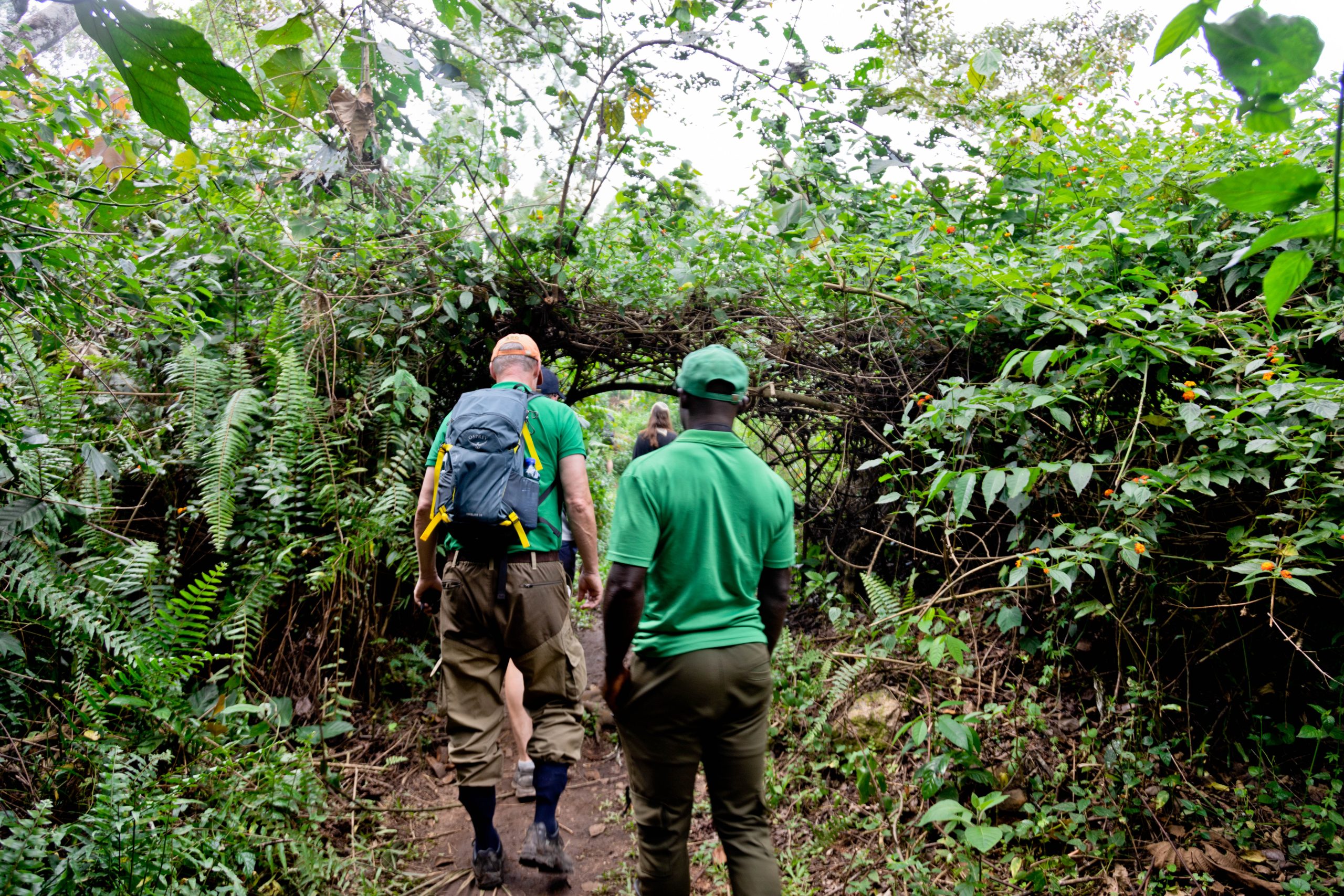
Mountains and wildlife combined: kilimanjaro climb plus serengeti safari
combining a climb of Mount Kilimanjaro with a wildlife safari in Serengeti National Park gives you an opportunity to experience two of Tanzania’s most remarkable destinations in one journey. the mountain offers challenging trekking, changing landscapes and the chance to reach the highest point in Africa, while the Serengeti provides open plains, large wildlife populations and opportunities to observe animals in their natural environment.
this combination suits travellers who want more than a traditional safari. you can spend several days walking through mountain forests, crossing alpine landscapes and adjusting to high altitude before exploring Tanzania’s wildlife-rich plains. depending on your travel dates, you may also witness the great wildebeest migration, encounter lions during game drives or visit the Ngorongoro Crater as part of your wider northern Tanzania itinerary.
the key to planning this trip is allowing enough time for both experiences. climbing Kilimanjaro requires physical preparation and careful acclimatisation, while a rewarding Serengeti safari benefits from several days in the park. a well-organised itinerary gives you time to recover after the climb without rushing between destinations.
why combine kilimanjaro and serengeti?
Mount Kilimanjaro and Serengeti National Park offer very different experiences, making them an excellent combination for an extended holiday in Tanzania. the mountain is the main attraction for travellers who enjoy hiking, physical challenges and dramatic scenery. the Serengeti appeals to those interested in wildlife photography, birdwatching, big cat sightings and the seasonal movement of grazing animals.
during the climb, you move through several ecological zones. the lower slopes contain cultivated land and montane forest, followed by heathland, moorland, alpine desert and the high-altitude summit environment. each zone has its own conditions, vegetation and scenery. the final ascent to Uhuru Peak, at approximately 5,895 metres above sea level, is physically demanding because of the altitude and cold temperatures.
after descending, you can exchange mountain trails for safari tracks. the Serengeti is famous for its lions, leopards, cheetahs, elephants, buffaloes, giraffes, zebras and wildebeest. with an experienced driver-guide, you can explore different areas of the park and spend time observing wildlife rather than simply travelling through the landscape.
the combination also makes practical sense because both destinations belong to Tanzania’s northern tourism circuit. many itineraries use Arusha as a safari base and Moshi as a starting point for Kilimanjaro climbs. Kilimanjaro International Airport serves the region, although international flight schedules and transfers should be checked before confirming your travel dates.
how many days do you need?
a comfortable combined trip generally requires 12 to 16 days, depending on the climbing route, the length of the safari and your international flight schedule. shorter itineraries are possible, but reducing the number of days on the mountain can compromise acclimatisation, while cutting the safari short limits your opportunities to explore the Serengeti.
a practical 14-day itinerary could include an arrival day, an eight-day Kilimanjaro trekking programme, a recovery day and four days dedicated to safari activities, with departure arrangements planned around your flight schedule. your operator can adjust the number of days according to the selected route and whether you want to include Ngorongoro Crater or Tarangire National Park.
travellers with limited time may choose a six- or seven-day climbing route followed by three or four safari days. however, the shortest available route is not automatically the best option. longer routes generally provide more time for your body to adjust to altitude, which can improve your chances of reaching the summit.
if you have 16 days or more, you can allow additional time for the Serengeti, explore another national park or finish the holiday on Zanzibar’s beaches. the best itinerary depends on whether reaching Uhuru Peak, seeing particular wildlife or enjoying a slower holiday is your main priority.
choosing the best kilimanjaro climbing route
the climbing route determines how you approach the mountain, how many nights you spend on the trail and how much time you have to acclimatise. you should choose a route based on your available days, physical preparation, comfort preferences and the advice of a qualified mountain operator.
the machame route
the Machame Route is a popular choice for travellers combining Kilimanjaro with a Serengeti safari. it typically takes six or seven days, depending on the itinerary, and passes through varied scenery on the southern side of the mountain.
the route includes forest trails, open moorland, rocky slopes and high-altitude terrain. its climbing profile includes opportunities to ascend and descend between elevations, supporting acclimatisation when the itinerary is properly designed.
Machame is suitable for reasonably fit travellers who are comfortable with several consecutive days of walking and camping. it can fit into a two-week holiday, although you should retain enough time for recovery before beginning long safari drives.
the lemosho route
the Lemosho Route is an excellent option for travellers who can spend seven or eight days on the mountain. it approaches from the west and offers scenic views, a gradual trekking schedule and opportunities for acclimatisation.
the additional time can be valuable because altitude affects people differently, regardless of their fitness. a strong runner or regular gym user can still develop altitude-related illness, so a longer route and a sensible ascent schedule are important.
Lemosho is particularly suitable if climbing Kilimanjaro is one of the main goals of your holiday. after the descent, you can rest before travelling to the Serengeti for several days of wildlife viewing.
the marangu route
the Marangu Route is known for its mountain huts, which provide an alternative to camping in tents. it commonly takes five or six days, although a longer itinerary may provide more time for acclimatisation.
the hut accommodation can appeal to travellers who prefer sleeping indoors on the mountain. however, the availability of huts does not remove the physical demands of climbing at altitude. the route should still be planned carefully, and you should avoid choosing a shorter schedule solely to save time.
the northern circuit
the Northern Circuit takes longer than many other routes, often around eight or nine days. it explores quieter sections of the mountain and offers a gradual ascent profile.
this option suits travellers who have sufficient time and want to prioritise acclimatisation. it works especially well with a longer Tanzania holiday that includes several safari days after the climb.
what to expect during the kilimanjaro climb
climbing Kilimanjaro is a multi-day trekking experience rather than a technical mountaineering expedition for the standard routes. you generally do not need advanced rock-climbing skills, but you do need suitable equipment, preparation and guidance from an experienced mountain crew.
your days normally begin with breakfast before walking to the next camp. guides set a pace appropriate for the group and monitor how climbers respond to the altitude. porters transport much of the camping equipment and supplies on routes that use tents, while the crew prepares meals and organises camp arrangements.
the pace is deliberately slow. walking steadily gives your body more time to adjust, and guides may use the phrase pole pole, meaning slowly in Swahili, to encourage an appropriate pace.
as you gain altitude, the air contains less available oxygen. you may experience headaches, fatigue, reduced appetite, disturbed sleep or nausea. these symptoms require attention, particularly if they worsen. serious altitude illness can be life-threatening, so you must tell your guide about symptoms immediately and follow instructions to descend or seek medical care when necessary.
summit night is usually the most demanding stage. climbers often begin the final ascent around midnight or during the early hours, depending on the route and conditions. the climb involves cold temperatures, darkness, steep sections and several hours of sustained effort. reaching Uhuru Peak provides an opportunity to celebrate your achievement before beginning the descent.
you should not plan a demanding safari transfer immediately after the descent. fatigue, dehydration and the effects of altitude can make the first day difficult. a full recovery day in Moshi or Arusha provides time to rest, eat properly and prepare for the next part of the journey.
exploring serengeti national park after the climb
Serengeti National Park is one of Africa’s best-known wildlife destinations. its expansive grasslands, rocky outcrops, river systems and woodland areas support a wide range of mammals and birds.
after several days of physical exertion on Kilimanjaro, a safari provides a different pace. you can travel in a four-wheel-drive safari vehicle, stop for wildlife sightings and spend time photographing animals. early-morning and late-afternoon game drives are particularly useful because many animals become more active when temperatures are cooler.
lions and other big cats
lions are among the Serengeti’s most sought-after sightings. you may find them resting in the shade, walking through grassland or observing herds of grazing animals. the park also supports leopards and cheetahs, although finding them depends on their movements, the habitat and the time you spend searching.
leopards often rest in trees or use dense vegetation for cover. cheetahs generally favour open areas where they can observe prey and move quickly across the plains. your guide can help you interpret animal behaviour and search suitable habitats, but no responsible operator can guarantee sightings of every species.
elephants, buffaloes and giraffes
the Serengeti supports elephants, buffaloes, giraffes and numerous other large mammals. elephants may appear in family groups near woodland and water sources, while buffaloes often gather in herds across the grasslands.
giraffes feed on leaves from trees and shrubs, providing excellent opportunities for photography. zebras, impalas, gazelles and other herbivores are also common in suitable areas, often attracting predators.
you should allow enough time for patient wildlife observation. a short visit may produce several memorable sightings, but spending three or four nights in the park gives you more opportunities to explore different habitats and encounter a wider variety of animals.
the great wildebeest migration
the great wildebeest migration is one of the Serengeti’s most famous wildlife events. large herds of wildebeest and zebras move through the wider Serengeti ecosystem in response to rainfall, fresh grazing and water availability.
the herds generally occupy the southern plains around the calving season early in the year, with movements through central and western areas as the seasons change. during parts of the middle and later months of the year, large concentrations may move towards the northern Serengeti and the Mara River region.
river crossings can occur when herds move between grazing areas, but their timing is unpredictable. a visit during July, August or September may provide opportunities to see northern migration activity, although sightings depend on the precise location of the herds and daily conditions.
if the migration is your main priority, plan your safari around the expected seasonal movement rather than assuming that every part of the Serengeti offers the same experience throughout the year. your operator should select camps and game-drive areas according to the likely location of the herds during your visit.
adding ngorongoro crater to your safari
Ngorongoro Crater is a valuable addition to a Kilimanjaro and Serengeti itinerary. the crater forms part of the Ngorongoro Conservation Area and contains grasslands, woodland, wetlands and a lake within a large volcanic caldera.
the crater floor supports a high concentration of wildlife, making it an attractive destination for travellers with limited safari time. game drives may produce sightings of lions, elephants, buffaloes, zebras, wildebeest and several antelope species. the area is also known for its population of black rhinoceroses, although sightings are never guaranteed.
a crater visit usually involves descending to the floor for a game drive and returning to the crater rim or continuing towards another destination according to your itinerary. the landscape differs from the broad plains of the Serengeti, giving you a varied wildlife experience within the same trip.
including Ngorongoro adds driving time, park-related costs and accommodation requirements. if your schedule is short, you may prefer to spend more nights in the Serengeti rather than trying to cover too many destinations in a few days.
the best time to combine kilimanjaro and serengeti
the best travel period depends on the weather you prefer for climbing and the wildlife experience you want on safari. January to early March and June to October are commonly favoured periods for combining the mountain with Tanzania’s northern safari circuit.
january to march
these months can offer favourable climbing conditions, particularly during January and February. the southern Serengeti and Ndutu area are important destinations during the wildebeest calving season, when large numbers of calves are born and predators take advantage of the seasonal abundance of prey.
this period suits travellers who want to combine the mountain with young wildlife, predator activity and green landscapes. rainfall can vary, so you should check conditions and select your itinerary carefully.
june to october
the longer dry season generally offers good conditions for trekking and wildlife viewing. vegetation becomes less dense in many areas, and animals may gather around remaining water sources, helping guides locate wildlife.
July to October can be particularly attractive for travellers interested in the northern Serengeti and possible Mara River crossings. these months are popular, so accommodation and mountain departures should be booked well in advance.
September and October can provide a strong balance of climbing conditions and safari opportunities. however, the precise timing of migration activity changes each year, and the best month depends on the wildlife areas you plan to visit.
november and december
November brings the short rains in many parts of northern Tanzania, although rainfall patterns vary. the landscapes become greener, and some travellers prefer this period because visitor numbers may be lower than during peak dry-season months.
December can also be suitable for a combined holiday, particularly if you want to travel during the festive season. accommodation prices and availability can change considerably around Christmas and New Year, so early planning is advisable.
april and may
April and May are associated with the long rains. wet trails, cloud cover and muddy conditions can make the mountain more challenging, while heavy rain can affect road travel and wildlife viewing.
some operators continue to organise climbs and safaris during these months, but conditions require careful planning. travellers with flexible dates may prefer a drier period, especially if reaching the Kilimanjaro summit is a major objective.
a sample 14-day kilimanjaro and serengeti itinerary
a 14-day programme can combine a gradual mountain ascent with a recovery day and several days of wildlife viewing. the following example uses an eight-day Lemosho climbing programme. the precise daily schedule depends on the selected operator, route conditions and the permitted itinerary.
day 1: arrival in tanzania
arrive at Kilimanjaro International Airport and transfer to your accommodation in Moshi or Arusha. meet your guide or tour representative, review the climbing arrangements and check your equipment.
use the day to rest after your international flight. avoid unnecessary strenuous activities, drink water regularly and confirm that you have the essential clothing, medication and personal supplies required for the mountain.
days 2 to 8: climb mount kilimanjaro
begin the Lemosho Route with a transfer to the trailhead and a guided walk through the lower mountain environment. over the following days, continue through forest, moorland and high-altitude landscapes while following the planned acclimatisation schedule.
your guide will explain the walking routine, camp arrangements and safety procedures. meals and overnight accommodation will be organised according to the climbing package.
the final ascent takes place near the end of the programme, followed by the descent. the exact summit day and overnight locations depend on the operator’s route schedule.
day 9: recovery in moshi or arusha
return to lower altitude and spend the day resting. enjoy a comfortable bed, proper meals and time to recover from the climb.
your guide or safari representative can confirm the next day’s departure time and explain the safari arrangements. if you feel unwell or have persistent symptoms after the climb, seek medical assessment rather than assuming that a rest day will resolve the problem.
day 10: travel towards serengeti national park
depart for the Serengeti by road or take a suitable scheduled or charter flight, depending on your budget and itinerary. the road journey can take several hours, with the exact duration depending on your departure point, route and destination within the park.
after arrival, begin a game drive if time and conditions permit. settle into your accommodation and prepare for the following day’s wildlife activities.
day 11: full-day serengeti safari
spend the day exploring the park with your driver-guide. search for lions, elephants, giraffes, zebras and other wildlife while travelling through suitable habitats.
you can take a picnic lunch in an authorised area to maximise your time in the park. the route should be adjusted according to wildlife sightings, road conditions and your guide’s knowledge of the area.
day 12: another day in the serengeti
use a second full day to explore a different part of the park or revisit areas with promising wildlife activity. if your travel dates coincide with the migration, your guide can select areas where the herds are expected to be located.
an additional day allows you to spend longer observing animals and reduces the pressure to find every major species during a single drive.
day 13: serengeti and departure towards your next destination
enjoy a final morning game drive if your flight or road schedule allows. depending on your plans, travel towards Arusha, continue to Ngorongoro or connect to another destination in Tanzania.
if you include Ngorongoro Crater, you may need to extend the itinerary or reduce the time spent in the Serengeti. avoid scheduling an international departure too tightly after a domestic flight or a long road transfer.
day 14: international departure
transfer to the appropriate airport for your onward flight. the departure arrangements depend on whether you return through Kilimanjaro International Airport, connect through another airport or continue to Zanzibar.
when booking international flights, leave enough time for delays and transfers. if missing your flight would create a significant problem, consider an overnight stay near the departure airport.
accommodation options for the combined trip
your accommodation requirements will change between the mountain and the safari. on Kilimanjaro, you may sleep in tents on routes such as Machame and Lemosho or in mountain huts on the Marangu Route. the climbing package should specify the sleeping arrangements, meals, equipment and support provided by the crew.
before and after the climb, hotels in Moshi or Arusha offer opportunities to rest, shower and organise your belongings. choosing a comfortable hotel after the descent can be useful, particularly if you need time to recover before starting the safari.
in the Serengeti, accommodation ranges from public campsites and budget tented camps to mid-range safari lodges and luxury tented camps. the right choice depends on your budget, preferred level of comfort and the location of the wildlife areas you want to explore.
budget accommodation can help control costs, while mid-range camps often provide private bathrooms, comfortable beds and meals in a safari setting. luxury camps may offer spacious tents, private verandas, personalised service and locations close to productive game-viewing areas.
location deserves careful consideration. a camp in central Serengeti may be convenient for exploring the Seronera area, while accommodation in the north may be more appropriate during periods when the migration is expected near the Mara River. selecting a camp based only on its price can increase driving time and reduce the hours available for wildlife viewing.
how much does the combined trip cost?
the total cost depends on the climbing route, number of days, group size, season, accommodation standard and transport arrangements. a Kilimanjaro climb has substantial fixed costs associated with park fees, guides, porters, meals and mountain logistics. a Serengeti safari adds accommodation, park fees, vehicle services, guiding and transfers.
for planning purposes, some 2026 packages combining a climb and safari fall within approximately US$3,500 to US$6,500 per person for a standard to mid-range experience. longer trips, peak-season dates, private safari vehicles and luxury camps can raise the price considerably. these figures are indicative planning ranges, not a confirmed quotation.
ask your operator for an itemised proposal that states which costs are included. check whether the package covers airport transfers, accommodation before and after the climb, mountain meals, camping equipment, park fees, safari meals, domestic flights and guide services.
you should also clarify which expenses remain your responsibility. international flights, travel insurance, tips, personal climbing equipment, visas and some drinks or optional activities may be excluded.
group size can affect the safari price because vehicle and guide costs can be shared among several travellers. mountain costs are less flexible because a properly staffed climb requires an appropriate support team. if you are travelling as a couple or family, request a clear comparison between joining a group climb and arranging a private safari.
physical fitness and preparation
you should prepare for Kilimanjaro well before arriving in Tanzania. regular walking, hill training, stair climbing and cardiovascular exercise can help you develop the endurance needed for consecutive days on the mountain.
if possible, practise walking for several hours while carrying a light daypack. gradually increase the duration and difficulty of your training rather than suddenly starting strenuous exercise shortly before departure.
fitness alone cannot prevent altitude sickness. the body needs time to adjust to lower oxygen availability at high elevations, so choose a route that allows appropriate acclimatisation. consult a healthcare professional before travelling, especially if you have an existing medical condition or are considering altitude-related medication.
travel insurance should explicitly cover high-altitude trekking to the elevation you intend to reach, along with emergency evacuation and medical treatment. standard travel policies may exclude some mountaineering activities or impose altitude limits, so check the wording before purchasing cover.
the Serengeti portion generally requires much less physical effort because most wildlife viewing takes place in a vehicle. however, early starts, long drives and changing temperatures can still be tiring. comfortable clothing, sun protection, adequate hydration and sufficient sleep will help you enjoy the experience.
what to pack for the mountain and safari
packing for both activities requires preparation because the conditions differ considerably. Kilimanjaro can be warm in the lower forest and extremely cold near the summit, while the Serengeti may be hot during the day and cool in the early morning.
bring layered clothing for the climb, including thermal base layers, insulating mid-layers, a warm down jacket, waterproof outerwear, trekking trousers, gloves, a warm hat and suitable hiking socks. well-fitted hiking boots should be broken in before departure to reduce the risk of blisters.
a headlamp with spare batteries is important for the summit attempt. trekking poles can reduce strain during long descents, while a properly fitted daypack should hold water, snacks, spare layers and personal essentials.
for the safari, pack lightweight neutral-coloured clothing, a sun hat, sunglasses, sunscreen, insect repellent and comfortable shoes. binoculars can improve wildlife viewing, and a camera with a suitable zoom lens is useful for photographing animals at a distance.
carry personal medication, essential travel documents and copies of your insurance details. keep items needed during the climb separate from your safari luggage where practical, and confirm the baggage limits if you plan to fly between Arusha and a Serengeti airstrip.
choosing a reliable tour operator
a combined mountain and wildlife holiday involves several services that must work together. your operator should understand Kilimanjaro route planning, altitude safety, mountain staffing, safari logistics and accommodation availability.
ask how many days the proposed climbing itinerary includes and whether it allows adequate acclimatisation. request details about guide qualifications, emergency procedures, communications, evacuation arrangements and the equipment supplied on the mountain.
for the safari, check whether the price includes a dedicated driver-guide, park fees, meals, accommodation and the transport needed to reach the selected Serengeti region. if you want to follow the great migration, ask how the operator chooses camps based on seasonal wildlife movements.
you should also confirm the recovery arrangements between the climb and the safari. a full rest day is a sensible minimum, and additional recovery time may be appropriate depending on your health, fatigue and the length of the climb.
before paying a deposit, obtain the cancellation terms, payment schedule and written itinerary. make sure the proposal explains what happens if weather, road conditions, illness or a delayed flight changes the planned schedule.
who should choose a kilimanjaro and serengeti combination?
this combination is well suited to travellers who want an active holiday followed by wildlife viewing. it can appeal to couples, small groups, photographers and adventure travellers who have enough time to complete both experiences without rushing.
it is also suitable for people celebrating a major personal achievement or planning an extended Tanzania holiday. the climb provides a demanding physical objective, while the safari offers opportunities to observe wildlife and enjoy the country’s varied landscapes.
however, it may not be the best choice if you have very limited time, are unwilling to walk for several consecutive days or have medical concerns that make high-altitude trekking unsuitable. in that case, you can visit the lower slopes of Kilimanjaro, enjoy activities around Moshi and then continue to the Serengeti without attempting the summit.
the most successful itinerary is one that matches your fitness, schedule, budget and wildlife interests. allow enough time for the mountain, protect a recovery day and choose safari areas according to the season. with careful planning, you can experience Kilimanjaro’s high-altitude landscapes and the wildlife of the Serengeti in a single, well-paced Tanzania holiday.


No comment