
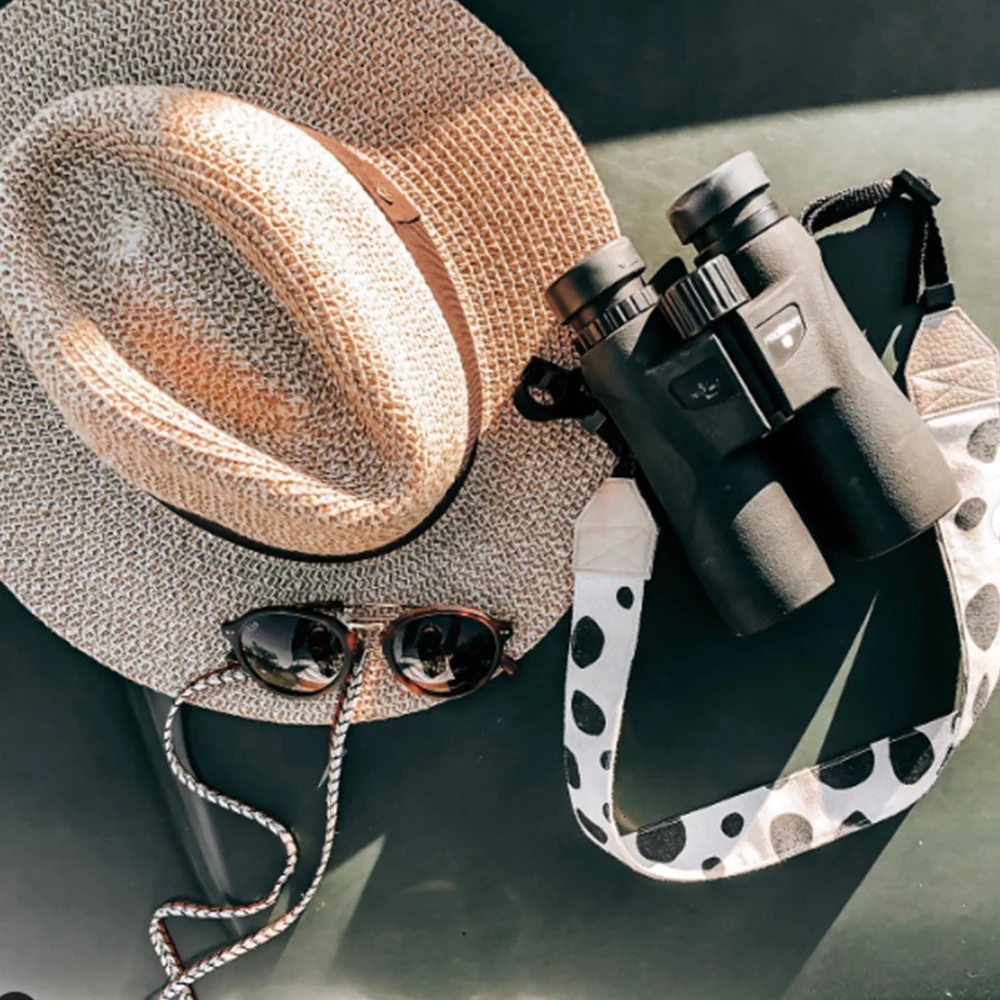
Safari Hat and Sunglasses: Features That Matter on Open Vehicles
Choosing the right safari hat and sunglasses is an important part of preparing for a wildlife holiday in Uganda, Kenya, Tanzania and Rwanda. East African safaris involve spending several hours outdoors, often travelling in open-sided vehicles or safari Land Cruisers with raised roofs.
During game drives, travellers experience direct sunshine, dust, wind and changing weather conditions. Although these experiences make wildlife viewing exciting, prolonged exposure can become uncomfortable without suitable protective accessories.
A well-designed safari hat helps shield the face, ears and neck from sunlight, while quality sunglasses protect the eyes from ultraviolet radiation, glare and airborne dust.
However, not every fashionable hat or pair of sunglasses is suitable for safari conditions. Wide-brimmed hats may blow away in moving vehicles, poorly fitted sunglasses can slip, and dark lenses do not necessarily provide adequate ultraviolet protection.
This guide explains which hat and sunglasses features matter most, how to choose suitable designs and what to consider when travelling in open safari vehicles.
Why Hats and Sunglasses Matter on Safari
East Africa offers remarkable wildlife viewing opportunities across open savannahs, forests, wetlands and mountain landscapes.
During game drives, visitors may spend several hours exposed to strong sunshine.
Common Safari Conditions
| Condition | Possible discomfort | Useful protection |
|---|---|---|
| Direct sunlight | Sunburn and overheating | Wide-brimmed hat |
| Bright glare | Eye strain | UV-protective sunglasses |
| Dusty roads | Eye irritation | Close-fitting sunglasses |
| Strong wind | Hat loss | Adjustable chin strap |
| Long game drives | Prolonged exposure | Lightweight accessories |
| Open vehicle roofs | Direct overhead sunshine | Brimmed hat |
| Sudden rainfall | Wet clothing and equipment | Quick-drying materials |
Proper accessories improve comfort and help travellers concentrate on wildlife viewing.
What Makes a Good Safari Hat?
A safari hat should provide sun protection without becoming uncomfortable during long outdoor activities.
The best designs combine a practical brim, breathable material and a secure fit.
Essential Safari Hat Features
| Feature | Why it matters |
|---|---|
| Wide brim | Shields face, ears and neck |
| Adjustable chin strap | Helps secure the hat |
| Breathable fabric | Reduces heat buildup |
| Lightweight construction | Improves comfort |
| Quick-drying material | Useful during rain |
| Flexible brim | Easier packing |
| Neutral colour | Practical safari appearance |
| Comfortable fit | Prevents slipping |
A hat that performs well during walking may need additional securing when worn in a moving open vehicle.
How Wide Should a Safari Hat Brim Be?
A wider brim generally provides more shade than a narrow brim.
For many travellers, a brim measuring approximately 7–10 centimetres offers useful coverage.
However, extremely wide brims can catch the wind.
Hat Brim Comparison
| Brim size | Main advantage | Limitation |
|---|---|---|
| Under 5 cm | Compact | Limited protection |
| 5–7 cm | Moderate shade | Less ear and neck coverage |
| 7–10 cm | Good all-round coverage | May catch wind |
| Over 10 cm | Extensive shade | Can be awkward in vehicles |
The ideal brim should provide coverage without blocking comfortable wildlife viewing.
Why a Chin Strap Is Important
Open safari vehicles expose passengers to moving air.
Even when driving slowly, wind can lift an unsecured hat.
A chin strap helps keep the hat in position.
Chin Strap Benefits
Prevents hats blowing away.
Reduces the need for constant adjustments.
Improves comfort during vehicle movement.
Makes the hat easier to manage during outdoor stops.
Choose a strap that adjusts comfortably without tightening excessively around the neck.
Never lean outside a moving vehicle to recover a lost hat.
Safari Hat Materials Compared
Different fabrics offer different levels of comfort and durability.
Common Hat Materials
| Material | Advantages | Considerations |
|---|---|---|
| Cotton | Comfortable and breathable | Can retain moisture |
| Polyester | Lightweight and quick-drying | Breathability varies |
| Nylon | Durable and compact | May feel warm |
| Canvas | Strong and practical | Can be heavier |
| Mesh-panel fabric | Improved ventilation | Less protection through open mesh |
| Straw | Good airflow | May be difficult to secure |
For most game drives, a lightweight fabric hat with suitable sun protection is a practical choice.
What Does UPF Mean on Safari Hats?
Some hats display an Ultraviolet Protection Factor, commonly called UPF.
UPF describes how effectively a fabric limits ultraviolet radiation passing through it.
UPF Rating Guide
| Rating | General protection |
|---|---|
| UPF 15–24 | Good |
| UPF 25–39 | Very good |
| UPF 40–50+ | Excellent |
A UPF 50+ fabric is designed to block at least 98% of ultraviolet radiation under its tested conditions.
However, protection also depends on the hat’s coverage, condition and fit.
An uncovered neck remains exposed even when the hat fabric has an excellent rating.
Safari Hats for Uganda Wildlife Tours
Uganda’s safari destinations include Queen Elizabeth National Park, Murchison Falls, Kidepo Valley and Lake Mburo.
Open vehicle roofs are common during wildlife viewing.
Uganda Safari Hat Recommendations
Choose a breathable hat for savannah game drives.
Use a secure chin strap.
Carry suitable sun protection.
Select quick-drying fabric during wetter months.
For rainforest activities in Bwindi and Kibale, a lighter hat that does not interfere with vegetation may be preferable.
Safari Hats for Kenya Game Drives
Kenya’s Maasai Mara, Amboseli and Samburu offer extensive open landscapes.
Travellers may experience direct sunshine during morning and afternoon drives.
Kenya Hat Considerations
A brimmed hat provides useful facial shade.
An adjustable strap improves security.
Lightweight fabric enhances comfort.
A foldable design is convenient for travelling between camps.
Wide-brimmed hats may require removal or adjustment when wind becomes strong.
Safari Hats for Tanzania Safaris
The Serengeti, Tarangire and Ngorongoro are popular destinations for wildlife photography and game drives.
Tanzania’s open savannah environments can involve prolonged sun exposure.
Tanzania Hat Selection
| Safari activity | Suggested hat |
|---|---|
| Serengeti game drive | Brimmed hat with strap |
| Tarangire wildlife viewing | Breathable sun hat |
| Ngorongoro Crater excursion | Comfortable protective hat |
| Walking safari | Secure lightweight hat |
| Lodge relaxation | Wide-brimmed sun hat |
Temperatures and weather conditions vary by altitude and season.
Safari Hats for Rwanda
Rwanda’s safari activities include game drives in Akagera National Park and forest trekking around Volcanoes National Park.
Hat requirements differ between these environments.
A wide-brimmed hat can be useful in Akagera’s open areas.
For gorilla trekking, a compact and secure hat may be more convenient when moving through dense vegetation.
Choosing the Right Safari Sunglasses
Sunglasses protect the eyes from excessive brightness and ultraviolet radiation.
However, lens darkness alone does not determine protective quality.
Essential Sunglasses Features
| Feature | Benefit |
|---|---|
| UV400 or 100% UV protection | Blocks harmful ultraviolet radiation |
| Comfortable frame | Suitable for long drives |
| Secure temples | Reduces slipping |
| Impact-resistant lenses | Improved durability |
| Polarised option | Reduces certain glare |
| Wraparound design | Additional side coverage |
| Lightweight construction | Comfortable extended wear |
| Protective case | Prevents damage |
The most important requirement is verified ultraviolet protection.
UV400 vs Ordinary Dark Sunglasses
UV400 sunglasses are designed to block ultraviolet wavelengths up to 400 nanometres.
This generally provides protection against UVA and UVB radiation.
Dark lenses without adequate ultraviolet filtering should not be considered suitable eye protection.
Lens Protection Comparison
| Lens type | Main consideration |
|---|---|
| UV400 lenses | Broad ultraviolet protection |
| 100% UVA/UVB protection | Suitable labelled protection |
| Ordinary dark lenses | Protection cannot be assumed |
| Polarised lenses | Glare reduction, UV protection must be checked |
| Photochromic lenses | Adapt to light, performance varies |
| Prescription sunglasses | Useful when properly UV-protective |
Always check the manufacturer’s protective specifications.
Are Polarised Sunglasses Better for Safari?
Polarised sunglasses reduce glare reflected from certain surfaces.
They can be particularly comfortable near lakes, rivers and bright vehicle surfaces.
However, they are not automatically better for every activity.
Polarised Sunglasses: Advantages and Limitations
| Advantage | Limitation |
|---|---|
| Reduce reflected glare | May affect visibility of some screens |
| Improve comfort in bright environments | Can alter appearance of certain reflections |
| Useful near water | Not essential for everyone |
| Reduce squinting | UV protection must still be verified |
Photographers may prefer non-polarised lenses when frequently checking camera displays.
Which Sunglasses Lens Colour Is Best?
Lens colour can influence visual comfort and perceived contrast.
Common Lens Colours
| Colour | General characteristic |
|---|---|
| Grey | Relatively neutral colour perception |
| Brown | Can enhance perceived contrast |
| Amber | Often comfortable in variable light |
| Green | Balanced colour perception |
| Yellow | Better suited to selected low-light situations |
For ordinary daytime game drives, grey and brown lenses are practical choices.
UV protection remains more important than lens colour.
Sunglasses for Wildlife Photography
Safari photographers frequently move between bright landscapes and camera viewfinders.
Poorly fitted sunglasses may interfere with photography.
Photography Considerations
Choose lightweight frames.
Avoid excessively thick temples.
Check compatibility with camera viewfinders.
Use a secure retaining strap.
Carry a protective case.
Clean lenses using suitable materials.
Some travellers prefer removing sunglasses temporarily when using optical viewfinders.
Protecting Your Eyes From Dust
Dust can become a problem during dry-season game drives.
Vehicles travelling along unpaved roads may produce airborne particles.
Dust Protection Tips
Choose sunglasses with good side coverage.
Keep vehicle windows adjusted when necessary.
Avoid rubbing irritated eyes.
Carry a clean lens cloth.
Use appropriate eyewear when dust becomes heavy.
Seek medical advice for persistent eye pain, redness or changes in vision.
Ordinary sunglasses are not a substitute for protective goggles in severe dust conditions.
Should You Wear Sunglasses During Early Morning Drives?
Morning game drives may begin under low-light conditions.
Dark sunglasses can reduce visibility unnecessarily before sunrise.
Travellers should remove them when light conditions make them unsuitable.
Lighting Conditions
| Time or condition | Practical advice |
|---|---|
| Before sunrise | Avoid unnecessarily dark lenses |
| Bright morning | Use UV-protective sunglasses |
| Midday sunshine | Sunglasses and hat recommended |
| Overcast conditions | Adjust according to comfort |
| Sunset | Remove dark lenses when visibility decreases |
Safety and clear vision should guide eyewear choices.
How to Keep Hats and Sunglasses Secure
Open safari vehicles can expose accessories to wind and sudden movement.
Practical Security Tips
Use an adjustable hat strap.
Attach a suitable sunglasses retainer.
Keep a protective case inside your daypack.
Avoid leaving glasses on vehicle seats.
Remove loose hats during strong winds.
Never reach outside moving vehicles to retrieve accessories.
These small precautions can prevent damage and loss.
What About Sun Protection Beyond Hats and Sunglasses?
A hat and sunglasses form only part of a complete sun protection routine.
Additional Safari Sun Protection
| Item | Purpose |
|---|---|
| Broad-spectrum sunscreen | Protects exposed skin |
| Long-sleeved shirt | Reduces direct sun exposure |
| Lightweight trousers | Leg coverage |
| Lip balm with SPF | Lip protection |
| Drinking water | Supports hydration |
| Shaded rest breaks | Reduces prolonged exposure |
Choose broad-spectrum sunscreen with SPF 30 or higher and reapply as directed.
How to Pack Hats and Sunglasses
Packing methods affect accessory durability.
Foldable fabric hats are convenient for small safari aircraft.
Structured hats may require additional space.
Sunglasses should be stored in a protective case.
Avoid placing heavy luggage directly on either accessory.
A small fabric pouch can keep cleaning cloths and retaining straps organised.
Common Mistakes Travellers Make
Some safari visitors choose accessories based entirely on appearance.
Others purchase extremely dark sunglasses without confirming UV protection.
Mistakes to Avoid
Wearing unsecured hats in open vehicles.
Choosing sunglasses without verified ultraviolet protection.
Ignoring side glare.
Wearing uncomfortable frames.
Forgetting a sunglasses case.
Using very dark lenses in poor visibility.
Assuming cloudy weather eliminates sun exposure.
Practical features matter more than decorative designs.
Frequently Asked Questions
What Is the Best Hat for an African Safari?
A lightweight, breathable, wide-brimmed hat with an adjustable chin strap is suitable for most open-vehicle game drives.
Are Polarised Sunglasses Necessary?
No. They are optional, although they can improve comfort when glare is strong.
What Colour Hat Should I Wear?
Khaki, beige, olive and other practical neutral colours are popular. Comfort, coverage and fit matter more than colour during most vehicle safaris.
Can I Wear a Baseball Cap?
Yes, but it provides less coverage for the ears and neck than a wide-brimmed hat.
Do Expensive Sunglasses Provide Better UV Protection?
Not necessarily. Properly certified affordable sunglasses can provide excellent ultraviolet protection.
Choosing Safari Hats and Sunglasses
Choosing the right hat and sunglasses improves comfort during wildlife holidays in Uganda, Kenya, Tanzania and Rwanda.
A secure, breathable hat helps protect the face, ears and neck from prolonged sunshine, while correctly labelled UV-protective sunglasses reduce ultraviolet exposure and improve visual comfort.
For open safari vehicles, the most important features are secure fitting, practical coverage, suitable materials and dependable eye protection.
The best safari combination is a lightweight wide-brimmed hat with a chin strap and comfortable sunglasses offering verified UV400 or 100% UVA/UVB protection.
With these accessories, travellers can enjoy long game drives and remarkable wildlife encounters more comfortably.



No comment