
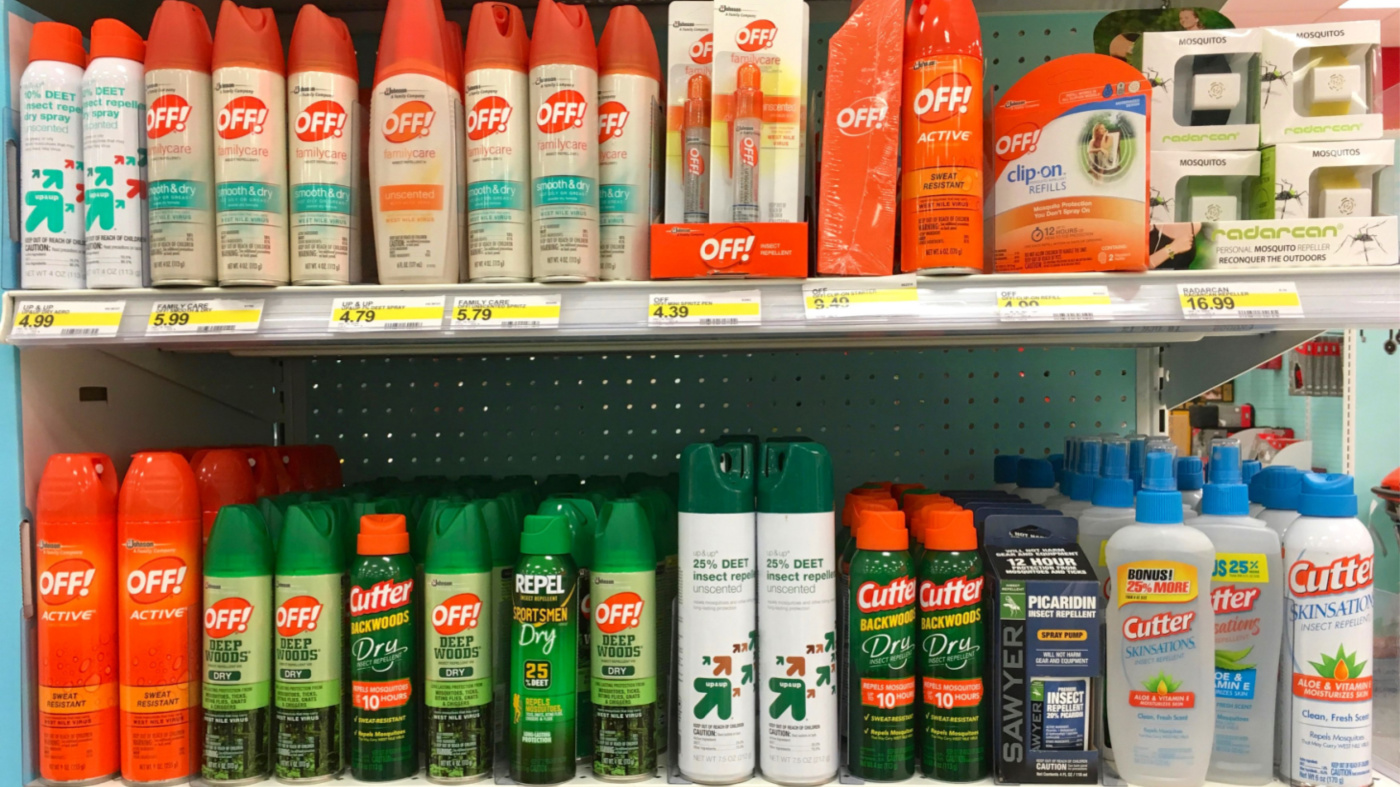
Insect Repellent Compared: DEET, Picaridin and Permethrin Clothing
Insect repellent for East African safaris is an essential part of travel preparation, especially when visiting Uganda, Kenya, Tanzania and Rwanda. These countries offer remarkable wildlife experiences, including gorilla trekking, chimpanzee tracking, game drives, rainforest walks and beach holidays. However, mosquitoes, ticks and other biting insects can cause discomfort and sometimes transmit serious diseases.
Choosing effective insect protection is particularly important in areas where malaria, dengue, chikungunya and other insect-borne infections occur.
Three commonly recommended protection options are DEET, picaridin and permethrin-treated clothing. Although they all help reduce insect exposure, they work differently.
DEET and picaridin are repellents applied to exposed skin, while permethrin is an insecticide used to treat suitable clothing and equipment.
Understanding their benefits, limitations and correct use helps travellers prepare for safari activities without carrying unnecessary products.
This guide compares these three options and explains how to choose suitable protection for East African wildlife holidays.
Why Insect Protection Matters on Safari
East Africa contains tropical forests, wetlands, grasslands, lakes and coastal environments where biting insects are present.
Some insects cause temporary itching, while others can transmit infections.
Common Insect-Related Concerns
| Insect | Main concern |
|---|---|
| Mosquitoes | Malaria, dengue and chikungunya |
| Ticks | Certain tick-borne infections |
| Sand flies | Leishmaniasis in affected areas |
| Tsetse flies | African trypanosomiasis in some regions |
| Biting midges | Skin irritation |
| Fleas | Bites and certain infections |
The presence of insects varies by location, season and activity. Not every insect species occurs in every national park.
What Is DEET?
DEET is a widely used insect repellent ingredient applied to exposed skin.
It interferes with insects’ ability to locate people, helping reduce bites when used correctly.
DEET products are available in different concentrations, commonly ranging from approximately 10% to 50% or higher.
Main Advantages of DEET
DEET has a long history of use.
It provides protection against many biting insects.
Different concentrations allow travellers to choose suitable protection durations.
It is available in sprays, lotions and other formulations.
Main Limitations
DEET may damage certain plastics, synthetic materials and painted surfaces.
Some users dislike its smell or feel.
It must be applied according to the product label.
Higher concentrations generally provide longer protection rather than proportionally stronger protection.
What Is Picaridin?
Picaridin, also called icaridin, is another effective skin-applied insect repellent.
It is commonly available in formulations containing approximately 10%–20% active ingredient, although products vary.
Picaridin is often preferred by travellers who dislike the smell or feel of DEET.
Advantages of Picaridin
It is generally comfortable on skin.
Many formulations have little noticeable odour.
It is less likely than DEET to damage plastic equipment.
It can protect against mosquitoes and other biting insects when appropriately formulated.
Limitations
Protection duration depends on concentration and formulation.
Availability varies between countries.
Not every picaridin product provides identical protection.
Travellers should check the label for the insects covered and the recommended reapplication interval.
What Is Permethrin-Treated Clothing?
Permethrin is an insecticide used on suitable clothing, mosquito nets and outdoor equipment.
Unlike DEET and picaridin, permethrin should not be applied directly to human skin.
It works through contact with treated fabric and can repel or kill certain insects.
Common Permethrin-Treated Items
| Item | Main purpose |
|---|---|
| Long trousers | Reduce insect contact with legs |
| Hiking shirts | Additional upper-body protection |
| Socks | Help reduce tick exposure |
| Outdoor jackets | Protection during forest walks |
| Mosquito nets | Reduce mosquito contact |
| Camping equipment | Additional insect control |
Factory-treated clothing may retain effectiveness through multiple washes, depending on the product.
Home-treatment products must be used strictly according to their instructions.
DEET vs Picaridin vs Permethrin
These products should not be treated as direct substitutes because their intended uses differ.
Main Comparison
| Feature | DEET | Picaridin | Permethrin |
|---|---|---|---|
| Applied to skin | Yes | Yes | No |
| Applied to clothing | Only if label permits | Only if label permits | Yes, with approved products |
| Mosquito protection | Yes | Yes | Yes, through treated fabric |
| Tick protection | Product-dependent | Product-dependent | Useful on clothing |
| Odour | Varies | Often mild | Usually minimal after drying |
| Reapplication | According to label | According to label | According to treatment instructions |
| Best use | Exposed skin | Exposed skin | Clothing and equipment |
For many safari travellers, skin repellent combined with treated clothing offers broader protection.
Which Repellent Works Best Against Mosquitoes?
Both DEET and picaridin can provide effective mosquito protection.
Neither is automatically superior in every formulation.
The concentration, application method and length of outdoor exposure influence performance.
Mosquito Protection Comparison
| Situation | Practical option |
|---|---|
| General game drive | DEET or picaridin |
| Evening outdoor dining | Skin repellent and covering clothing |
| Rainforest trekking | Repellent with suitable long clothing |
| Coastal sightseeing | Daytime repellent use |
| Extended outdoor activity | Longer-lasting labelled formulation |
| Sleeping | Screens or mosquito nets |
Mosquito avoidance requires more than repellent alone.
Understanding Repellent Concentrations
Travellers sometimes assume that a stronger concentration always means greater protection.
However, increasing concentration mainly affects how long a product remains effective.
General Concentration Guide
| Ingredient | Common concentration | Consideration |
|---|---|---|
| DEET | 10% | Shorter-duration protection |
| DEET | 20%–30% | Common travel option |
| DEET | 40%–50% | Potentially longer duration |
| Picaridin | 10% | Product-dependent duration |
| Picaridin | 20% | Common longer-duration option |
The manufacturer’s approved duration is more reliable than estimating protection from concentration alone.
Rain, perspiration and washing can also affect performance.
Insect Repellent for Gorilla Trekking
Gorilla trekking in Bwindi, Mgahinga and Volcanoes National Park involves walking through forests and dense vegetation.
Travellers may encounter mosquitoes, biting flies and other insects.
Recommended Trekking Protection
Wear long trousers.
Choose a long-sleeved shirt.
Apply suitable repellent to exposed skin.
Consider permethrin-treated clothing.
Wear long socks and suitable boots.
Avoid leaving large areas of skin exposed.
Follow ranger instructions throughout the trek.
Repellent should never be sprayed towards gorillas or other wildlife.
Insect Protection During Game Drives
Most game drives take place inside safari vehicles with open windows or roof hatches.
Although direct insect exposure may be lower than during forest walks, mosquitoes and biting flies can still enter vehicles.
Game-Drive Precautions
Carry repellent in your daypack.
Apply it before outdoor stops.
Wear lightweight protective clothing.
Avoid applying excessive spray inside enclosed vehicles.
Keep products away from cameras and sensitive plastic equipment.
Wash hands after applying repellent and before handling food.
Mosquito Protection on the East African Coast
Coastal destinations such as Zanzibar, Mombasa, Diani Beach and Watamu require protection against daytime and evening mosquito bites.
Aedes mosquitoes, which can transmit dengue and chikungunya, frequently bite during daylight hours.
Malaria-transmitting Anopheles mosquitoes are especially important during evening and night-time exposure.
Coastal Protection Tips
Use repellent during daytime sightseeing.
Wear loose clothing in gardens and outdoor restaurants.
Choose screened or air-conditioned accommodation.
Sleep beneath suitable mosquito nets where necessary.
Avoid allowing water to collect in containers around accommodation.
Malaria prevention tablets do not prevent dengue or chikungunya.
DEET or Picaridin for Sensitive Skin?
Some travellers find picaridin more pleasant because it often feels less oily and has less noticeable odour.
However, either ingredient may cause irritation in certain individuals.
Sensitive Skin Precautions
Select an appropriately registered product.
Test a small area when appropriate.
Never apply repellent to cuts or irritated skin.
Avoid excessive application.
Wash treated skin after returning indoors.
Stop using a product if a concerning reaction develops.
Seek medical advice for significant skin reactions.
Is Insect Repellent Safe for Children?
Children need protection against mosquito bites, particularly in malaria-risk destinations.
DEET and picaridin can be used in suitable age-appropriate formulations according to product instructions.
Child Protection Guide
| Precaution | Recommendation |
|---|---|
| Product selection | Check age instructions |
| Application | Adults should apply |
| Hands | Avoid applying to young children’s hands |
| Face | Apply indirectly using an adult’s hands |
| Eyes and mouth | Keep repellent away |
| Clothing | Use suitable protective garments |
| Sleeping | Use properly fitted mosquito nets |
For babies and young children, mosquito netting and protective clothing are especially useful.
Repellents During Pregnancy
Mosquito-borne infections can be particularly serious during pregnancy.
Registered DEET and picaridin repellents are generally considered safe during pregnancy when used according to approved instructions.
Permethrin-treated clothing may also provide additional protection.
Pregnant travellers should discuss destination-specific disease risks and malaria prevention with a qualified healthcare professional.
Avoid assuming that repellent alone makes travel to malaria-endemic areas safe during pregnancy.
How to Use Repellent With Sunscreen
Safari travellers frequently need both sun protection and insect repellent.
The order of application matters.
Correct Application
Apply sunscreen first.
Allow it to settle according to its instructions.
Apply insect repellent afterwards.
Reapply each product according to its individual label.
Combination sunscreen-repellent products are generally less convenient because sunscreen often needs more frequent reapplication.
How Long Does Permethrin Clothing Last?
The duration of permethrin protection depends on whether the garment is factory-treated or treated using an approved spray.
Factory-treated clothing may remain effective through numerous washes.
Self-treated clothing generally requires reapplication according to product instructions.
Clothing Care
| Action | Recommendation |
|---|---|
| Washing | Follow garment instructions |
| Retreatment | Follow product label |
| Storage | Keep clothing clean and dry |
| Skin application | Never apply permethrin directly |
| Treatment preparation | Allow treated clothing to dry fully |
If treating clothing yourself, follow all safety precautions and keep wet treatment products away from children and pets.
What Should You Pack for a Seven-Day Safari?
A simple insect protection kit is usually sufficient.
Safari Insect Protection Packing List
| Item | Purpose |
|---|---|
| DEET or picaridin repellent | Exposed skin |
| Long-sleeved shirts | Additional coverage |
| Long trousers | Leg protection |
| Permethrin-treated clothing | Additional insect protection |
| Hiking socks | Foot and ankle coverage |
| Mosquito net where needed | Sleeping protection |
| Suitable footwear | Forest and outdoor activities |
| Small repellent bottle | Daypack access |
Choose container sizes according to airline baggage rules.
Common Repellent Mistakes
Some travellers apply repellent only at night, forgetting that dengue-carrying mosquitoes frequently bite during the day.
Others use permethrin directly on skin or assume treated clothing eliminates the need for skin repellent.
Mistakes to Avoid
Applying permethrin to skin.
Using repellent on broken skin.
Spraying directly into the face.
Ignoring product reapplication instructions.
Relying entirely on mosquito wristbands.
Failing to use nets where necessary.
Stopping mosquito precautions after taking malaria tablets.
Frequently Asked Questions
Is Picaridin Better Than DEET?
Both can provide effective protection. Picaridin may be preferable for travellers who dislike DEET’s smell or its effect on certain plastics.
Can I Use DEET and Permethrin Together?
Yes. DEET can be applied to exposed skin while approved permethrin-treated clothing provides additional protection.
Does Permethrin Prevent Every Insect Bite?
No. It reduces contact with certain insects but does not guarantee complete protection.
Which Repellent Is Best for Gorilla Trekking?
A suitable DEET or picaridin skin repellent, combined with protective clothing, is a practical choice. Permethrin-treated garments provide an additional layer.
Do I Still Need Malaria Tablets?
Where malaria chemoprophylaxis is recommended, repellent does not replace it. Travellers should obtain personalised travel-health advice.
Choosing the Right Safari Repellent
DEET, picaridin and permethrin-treated clothing all have useful roles in protecting travellers from biting insects.
DEET is a well-established skin repellent, while picaridin offers an effective alternative that many visitors find comfortable.
Permethrin provides additional protection through properly treated clothing and equipment.
For travellers visiting Uganda, Kenya, Tanzania and Rwanda, combining suitable skin repellent, protective clothing and safe sleeping arrangements is generally more effective than relying on one product.
The best safari insect protection combines correct product use, consistent application and practical clothing choices throughout the journey.



No comment