
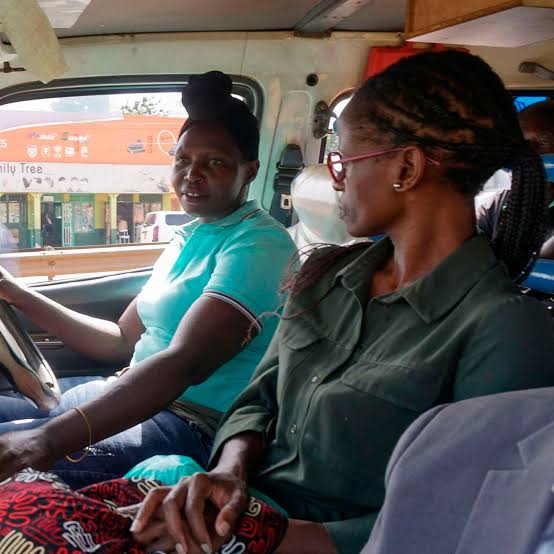
Solo Women on East African Buses and Taxis: Habits That Reduce Risk
Solo women travelling on East African buses and taxis can explore Uganda, Kenya, Tanzania and Rwanda confidently with suitable planning and sensible safety precautions. Public transport is an important part of everyday life across the region, connecting cities, towns, villages and major tourism destinations.
Visitors travelling through Kampala, Nairobi, Arusha, Dar es Salaam and Kigali may use long-distance coaches, shared minibuses, private taxis and ride-hailing services. These transport options vary in comfort, reliability, price and safety.
For women travelling alone, understanding local transport arrangements helps reduce exposure to harassment, theft, unsafe driving and unfamiliar situations.
Although many solo female travellers complete their journeys without difficulty, preparation is particularly important when arriving late, carrying luggage or travelling between unfamiliar locations.
This guide explains practical habits that help women choose transport, protect belongings and respond confidently to uncomfortable situations during an East African holiday.
Is Public Transport Safe for Solo Women in East Africa?
Public transport is widely used by women across East Africa. However, safety standards differ between operators, vehicles and destinations.
Established coach companies and reputable ride-hailing services may provide greater accountability than unregistered transport arrangements.
Transport Safety Comparison
| Transport option | Main advantage | Main consideration |
|---|---|---|
| Long-distance coach | Established routes | Company reputation |
| Shared minibus | Affordable | Crowding and driving standards |
| Ride-hailing car | Recorded booking details | Driver verification |
| Hotel-arranged taxi | Convenient collection | Confirm pricing |
| Motorcycle taxi | Short journeys | Higher injury risk |
| Private transfer | Greater flexibility | Higher cost |
No transport option is completely risk-free. The safest choice depends on the journey, timing and provider.
1. Plan Your Route Before Leaving
Knowing your destination reduces uncertainty and unnecessary stops.
Before travelling, identify the departure station, expected journey duration and arrival location.
Route Planning Checklist
| Information | Why it matters |
|---|---|
| Departure terminal | Avoids confusion |
| Arrival station | Helps arrange onward travel |
| Journey duration | Supports realistic planning |
| Ticket price | Prevents unexpected charges |
| Company contact | Useful during disruptions |
| Alternative transport | Backup arrangement |
Download offline maps and save accommodation details before departure.
Avoid depending entirely on mobile internet.
2. Choose Established Bus Companies
Long-distance coaches connect many East African cities.
Examples include services operating between Kampala, Nairobi, Arusha, Dar es Salaam and Kigali.
Before booking, check the company’s reputation, current routes and ticketing arrangements.
Signs of a Reliable Bus Operator
An identifiable business office.
Clear departure schedules.
Written or digital tickets.
Assigned seating where available.
Transparent baggage arrangements.
Professional customer support.
Avoid boarding an unfamiliar vehicle simply because someone promises a cheaper fare.
3. Prefer Daytime Travel
Daytime journeys are often easier for visitors unfamiliar with a destination.
Arriving during daylight makes it simpler to locate transport, contact accommodation and understand the surroundings.
Daytime vs Night Travel
| Factor | Daytime | Night-time |
|---|---|---|
| Visibility | Better | Reduced |
| Finding accommodation | Generally easier | May be difficult |
| Access to shops | More options | Often limited |
| Navigation | Easier | More challenging |
| Road hazards | More visible | Harder to identify |
Night buses may be convenient on some routes, but solo travellers should consider road safety and arrival arrangements carefully.
4. Verify Your Taxi Driver
Private taxis and ride-hailing services are useful when travelling between hotels, airports and bus stations.
Before boarding, confirm that the vehicle matches your booking.
Taxi Verification Checklist
| Item | Recommended check |
|---|---|
| Vehicle registration | Matches booking |
| Driver identity | Matches application |
| Vehicle type | Correct category |
| Destination | Clearly confirmed |
| Fare | Agreed or displayed |
| Payment method | Confirmed beforehand |
Never enter a vehicle simply because someone claims to be your assigned driver.
5. Use Ride-Hailing Applications Carefully
Ride-hailing services can provide useful features, including driver details, estimated fares and trip records.
However, availability differs across East African cities.
Safer App-Based Travel
Book through the official application.
Check the vehicle registration.
Avoid accepting unexpected vehicle substitutions.
Share journey details with someone you trust.
Monitor the route when possible.
Use in-app reporting features if necessary.
An app booking provides additional accountability but does not guarantee personal safety.
6. Choose Your Seat Carefully
Seating arrangements can influence comfort during long journeys.
Some solo travellers prefer seats near other passengers or closer to the front of the vehicle.
Practical Seating Advice
Choose an assigned seat when available.
Avoid isolated seating areas if uncomfortable.
Keep personal belongings within reach.
Do not leave valuable items unattended.
Request a seat change if another passenger behaves inappropriately.
There is no universally safest seat, but choosing a location where assistance is accessible can be helpful.
7. Keep Your Luggage Secure
Buses and taxis often carry passengers with suitcases, backpacks and shopping bags.
Busy terminals can create opportunities for theft.
Luggage Safety
| Item | Recommended storage |
|---|---|
| Passport | Secure personal pouch |
| Phone | Zipped pocket |
| Wallet | Close to the body |
| Main suitcase | Authorised luggage compartment |
| Medication | Hand luggage |
| Electronics | Personal bag |
| Emergency cash | Separate secure location |
Avoid placing passports, money and electronic devices in checked bus luggage.
8. Avoid Displaying Expensive Valuables
Travellers do not need to hide every personal possession, but discreet handling of valuables reduces unnecessary attention.
Avoid counting large amounts of cash in crowded stations.
Keep phones secured when not needed.
Use a modest, practical bag rather than carrying several exposed valuables.
When checking directions, step into a suitable staffed location instead of standing distracted beside busy traffic.
9. Handling Unwanted Attention
Women travelling alone may occasionally encounter persistent questions, unsolicited invitations or unwanted attention.
Not every conversation is threatening, but personal boundaries should be respected.
Responding to Uncomfortable Situations
Keep responses brief.
Decline unwanted invitations clearly.
Avoid sharing your accommodation room number.
Do not reveal detailed travel plans to strangers.
Move towards staffed, populated areas if necessary.
Ask transport personnel for assistance.
If harassment continues, prioritise leaving the situation safely rather than arguing.
10. What to Do During Harassment on a Bus
Harassment should never be treated as an unavoidable part of travelling.
If another passenger behaves inappropriately, seek assistance from the conductor, driver or other responsible personnel.
Practical Response
Move to another seat when possible.
State clearly that the behaviour is unwelcome if safe.
Ask staff to intervene.
Contact someone you trust.
Leave the vehicle at a safe, staffed location if necessary.
Report serious harassment or assault to the appropriate authorities.
The safest response depends on the situation. Avoid confrontation if it could increase danger.
11. Travelling Through Kampala
Kampala’s transport system includes shared minibuses, private taxis, coaches and motorcycle taxis.
The word taxi commonly refers to shared minibuses in Uganda.
Kampala Transport Habits
Use recognised taxi parks and coach terminals.
Confirm the destination before boarding.
Avoid unnecessarily crowded vehicles.
Arrange private transfers when carrying substantial luggage.
For unfamiliar visitors, an established car service may be preferable to motorcycle transport.
12. Travelling Through Nairobi
Nairobi has a large public transport network, including matatus, buses and ride-hailing services.
Travellers should take particular care at crowded boarding areas.
Nairobi Safety Tips
Check the route before travelling.
Keep bags closed.
Avoid displaying phones near traffic.
Use recognised transport providers.
Arrange airport transfers in advance.
Consider a private car when arriving late or travelling with expensive equipment.
13. Travelling Through Tanzania
Dar es Salaam and Arusha provide important transport connections for safari visitors.
Intercity coaches connect numerous destinations.
Tanzania Bus and Taxi Advice
Purchase tickets through established operators.
Confirm the departure terminal.
Check whether the coach makes intermediate stops.
Keep identification accessible.
Avoid accepting unsolicited offers from unknown intermediaries.
For long journeys, select vehicles with appropriate seating and luggage arrangements.
14. Travelling Through Kigali
Kigali offers bus services, taxis and other urban transport arrangements.
Its public transport system serves residents and visitors travelling around the city.
Kigali Travel Precautions
Use recognised transport providers.
Confirm fares before departure.
Keep your destination saved offline.
Arrange reliable collection when arriving at night.
For journeys outside Kigali, confirm schedules and arrival arrangements in advance.
15. Protecting Yourself at Bus Stations
Bus terminals may be busy with passengers, traders and transport workers.
Travellers should remain aware of their surroundings without becoming unnecessarily anxious.
Station Safety Checklist
| Situation | Recommended habit |
|---|---|
| Buying tickets | Use official counters |
| Waiting | Remain near staffed areas |
| Boarding | Keep luggage controlled |
| Asking directions | Approach identifiable staff |
| Using ATMs | Choose secure locations |
| Late arrival | Arrange onward transport |
Avoid following strangers to unofficial ticket offices or unfamiliar vehicles.
16. Keep Emergency Contacts Available
A reliable communication plan is important for solo travellers.
Save your accommodation number, transport provider and relevant emergency contacts.
Communication Preparation
Carry a charged phone.
Keep a power bank.
Save offline maps.
Share your main itinerary with a trusted person.
Arrange agreed check-in times.
Keep important contact details on paper.
If mobile internet fails, you should still know how to reach your accommodation.
17. What About Overnight Bus Journeys?
Some travellers use overnight coaches to save time and accommodation expenses.
However, overnight travel may involve unfamiliar stops and early-morning arrivals.
Overnight Travel Precautions
Choose established operators.
Confirm the arrival terminal.
Secure valuables before sleeping.
Avoid leaving the bus at isolated stops unnecessarily.
Arrange collection if arriving before daylight.
Consider whether the savings justify the additional inconvenience.
18. Trusting Your Judgement
One of the most useful travel habits is recognising when a situation feels unsuitable.
Travellers should feel comfortable refusing a ride, changing transport providers or leaving an uncomfortable environment.
Reasons to Change Your Plans
A driver appears intoxicated.
The vehicle is dangerously overloaded.
The driver refuses to confirm the destination.
A passenger repeatedly harasses you.
Transport staff demand unexplained additional payments.
The proposed route changes without a reasonable explanation.
Choose safety over avoiding inconvenience.
19. Travel Insurance and Personal Safety
Travel insurance may provide assistance following theft, accidents or certain medical emergencies.
However, coverage varies by policy.
Check whether emergency medical treatment, stolen belongings and interrupted journeys are included.
Report significant incidents to the police and insurer as required.
Keep copies of tickets, receipts and relevant documents.
20. Building Confidence as a Solo Traveller
Safe solo travel does not require avoiding public transport altogether.
Confidence develops through preparation, understanding local systems and making informed decisions.
Choose manageable journeys when first arriving.
Ask accommodation staff for practical transport advice.
Respect local customs while maintaining personal boundaries.
Avoid unnecessary risks simply to save a small amount of money.
Frequently Asked Questions
Are East African Buses Safe for Solo Women?
Many women use buses throughout East Africa. Choosing established operators, travelling during daylight and protecting valuables can reduce risks.
Should Solo Women Use Motorcycle Taxis?
Motorcycle taxis carry higher injury risks than enclosed cars. For unfamiliar journeys, a reputable car service is often preferable.
Is It Better to Book Taxis Through Hotels?
Hotel-arranged taxis can be convenient, particularly for airport transfers and late arrivals. Confirm the fare beforehand.
What Should I Do if I Feel Unsafe?
Move towards a staffed, populated location, contact someone you trust and seek appropriate assistance. Call local emergency services when there is immediate danger.
Travelling Safely and Independently
Solo women can enjoy rewarding journeys through Uganda, Kenya, Tanzania and Rwanda using buses, taxis and organised transport.
The most useful habits include choosing reliable operators, confirming routes, protecting valuables, maintaining communication and avoiding unnecessary late-night travel.
Unwanted attention, unsafe driving and suspicious transport arrangements should be taken seriously.
The best approach is to remain prepared, set clear boundaries and choose transport arrangements that support both personal safety and comfortable travel.
With sensible planning, women travelling alone can explore East Africa confidently while experiencing its remarkable people, cities and wildlife destinations.





No comment