
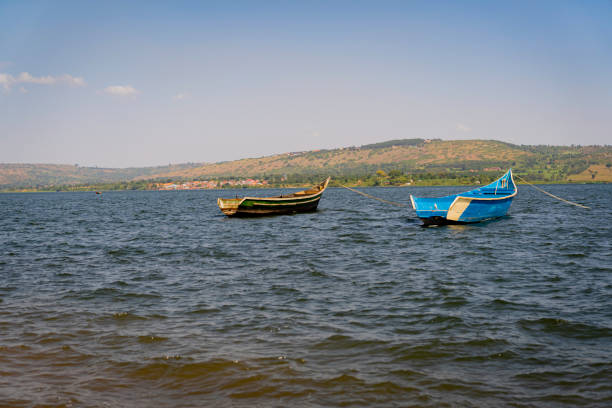
Staying Safe on Lake Victoria Boats: Life Jackets and Ferry Choices
Staying safe on Lake Victoria boats is an important part of planning a holiday in Uganda, Kenya or Tanzania. Lake Victoria is Africa’s largest lake by surface area and one of East Africa’s most remarkable natural attractions, offering beautiful islands, fishing communities, birdwatching opportunities and scenic boat excursions.
Visitors travelling through Entebbe, Jinja, Kisumu, Mwanza or the Ssese Islands may use ferries, passenger boats or private motorboats.
Although boat travel provides memorable experiences, Lake Victoria can become dangerous when vessels are overloaded, weather conditions deteriorate or essential safety equipment is missing.
Strong winds, changing waves and long distances between landing sites make careful transport choices particularly important.
Understanding life jacket requirements, boat conditions, ferry arrangements and emergency procedures helps travellers avoid unnecessary risks.
This guide explains how to select safer boats, prepare for ferry journeys and enjoy Lake Victoria responsibly.
Is Boat Travel on Lake Victoria Safe?
Lake Victoria supports regular passenger transport, fishing activities and tourism excursions.
Many journeys take place safely, particularly when vessels are properly maintained and operated by experienced crews.
However, serious boating accidents have occurred on the lake.
Overloading, unsafe weather and inadequate safety equipment are important concerns.
Main Lake Victoria Safety Risks
| Risk | Recommended precaution |
|---|---|
| Overloaded boats | Refuse to board |
| Missing life jackets | Choose another vessel |
| Strong winds | Delay departure |
| Poor boat maintenance | Use a reputable operator |
| Night-time travel | Avoid unnecessary journeys |
| Untrained crew | Check operator credentials |
| Excessive passenger movement | Follow crew instructions |
| Limited communication | Confirm emergency arrangements |
A cheap ticket should never be more important than personal safety.
Why Lake Victoria Weather Matters
Lake Victoria is a vast freshwater lake where weather conditions can change quickly.
A calm departure point does not guarantee calm conditions farther from shore.
Strong winds may produce significant waves, particularly across exposed sections of the lake.
Weather Conditions to Consider
| Weather condition | Possible effect |
|---|---|
| Strong winds | Rough waves |
| Heavy rain | Reduced visibility |
| Thunderstorms | Dangerous boating conditions |
| Dense mist | Navigation difficulties |
| Calm weather | Generally more comfortable conditions |
| Sudden wind changes | Unexpected instability |
Boat operators should check appropriate weather information before departure.
Passengers should accept delays or cancellations when conditions are unsafe.
Why Life Jackets Are Essential
A life jacket can help keep a person afloat if they accidentally fall into the water or a boat capsizes.
Even experienced swimmers can struggle in rough conditions.
Swimming ability does not replace suitable safety equipment.
Life Jacket Safety Checklist
| Feature | What to check |
|---|---|
| Correct size | Fits the passenger |
| Buoyancy rating | Appropriate for the activity |
| Straps | Secure and functional |
| Buckles | Fasten correctly |
| Material | No serious damage |
| Accessibility | Available before departure |
| Children’s sizes | Suitable smaller jackets |
| Approved design | Recognised safety standard |
Every passenger should have an appropriately sized life jacket.
Uganda’s Life Jacket Requirements
Uganda has strengthened inland water transport safety measures.
In August 2026, the Ministry of Works and Transport issued safety instructions requiring life-saving equipment on vessels and the wearing of life jackets by passengers on boats powered by outboard engines.
The measures also address vessel registration, overloading and restrictions on night operations.
For travellers, the practical rule is straightforward: wear a properly fitted life jacket throughout a small-boat journey.
On larger ferries, follow the applicable safety instructions, identify the life jackets and know where to find emergency exits.
How to Wear a Life Jacket Properly
A life jacket only provides its intended protection when worn correctly.
Correct Fitting Procedure
Select a jacket appropriate for your size and weight.
Place it over your shoulders.
Fasten all required buckles.
Tighten the adjustable straps.
Check that it does not ride up excessively.
Keep it fastened throughout the journey.
Parents should check children’s jackets before boarding.
Never rely on an adult-sized jacket for a small child.
Choosing Between Ferries and Small Boats
Lake Victoria transport services include larger passenger ferries, motorboats and smaller local vessels.
Each arrangement has different advantages and limitations.
Ferry vs Motorboat Comparison
| Feature | Larger ferry | Small motorboat |
|---|---|---|
| Passenger capacity | Generally higher | Lower |
| Stability | Often better, design-dependent | More affected by waves |
| Journey flexibility | Scheduled services | Flexible arrangements |
| Safety facilities | May have designated equipment areas | Equipment varies |
| Luggage | Often greater capacity | Usually limited |
| Weather exposure | Vessel-dependent | Often more exposed |
| Ticket arrangements | Established schedules | Often individually arranged |
A larger vessel is not automatically safe. Maintenance, loading, crew training and operational standards remain essential.
How to Choose a Safer Ferry
Before buying a ticket, confirm that the service operates through an established transport provider.
Ferry Selection Checklist
Check whether the operator is authorised.
Confirm the departure and arrival points.
Ask about passenger capacity.
Identify life jackets and emergency exits.
Observe the vessel’s general condition.
Check the weather forecast.
Avoid travelling on an obviously overloaded ferry.
Ask about the expected journey duration.
If the operator cannot explain basic safety arrangements, consider another service.
Warning Signs of an Unsafe Boat
Passengers should inspect obvious safety concerns before boarding.
Reasons to Refuse a Journey
| Warning sign | Why it matters |
|---|---|
| Too many passengers | Increased instability |
| Excessive cargo | Reduced stability |
| No suitable life jackets | Greater drowning risk |
| Visible water entering the boat | Possible structural problem |
| Uncontrolled fuel leakage | Fire and mechanical hazards |
| Intoxicated operator | Impaired judgement |
| Severe weather | Increased accident risk |
| Unclear destination | Poor journey planning |
Trusting your judgement is important. You do not need to board a vessel simply because you have already paid.
Boat Travel From Entebbe
Entebbe is one of Uganda’s most popular lakeside destinations.
Visitors enjoy scenic boat excursions, birdwatching and journeys towards nearby islands.
Entebbe Boat Safety
Choose an established operator.
Confirm departure and return arrangements.
Wear an appropriate life jacket.
Keep personal belongings secure.
Avoid unnecessary journeys during thunderstorms.
For island excursions, ask whether the operator provides safe boarding facilities at both ends.
Visiting the Ssese Islands
The Ssese Islands are among Lake Victoria’s most attractive holiday destinations.
Visitors travel to Kalangala and other islands for relaxation, birdwatching and local cultural experiences.
Ssese Island Ferry Planning
Confirm the current ferry or passenger boat schedule before departure.
Ask which landing site serves your accommodation.
Allow additional time for possible weather delays.
Avoid planning tight flight connections immediately after island travel.
Choose accommodation that can advise on reliable transport arrangements.
A scheduled service may be preferable to an unfamiliar private boat, provided it meets appropriate safety standards.
Boat Safety Around Jinja
Jinja is famous for its location near the source of the Nile.
Visitors enjoy boat excursions and other water-based activities.
However, river conditions can differ from those on the open lake.
Jinja Safety Considerations
Use experienced operators.
Follow instructions around currents.
Do not enter the water without appropriate supervision.
Wear suitable safety equipment.
Avoid activities during dangerous weather.
Tourists should distinguish between ordinary sightseeing cruises and adventure activities requiring specialist equipment.
Ferry Travel in Kenya
Kenya’s Lake Victoria shoreline includes Kisumu and several island communities.
Passenger boats and local transport services connect settlements around the lake.
Kenya Ferry Safety
Choose recognised operators.
Confirm safety equipment.
Avoid overloaded vessels.
Check weather conditions.
Follow crew instructions.
Ask about emergency communication arrangements.
Travellers should not assume that all local passenger boats provide identical safety standards.
Lake Victoria Boats in Tanzania
Mwanza, Bukoba and other Tanzanian lakeside communities use Lake Victoria for transport and commerce.
Passenger services may connect major ports and island destinations.
Tanzania Passenger Advice
Check schedules through established operators.
Confirm the boarding location.
Allow sufficient time before departure.
Keep travel documents accessible.
Ask where life-saving equipment is stored.
Avoid travelling with unauthorised operators offering suspiciously cheap journeys.
Is Night Boat Travel Safe?
Night-time boating involves additional challenges.
Reduced visibility makes navigation more difficult, especially around fishing vessels and unlit obstacles.
Emergency rescue operations can also become harder after dark.
Night Travel Precautions
Prefer daylight departures when possible.
Follow national regulations and operational restrictions.
Avoid small-boat journeys outside permitted hours.
Confirm whether the vessel is authorised and equipped for night operations.
Do not pressure crews to depart after a weather-related delay.
For ordinary tourism excursions, daytime travel is generally the better choice.
Safety When Travelling With Children
Families should take particular care when planning lake excursions.
Children may become restless, move unexpectedly or struggle to understand emergency instructions.
Family Boat Safety
| Precaution | Importance |
|---|---|
| Child-sized life jackets | Proper flotation |
| Adult supervision | Preventing falls |
| Safe seating | Reducing movement |
| Shorter journeys | Greater comfort |
| Weather checks | Reducing exposure |
| Emergency planning | Faster response |
Children should remain seated when instructed and never lean over the side of a moving boat.
What to Pack for a Lake Victoria Boat Trip
A small waterproof bag can help protect essential belongings.
Recommended Packing List
| Item | Purpose |
|---|---|
| Waterproof phone pouch | Protecting communication devices |
| Drinking water | Hydration |
| Sun protection | Reducing sun exposure |
| Lightweight rain jacket | Weather protection |
| Personal medication | Managing health needs |
| Small first-aid kit | Minor injuries |
| Emergency contacts | Assistance |
| Travel documents | Identification |
| Secure footwear | Safer boarding |
Avoid carrying unnecessary heavy luggage on small boats.
What to Do if Weather Changes During the Journey
Weather can deteriorate after a boat leaves shore.
Passengers should remain calm and follow crew instructions.
Stay seated when requested.
Keep life jackets fastened.
Avoid sudden movements.
Do not crowd one side of the vessel.
Secure loose belongings without delaying safety instructions.
The operator should decide whether to return, seek shelter or continue according to the conditions.
What Happens During a Boat Emergency?
An emergency may involve engine failure, flooding, fire or capsizing.
Emergency Response
Alert the crew immediately.
Follow instructions from the operator.
Wear your life jacket correctly.
Move away from dangerous equipment.
Avoid unnecessary movement.
If evacuation becomes necessary, follow crew directions and use designated exits where available.
Never jump into the water unless circumstances make it necessary or the crew instructs you to do so.
Why Overloading Is Dangerous
Overloading changes how a boat sits and behaves in the water.
Excessive passengers or cargo can reduce stability and make capsizing more likely.
Overloading Warning Signs
Passengers standing because seats are unavailable.
Large cargo piles blocking movement.
Luggage stacked above safe limits.
Crew unable to explain passenger capacity.
Water sitting unusually close to the vessel’s edge.
If a vessel appears overloaded, choose another departure.
Boat Insurance and Emergency Assistance
Travellers should check whether their travel insurance covers boat excursions and relevant water activities.
Some policies exclude certain adventure activities or unauthorised transport services.
Before departure, confirm the operator’s emergency procedures and how rescue assistance would be requested.
Carry emergency contact information in a waterproof location.
Frequently Asked Questions
Are Life Jackets Necessary on Lake Victoria?
Yes. Suitable life jackets are an essential boating precaution. Uganda also requires their use in specified inland water transport operations.
Are Larger Ferries Safer Than Small Boats?
They may provide greater stability and more safety facilities, but safety depends on maintenance, loading, crew competence and operating conditions.
Can Lake Victoria Become Rough?
Yes. Strong winds and thunderstorms can produce dangerous waves, even when the shoreline initially appears calm.
Should Tourists Avoid Overloaded Boats?
Absolutely. Travellers should refuse to board any vessel that appears overloaded or unseaworthy.
Choosing Safer Lake Victoria Transport
Lake Victoria offers memorable island holidays, scenic cruises and fascinating cultural experiences across Uganda, Kenya and Tanzania.
However, safe boating depends on responsible operators, suitable vessels and careful attention to changing weather conditions.
Travellers should wear properly fitted life jackets, avoid overloaded boats, confirm ferry arrangements and follow crew instructions.
The most important rule is never to board a boat without suitable safety equipment or when operating conditions appear dangerous.
With careful preparation, visitors can enjoy Lake Victoria’s beauty while reducing unnecessary boating risks.





No comment